+18 | Commercial Content | T&C's Apply | Play Responsibly | Publishing Principles
What is really going on with Man Utd stadium gfxGetty/GOAL

No canopy, no land, no money? The truth about Man Utd's new stadium as Sir Jim Ratcliffe faces new obstacles in bid to build 'iconic' £2bn arena

That journey, however, has proved to be a slow one fraught with potholes and snags. The project already faces a race against time to meet the five-year deadline Foster and Ratcliffe boasted of, as the club do not currently own all the land they want to build on, said land is proving far more expensive than they had first thought, and they do not have planning permission or even a confirmed architect. 

The proposed stadium also threatens to be less flashy and ambitious than it looked at its unveiling, as the giant canopy encasing the ground, essentially the unique selling point of the whole project, is in danger of being canned.

GOAL takes a look at the main problems United are grappling with in their bid to actually pull off the building of 'The Wembley of the North'...

  • Manchester United v Fulham - Emirates FA Cup Fifth RoundGetty Images Sport

    A £350m dispute over land

    The biggest obstacle to United starting work on the stadium is the impasse between the club and Freightliner, a haulage company that owns the rail freight terminal lying on the land intended for the stadium and the surrounding regeneration project. The Guardian reported in August that Freightliner 'have United over a barrel' after demanding £400 million ($536m) for land which Ratcliffe values at between £40m ($54m) and £50m ($67m). Former Crystal Palace chairman Simon Jordan said: "Those that have the land they need are using it as a ransom strip."

    Freightliner are reported to be ready to relocate to nearby St Helens but only at the right price, and until one of the parties budges, the project cannot get off the ground. Given Ratcliffe has driven through sweeping cuts across the board at United to make incremental savings, it is difficult to imagine him giving in to Freightliner's demands and paying 10 times his own valuation for the land.

    Ratcliffe, however, has an important ally in Manchester mayor Andy Burnham, who has revealed that a compulsory purchasing order could be invoked if necessary by the Greater Manchester Combined Authority. If successful, the compulsory purchasing order would allow United to purchase the land below the £50m mark and leave Freightliner out of pocket. 

    But it would further delay the project as it could take many months, if not years, to come to fruition. The more likely scenario is that the two parties meet in the middle and come to an agreement, which would mean they could exchange contracts immediately and get the ball rolling. And United are keen to keep local stakeholders such as Freightliner onside as they believe in the overall benefits of the project to the local area. 

  • Advertisement
  • New Manchester United stadiumMan Utd

    'Iconic' canopy at risk

    The club claims that the project could create as many as 92,000 new jobs, lead to the construction of 17,000 homes and encourage an extra 1.8 million people to visit the area each year. In financial terms, the club states that the whole project is worth £7.3 billion ($9.8bn) annually to the UK economy. 

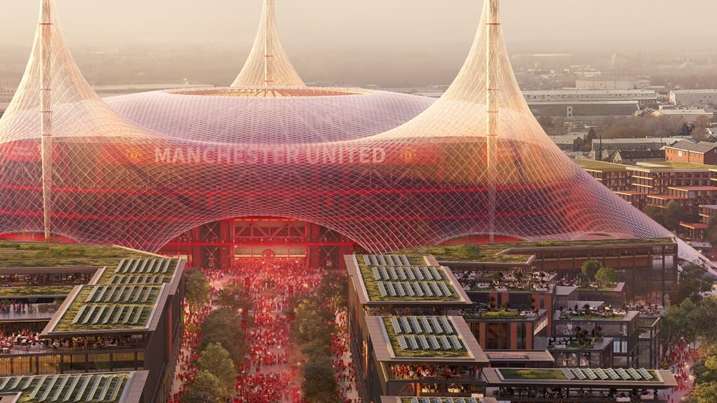
    The rising cost of the land, however, has led to United rethinking aspects of the project. The Athletic reported last month United have drawn up plans without the vast canopy which was intended to cover the stadium, which would require them to purchase less of the land owned by Freightliner. The canopy alone was estimated to cost around £350m ($470m) - almost as much as Freightliner are demanding for the land.

    While the canopy was mocked by rival fans as resembling a circus tent, it is difficult to escape the fact that the stadium would be less unique and less impressive without it. To Foster and Ratcliffe it was a crucial feature, making the stadium unique and visible from as far away as Liverpool and the Peak District.

    Ratcliffe had revealed he had asked Foster "to build the world’s most iconic football stadium". He added: "It had to be a stadium which was recognisable around the world. We said to Norman that we would like a stadium where when anybody in the world sees that stadium, they’ll know it’s Manchester United. 

    "It’s more than a new stadium. Everyone knows the Eiffel Tower, everyone wants to visit. Everyone in the world will want to come visit this stadium. I think the design of the stadium is a 10 out of 10. I think it’s a really special design." 

  • FBL-ENG-PR-MAN CITY-MAN UTDAFP

    Club wants to keep 'unique' design

    Foster, who called the stadium "one of the most exciting projects in the world today", described the canopy as "a vast umbrella harvesting energy and rainwater, and sheltering a new public plaza that is twice the size of Trafalgar Square". 

    The canopy was also supposed to honour United's heritage, with the three prongs symbolising the devil's trident on the club's badge. There were other benefits to it: it would have protected fans from the infamous Manchester rain and motivated people to spend longer around the stadium, therefore spending more money there.

    "I've never seen a design like this one," added United's chief executive Omar Berrada. "It's really unique. It's iconic. I haven't seen anything that comes close to being as attractive or beautiful as what we have seen today." 

    The canopy, as derided as it was, was the reason why the stadium looked so iconic and created such a buzz. Without it, the new ground would feel more like an ordinary stadium with less appeal to overseas visitors. 

    Despite a contingency plan existing without the canopy, GOAL understands that United are still keen to press ahead with the plan to build the stadium as intended, with the canopy as its centrepiece, as long as the land can be purchased at an acceptable price.

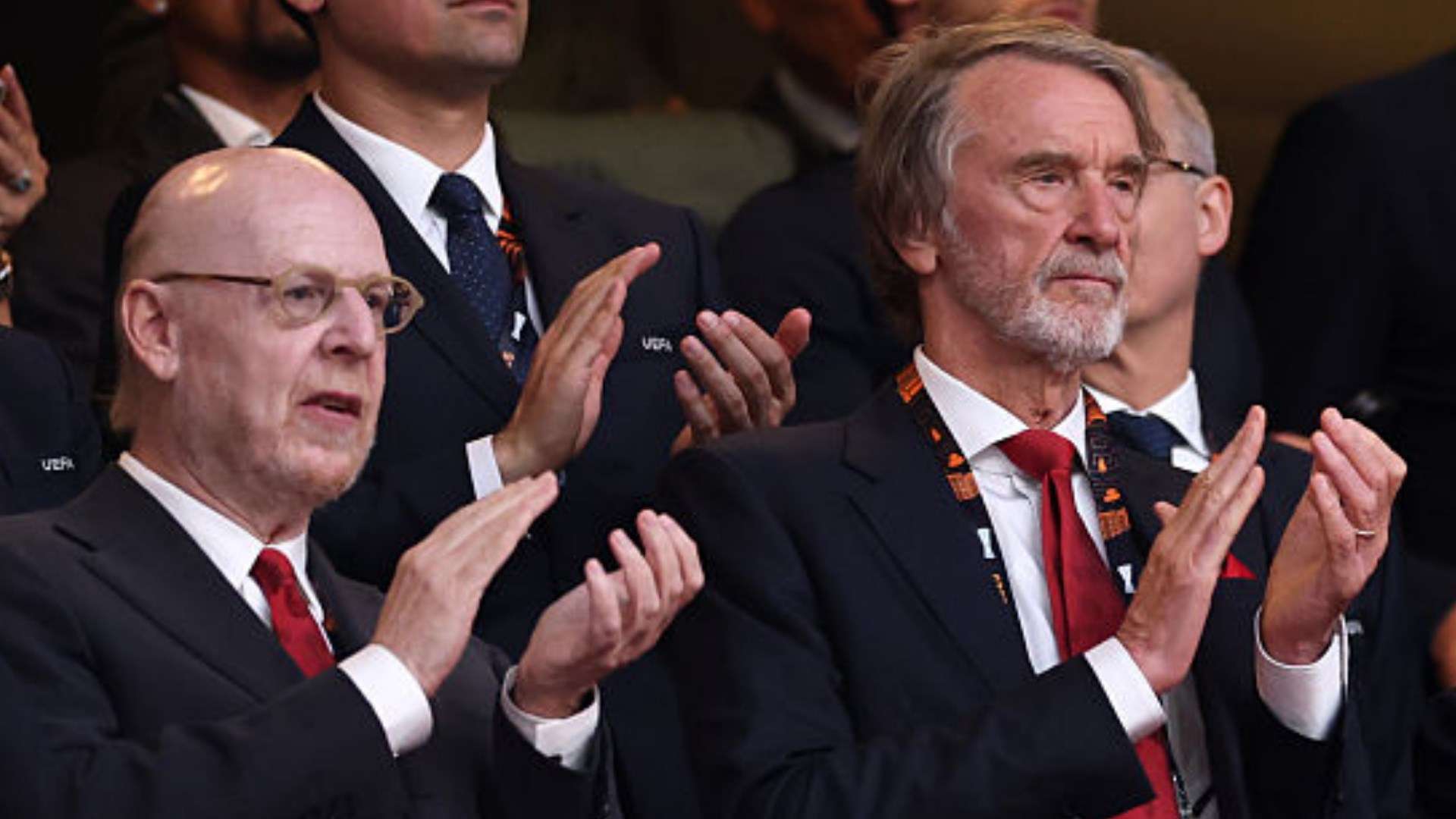
  • Avram Glazer and Sir Jim Ratcliffe of Man UtdGetty Images/GOAL

    The funding question

    Beyond the uncertainty about the land purchase and the canopy, the project has been dogged by questions about how the club are planning to fund the new arena. The club estimates it will cost £2bn ($2.7bn) - making it double the amount of the Tottenham Hotspur Stadium, which is the most expensive ground to be built in the UK. 

    It did not escape the attention of many media pundits and fans that Ratcliffe announced the plans for the lucrative stadium the day after he had claimed the club was on the brink of running out of cash before he implemented his cost-cutting measures. 

    In the billionaire's own words: "At Ineos, we run a lean organisation. As my mother said, you look after the pennies, the pounds look after themselves. We can sound flippant about free lunches but if you give all these perks, first class train fares, free taxis, it’s not coherent. It goes bust at Christmas."

    Ratcliffe has never broached the matter of how the stadium will be funded and Berrada skirted around the issue, telling journalists in March: "We are looking at all the options. We do see this as a very attractive investment opportunity, so we are confident we will be able to find ways to finance it."

  • Manchester United v Chelsea - Premier LeagueGetty Images Sport

    Profitable opportunity for investment vehicles

    The obvious way to finance the stadium is through bank loans, as Tottenham funded their £1bn ($1.3bn) arena. But there is a big difference between the two clubs' financial situations. Tottenham had hardly any debt before building their stadium. United, though, have been up to their eyeballs in debt ever since the Glazer family completed their leveraged buyout in 2005. 

    United's latest accounts show the club owes a total of £1.1bn ($1.5bn), with a Premier League-high gross debt of £637m ($853m). Taking on more debt due to the stadium would see the club's current rate of interest soar even higher. But even with the troubling levels of debt, United are not going to be short of means to fund the project. 

    There are numerous pools of global capital such as banks, pension funds and private equity who are looking for assets that can produce long term return on debt finance, and a massive, 100,000-capacity stadium that will be filled for each game represents a hugely profitable opportunity. 

  • Manchester United v Sunderland - Premier LeagueGetty Images Sport

    Determined to see it through

    Before the club can reach out to such institutions and discuss financing, they need to make the project as affordable as possible. But while investment vehicles will provide the cash up front, it is fans who will ultimately pay for the stadium through season ticket sales, matchday tickets and spending around the stadium. 

    The club have also floated the controversial idea of season ticket licences, which have helped fund numerous stadiums in the United States. GOAL understands that season ticket licences and other issues such as pricing will be addressed in a survey due to be sent out to fans imminently.

    The research will be key to showing that United can make this hugely ambitious project work, despite the nagging doubts around it. The club also remains adamant that the stadium could seat as many as 100,000 people, which would make it the second-biggest in Europe and significantly bigger than every NFL stadium. The 100,000 mark is believed to be important to Ratcliffe and United are adamant that they would be able to fill it through competitive yet accessible ticket prices.

    It cannot be denied that United's new stadium is very much a work in progress and not accelerating at the pace they hoped. But rather like their dogmatic coach Ruben Amorim, they are not about to change course and compromise anytime soon.