+18 | Commercial Content | T&C's Apply | Play Responsibly | Publishing Principles
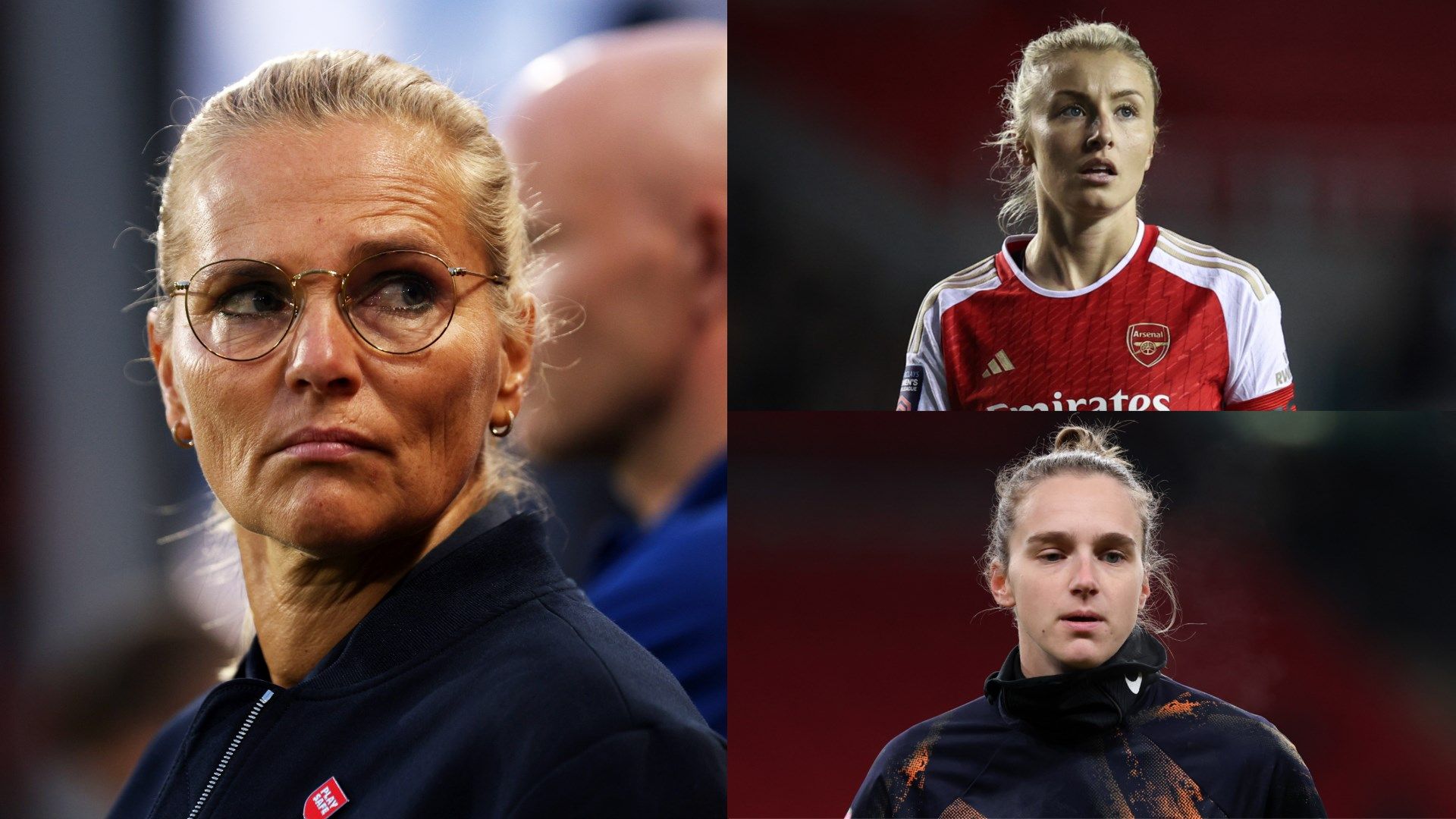
Sarina Wiegman Leah Williamson Vivianne Miedema compositeGetty/GOAL

'It's a disgrace' - England boss Sarina Wiegman is right! FIFA and UEFA must listen to Leah Williamson, Vivianne Miedema and more as calls to fix crazy women's football calendar grow

England’s Lionesses thought they were going to get a summer off this year. After failing to reach the UEFA Women’s Nations League finals, their chances of qualifying for the Olympic women’s football tournament were over. It was devastating but there was a silver lining. Or so they thought.

Instead, England will play qualifiers for the 2025 European Championships in June, after most European leagues have concluded. Their two Barcelona players, Keira Walsh and Lucy Bronze, will then return to Spain to finish the Liga F season before the Lionesses regroup for further qualifiers in July. After that, there will hopefully be time for a short rest before pre-season training begins and the 2024/25 campaign follows.

“To be honest, we didn't expect it,” England and Bayern Munich midfielder Georgia Stanway said this week of playing through the summer. “I think when we didn't qualify for the Olympics, we thought, 'Oh, the perfect opportunity to have a summer off’. This will be my actual first summer that I'll actually be able to have some time, with youth tournaments and senior tournaments [having occupied all previous]. But we realised that it's not quite as simple as that.”

It's been a talking point around the England camp this week but this is a problem all across Europe. It’s even more significant for those nations competing in the Olympic Games, which has a senior tournament for the women as opposed to the Under-23 event on the men’s side, as that short break after the July qualifiers doesn’t exist. Instead, they go straight into a relentless tournament schedule and almost immediately then into preparations for the new season.

But while the schedule for Euro 2025 qualifiers has highlighted calendar issues in the women’s game on one continent, this is a worldwide problem. The sport has grown immeasurably over the last few years and so the demand on the athletes has, too.

However, the same people looking to capitalise on the interest in the women’s game by expanding existing and introducing new competitions need to ensure they look after those who are most directly impacted. Football is nothing without players and, as the ACL crisis in the women’s game shows, they are being run into the ground.

  • Sarina Wiegman 2023Getty

    ‘I’m very worried’

    Sarina Wiegman isn’t a woman of too many words. She is concise and to the point, so if she talks at length about something, it’s well worth listening. In her first press conference of 2024, there was one particular topic that came up which she felt it was necessary to go into some detail about. That topic was the women’s football calendar.

    “So far it looks similar to last year, so I'm very worried about that,” she said. “The players ask all the time, ‘Where is the rest for us?’ Because they want to compete, we want the players to be fit and fresh, which means that you always also need rest, proper rest, and that you need to train in between June and July, too.

    “We have had conversations with clubs. These have been very good conversations but we still don't have a solution for that period [in June and July]. I think that FIFA and UEFA need to solve that for the players. Hopefully they do that, especially this summer, but then after, when we talk about the calendar from 2025 onwards, this really needs to be solved. It's complex at moments, but players at the highest level, the demands are so high, they need a proper rest in between seasons. Things really need to be changed.”

  • Advertisement
  • Georgia Stanway Bayern Munich 2023Getty Images

    A rock and a hard place

    By scheduling games during the period when players would be resting, FIFA and UEFA put them and their coaches in a difficult position. Managers need to win these matches for the sake of their jobs and so they want to put their best team out. The players themselves want to help their team, too.

    “The thing that we want as players is that the decision is taken away from us,” Stanway said this week. “I think that's something that we spoke about last year also, just allowing the team above us to make the decision and then we can just go with it. It is a potential burnout. But we play football, we love football, football is our life. Everything we do is to be successful on the pitch.”

    “It's tough because as a player, you want to be playing in those competitions,” Walsh, the England and Barcelona midfielder, added a few days later. “You want to be going deep into competitions like the Champions League and the cup games. I think as a player, it's a fine balance of doing that but also having enough time, mentally and physically, to rest. Previously, we've probably not had that so much, especially with the Champions League starting so early. I don't think I have the answers. I want to be playing those games but ultimately, you want to be fresh for the next season that's coming up as well.”

  • Leah Williamson Arsenal injury 2022-23Getty Images

    ACL crisis

    While these scheduling issues take place, dozens of the best women’s players continue to be hit with ACL injuries. Alexia Putellas, Beth Mead, Vivianne Miedema, Catarina Macario, Christen Press, Marie-Antoinette Katoto, Jill Roord, Sam Kerr and Mia Fishel are just some of the elite names to have ruptured their ACL in the last two years.

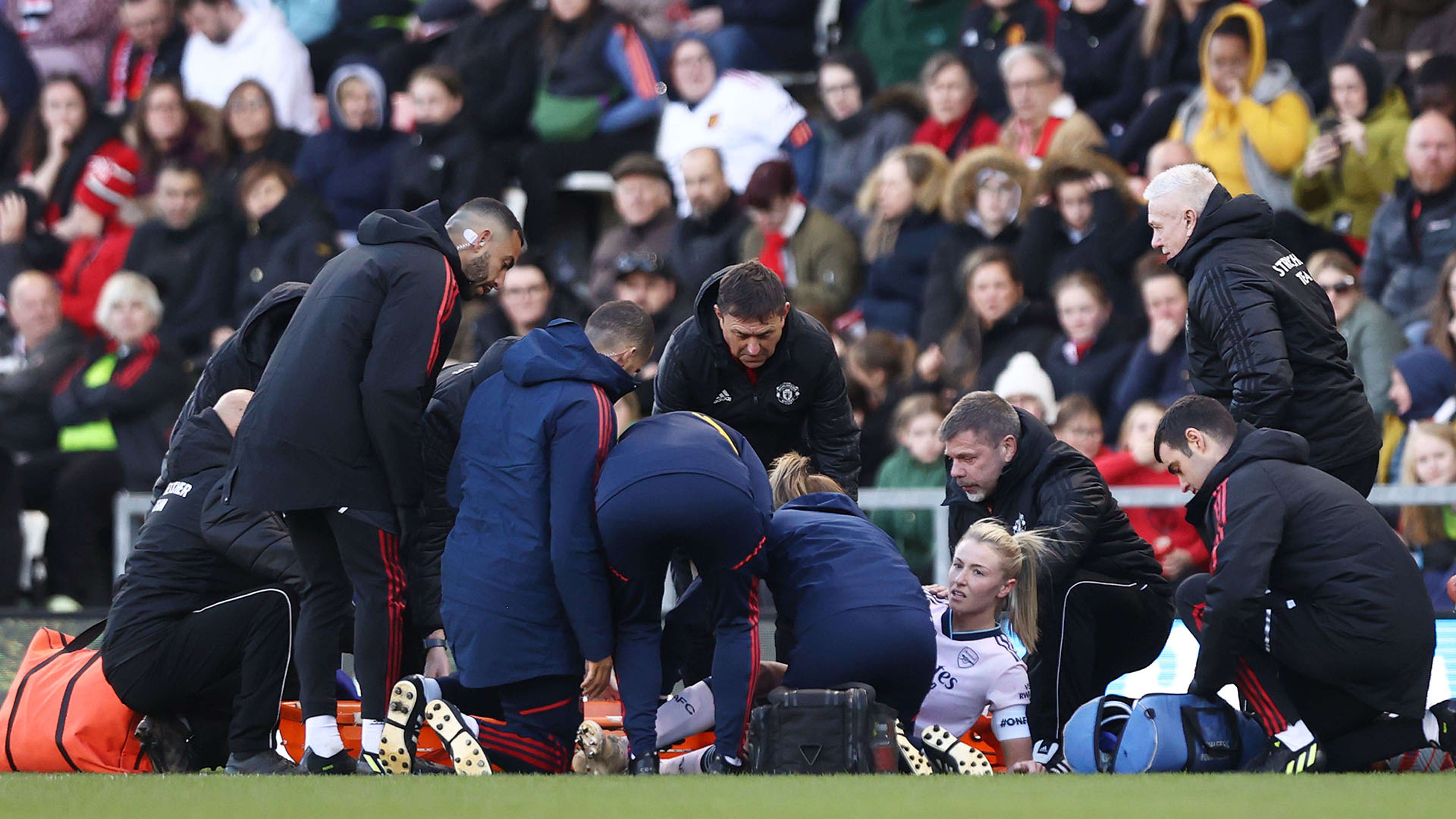
    Leah Williamson, one of four Arsenal players to suffer the injury last season alone, told the Telegraph last month: “Everything is done the wrong way round when we do the schedule. I’ve been in some of these meetings now and listened to the process and I still don’t understand how, when something is bad, why it’s not taken so seriously. It’s black and white – it’s not the only cause of all these injuries but it’s 100 per cent one of the main reasons.

    “When FIFA, UEFA, all the main people, do the scheduling, it should always be, ‘Rest first’. [They should say], ‘As a professional athlete, to be able to perform all year round, you have to have four weeks off at the end of the season and six weeks pre-season, to be at no detriment to your health’. But at the end of the World Cup, some of the girls came back and had five days off. Five days after getting to the final.”

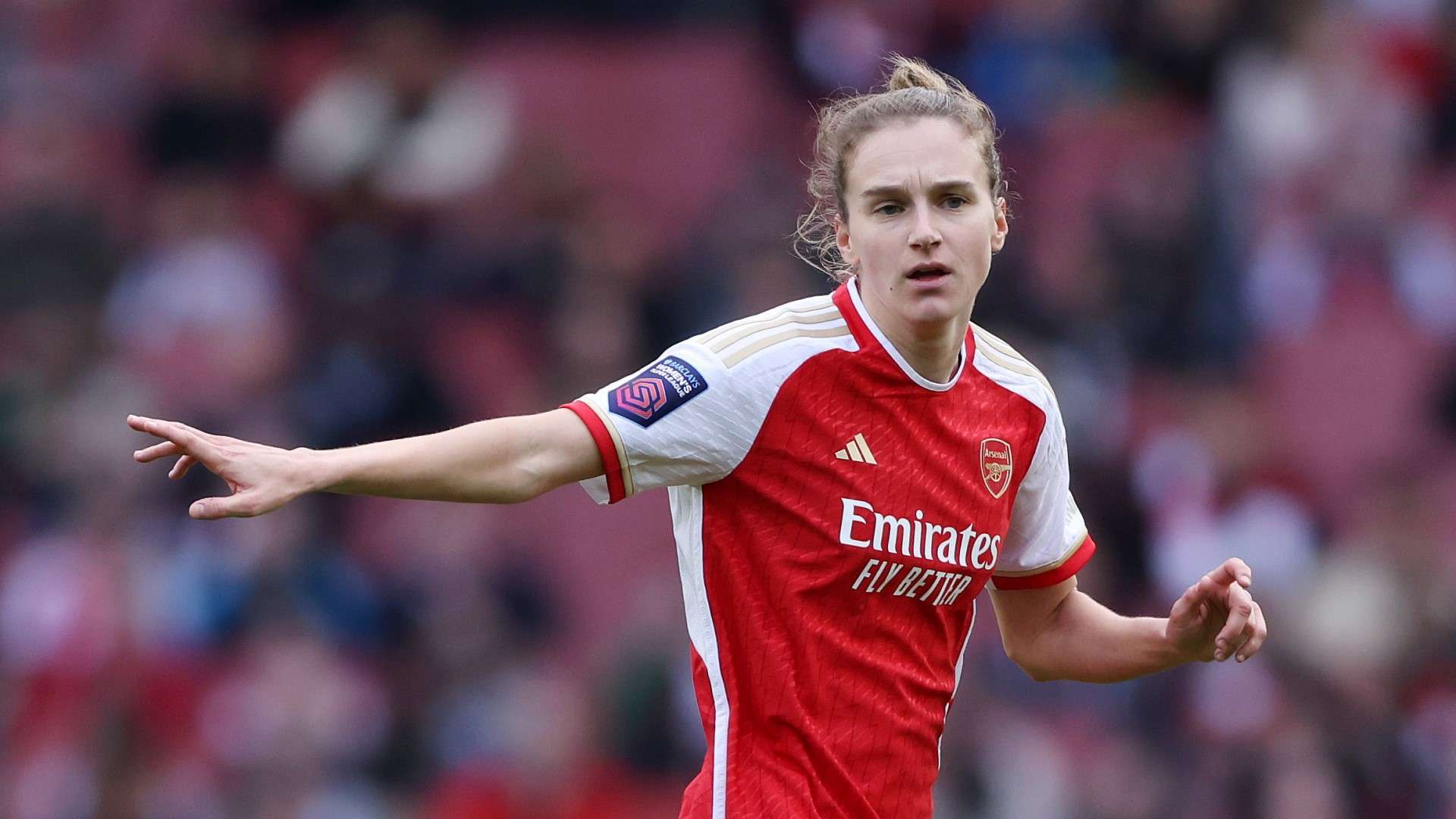
    Miedema, another unfortunate member of Arsenal’s ‘ACL club’, criticised the schedule in a column for AD in November 2022. “Of course, injuries happen sometimes, but what I see is an alarming pattern,” she wrote. “The schedule of the women, as well as the men, is too crammed. Actually, it's a disgrace. We're stuck in this world where everything just keeps on going and there aren't many players who step up and say something about it.

    “I already know what most people will say in a reaction to this column: ‘We have the most beautiful profession in the world, we make lots of money and we shouldn't complain. Just play football’. That’s not how it works with me. I enjoy football so much and I do feel privileged. But that doesn’t mean that we shouldn’t think about our health.”

  • Vivianne MiedemaGetty

    One extreme to the other

    One of the biggest problems of the women’s schedule is that it is so incredibly imbalanced, too. Elite players like Miedema are reaching the latter stages of most of the competitions they play in, for club and country. They rack up more games, more minutes and play at the most intense levels on a more regular basis.

    Whereas those not representing the very best teams often don’t have enough games. They might not be an international footballer, their club might be knocked out in the early stages of the cups and they’re not involved in competitions like the Champions League. They actually want more games.

    Yet, it is those with too many games who are given even more. When FIFA and UEFA are introducing new competitions or expanding those that already exist, it is the same relatively small crop of elite footballers who see more matches put on their calendar. So while someone who plays for Leicester City, for example, might play 30 matches in one season, a Chelsea player could be looking at another 20 or 30 games for club and country on top of that.

  • Alessia Russo England 2023Getty

    Solutions

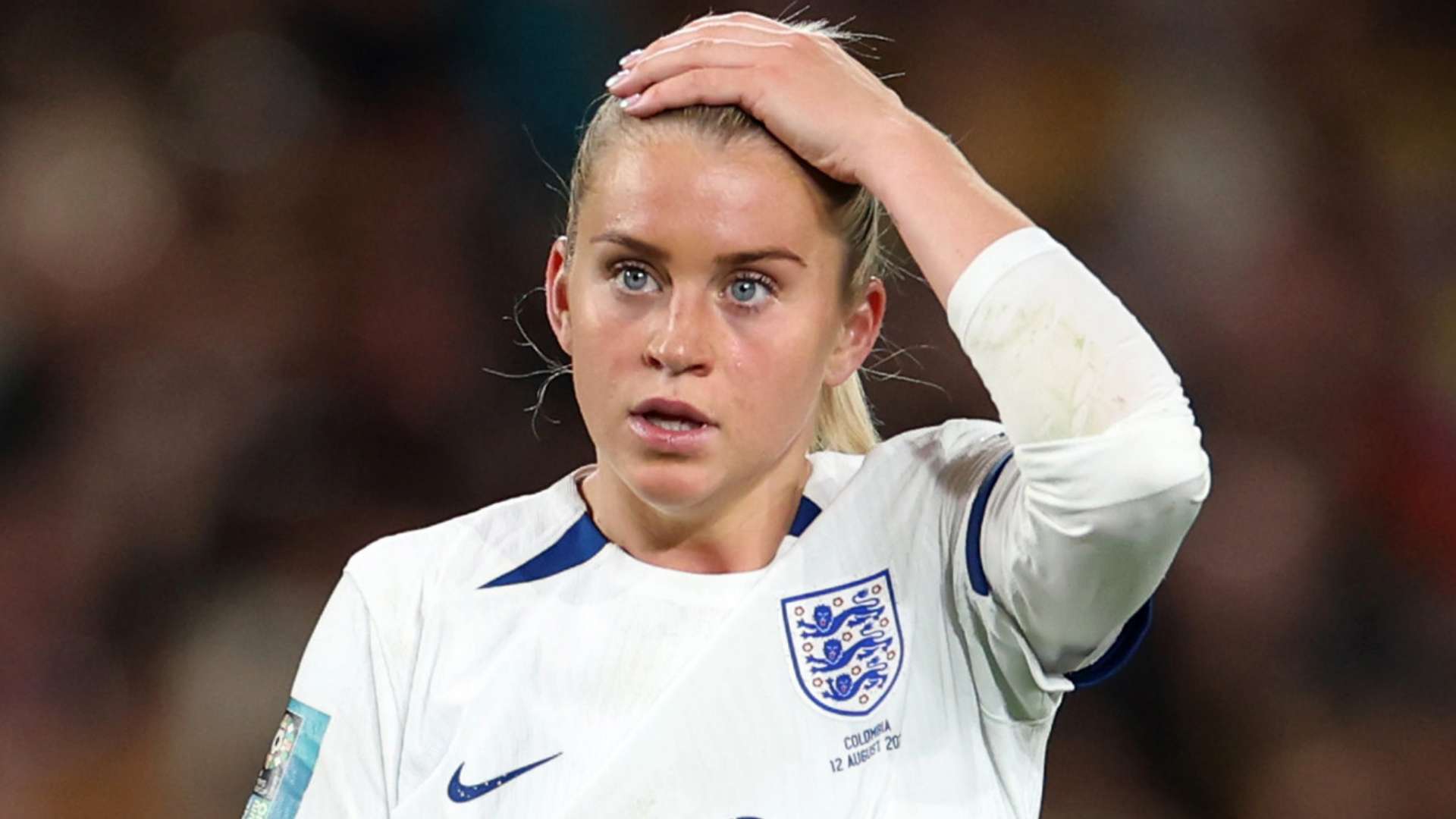
    Perhaps most infuriating for the women’s game is that there are some seemingly simple fixes. For example, while the 2019 World Cup kicked off in early June, last year’s started on July 20 and ended on August 20. The qualifying rounds for the Women’s Champions League then started on September 6. There were 17 days between Alessia Russo starting the World Cup final for England and playing in Arsenal’s first European qualifier. When was she meant to have a proper rest?

    And then there are things like FIFA expanding the squad sizes for the men’s World Cup in 2022 and not for the women’s tournament just seven months later. Yet, while the debate raged on about this, just as the women’s players were asking for help with the demands of the schedule, FIFA announced plans to introduce a Women’s Club World Cup. It’s not exactly reading the room.

    There are then other, slightly more complicated solutions that should be looked at, such as making the Olympic women’s football tournament an U23 event. Of course, it would be a tough sacrifice for players to make as to play at a Games is such an honour. But for the sake of the schedule, it would surely make sense to at least discuss this as a possible change.

  • Manchester City FIFA Club World Cup@Getty

    A problem for all of football

    As Miedema rightly points out, poor scheduling is also a problem on the men’s side. The World Cup, for example, is expanding in a ridiculous manner, with the new trend of multiple countries hosting these tournaments only adding more travel to players’ schedules, which isn’t good for recovery.

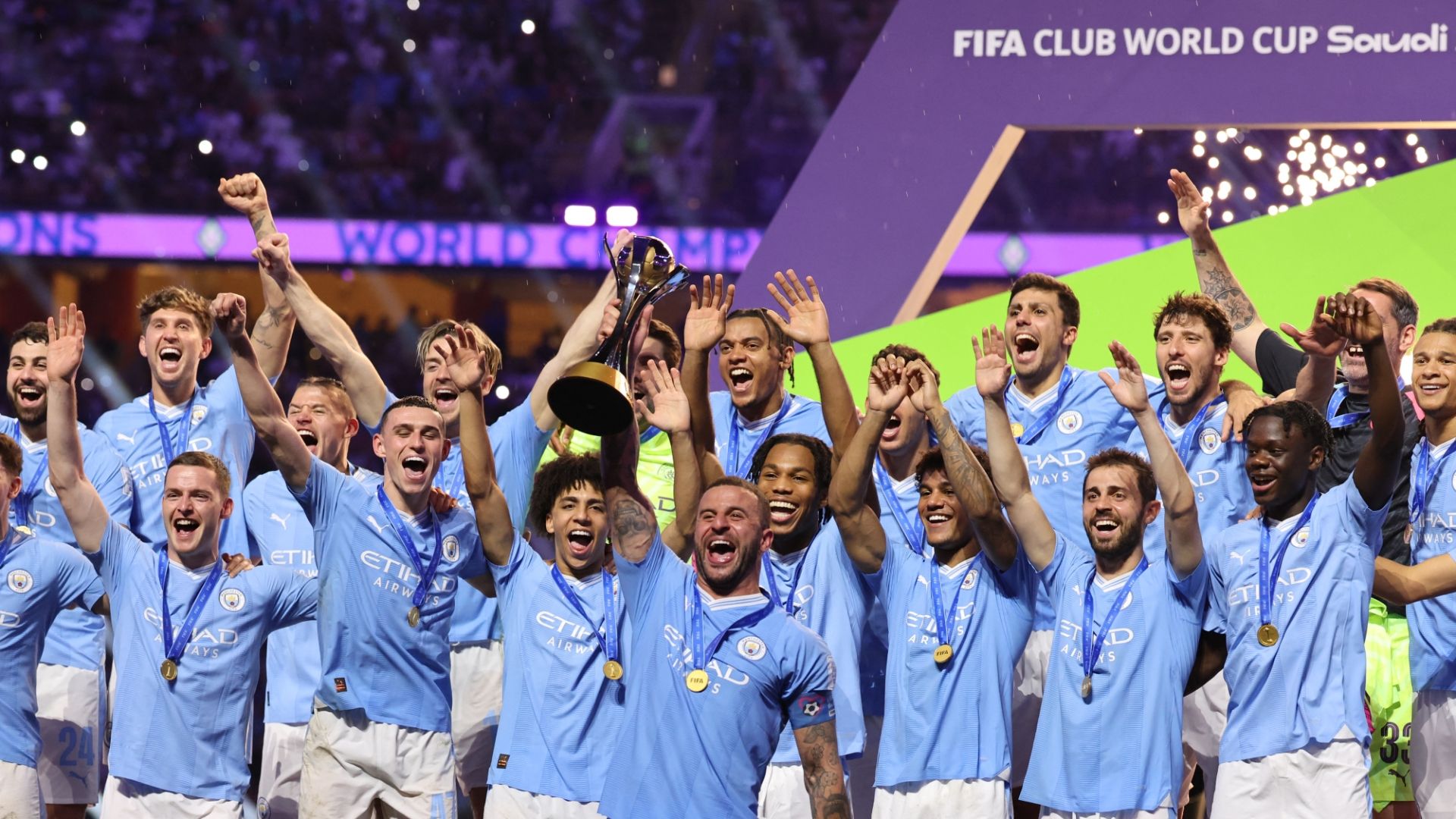
    The expanded Club World Cup could be detrimental to the health of players, too. From 2025, the competition will be played as a month-long summer tournament. It will rob many players of a rare summer off where they get to have proper rest. So many have spoken out about this, including players themselves, players’ associations, individual leagues and the World Leagues Forum, which represents professional leagues. However, there has been no sign of anything changing.

  • Vivianne Miedema ArsenaGetty

    Falling on deaf ears

    And that’s perhaps the biggest problem. Players and organisations are speaking out across football and yet, nothing seems to be happening to address their concerns. Quite the opposite, even.

    “The schedule that we follow, with training, playing and obligations to our club is killing us,” Miedema wrote in AD. “Last year, also with the Olympics, I’ve had two weeks off in total. That’s pretty extreme. For the last six, seven years, I’ve been pushing through non-stop. Eventually, that will take revenge.”

    It was just three weeks later that, as she ominously predicted, her body gave in and she tore her ACL. How many other players are in the same boat, in a position where their body is on the verge of breaking? It is horrible to say but until the problems in the women’s football calendar are addressed, we’ll probably find out.

0