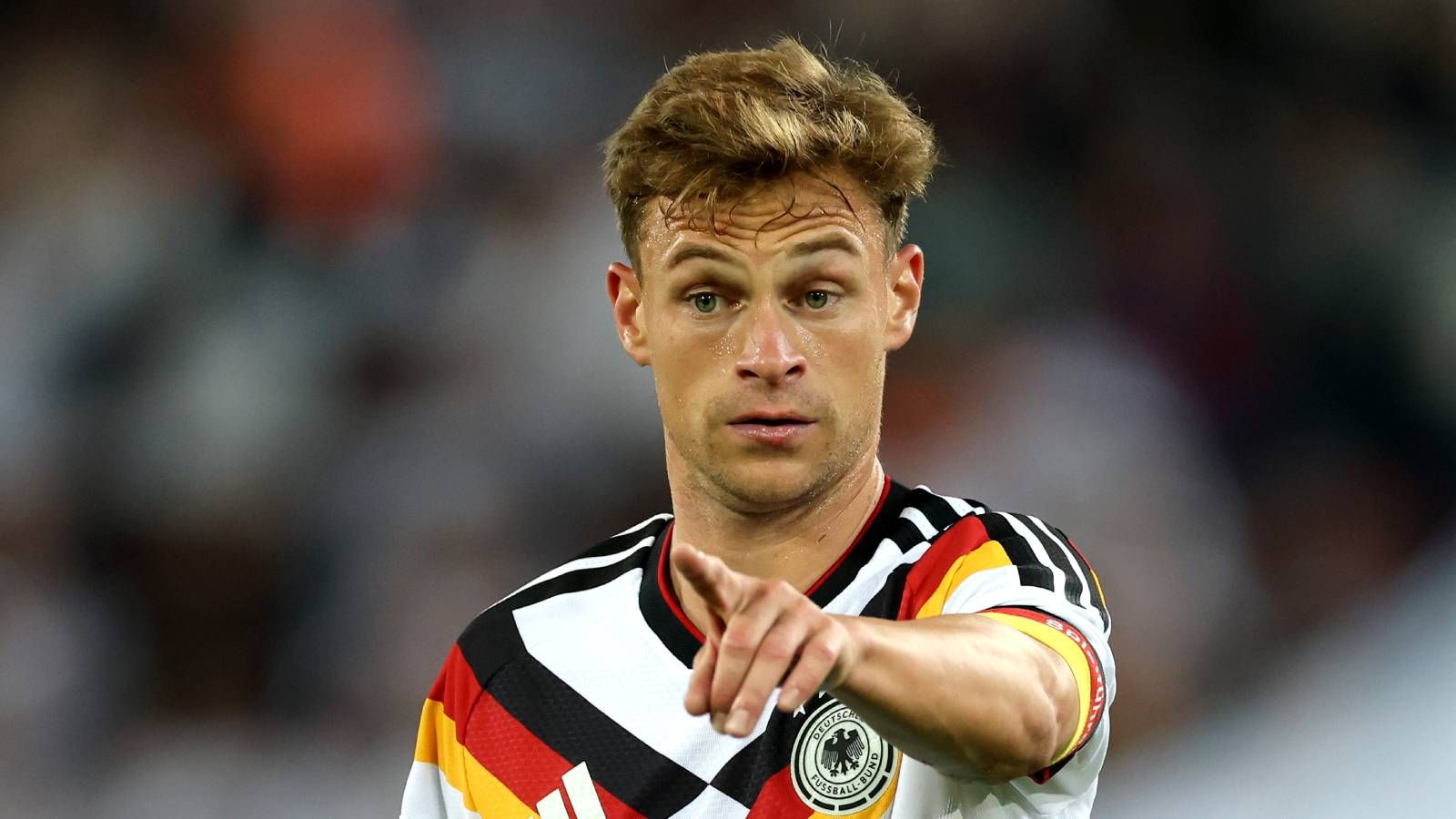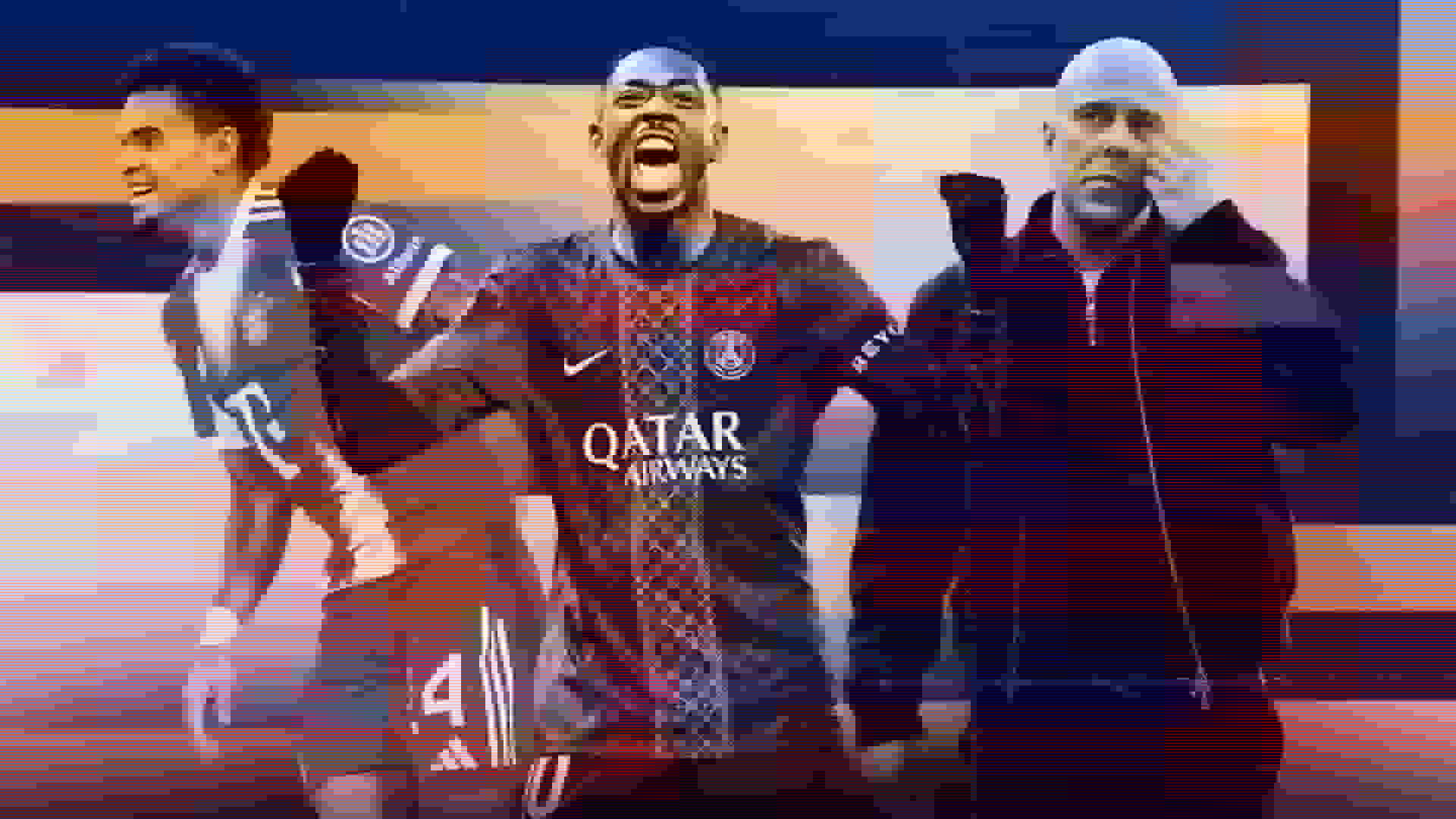
We are now less than seven months out from the 2026 World Cup finals in the United States, Canada and Mexico, with the group-stage draw set to take place in Washington DC on December 5. Forty-two participating nations are locked in, with four teams from the UEFA play-offs and two intercontinental winners set to complete the line up in March. All of the so-called elite countries will be there, from holders Argentina and arch-rivals Brazil, to Euro 2024 winners Spain and France.
European champions Spain have all-but qualified for next summer's World Cup after crushing Georgia 4-0 on Saturday evening. Two goals from Mikel Oyarzabal and strikes from Martin Zubimendi and Ferran Torres saw Luis de la Fuente's side maintain their 100 per cent record in Group E, on an evening when second-placed Turkey also defeated Bulgaria 2-0.
Dani Olmo has dismissed claims of significant tension within the Spain national team dressing room, despite the ongoing public dispute between Barcelona and the Spanish Football Federation (RFEF) regarding Lamine Yamal's latest injury withdrawal. The Barcelona midfielder insisted that "both sides want what's best for the player" and that the situation does not affect the squad.
Spain maintained their 100% 2026 World Cup qualifying record as they eased to a 2-0 win over Georgia on Saturday night. Goals from Yeremy Pino and Mikel Oyarzabal either side of half time was enough to La Roja to make it three wins from three as they maintain their unstoppable march towards the World Cup. Spain dominated from the outset and many had expected the Euro 2024 winners to put up a big score.
Paris Saint-Germain will attempt to prevent the injured Khvicha Kvaratskhelia from joining the Georgia national team after he was called up for their World Cup qualifiers. The French champions, already frustrated after Ousmane Dembele's recent injury on international duty, will attempt to prevent their star winger from travelling.
Barcelona are reportedly planning to block Lamine Yamal from being called up by Spain for their upcoming World Cup qualifiers against Georgia and Bulgaria as the fallout from the forward’s recent groin injury continues. The Blaugrana were incensed after discovering the 18-year-old aggravated a groin issue by taking painkillers to play in his country’s international double header earlier this month.
Manchester United, often simply referred to as "United," are one of the most iconic and successful football clubs in the world, based in Old Trafford, Greater Manchester, England. The club was founded as Newton Heath LYR Football Club in 1878 by the Lancashire and Yorkshire Railway depot at Newton Heath. The team changed its name to Manchester United in 1902 and moved to its current home, Old Trafford, in 1910.
Famous players
Manchester United have been home to some of the greatest footballers in history. Sir Bobby Charlton, a World Cup winner with England in 1966, is arguably the most iconic figure in the club's history. Other legendary players include George Best, known for his flair and skill, and Eric Cantona, who brought a winning mentality to the club during the 1990s. More recent stars like Cristiano Ronaldo, Wayne Rooney, and Paul Scholes have also contributed significantly to the club's success.
Honours
Manchester United are one of the most decorated clubs in English football, having won a record 20 Premier League titles (formerly the First Division). They have also lifted the FA Cup 12 times, the League Cup five times, and the UEFA Champions League three times. The club's dominance in English football was particularly evident during the 1990s and early 2000s under manager Sir Alex Ferguson.
Managers
Sir Alex Ferguson is undoubtedly the most successful manager in Manchester United's history. He spent 26 years at the club, leading them to an unprecedented era of success. Before Ferguson, managers like Matt Busby and Wilf McGuinness played crucial roles in shaping the club's identity. More recent managers, including David Moyes, Louis van Gaal, and José Mourinho, have faced the challenge of maintaining the club's high standards.
Stadium
Old Trafford, often referred to as the "Theatre of Dreams," is one of the most famous stadiums in the world. With a capacity of roughly 75,000, it is among the largest football stadiums in the United Kingdom. The stadium has hosted numerous major matches, including UEFA Champions League finals and FIFA World Cup matches.
Location
Manchester United are based in the city of Manchester, which is located in the northwest of England. The club's home ground, Old Trafford, is situated in the Trafford borough. Manchester is a major industrial city with a rich footballing heritage.
Owners
In February 2024, British billionaire Sir Jim Ratcliffe's company, INEOS, acquired a significant 25% stake in Manchester United. This acquisition granted Ratcliffe sporting control over the club, placing him in a position to influence key decisions related to its operations.
Ratcliffe has already made a substantial financial commitment to Manchester United. His large investments demonstrate his dedication to the club's success and his willingness to provide the necessary resources for its growth.
자주 묻는 질문
Quando è nato il Milan?
Il Milan è nato nel 1889 con il nome di Milan Football and Cricket Club. La data non è certa, ma il club la fissa tradizionalmente nel 16 dicembre.
Chi è il presidente del Milan?
Paolo Scaroni, dirigente e banchiere italiano, è il presidente del Milan. Il proprietario del club rossonero è invece la società americana RedBird Capital Partners, fondata da Gerry Cardinale.
Come si chiama lo stadio del Milan?
Lo stadio del Milan è chiamato Giuseppe Meazza in onore dell'attaccante dei primi del '900. L'impianto è denominato anche San Siro, in virtù della zona di Milano in cui si trova.
Qual'è la capienza di San Siro?
San Siro, o il Giuseppe Meazza di Milano, ha una capienza di 75.817 posti a sedere. Il Milan condivide lo stadio con i cugini dell'Inter.
Quanti Scudetti ha vinto il Milan?
Il Milan è la terza squadra per Scudetti vinti in Italia. Dietro Juventus (36) e Inter (20) c'è la società rossonera con 19, a un passo dalla seconda stella.
Quante Champions ha vinto il Milan?
Il Milan è la squadra italiana con più Champions League vinte e la seconda in assoluto dietro al Real Madrid. I rossoneri hanno conquistato sette trofei nel corso della propria storia.
Quanti trofei ha vinto il Milan?
Il Milan ha vinto 31 trofei in Italia tra Scudetti, Supercoppa Italiana e Coppa Italia, oltre ad altri venti titoli in giro per il Mondo, di cui anche due Coppa delle Coppe. Il totale è dunque di 51 trofei.
Perché il Milan si chiama così?
Fondata da un gruppo di italiani ed inglesi a Milano, il club venne chiamato con il nome inglese della città, di fatto Milan. Per un periodo la squadra divenne Associazione Calcio Milano per volere fascista.
Perché il Milan gioca in rossonero?
Herbert Kilpin, principale fondatore del Milan e primo allenatore, scelse il rosso per rappresentare il fuoco dei giocatori e il nero come paura degli avversari nell'affrontrare gli stessi.
Perché il simbolo del Milan è un diavolo?
Il Milan scelse i colori rosso e nero per creare una squadra di Diavoli in grado di mettere paura agli avversari. E così, tramite i colori ufficiali del club, arrivò anche il soprannome e il noto simbolo.
Chi ha segnato più goal nella storia del Milan?
Lo svedese Gunnar Nordahl è il miglior marcatore nella storia del Milan con 221 goal. Il record del 'Pompiere' resiste dal 1956, anno in cui ha lasciato i rossoneri.
Chi ha giocato più partite con il Milan?
Paolo Maldini è il giocatore con più presenze in maglia Milan, ben 902. Il difensore rossonero è anche il più titolato, con 26 trofei nella sua lunga carriera
Come è soprannominato il Milan?
Oltre ad essere chiamato club rossonero in virtù dei colori, il Milan è soprannominato anche Il Diavolo. In alcune occasioni i suoi giocatori sono denominati anche Casciavìt.
Quale allenatore ha più panchine con il Milan?
Nereo Rocco è l'allenatore che ha il record di panchine alla guida del Milan, 459. Il 'Paron' ha guidato i rossoneri in tredici stagioni, vincendo anche due Champions League.
Perché i giocatori del Milan sono i Casciavit?
Nel ventesimo secolo i tifosi milanisti furono prevalentemente di estrazione proletaria: per questo motivo venivano chiamati casciavit - cacciaviti - per sottolineare l'origine popolare in contrapposizione ai fans dell'Inter, principalmente borghesi.