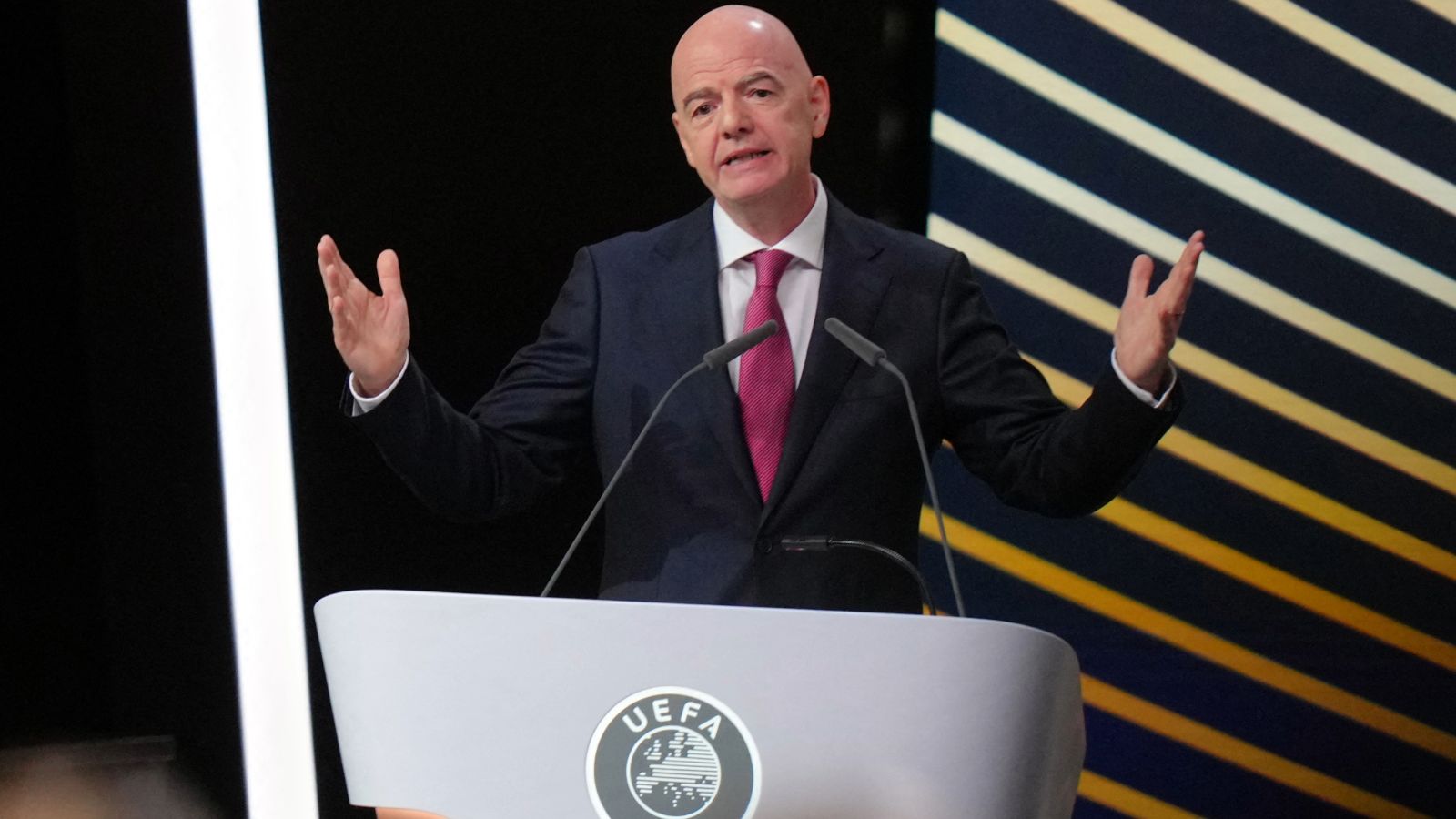


Liverpool captain Virgil van Dijk has offered a frank assessment of his side's disappointing performance following a 2-0 defeat to Paris Saint-Germain. The Reds were left with a significant mountain to climb in their Champions League quarter-final after goals from Desire Doue and Khvicha Kvaratskhelia secured a commanding first-leg lead for the French giants.
Fabian Ruiz was omitted from the PSG squad for the first leg of the Champions League quarter-final against Liverpool FC, even though he was reportedly fit to play. The decision has sparked discontent within the club.
Sources close to the Parc des Princes say the Spaniard’s exclusion came as a surprise, given his recent training performances and the club’s need for creativity in midfield. Ruiz himself is said to have expressed frustration at being left out, though he has not commented publicly.
For PSG, the timing could not be worse. With key matches against Liverpool and a crucial league run-in approaching, internal harmony is essential. Manager Christophe Galtier must now manage both the tactical and psychological fallout, ensuring that squad morale does not affect results on the pitch.
Supporters, too, have taken note. Social-media feeds are filled with debates over the snub, many pointing out that Ruiz’s ability to link defence and attack could prove vital against Jürgen Klopp’s hig
Kobarsi’s sudden dismissal has left Barça teetering on the brink of collapse. The board’s decision to sever ties with the experienced coach has sent shockwaves through the dressing room and raised serious questions about the club’s short-term stability. With no obvious successor in place, the leadership vacuum could derail the team’s already fragile season. Supporters, who had grown accustomed to seeing their side challenge for major honours, now fear a prolonged period of uncertainty. The timing could hardly be worse: key fixtures against division rivals loom large, and without a steady hand on the till, Barça risks slipping out of the European places altogether.
The Rojiblancos goalkeeper has insisted that the match itself is not worth the controversy, a defiant statement that underscores his belief that the furore surrounding the fixture is disproportionate. Speaking after the final whistle, the experienced shot-stopper argued that while the encounter was physically demanding and emotionally charged, it did not justify the weeks of media speculation and fan rhetoric that preceded it. His remarks are likely to fuel further debate among supporters and analysts alike, given the club’s rich history and the intense rivalry at stake. Nevertheless, the goalkeeper’s calm assessment reflects a growing sentiment within the dressing room that performance on the pitch should speak louder than off-field noise. By downplaying the significance of a single result, he appears determined to keep the focus on long-term objectives rather than short-term headlines.
What lies in store for Atlético in the second leg? The question hangs heavy over the club’s supporters and staff alike as they prepare for the decisive encounter. Having secured a slender advantage in the first meeting, Diego Simeone’s side now knows that ninety minutes of intense focus, disciplined tactics and clinical finishing could secure a place in the next round. Yet the opposition will not roll over; they too have studied the video, identified weaknesses and honed set-pieces. For Atlético, the challenge is twofold: first, to defend with the kind of organised solidarity that has become their hallmark; second, to exploit the inevitable gaps that will open when their opponents push forward in search of goals. The return fixture promises high stakes, nervy moments and, for the winners, a sweet reward.
The Blaugrana manager vented his anger at the referees, delivering a post-match tirade that left little to the imagination. In a dressing-room soundbite captured by club microphones, he lambasted the officials for a series of “clear” decisions that had, in his view, swinged the tie. His choice of words—blunt, unfiltered, laced with frustration—echoed through the corridors of the stadium long after the final whistle. For Barça supporters, the outburst felt familiar: a seasoned coach, frustrated by fine margins, lashing out at the men in black. Yet critics pointed out that such public criticism, while passionate, risked drawing disciplinary fire from La Liga’s governing body. Either way, the debate raged on; the manager’s fury had become the talking point, overshadowing even the match itself.
Yes, Munich is a great location for a day trip. Most landmarks and attractions are close to each other, but just make sure you have an airtight itinerary to make the most of it.
Is Munich a walkable city?
This is a definite yes, because it has been crowned the most friendly city to explore on foot in Europe. Most places in within walking distance of each other, which makes it so good for a day trip and saves you money on travel.
How much money do you need per day in Munich?
Factoring in activities and food, you can set your budget anywhere starting from €60 to upwards of €200+. Of course, this all depends on what sort of activities you do in Munich and where you dine. But, if you're looking to visit Munich on a budget, then this is doable with the lower end of the numbers. Especially if you stick to free admission attractions or budget-friendly ones. In terms of food, there will be plenty of options from quick bite restaurants to the fancier options, so there is something out there for everyone.