

The defeat to Manchester City was not just another setback at the start of a season that was supposed to carry so much hope for Manchester United. It dragged back to the surface a set of old questions the club thought it had started to shed. When United lose to an opponent reduced to ten men before half-time, for the third time in less than ten months, you cannot pin the blame on a refereeing decision or a controversial goal.
Most of the noise after the one-nil loss at Old Trafford centred on the official apology from refereeing body PGMOL, who admitted an "error of judgement" over Erling Haaland's goal. Yet what is unfolding in the corridors at Carrington runs far deeper than that single incident.
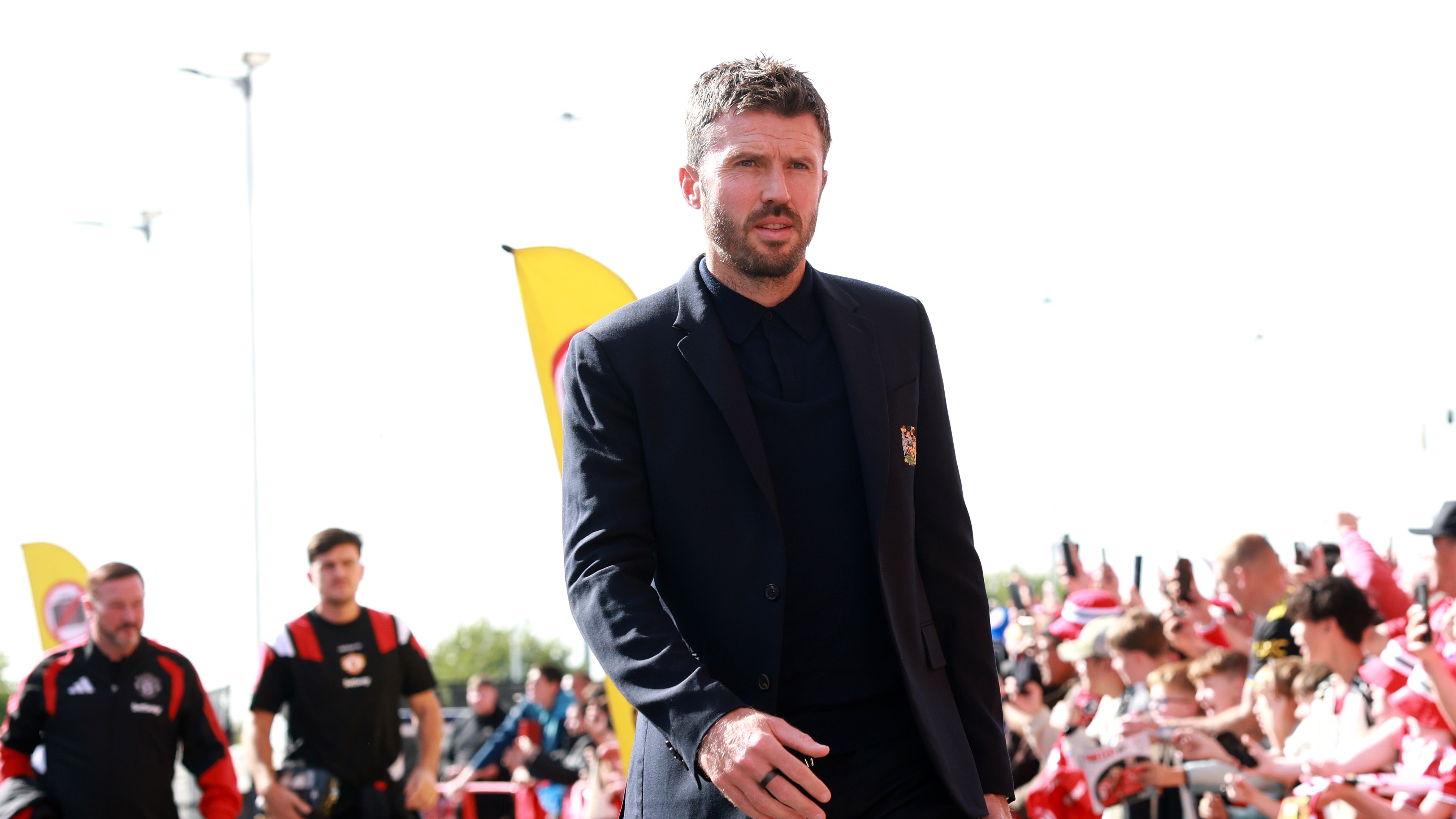
Michael Carrick's problem is no longer a single moment or a refereeing call. It is the image of a team that has collected just four points from its first four matches, with only one win to show for it, and that came against newly promoted Ipswich Town.
Carrick had earlier refused to call four points from the first three games, including last weekend's meeting with Everton, a bad start. The coach now knows the reality is different. Four points from four matches falls well short of the expectations heaped on Manchester United.
"We do not need a break or a fresh start, we just have to move forward and return to the winning path," Carrick said after the City defeat. Time, though, does not appear to be on his side. Manchester United host Brighton in the League Cup on 16 September, then travel to Fulham just four days later.
You can discuss topics and news in greater depth in the "Kooora" forums
Carrick needs a clear reaction and a convincing performance at the very least. Otherwise the three-week international break turns into open season for questions and criticism about why the team fell apart at Old Trafford, according to "BBC Sport".
Three times in less than ten months, Manchester United have failed to handle an opponent playing with ten men from before the break. That is one of the most worrying signs. A numerical advantage should hand the stronger side more scope to dictate the rhythm, ramp up the pressure, exploit the spaces and turn the game into a relentless attack.
Against Manchester City, none of that happened. Phil Foden's red card proved the turning point, as City coach Enzo Maresca admitted afterwards. He also pointed to a striking tactical paradox: playing with ten men forced his side to drop back and shut down the spaces, robbing United of the weapon they lean on most, the counter-attack.
Maresca said: "They are a team that loves counter-attacks and exploiting the spaces behind the defensive line.. and when we played with ten men, we dropped back and waited for them, which prevented us from being exposed to counter-attacks or giving them spaces behind us. That is why the match became more difficult for us and for them alike."
And so one of the big questions lands squarely on Carrick's desk. Does Manchester United have the tools to unpick a team that closes the spaces and drops deep, or does this side still rely far too heavily on the gaps its opponents leave behind?
.jpg?auto=webp&format=pjpg&width=3840&quality=60)


