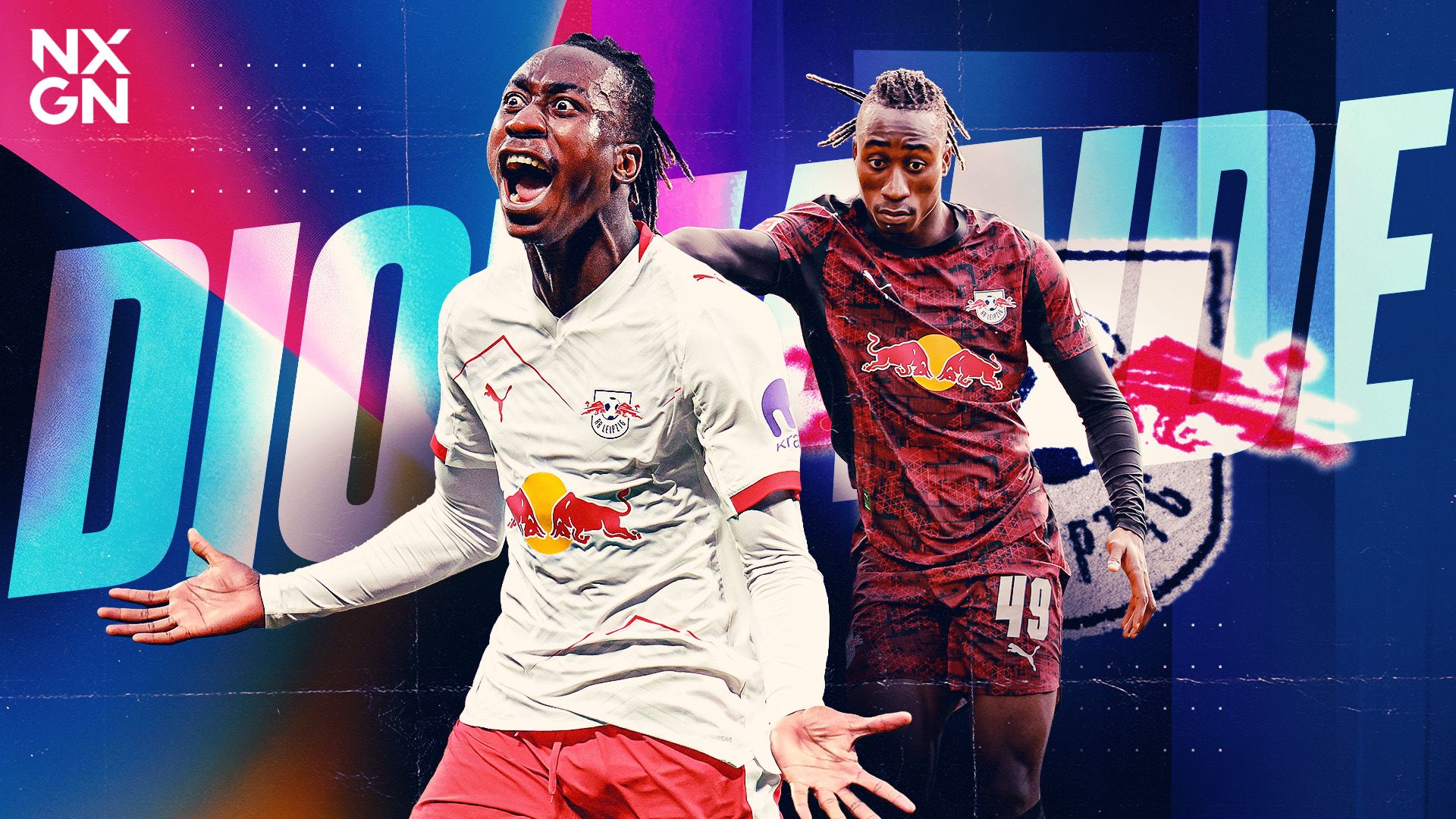
The Spanish newspaper compared Diomande's performances on the right and the left to work out where he plays better.
On the right, he usually receives the ball at his feet in a wide position, hugging the touchline, and takes a more cautious approach. He collects the ball, draws his marker, assesses the situation and, if he is unsure, tries again.
Playing with his natural foot, he looks to find space on the wing, reach the byline and then pass the ball back. Standing still or on the move, he tends to beat his defenders through physical strength, power and a change of pace, rather than dribbling.
His diagonal run towards the centre lacks the precision of a naturally left-footed player like Olise, and that is understandable. His left foot remains a tool more than a weapon, despite the several goals it produced last season when he shifted the ball onto it at the last moment on the edge of the box. Even so, he tends to use it in long, winding runs to beat opponents.
Here lies the fearsome strength he generates. Even without mastering that move towards the centre, he has found an "escape route" against deep defences that block his path from the outside: dragging opponents across to attack the front or the weak side with a cross.
The figures back it up. On the right wing, Diomande creates more chances per 90 minutes. He dribbles more (4.41 against 3.23), completes more crosses (0.91 against 0.67) and plays more passes into the box (2.21 against 1.48). His shot volume is higher (1.7 against 1.48), as are his expected goals (0.21 against 0.16). He also loses the ball more often, though (2.21 against 1.48).
.jpg?auto=webp&format=pjpg&width=3840&quality=60)
.jpg?auto=webp&format=pjpg&width=3840&quality=60)


