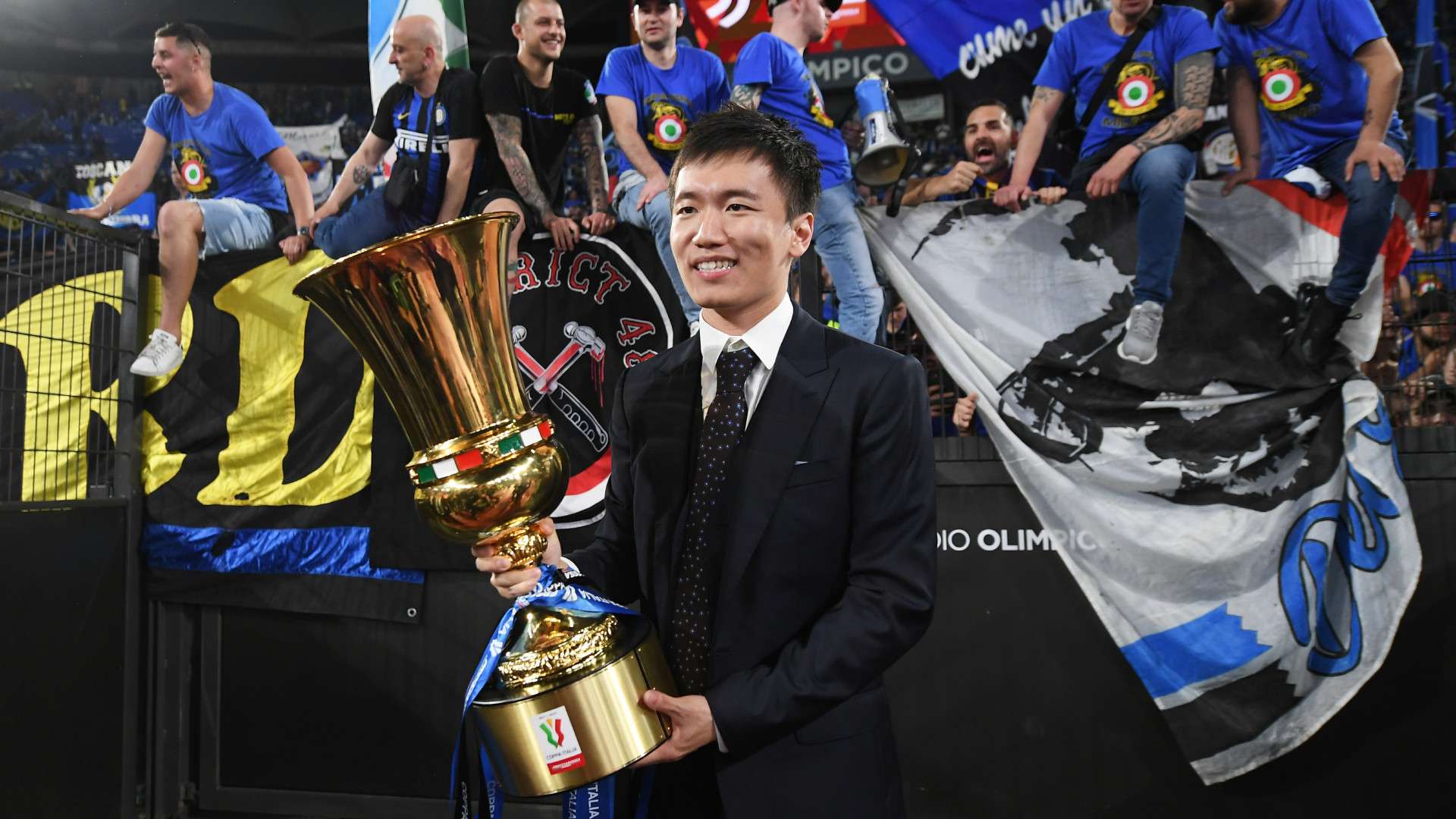
Discover how financial instability and domestic economic pressures caused Chinese conglomerate Suning to lose control of Inter Milan. Faced with mounting debts, the owners secured a €275 million, high-interest rescue loan from Oaktree Capital to keep the club afloat. When a billion-euro sale failed to materialize before the deadline, this distressed-debt gamble ultimately handed ownership of the iconic football club over to the lenders.
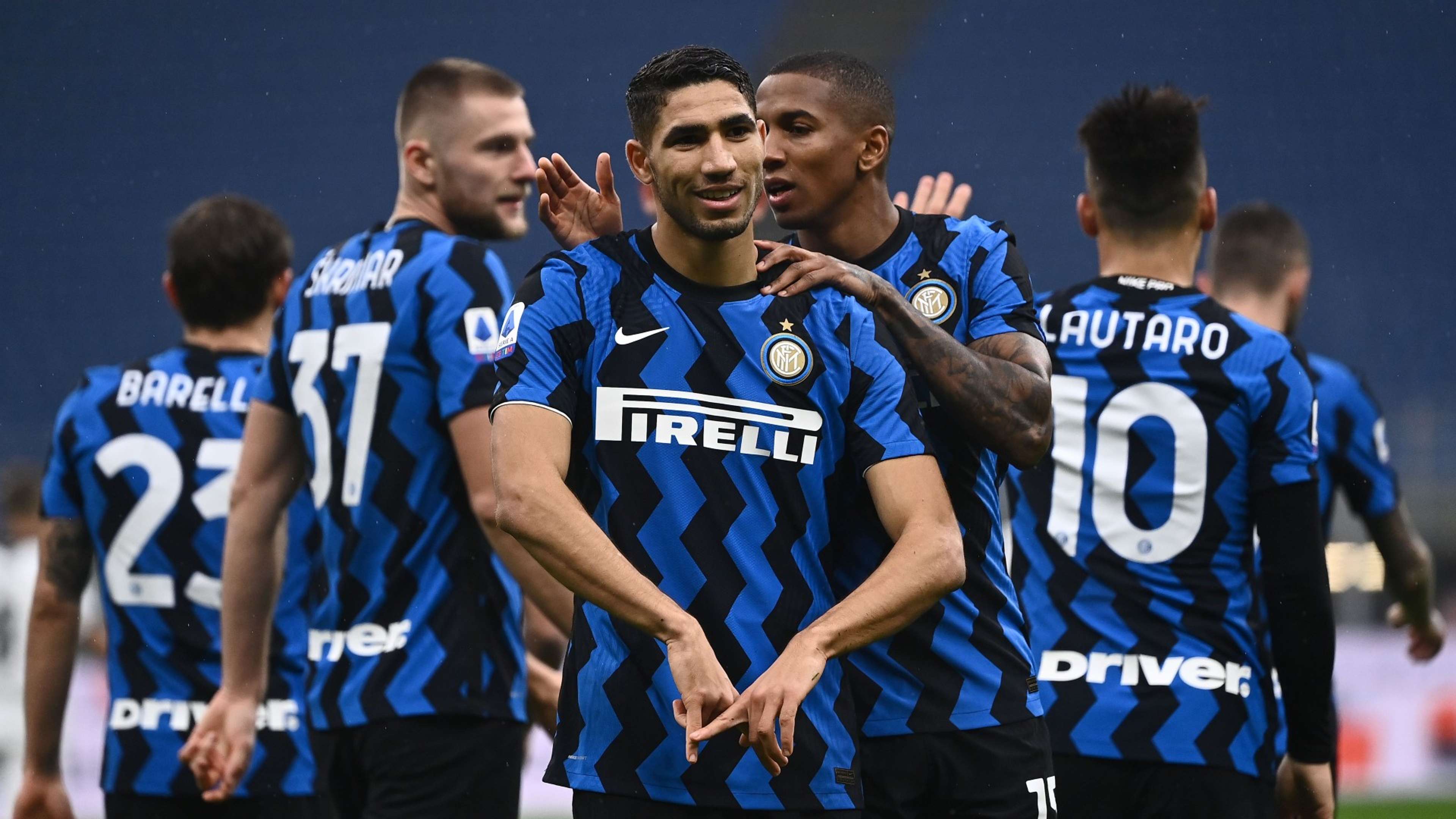
How did Inter Milan become a sophisticated debt machine? From issuing €300 million in bonds in 2017 backed by future broadcasting and sponsorship rights, to refinancing at higher interest rates in 2022—the club has succeeded on the field while “selling tomorrow” to finance today.
How Chinese owners Suning turned Inter into Serie A champions and Champions League finalists with massive spending — only for mounting debts, COVID losses, and failed sponsorships to hand the club to Oaktree. A must-read financial autopsy of winning without sustainability.
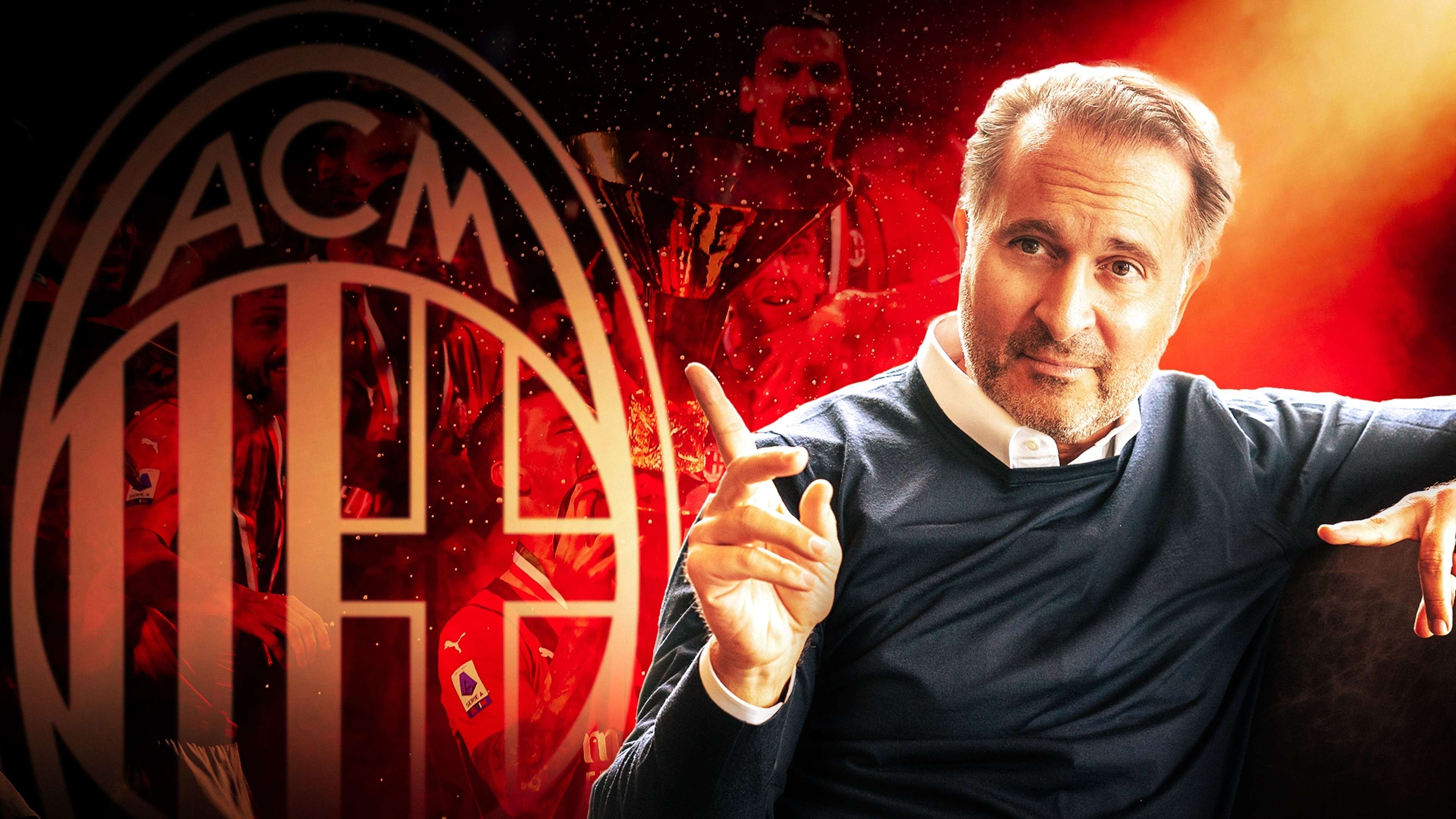
The world of football is increasingly influenced by money. Investors from the private equity sector in particular are playing an ever greater role in this. Takeovers of clubs such as AC Milan, Chelsea and Olympique Lyon show that investors see international football as an interesting growth market.
The world of football is increasingly influenced by money. Investors from the private equity sector in particular are playing a greater role in this. The takeovers of clubs such as AC Milan, Chelsea and Olympique Lyon show that these investors see football as a new market for growth. In the Cleats & Cashflows newsletter, we look at this development. We discuss the opportunities this offers clubs, but also the risks involved.
This article analyzes the strategic evolution of Wrexham AFC, positioning the club’s recent partnership with Apollo Global Management not just as a financial milestone, but as a replicable "Blueprint" for minor league investors. It argues that the Wrexham model, combining celebrity ownership, global storytelling, and eventual institutional backing, has permanently changed the playbook for sports investment.
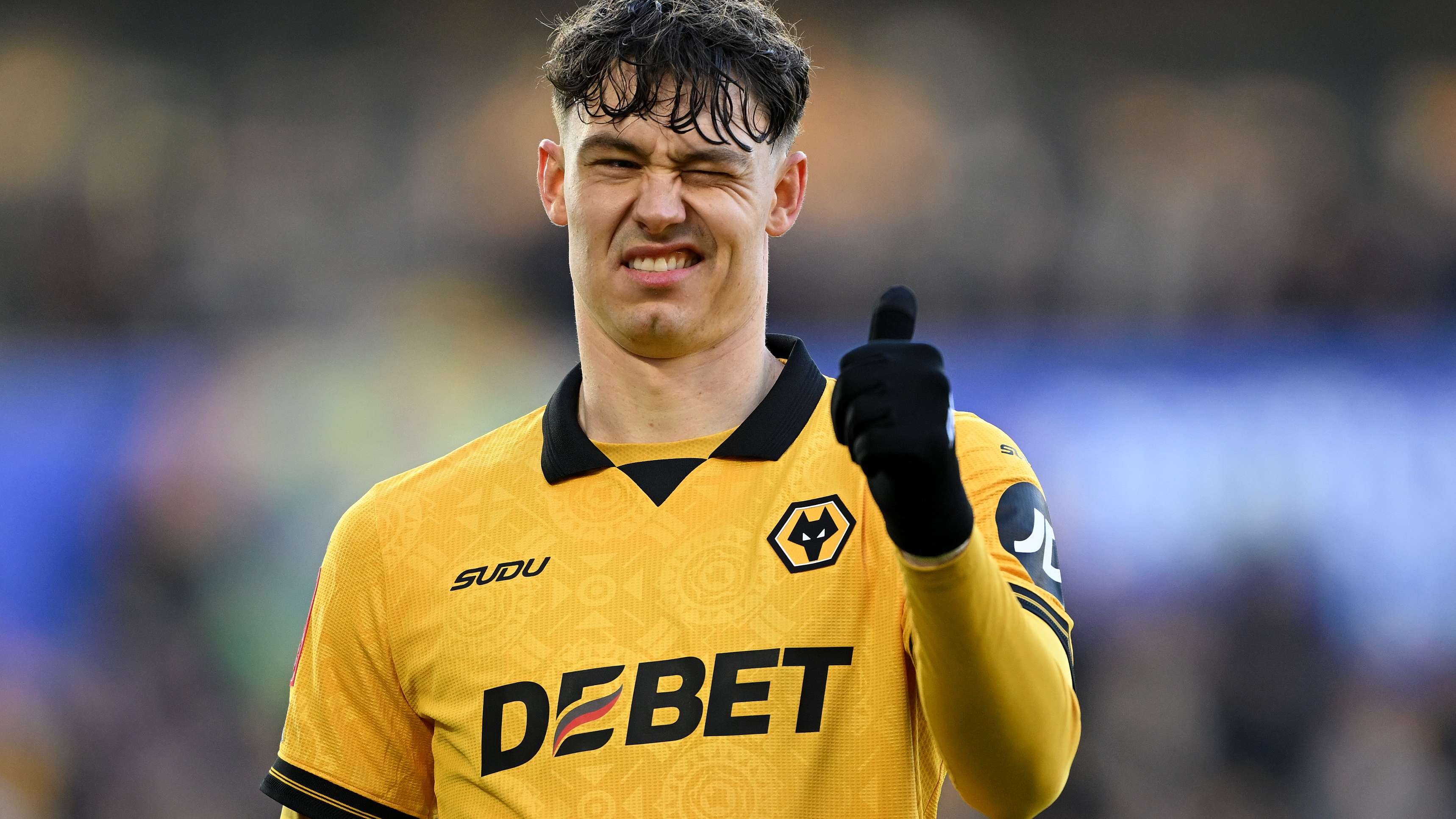
In 2020, Wolverhampton Wanderers were conquering Europe. Today, they sit at the bottom of the Premier League table. How did it go so wrong, so fast? This deep dive exposes the structural cracks behind the scenes: from a broken "Mendes-dependent" transfer model and a neglected stadium to a staggering 117% operating cost ratio. Discover the full extent of the mismanagement that turned a top-six contender into a club fighting for survival.
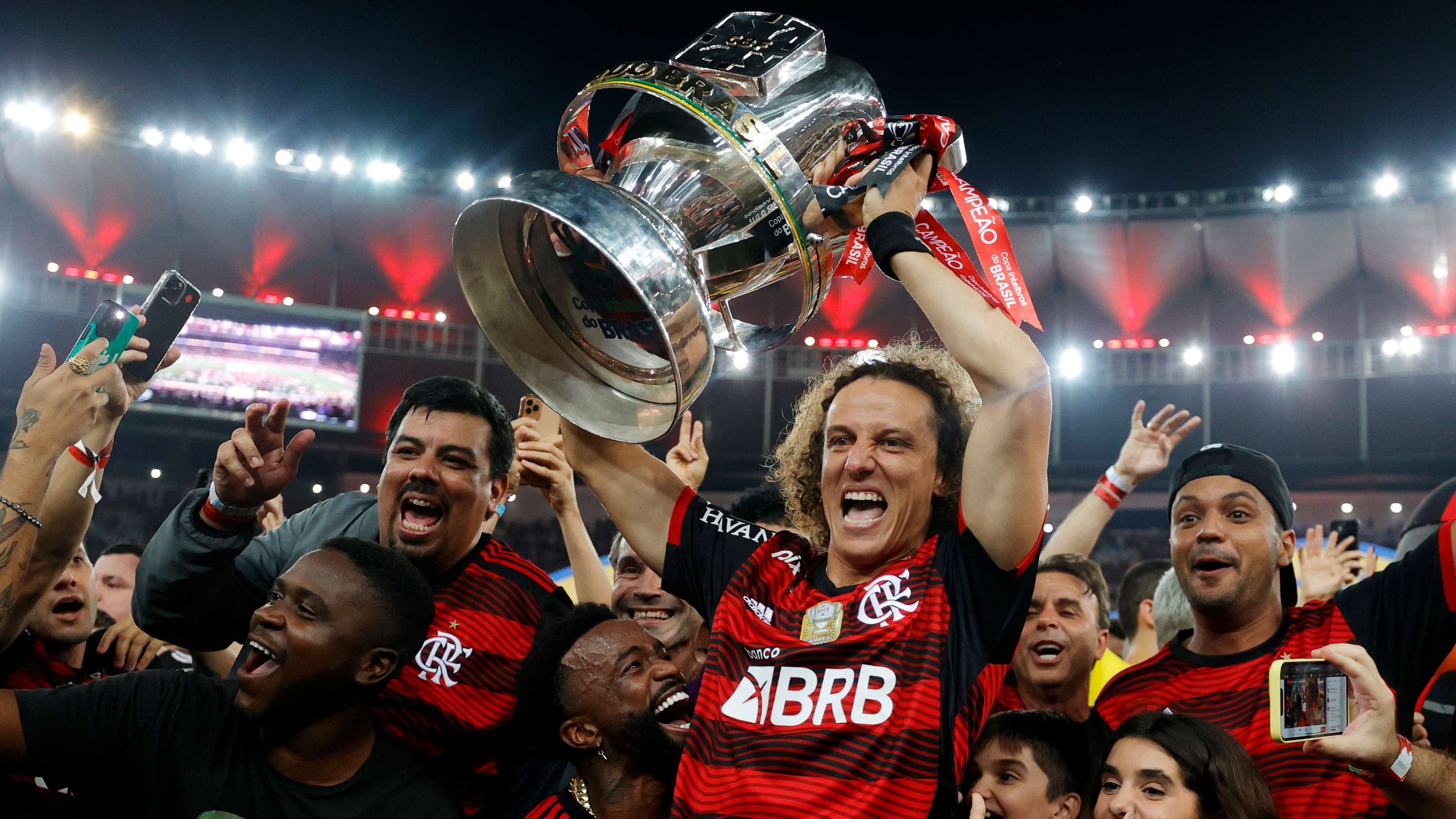
Explore a detailed financial analysis of a minority buyout scenario for Flamengo. Discover revenue projections, EBITDA valuations, and potential IRR of up to 33%. By utilizing a comprehensive financial model, the analysis highlights how transforming the club into a professional business entity can yield significant returns for global investors.
We explore how private equity could play the role of a modern Medici, fueling Fiorentina’s sporting and commercial renaissance. With a loyal fanbase, a world-class academy, and Florence’s cultural power as its canvas, La Viola may be poised to paint a new masterpiece on football’s European stage.
Flamengo, the “Crown Jewel” of South American football, located in the famous Rio de Janeiro, with stable finances and over forty million football crazy fans, presents private equity (PE) with an incredible opportunity to leverage its untapped potential to improve commercial and on-field performance. Building upon its both recent continental as well as global success provides PE with a perfect window to expand and build on Flamengo’s commercial potential, building it into a true global football powerhouse.
Once the home of Zinedine Zidane and one of France’s great football dynasties, Bordeaux now finds itself in the wilderness of the fourth tier. Yet beneath the ruins lies a sleeping giant waiting for revival.




.png?auto=webp&format=pjpg&width=3840&quality=60)