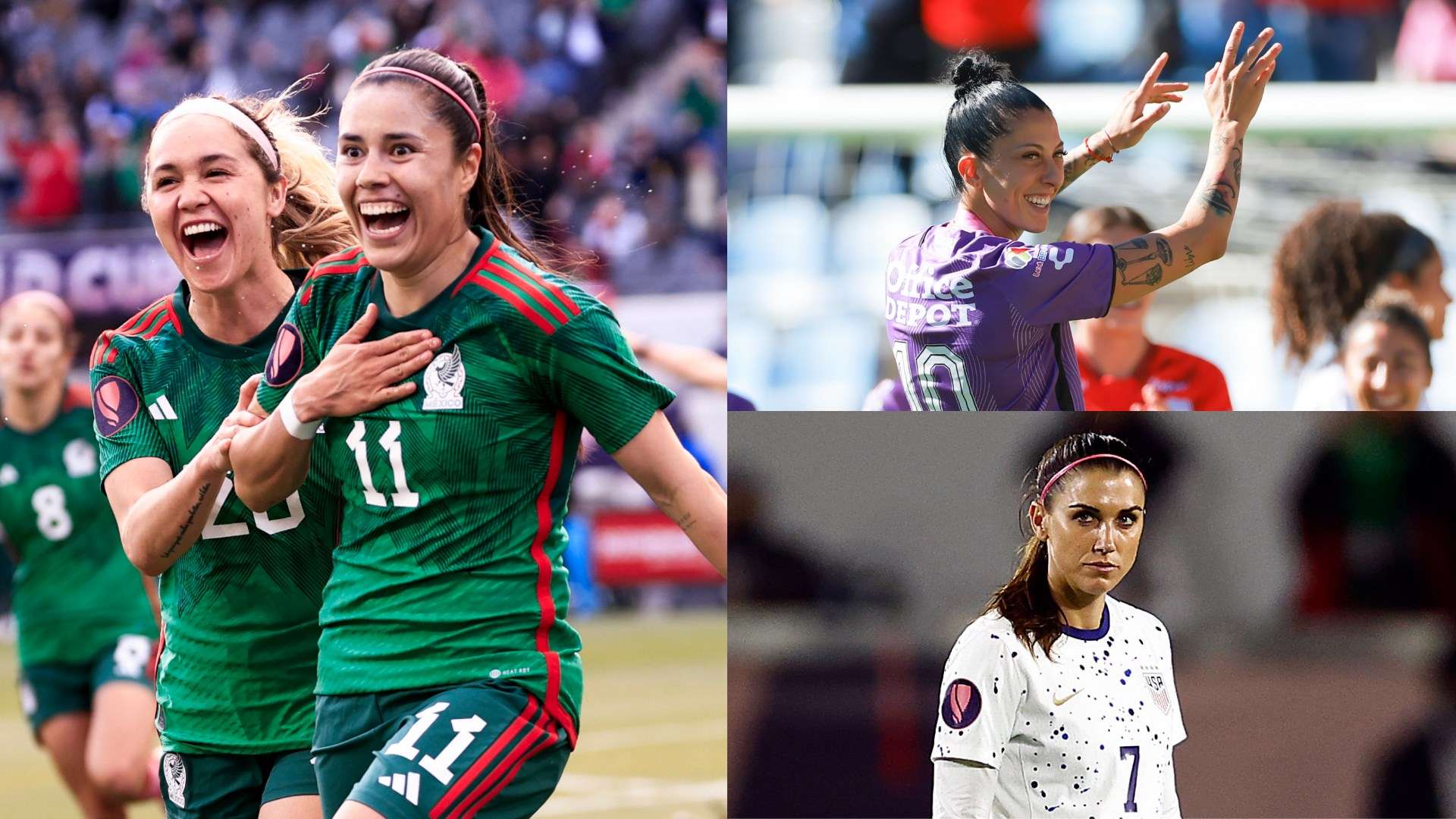
Mexico Jenni Hermoso Alex Morgan compositeGetty/GOAL

Inside the rise of Mexican women’s soccer: From Jenni Hermoso’s Liga MX arrival to a historic win over the USWNT

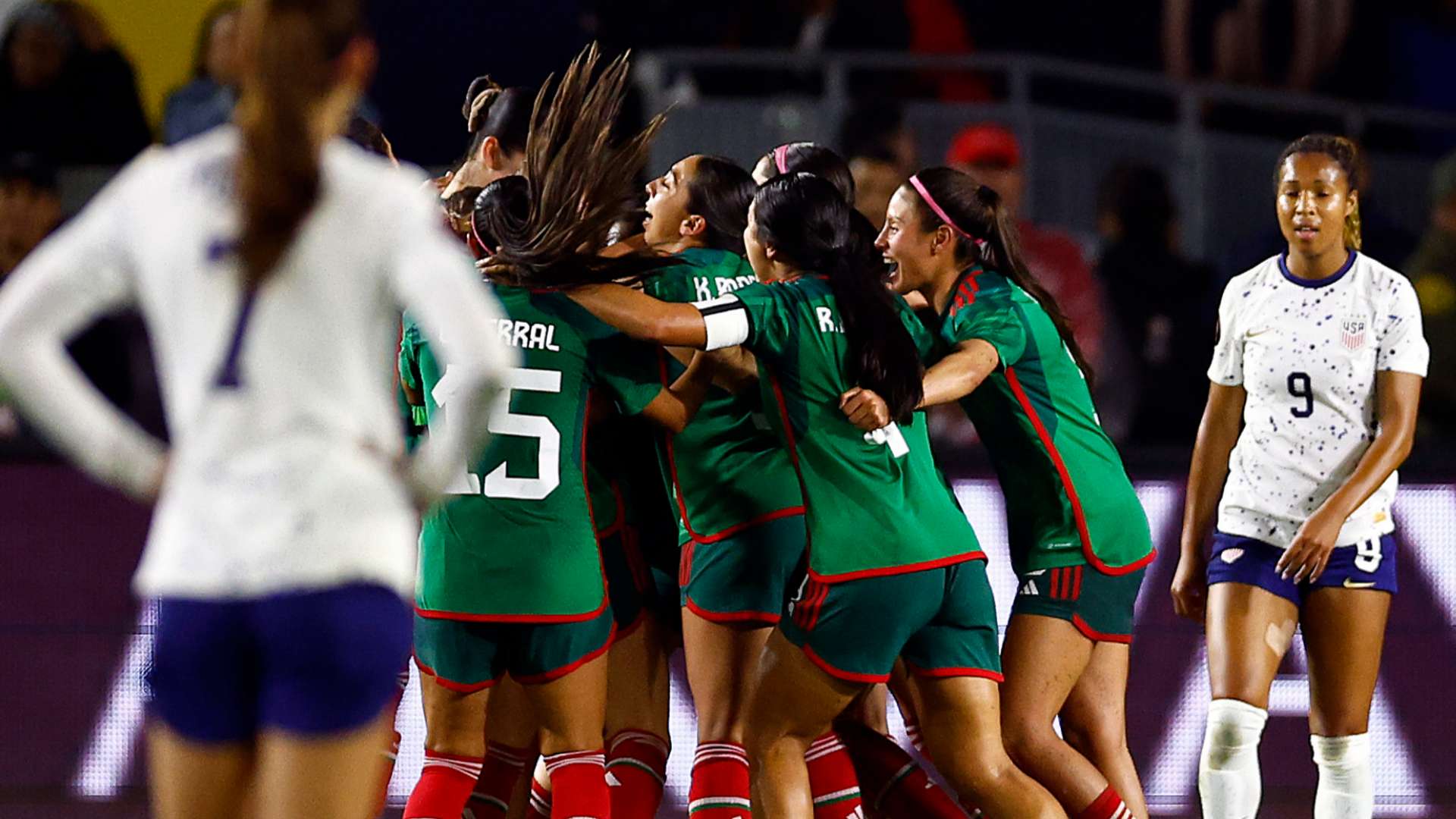
Mexico’s historic win over the United States women’s national team at the W Gold Cup seemed to come out of nowhere. The U.S. had won 16 games on the bounce against its neighbour, keeping clean sheets in each of the last six. Given Mexico hasn’t qualified for either of the last two World Cup tournaments or any of the last five Olympic Games either, even a USWNT in transition was expected to win this game.

Except that’s not painting the full picture. Mexico’s 2-0 triumph over the U.S., its first victory over the four-time world champion in 14 years, and its progression to the semi-finals of this Gold Cup, by way of an entertaining 3-2 win over Paraguay, have been anything but out of the blue.

For the last eight years, Mexico has been building towards a moment like the one it is enjoying right now. With a domestic league that is growing at an exponential rate, a focus on developing the next generation and some fantastic results for the national team at youth level, it has been a matter of when, rather than if, La Tri would piece it all together on the big stage.

And now that we are finally seeing it come to fruition, it feels like a watershed moment. “I think this is the start of a new era,” Lizbeth Ovalle, scorer of the first goal against the USWNT, said after that incredible win. She could well be right.

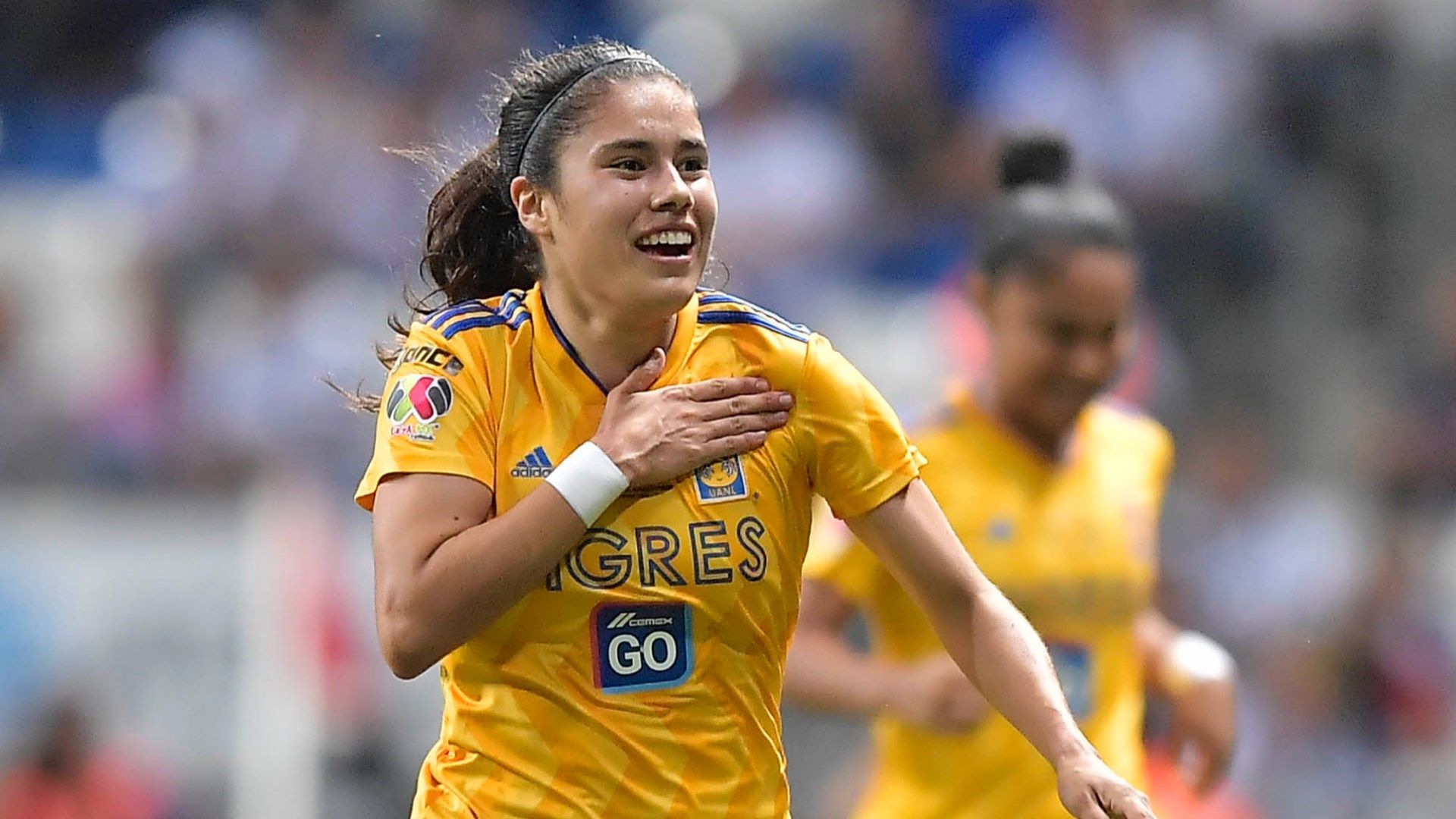
  • Tigres Monterrey Liga MX Femenil 2019Getty

    Change of direction

    Eight years ago, it was rare for Mexico’s top talent to be playing at home. Indeed, when La Tri last played at a Women's World Cup in 2015, just three names on its 23-player roster represented Mexican clubs. The top league in Mexico wasn’t professional and, with a lack of coverage and support, Mexican players were instead allocated in the NWSL, the top league in the United States.

    It meant lots of Mexico’s top talents could play in one of the best leagues in the world, but it’s hard for a nation to grow in women’s soccer when almost all of its stars aren’t even in the country. With there also concerns about the playing time that some of these players got in the U.S., in 2016 the Mexican Football Federation (FMF) decided to take a new route. Mexican players would stop being allocated in the NWSL and a new domestic league would launch instead: Liga MX Femenil.

  • Advertisement
  • Lizbeth Ovalle Tigres Femenil 2019Getty

    Focused on Mexico

    Liga MX Femenil has always had specific regulations in place to enhance the development of Mexican talent. To begin with, it was an Under-23 league with just two overage players allowed per club. All of these players had to be born in Mexico.

    Over time, these regulations have changed. The age limit was slowly and steadily raised until being removed completely, replaced by a rule that requires clubs to allocate 1,000 minutes of game time per tournament to U20 players and the establishment of an U17 league. Foreign-born Mexican players were permitted to participate from the third season onwards and each team was granted two international spots in season five, a number that has since grown to four.

    “The media or people always ask: ‘How can we take our best players offshore?’ And I always ask: ‘Why do we want to send our best players overseas and not bring the best players to our league?’” Mariana Gutierrez Bernardez, head of Liga MX Femenil, said in long conversation with GOAL during that fifth season. “Our vision is not to take our best players offshore, it’s that the best players come here because we are going to be that top league. We're very ambitious on that.”

  • Jenni Hermoso UANLGetty Images

    International flavor

    The league has since welcomed lots of international stars, including United States forward Mia Fishel, Nigeria goal-machine Uchenna Kanu, Colombia icon Catalina Usme and two former Barcelona stars, Andrea Pereira and Jennifer Hermoso, the latter of whom won the World Cup last year as a Pachuca player.

    The limits on these international spots and the rules in place regarding minutes for young players mean this star power doesn’t restrict Mexican talent, either. Compare Mexico’s 2015 World Cup roster to this year’s Gold Cup roster and it is totally different. Instead of just three players playing at home, now only three players play abroad. The U.S. is the only other nation at the Gold Cup to have so many of its players in its own domestic league.

    "Since international players are allowed to play in our league, I think that made the league take a huge step forward in terms of the physicality, in terms of tactical play," Itzel Gonzalez, who plays for Club America and Mexico, told ESPN. "I see different teams adopting different styles of play. I think that's really interesting to see how that's going to develop, having teams with stronger identities. The type of players that we have as a country are influencing the style of play in different teams and also obviously at the national-team level."

    Having these foreign players with different experiences is only beneficial for the young talent coming through, too. Can you imagine what Alice Soto, Mexico’s most promising teenage talent, has learned from playing alongside Hermoso? What an experience to get at 17 years old.

    Throw in the increased interest in Liga MX Femenil from abroad, which has resulted in numerous international friendlies for clubs across the league, against teams from the U.S., Germany, England, Spain and more, and the players and teams across Mexico are getting plenty of opportunities to improve.

  • Promise for the future

    That minimum game time rule that Liga MX Femenil has put in place for Mexico’s young talent is also, unsurprisingly, having an impact on the youth national teams. Last year, La Tri won the CONCACAF U20 Championship for just the second time in its history, beating Canada in the semifinals and the U.S. in the final.

    Mexico has always had a team capable of challenging for CONCACAF honors at youth level, consistently reaching finals with the U20s and U17s, but to get over the line and win the whole thing felt significant.

    The federation’s big challenge has been in progressing these young talents through the national-team setup in a fluid way that helps it grow into a team that could also have success at senior level. Appointing Monica Vergara, a woman who led Mexico to its first World Cup final at any level with the U17s in 2018, as head coach of La Tri in 2021 felt like a step in the right direction, then.

  • Mexico Haiti Women 2022Getty

    Worst nightmare

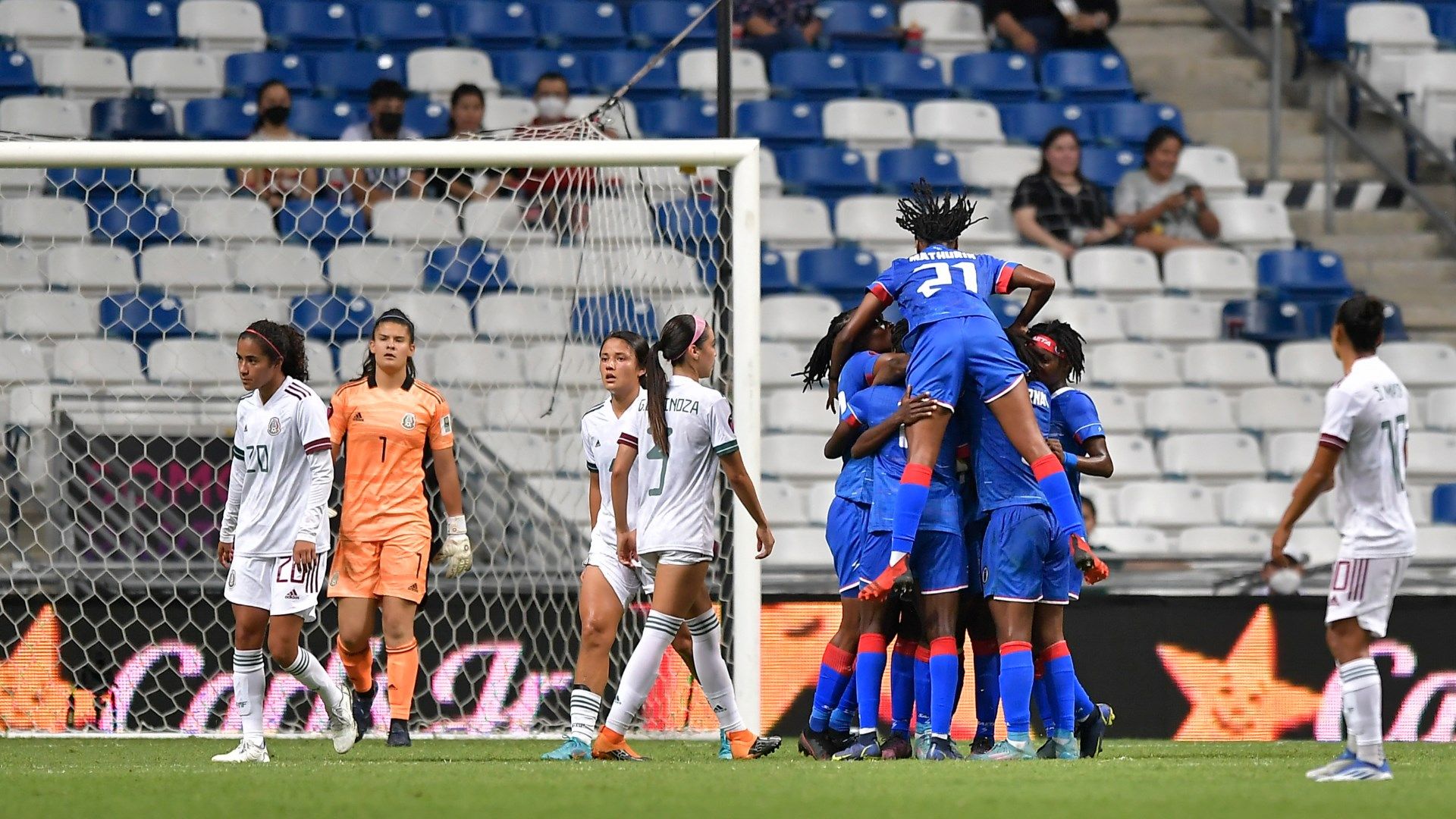
    Except it turned into a disaster. Vergara had done such a good job in developing a talented generation of Mexican players and she had coached both the U17s and U20s to some fantastic results. But Mexico crashed out in the group stages at the 2022 CONCACAF W Championship, a tournament it hosted, meaning it would not qualify for the 2023 Women’s World Cup or the 2024 Olympic Games. Vergara’s time was up.

    “It was the moment Mexico wanted to showcase this new era off the back of a five-year professional league,” Andrea Rodebaugh, sporting director of the women’s national team programme, told Women’s Football Chronicles. “We had females in charge of every national team and we didn’t qualify, didn’t win one game, didn’t score one goal.”

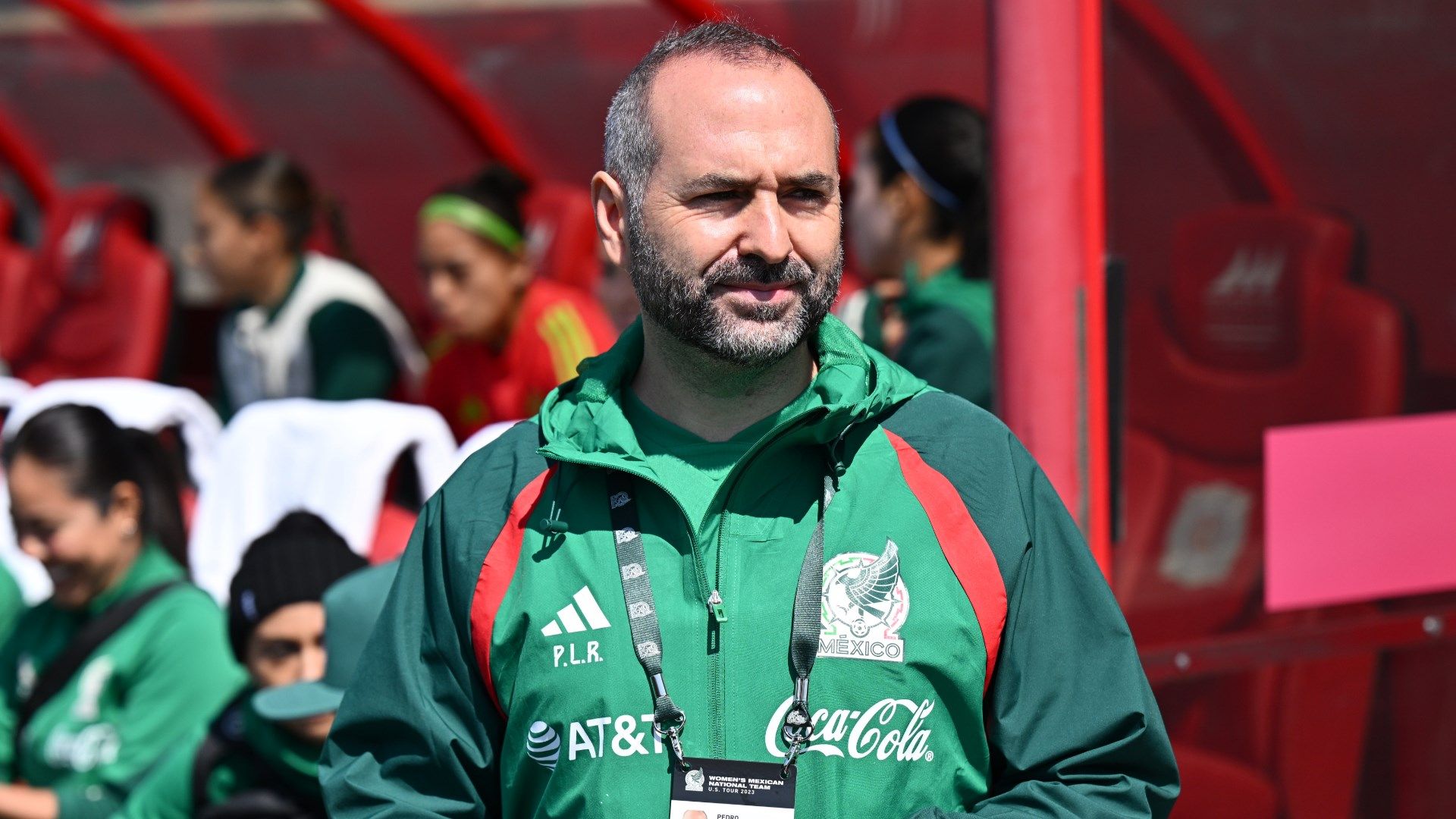
    To replace Vergara, Rodebaugh looked outside of Mexico to a coach she had known for a long time, one who coached Spain to both the U19 Euros and U20 Women’s World Cup titles in 2022. Just a few weeks after the latter triumph, Pedro Lopez was appointed head coach of the Mexico women’s national team.

    “My idea was to bring in someone new with up to date ideas about the women’s game,” Rodebaugh explained. “It’s about someone who understands what’s needed at the top level and to get Mexico there. He’s very professional, very demanding of his work and everyone’s work and that’s what I thought was needed.”

  • Pedro Lopez Mexico 2023Getty

    Dream appointment

    It has certainly produced results so far. La Tri is yet to lose under Lopez, winning 18 and drawing four of his 22 games in charge. Indeed, Mexico came into the Gold Cup on a 14-game winning streak and it continued that momentum by beating the U.S. to top Group A without conceding a single goal.

    A fantastic structure already existed in Mexico, within the youth national teams and Liga MX Femenil, when Lopez was appointed, and he has worked hard to build on this, paying close attention to the youth national teams, working constantly with the coaches of those age groups and has been meticulous in his scouting of the talent pool, too. But his stand-out impact on La Tri, as seen in the Gold Cup, has been his coaching.

    Lopez’s team is tactically flexible, setting up in a variety of formations in the tournament so far and finding the best formula to beat each opponent to reach the last four. He is able to pinpoint the weaknesses in the opposition and devise a game plan to exploit them, while his players are well-coached and have been excellent in executing exactly what is asked of them.

    Mexico’s high-press has been especially impressive. But the Spaniard also champions individuality and lets his players express themselves, resulting in La Tri scoring some truly special goals in this Gold Cup.

  • USWNT Mexico Gold Cup 2024Getty

    New era

    When Mexico ended that 14-year wait for a win over the USWNT last week, the celebrations were perhaps rather muted for such an achievement. But it felt like that was because La Tri believes it can do more, it can go further and its work isn’t done. “We’re not afraid,” forward Diana Ordonez said. “We went into this game to win. What happened was no surprise. Mexican football has changed a lot.”

    When Lopez’s team then beat Paraguay in the Gold Cup quarterfinals a few days later, to set up a meeting with South American champions Brazil in the last four, the same could be said of the post-match scenes. The players were delighted, of course, but they were not delirious. Again, it felt like it was because they are focused on achieving more – and Lopez backed that up with his post-match comments. "Now I aspire to more,” he said. “Now we are not going to stay with the semifinals because we already have that, now we are going to try to reach the final.”

    After all, this is a man who described Mexico as having “all the ingredients to be a world power in women's soccer.” When you look at how La Tri has performed in this Gold Cup and throughout his tenure, and the way in which Liga MX Femenil continues to go from strength to strength, it’s hard to disagree.