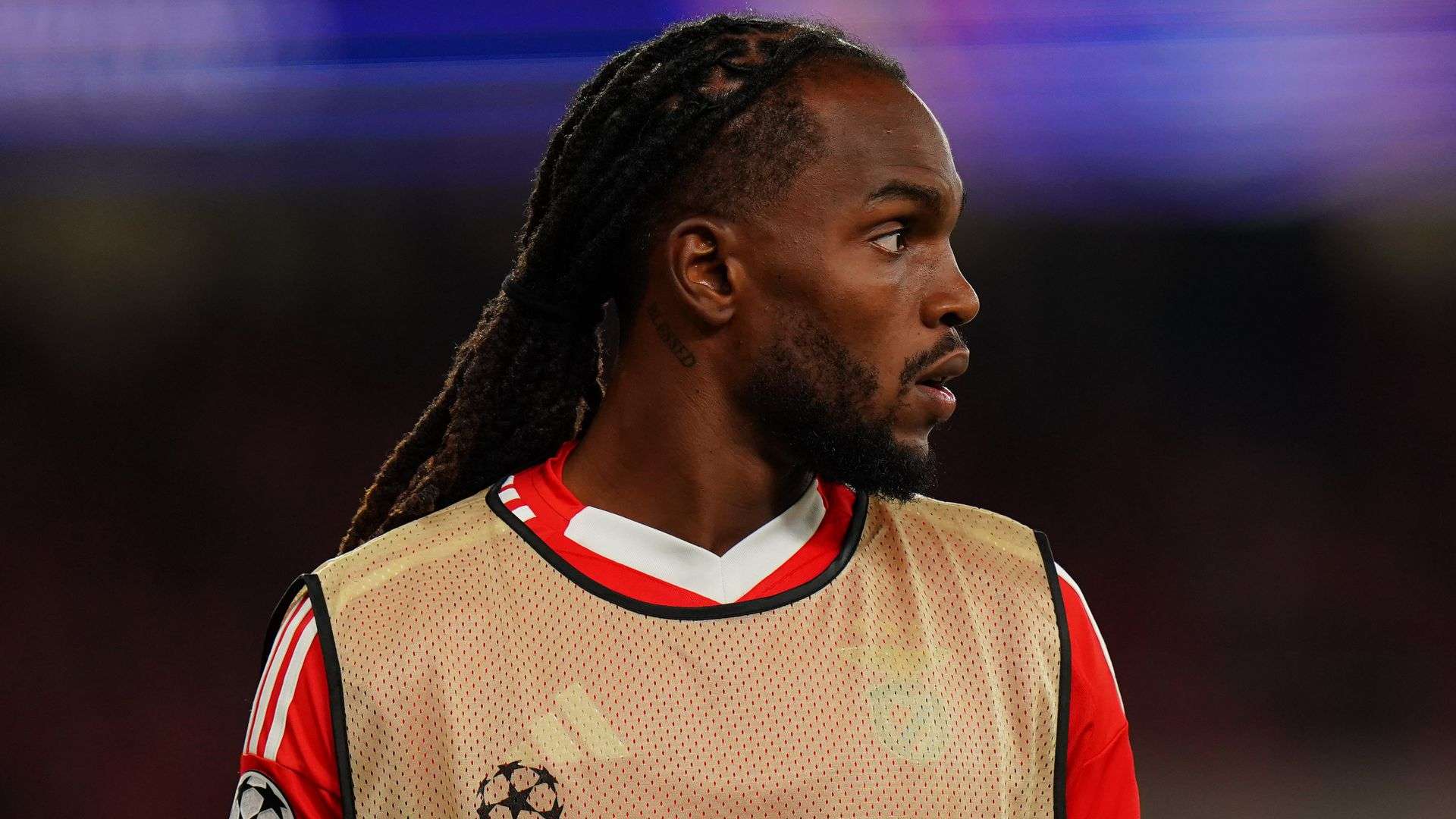
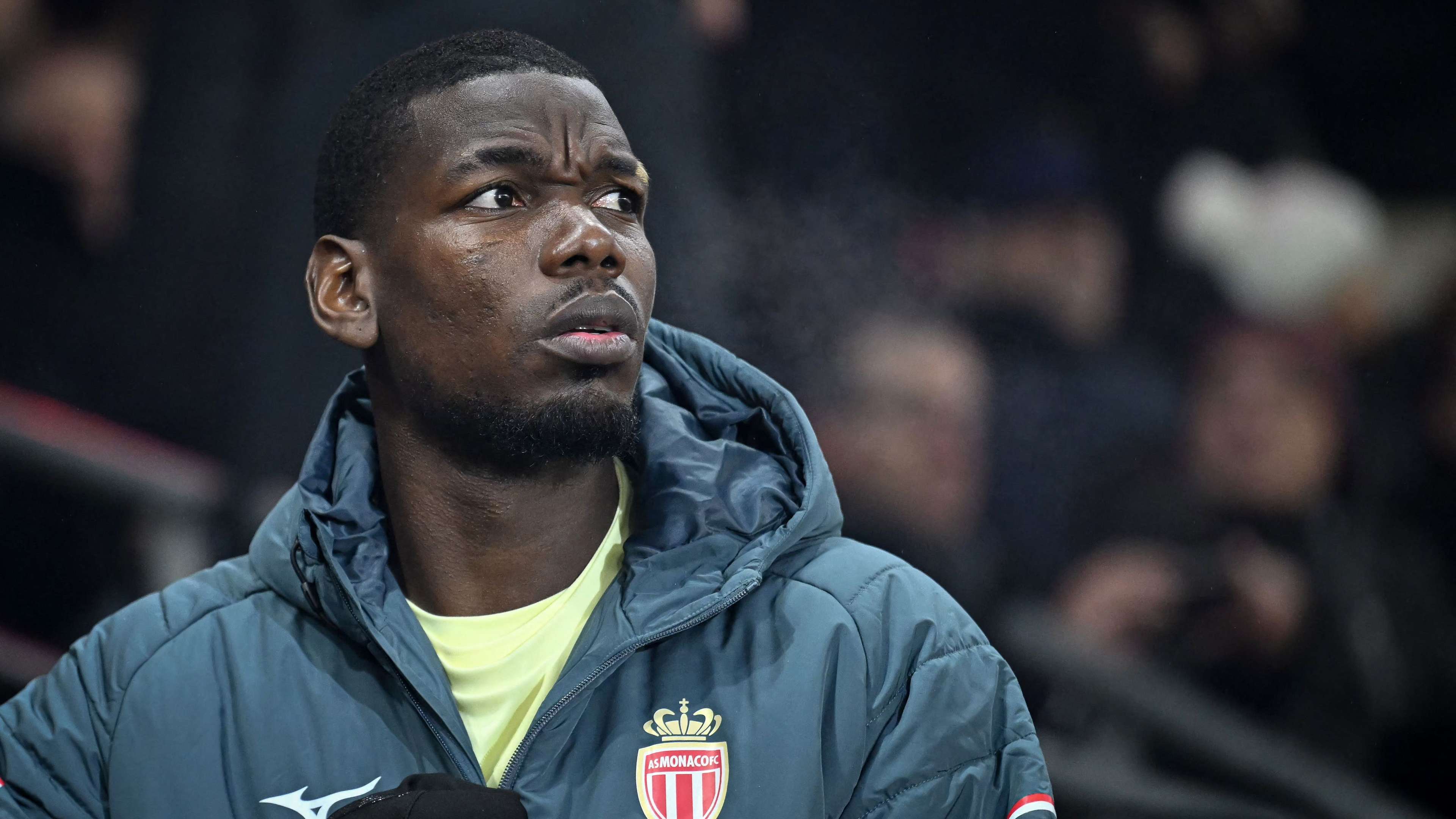
Serge Gnabry’s latest display against Real Madrid proved that the “Bestia Negra” tag still suits him. The winger is flourishing in his new role, which is great news for Bayern Munich and the German national team as they fine-tune their World Cup plans. However, Gnabry’s form presents a fresh selection headache for coach Hansi Flick, and it means young Jamal Musiala now faces stiffer competition for a starting berth.
Gnabry’s ability to operate on either wing, cut inside onto his stronger left foot, and strike from distance has long been a feature of his game, but recent performances suggest he is now more clinical in the final third. His understanding with centre-forward Harry Kane is particularly striking: the pair’s movement off the ball creates space for each other, and their combined work rate presses defenders into errors. Against Madrid, Gnabry’s direct running forced full-back Dani Carvajal into a series of fouls, earning yellow cards and setting the stage for Bayern’s eventual
France legend Thierry Henry has offered a fascinating insight into the unique talent of Michael Olise, claiming the winger operates on a mental plane that many struggle to comprehend. The Bayern Munich star was in inspired form during his team's 2-1 win against Real Madrid in the first leg of their Champions League quarter-final tie, once again proving why he is considered one of Europe's elite attackers.
The Rojiblancos star is not 100% fit, according to the club’s medical team. This means he has not yet regained full match sharpness, despite making progress in his recovery. The player’s absence will force the coaching staff to rethink their starting XI for Sunday’s crucial clash, and fans will be hoping the No. 10 returns to peak condition as soon as possible. In the meantime, the squad’s depth will be tested, with several young talents ready to step in and seize their opportunity.
In football, as in life, the numbers never lie—yet they rarely tell the full story. Stats can showcase a striker’s goals, a midfielder’s assists, or a defender’s tackles, but they cannot capture the intangibles that define the modern game: the subtle weight of leadership, the spark of creativity, the grit that keeps a player on his feet after a bruising challenge. Coaches poring over match reports know this instinctively; so do supporters who have watched a seemingly dominant side succumb to a more disciplined, organised unit.
Take, for example, the oft-cited metric of possession. A team may control the ball for 70 percent of the match, but if that possession is sterile, confined to safe lateral passes, it means little. What matters is what happens in the final third—the areas where chances are created and goals are scored. Here, expected goals (xG) offers a clearer picture, assigning a probability to each attempt based on distance, angle, and shot type. Even so, xG struggles to accoun
Yes, Munich is a great location for a day trip. Most landmarks and attractions are close to each other, but just make sure you have an airtight itinerary to make the most of it.
Is Munich a walkable city?
This is a definite yes, because it has been crowned the most friendly city to explore on foot in Europe. Most places in within walking distance of each other, which makes it so good for a day trip and saves you money on travel.
How much money do you need per day in Munich?
Factoring in activities and food, you can set your budget anywhere starting from €60 to upwards of €200+. Of course, this all depends on what sort of activities you do in Munich and where you dine. But, if you're looking to visit Munich on a budget, then this is doable with the lower end of the numbers. Especially if you stick to free admission attractions or budget-friendly ones. In terms of food, there will be plenty of options from quick bite restaurants to the fancier options, so there is something out there for everyone.