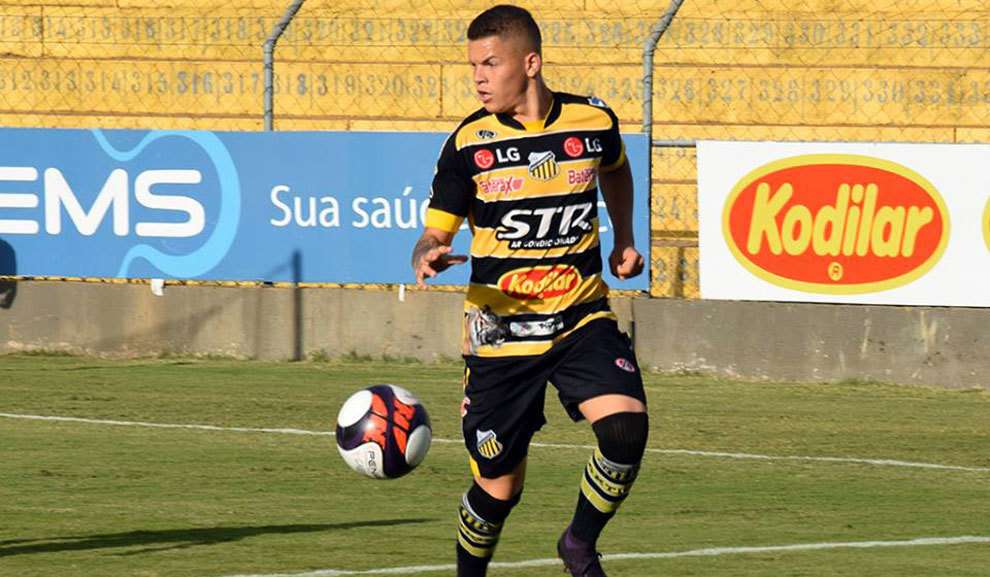
As the tie shifts to the second leg, one question dominates the pre-match narrative: will there be any surprises? While the first 90 minutes provided plenty of talking points, football fans know that 180 minutes are required to tell the full story. History is littered with shock comebacks, late goals and unlikely heroes, so the prospect of an upset is never far away. Defenders of the status quo point to statistics, form guides and head-to-head records, yet the beautiful game has a knack of defying logic when the underdog smells an opportunity. With stakes rising and tactics refined, managers will be poring over every detail—from injury updates to travel schedules—in search of that decisive edge. Supporters, too, have a role to play: a sold-out stadium can turn a mere possibility into a roaring reality. In short, while predictions are plentiful, only the final whistle will reveal whether the second leg serves up the kind of drama that keeps purists awake long after the last kick.
Former Sporting CP frontman Viktor Gyokeres endured a night to forget on his highly anticipated return to Lisbon, as Arsenal secured a narrow advantage in their Champions League quarter-final tie. While the fans at the Estadio Jose Alvalade showed their former hero respect, the Portuguese media were far more clinical in their assessment of the Swede's subdued display.
The Premier League has officially guaranteed a minimum of five entrants for next season’s Champions League following a decisive set of European results. Arsenal’s 1-0 victory over Sporting CP provided the final coefficient points required to ensure England finishes amongst UEFA's top two performing nations for the second year running.
Mikel Arteta has hailed the impact of his Arsenal substitutes after Kai Havertz and Gabriel Martinelli combined to secure a dramatic 1-0 victory over Sporting CP. The Gunners looked set for a frustrating night in Lisbon before the duo entered the fray to hand the Premier League side a vital edge in their Champions League quarter-final tie.
Manchester United, often simply referred to as "United," are one of the most iconic and successful football clubs in the world, based in Old Trafford, Greater Manchester, England. The club was founded as Newton Heath LYR Football Club in 1878 by the Lancashire and Yorkshire Railway depot at Newton Heath. The team changed its name to Manchester United in 1902 and moved to its current home, Old Trafford, in 1910.
Famous players
Manchester United have been home to some of the greatest footballers in history. Sir Bobby Charlton, a World Cup winner with England in 1966, is arguably the most iconic figure in the club's history. Other legendary players include George Best, known for his flair and skill, and Eric Cantona, who brought a winning mentality to the club during the 1990s. More recent stars like Cristiano Ronaldo, Wayne Rooney, and Paul Scholes have also contributed significantly to the club's success.
Honours
Manchester United are one of the most decorated clubs in English football, having won a record 20 Premier League titles (formerly the First Division). They have also lifted the FA Cup 12 times, the League Cup five times, and the UEFA Champions League three times. The club's dominance in English football was particularly evident during the 1990s and early 2000s under manager Sir Alex Ferguson.
Managers
Sir Alex Ferguson is undoubtedly the most successful manager in Manchester United's history. He spent 26 years at the club, leading them to an unprecedented era of success. Before Ferguson, managers like Matt Busby and Wilf McGuinness played crucial roles in shaping the club's identity. More recent managers, including David Moyes, Louis van Gaal, and José Mourinho, have faced the challenge of maintaining the club's high standards.
Stadium
Old Trafford, often referred to as the "Theatre of Dreams," is one of the most famous stadiums in the world. With a capacity of roughly 75,000, it is among the largest football stadiums in the United Kingdom. The stadium has hosted numerous major matches, including UEFA Champions League finals and FIFA World Cup matches.
Location
Manchester United are based in the city of Manchester, which is located in the northwest of England. The club's home ground, Old Trafford, is situated in the Trafford borough. Manchester is a major industrial city with a rich footballing heritage.
Owners
In February 2024, British billionaire Sir Jim Ratcliffe's company, INEOS, acquired a significant 25% stake in Manchester United. This acquisition granted Ratcliffe sporting control over the club, placing him in a position to influence key decisions related to its operations.
Ratcliffe has already made a substantial financial commitment to Manchester United. His large investments demonstrate his dedication to the club's success and his willingness to provide the necessary resources for its growth.
Preguntas frecuentes
Quando è nato il Napoli?
Il Napoli è nato il 25 agosto 1926 grazie all'industriale napoletano Giorgio Ascarelli, primo presidente del club partenopeo. Club a sua volta frutto di una modifica statutaria del Football club Internazionale Naples nato nel 1922.
Chi è il presidente del Napoli?
Aurelio De Laurentiis è il presidente e proprietario del Napoli. Imprenditore e produttore cinematografico, ha acquistato il Napoli Soccer nel 2004 in C1, per poi riacquistare la denominazione SSC Napoli nel 2006 dopo la promozione in Serie B.
Come si chiama lo stadio del Napoli?
Il Napoli gioca le sue partite casalinghe allo Stadio Diego Armando Maradona, rinominato così in seguito alla scomparsa del più grande giocatore azzurro di tutti i tempi. L'impianto era precedentemente noto come Stadio San Paolo.
Qual'è la capienza del Maradona?
Lo Stadio del Napoli, Diego Armando Maradona, può contenere 54.726 persone. L'impianto degli azzurri è uno dei più grandi d'Italia per capienza, dopo San Siro, l'Olimpico e il San Nicola di Bari.
Quanti Scudetti ha vinto il Napoli?
Il Napoli ha vinto tre Scudetti durante la sua storia, di cui il primo solamente nel 1987. Il secondo titolo è arrivato nel 1990 sempre con Maradona come protagonista, mentre nel 2023 si è festeggiato il terzo campionato di Serie A vinto.
Quante coppe europee ha vinto il Napoli?
Il Napoli ha vinto l'Europa League nel 1989, all'epoca chiamata Coppa UEFA. Si tratta dell'unico trofeo europeo e internazionale conquistato dalla squadra partenopea durante la sua storia.
Quanti trofei ha vinto il Napoli?
Oltre ai tre Scudetti e all'Europa League, il Napoli ha in bacheca altri otto titoli, principalmente Coppa Italia: il totale di trofei vinti è dunque di dodici.
Perché il Napoli gioca in azzurro?
Nonostante il Napoli sia azzurro e bianco, il primo colore domina nelle maglie e nei colori sociali. L'azzurro richiama in particolare la tonalità del mare cittadino.
Perché il simbolo del Napoli è un asino?
Inizialmente il simbolo del Napoli era un asino, ma dopo il primo deludente periodo in massima serie, nel 1926, i tifosi cominciarono ad evidenziare come il club fosse malandato come un asino, e in particolare l'asino di Fechella. Questi era un ambulante che girava per la città con un povero, sfruttato, asino sfinito dal lavoro.
Chi ha segnato più goal nella storia del Napoli?
Dries Mertens è il massimo marcatore nella storia del Napoli. Il giocatore belga ha segnato 148 goal in nove stagioni come attaccante tuttofare dei partenopei.
Chi ha giocato più partite con il Napoli?
Marek Hamsik è il giocatore con più partite giocate in maglia Napoli. Il centrocampista slovacco ha fatto parte della squadra partenopea per 12 stagioni, per un totale di 520 gare.
Come è soprannominato il Napoli?
I giocatori del Napoli sono chiamati azzurri per il colore della maglia, ma anche partenopei. In antichità la città era chiamata Parthenope in onore di una delle sirene dell'Odissea di Omero, che secondo la leggenda, dopo il suicidio per l'insensibilità di Ulisse al suo canto, sarebbe arrivata al fiume Sebeto, che un tempo bagnava Napoli.
Quale allenatore ha più panchine con il Napoli?
Bruno Pesaola è l'allenatore con più panchine alla guida del Napoli. Come tecnico degli azzurri ha vinto una Coppa Italia, a fronte di otto stagioni passate in città.
Quante volte il Napoli non ha giocato in Serie A?
Durante la sua storia il Napoli ha quasi sempre giocato in Serie A, ma non sono mancate le stagioni nelle serie inferiori. In particolare i partenopei hanno vissuto 12 annate in Serie B e 2 in Serie C.
Perchè il Napoli è retrocesso in Serie C?
Nel 2004/2005 e nel 2005/2006 il Napoli ha giocato in Serie C. All'epoca in Serie B, la squadra partenopea venne retrocessa dopo il fallimento della società in seguito a una grave crisi finanziaria.