+18 | Commercial Content | T&C's Apply | Play Responsibly | Publishing Principles
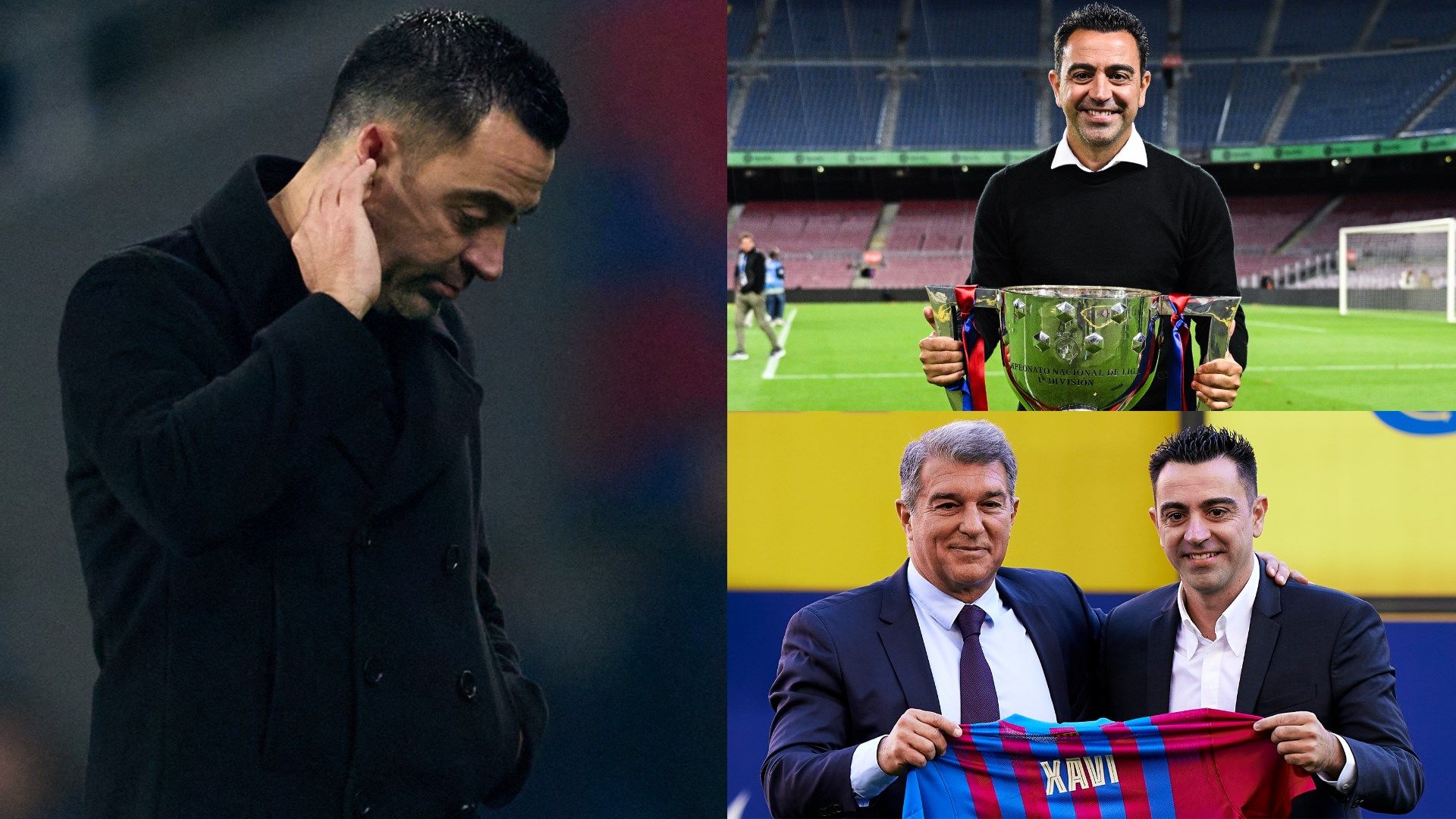
Xavi Barcelona GFXGetty/ GOAL

Xavi took the Barcelona job that no one wanted - now he's leaving at the right time

"I will leave Barcelona in June. We have reached a point of no return. It's time for change. As a Cule, I think that it's time to leave."

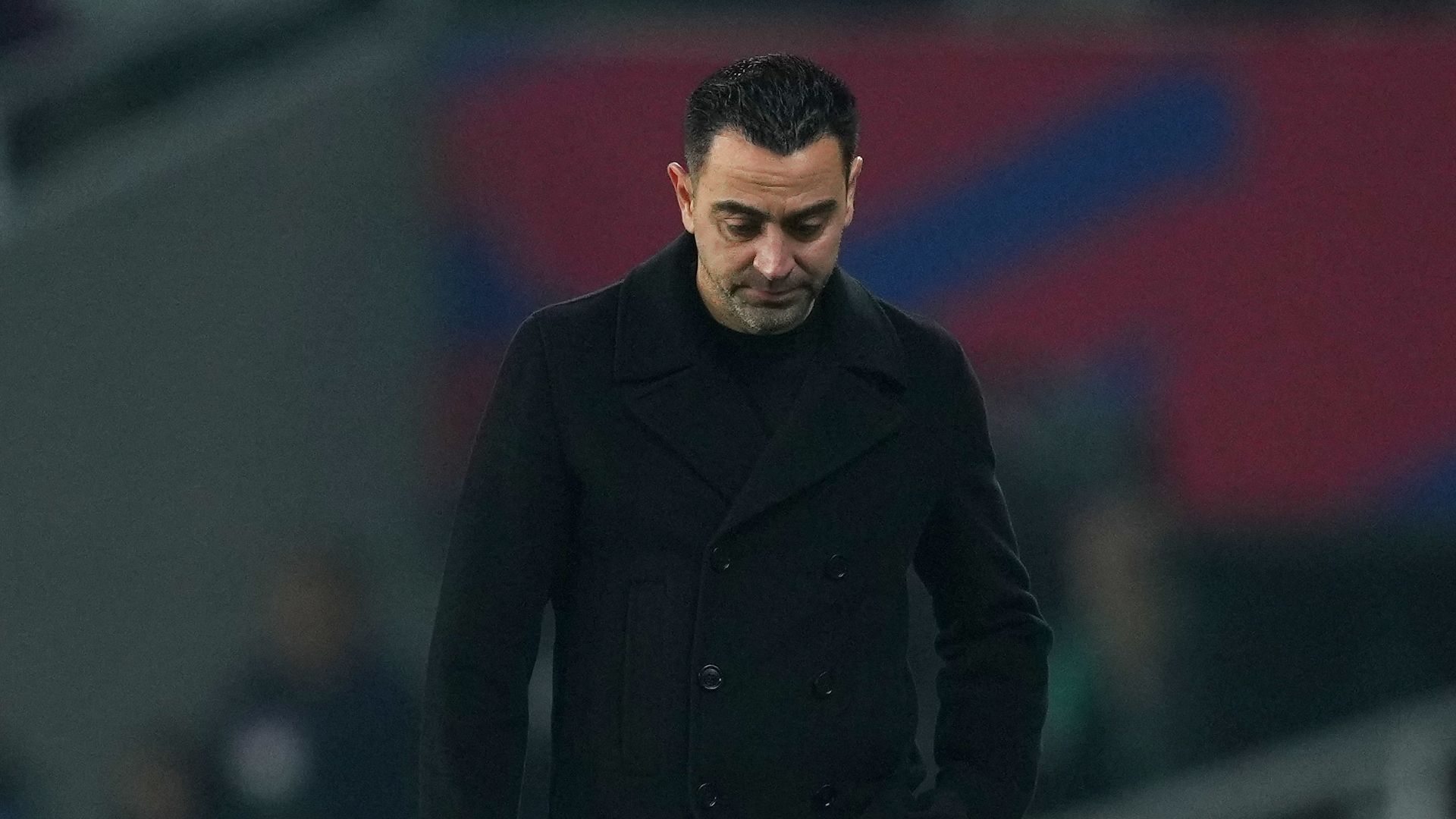
Those were the words of Xavi, who on Saturday evening announced his intent to depart Barcelona at the end of the season. It was a dignified statement, a mature sentiment from a club that has been dragged into cheap quips and shameless social media jibes in recent months.

In isolation, this could perceived as cowardly and a premature exit for one of Barcelona's favourite sons. Zoom out, and it all makes a lot of sense; Barcelona are fourth in La Liga, 11 points off the top, out of the cup and facing a tough draw in the Champions League. They won the Spanish top flight for the first time in four years last season, collecting 88 points in doing so. Continue at this rate, and they will end the season with a respectable 80. But for a team that was supposed to kick on, being three losses worse off than the year before is simply too much. Throw in the fact that this is Barcelona - the club of Lionel Messi, Pep Guardiola and Johan Cruyff - and Xavi couldn't keep his job while losing so many games, at least not beyond the end of the campaign.

There is some honour to be found in all of this. Xavi will not be hailed for leaving the club, nor will he be begged to stay. His decision to depart has been begrudgingly accepted by club president Joan Laporta, a conversation that was presumably followed by massive sighs of relief for both parties.

There is a lot of football left to play this season, with plenty of twists and turns to come. But Xavi has negotiated his exit with grace and, after winning a precious La Liga title last year, can depart his dream gig with dignity — even if he should have taken this side so much further.
  • barcelona-koeman(C)Getty Images

    Taking over an impossible situation

    Xavi understood what it meant. He was, as the manager of Qatar's Al Sadd, technically an outsider. But he had never really left Barcelona. He preferred to speak Catalan. He came through La Masia and won 22 trophies in blue and red, gloriously returning to a club that was an expensive dinner away from filing for bankruptcy.

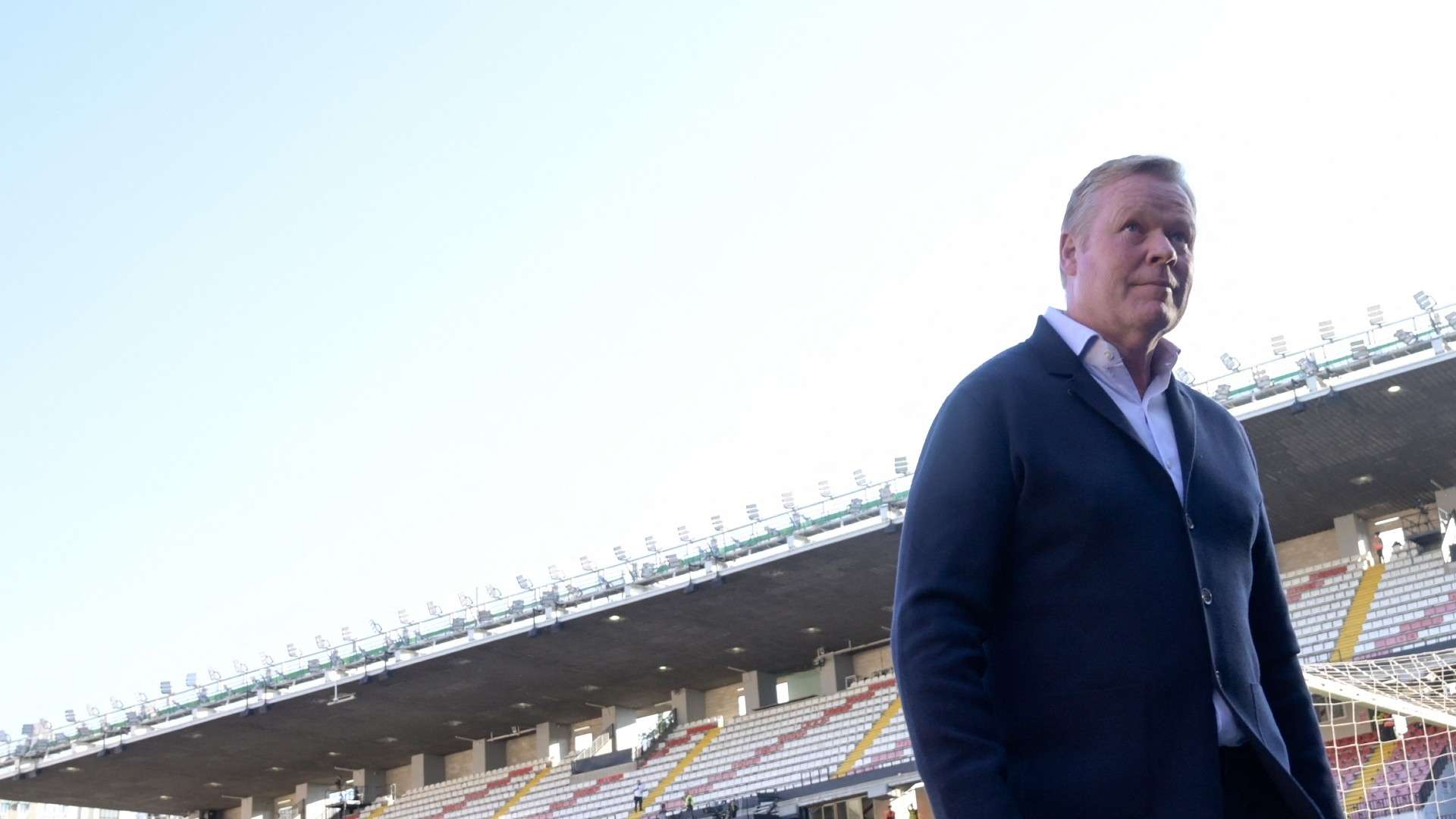
    It had been bad for a few months. Ronald Koeman could have been relieved of his duties at the end of the 2020-21 season, only to save his job with a Copa del Rey win. The loss of Messi to PSG, largely thanks to crumbling finances, put Koeman's job in even more danger. And a miserable start to the next campaign sealed his fate. By the end of October, the noise was too much, with Koeman even confronted in his car by disgruntled fans after a 2-1 Clasico defeat. He was sacked less than a month later.

    For the first time in nearly 20 years, the managerial post at Barca was not a valuable job. A glittering era — one that started with tiki-taka and ended with 'MSN' — had come to a close. Barca didn't have Messi, Andres Iniesta, Luis Suarez, or any money to attempt to replace them. But Xavi knew the club. He played both with and for Guardiola. He had made public his desire to be Barca manager in the past. And with new president Joan Laporta eager to emphasise his connection to the fans, it seemed a perfect match.

  • Advertisement
  • Xavi Barcelona Benfica Champions League 2021Getty Images

    A difficult few months

    Xavi arrived as a hero. The club legend had returned, ready to build this team anew. He had his little proteges in Gavi and Pedri. He had his projects in Frenkie de Jong and Ronald Araujo. And he had his old friend around, too, with Dani Alves making a baffling return to the fold as a free agent.

    The novelty soon wore off. Champions League success was a priority, with Barca needing to win at least one of their last two games in the group stage to make it to the last 16. A 0-0 draw at home to Benfica — a fixture that Barca were lucky to avoid defeat in — set up a final-day showdown with Bayern Munich at the Allianz Arena. Xavi's side didn't put a single shot on target in a 3-0 loss, and suffered the ignominy of tumbling into the Europa League.

    Barca drifted through the next few months. They turned their league form around slightly and made a push towards the top of the table — only to be pegged back by draws against Granada and Espanyol. It all ended with a Europa League semi-final exit to a rampant Frankfurt side, with the Blaugrana conceding three goals at home to crash out of the competition that was an expected consolation prize.

    "It is a very big disappointment. It's a shame because we had hopes in this competition," the manager admitted after the defeat. This was not going to be an easy job, and Xavi had seen as much first-hand.

  • Barcelona La Liga trophy 2022-23 Sergio BusquetsGetty

    Glory!

    Then came the investment. Koeman had gone public in his plea for Barca to spend in the summer of 2021. Laporta, having just taken the helm, refused and instead gave the then-manager very few resources to work with.

    For Xavi, though, Laporta proved he was willing to do anything. The lever-pulling summer of 2022 - a period in which Barcelona made a series of short-term financial deals that mortgaged the future of the club - helped rebuild an ailing squad.

    After a series of shady agreements to raise cash, Xavi went about assembling a side that could compete for the league title. Robert Lewandowski, a world-class striker, arrived. Raphinha was added for an attacking punch. Jules Kounde sauntered through the Camp Nou doors in the name of defensive stability. Andreas Christensen added smarts at the back, while the retention of De Jong in central midfield rounded everything off.

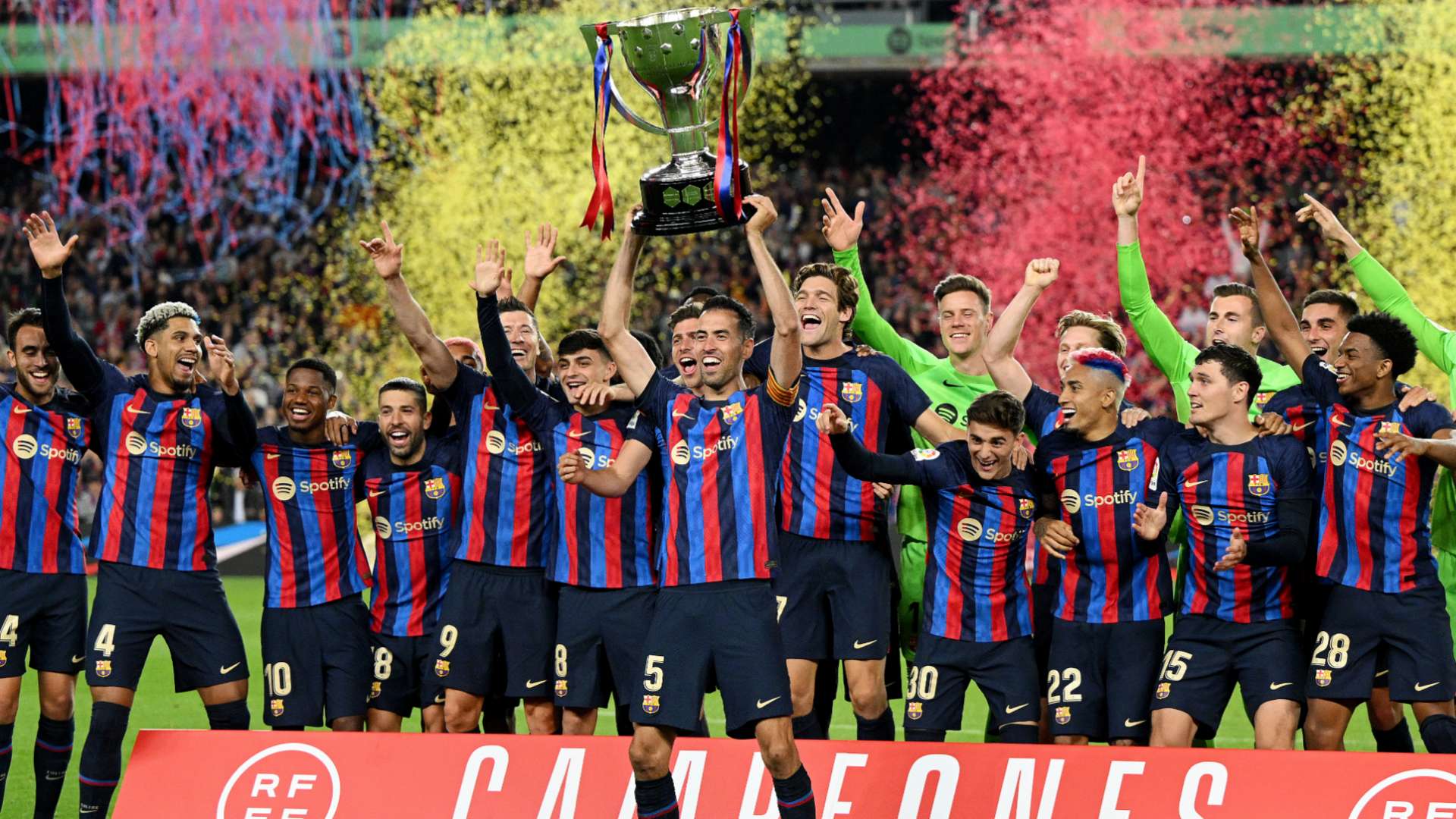
    Barca's La Liga-winning season wasn't defined by its champagne football, but the Blaugrana brought home the title comfortably, relying on Europe's most efficient defence to scrap their way to a trophy. It all happened in front of an uncomfortable backdrop. Barca were constantly warring with La Liga about club finances. Unsavoury allegations about a secretive scheme to pay senior refereeing officials also came to light. Catalan media seemed more interested to know if Xavi wanted to re-sign Messi than interrogate him about the success of the team.

    Xavi, in retrospect, deserves immense credit for weathering that storm. He won ugly, under difficult circumstances, while doing his best to quieten the chatter surrounding the club. It was not an easy thing to do. And Barca were back.

  • Barcelona GironaGetty

    The sudden decline

    Or so we all thought...

    It's hard to pinpoint the exact moment where it all went wrong for Xavi. That's perhaps because there were so many minor faults, and concerning signs. There was the Europa League last-16 loss to a weakened Manchester United side a year ago; there was the uptick in goals conceded over the final months of the 2022-23 season — and the Lewandowski scoring drought that accompanied it.

    It was perhaps ominous that both Sergio Busquets and Jordi Alba walked at the end of the season; it was even more concerning that neither player was ever truly replaced (Oriol Romeu doesn't count). A look at the Barca squad suggests they strengthened in areas that didn't need much work, and ignored key positions. Ilkay Gundogan, match-winner that he is, did not need to be added to a squad rife with box-to-box midfielders. Joao Cancelo, a mercurial right-back with limited defensive capability, never figured to complement the rest of Xavi's bruising backline.

    And that imperfect squad went about dropping points in the areas that you might expect. Too often this season, the Blaugrana have been outrun in midfield, and overwhelmed in defence. The signs were there early; Barca conceded three against Villarreal in late August, and two against 10-man Mallorca a month later. They have allowed three goals in the first minute in all competitions — as many as the previous 18 seasons combined.

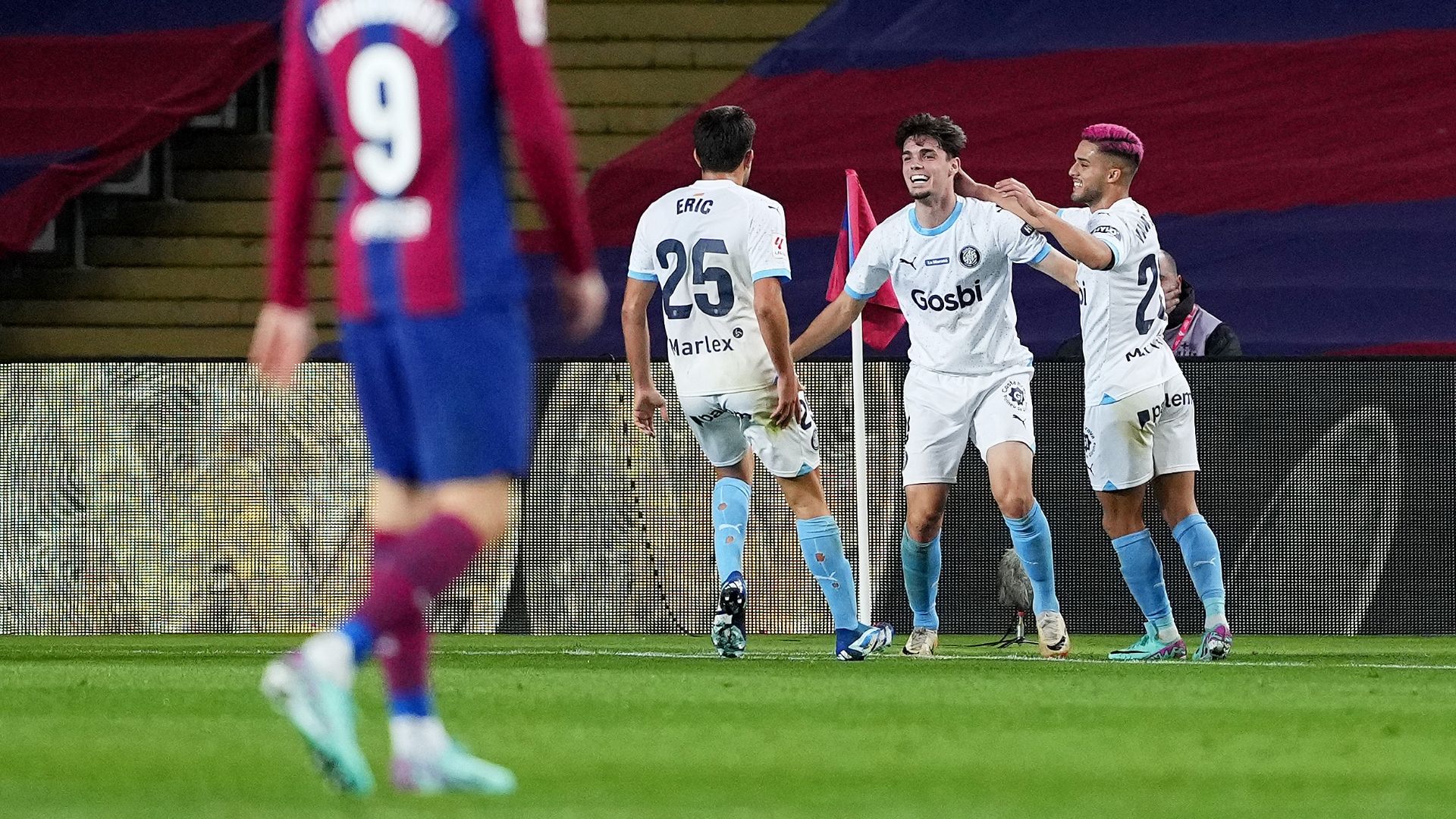
    Alarm bells about the safety of Xavi's position were first ceremoniously rung in November, after a 1-0 loss to Shakhtar Donetsk in the Champions League. A nervy win over Porto didn't alleviate concerns. On December 10, though, the wheels fell off, as Barca were outclassed 4-2 at home by Girona — a thrashing that showed just how big the gap is between the league leaders and their lowly neighbours in a unfathomable role reversal.

  • xavi(C)Getty Images

    A dignified decision to leave

    Still, Xavi's decision to leave is a surprise. Although the manager had repeatedly referred to a potential exit in the weeks running up to his announcement, it never seemed likely that he would quit. These days, very few managers leave on their own terms. For club legends, it hardly ever happens (Zinedine Zidane's voluntary exit from Real Madrid is perhaps the most comparable in recent memory).

    There is a certain dignity in glorious failure, but football never seems to reward it. Managers are conditioned to stay in a job until they are no longer good enough to do it — before then suffering the humiliation of being sacked. It is the unfortunate cycle of elite management.

    In some ways, then, Xavi is the tragic hero. He gave a languishing club new life, won a league title, and made Barca fans dream again. And when it's all gone wrong, he's salvaged his reputation and saved Laporta the indecency of the ugly stuff.

    But he's also done something very dangerous here. There are still four months to go in the season, and a lot of football matches that need playing. Although the Blaugrana are out of the Copa del Rey and falling far behind in La Liga, a Champions League knockout tie still awaits. Getting the most out of his players for that fixture might not the the easiest thing — especially if their eyes are already set on staying fit to play for the next guy.

    His exit also invites all sorts of uncomfortable chatter about his current squad. Will Lewandowski stay? Will they have to sell De Jong this summer? Does he regret bringing in Felix, Cancelo and Romeu? These are all awkward questions that can now be posed. Xavi is, quite simply, running down the clock.

  • Joan Laporta Xavi Barcelona 2023Getty

    Who do Barca get next?

    Mikel Arteta, we were all led to believe on Sunday night, has already mentally resigned from the Arsenal post. According to Spanish publication Sport, the Gunners' manager had informed key members of his "entourage" that he planned to leave, begun transfer planning for Barca's 2024-25 season, enrolled his children in a school in Catalunya, and identified some welcoming pieces of furniture for his new flat walking distance from Camp Nou.

    Arteta, of course, will not be Barca manager next year. Those reports were rubbished within minutes. Jurgen Klopp, soon to leave Liverpool, probably won't assume the position either — he wants a year away from the game. Jose Mourinho seems a long shot, while scattered talk of a Guardiola return is laughable.

    Xavi was correct when he pointed out that there will "never be a Sir Alex" in Barcelona.

    "You asked me many times that if I’d be the Sir Alex Ferguson of Barca… the truth is that it will never happen here," he angrily asserted after announcing his resignation.

    The manager blamed the media for that. But, more broadly, it's an issue of club culture. How do you succeed in a job where material success is expected? How do you follow Guardiola, Cruyff and Luis Enrique? How do you shake the ghost of Messi that still haunts La Masia? What do you do when a first league title in four years isn't enough?

    Barcelona have won too many things, and looked too good doing it for any manager to possibly live up to those expectations. There is still honour in the job — Xavi proved as much in his reception when he accepted it. But maintaining it, and controlling a volatile club from the centre, is nearly impossible.

    So, Xavi took the Barca job that no one wanted, walked when it became unsustainable, and just about saved his own skin. Who would be foolish enough to follow him?