- Pirates played Chiefs on Saturday
- Bucs won through a controversial penalty
- Former Fifa referees shares thoughts
| Follow GOAL on WhatsApp! 🟢📱 |
 Backpage
| Follow GOAL on WhatsApp! 🟢📱 |
 Backpage
Orlando Pirates played Kaizer Chiefs in the Premier Soccer League's Soweto Derby on Saturday.
The fans from either side were impressed by the display of the players.
When it looked like the game would end goalless, referee Masixole Bambiso adjudged Njabulo Blom to have fouled Relebohile Mofokeng in the danger zone and Patrick Maswanganyi scored from the spot.
 Backpage
Chiefs coach Nasreddine Nabi and a majority of the fans felt it was not a penalty. c\
The referee was accused of making a controversial decision at the death, arguing Mofokeng was clear even after the claimed foul.
However, former Fifa referee Ace Ncobo has lauded Bambiso for his bravery, insisting his call was spot on.
 Backpage
“We’ve got to applaud the bravery of the decision, first and foremost,” he told Extra-Time.
“I’ve heard many thinks about ‘advantage’ – let’s first rule that out, there was no advantage given by the referee.
“At no point during the entire phase of play does he stretch out any arm of him to indicate there is an advantage. He looks at the situation, blows the whistle and points at the penalty spot. No advantage was given!
"The referee blows his whistle the moment the ball scraps past the outside of the upright. Did he give an advantage? No. Would he have been correct in giving an advantage? No. Because there was no advantage realised. There was no striker against whom an offense was made in possession of the ball – so it wouldn’t have been an advantage," Ncobo added.
 Backpage
Ncobo has further explained why Blom was not shown a straight red card since he was the last person.
“The second point, people have been asking ‘why no red card?’ Because holding and there is an obvious goalscoring opportunity, even if the penalty is awarded, it’s a straight red because there was no attempt to play the ball. But as soon as the goalkeeper came out, he killed any obviousness of a goalscoring opportunity... that is why it became an ordinary situation of a player holding an opponent and, penalty awarded.
"Spot-on decision in awarding a penalty, spot-on decision in handing out a yellow card, spot-on decision in the bravery of the moment. Beautiful from the referee," Ncobo concluded.
 AFP
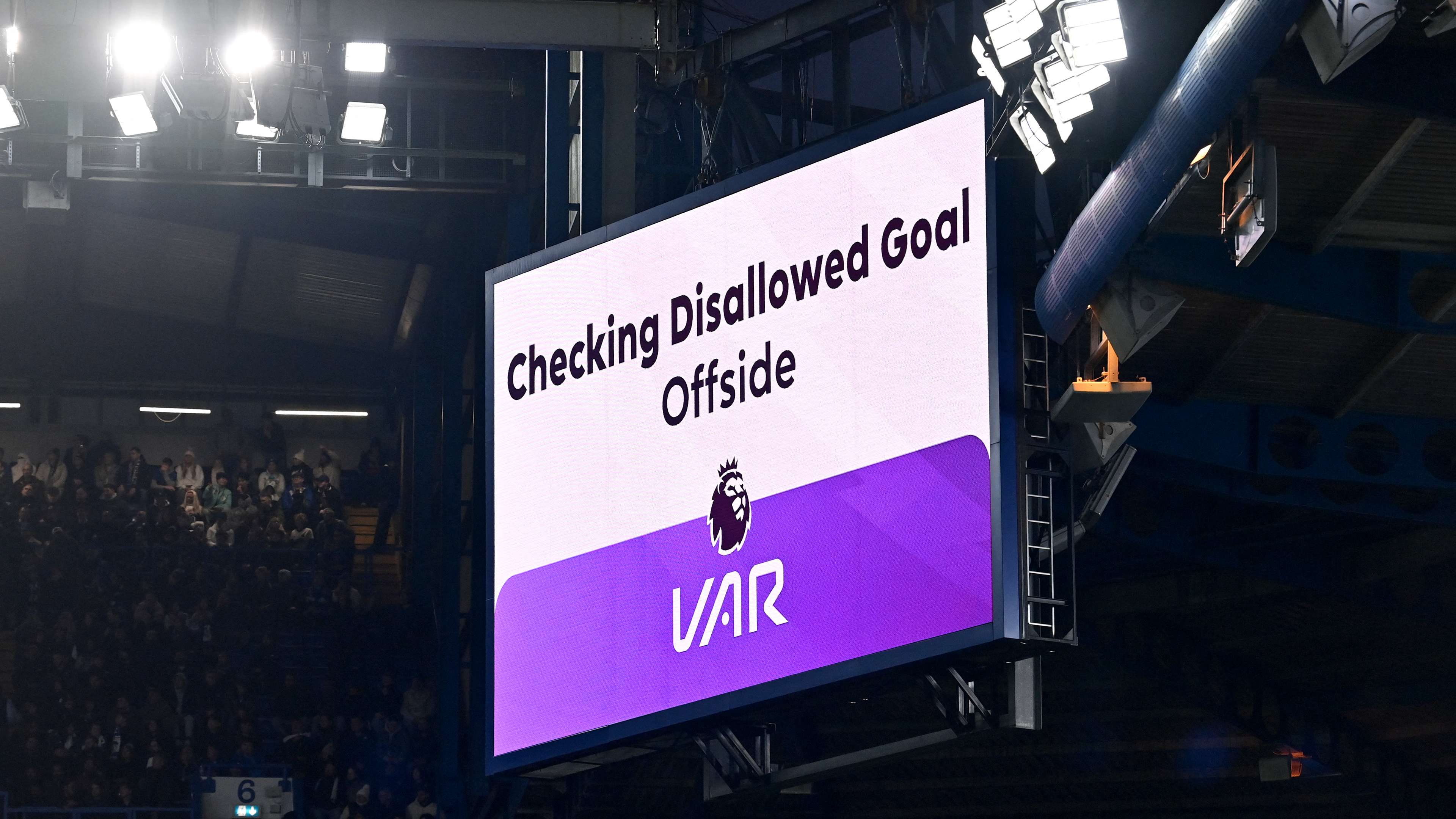
AFPThere have been calls for VAR introduction to help minimize the referee's mistakes.
The fans are waiting for the technology to be introduced in the Premier Soccer League to eliminate controversial calls.