 Kaizer Chiefs
Kenyan Premier League title-winning coach backs himself as solution to Kaizer Chiefs’ struggles as English tactician can 'go into Motaung’s house' and win the 'league'
 Backpage
Chiefs’ coaching department remains centre of attention
As much as Kaizer Chiefs have shown signs of heading in the right direction, with former coach Nasreddine Nabi managing to deliver a silverware, his departure ultimately left the club in the hands of his former colleagues. While continuity was expected to provide stability, the transition has instead raised questions about whether the current setup truly represents the ideal long-term solution for a club striving to return to its former glory.
The co-coaches have played their part in pushing the team forward, but fortune has largely deserted Chiefs. The Glamour Boys have fallen short in several matches that ended in draws, fixtures in which they could have secured maximum points had they capitalised on their chances. As expected, these unfortunate outcomes have overshadowed the progress made, unfairly diminishing the hard work put in by the coaching staff and fueling perceptions that question their capability.
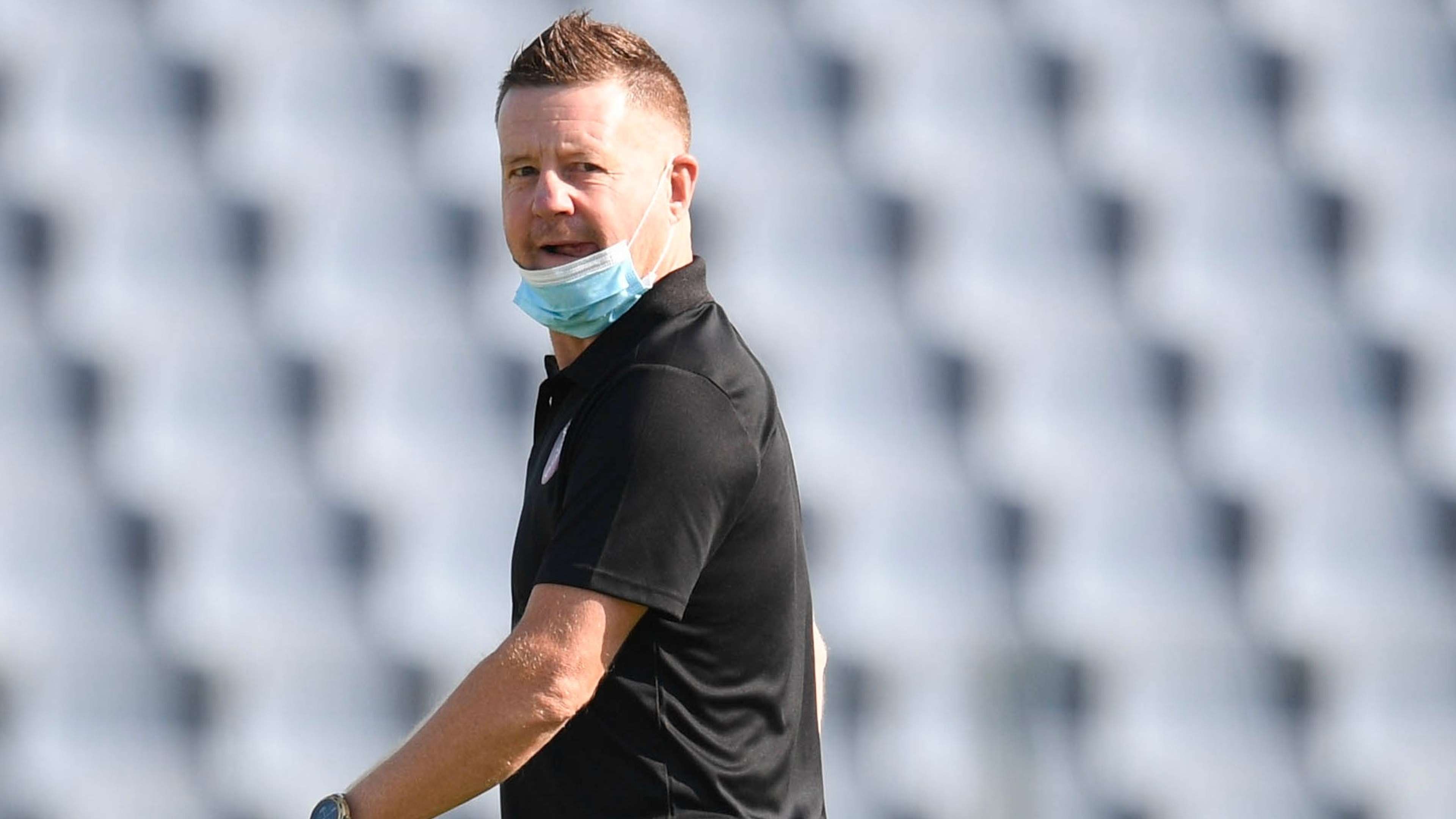
Many have since weighed in on the growing controversy, including former Premier Soccer League coach Dylan Kerr, who has made it clear that he believes he has what it takes to turn Amakhosi’s fortunes around, even though his name has not formally surfaced and he is not being considered for the head coach position. Kerr, who previously led sides such as Baroka FC and Black Leopards—now competing in the PSL second tier—and more recently Bahlabane Ba Ntwa, has backed his experience and understanding of the South African game as qualities that could make a difference if ever given the opportunity.
 Backpagepix
'I would swim across the Mediterranean Sea'
The 58-year-old, who has coached a Soweto club in the defunct Moroka Swallows, confidently told SoccerBeat that should the opportunity to lead Amakhosi ever arise, he firmly believes he would be the man capable of delivering the league title.
“If I were to be offered a job at Kaizer Chiefs, I would swim across the Mediterranean Sea right into Kaizer Motaung’s house. You want the league? I can do it. I have always said that,” Kerr, who won two consecutive Kenyan Premier League titles with Gor Mahia, said.
“If you look at the players that play for Chiefs, [Orlando] Pirates, [Mamelodi] Sundowns, and Stellenbosch FC—all the so-called big teams—in the last two or three years, I would say plenty of them use players who were my players from Black Leopards, TTM, Moroka Swallows, and Marumo Gallants,” he added.
 BackpagePix.
The importance lies in players playing for the coach
He further emphasised that he would find a way to get the players fully aligned with his vision, highlighting the importance of instilling a fighting mentality and how crucial it is for the squad to fight for the coach.
“So, I would 100% win the league with Chiefs. I would get them [players] to play for me. If you go back to the knockout cup [Nedbank Cup with TTM in 2021, beating Chippa United in the final] during COVID-19, I had 28 players, got two weeks to train, and went on to play in Durban and Johannesburg in the final," Kerr explained.
“It doesn’t matter who you are or what you are, as long as you always get the players to put on the jersey and go play and fight for you on the field. So, that is all it takes.”
 Backpage
Amakhosi at a crossroads: Shake-up or patience?
The pressure continues to mount on the Phefeni side to make decisive changes within their coaching department. However, it remains unclear whether the club’s management is actively working behind the scenes to bring in new leadership or if they are prepared to give the current co-coaches sufficient time to fully implement their tactical plans and deliver the results the supporters are demanding. The coming weeks will be crucial in determining whether patience or a shake-up will define the team’s approach moving forward.
The primary focus for Amakhosi now is to battle their way through the CAF Confederation Cup final stages, where they aim to assert their status as one of Africa’s elite clubs and prove that they can compete with the continent’s biggest and most formidable teams. Success on this stage would not only bring silverware but also reinforce their reputation and legacy on the African football scene.
At the same time, they will be working diligently to revamp the strikers’ department, which has been their biggest weakness this season. Addressing inefficiencies in front of goal will be crucial if Amakhosi are to convert chances, secure victories, and compete effectively both domestically and on the continental stage.