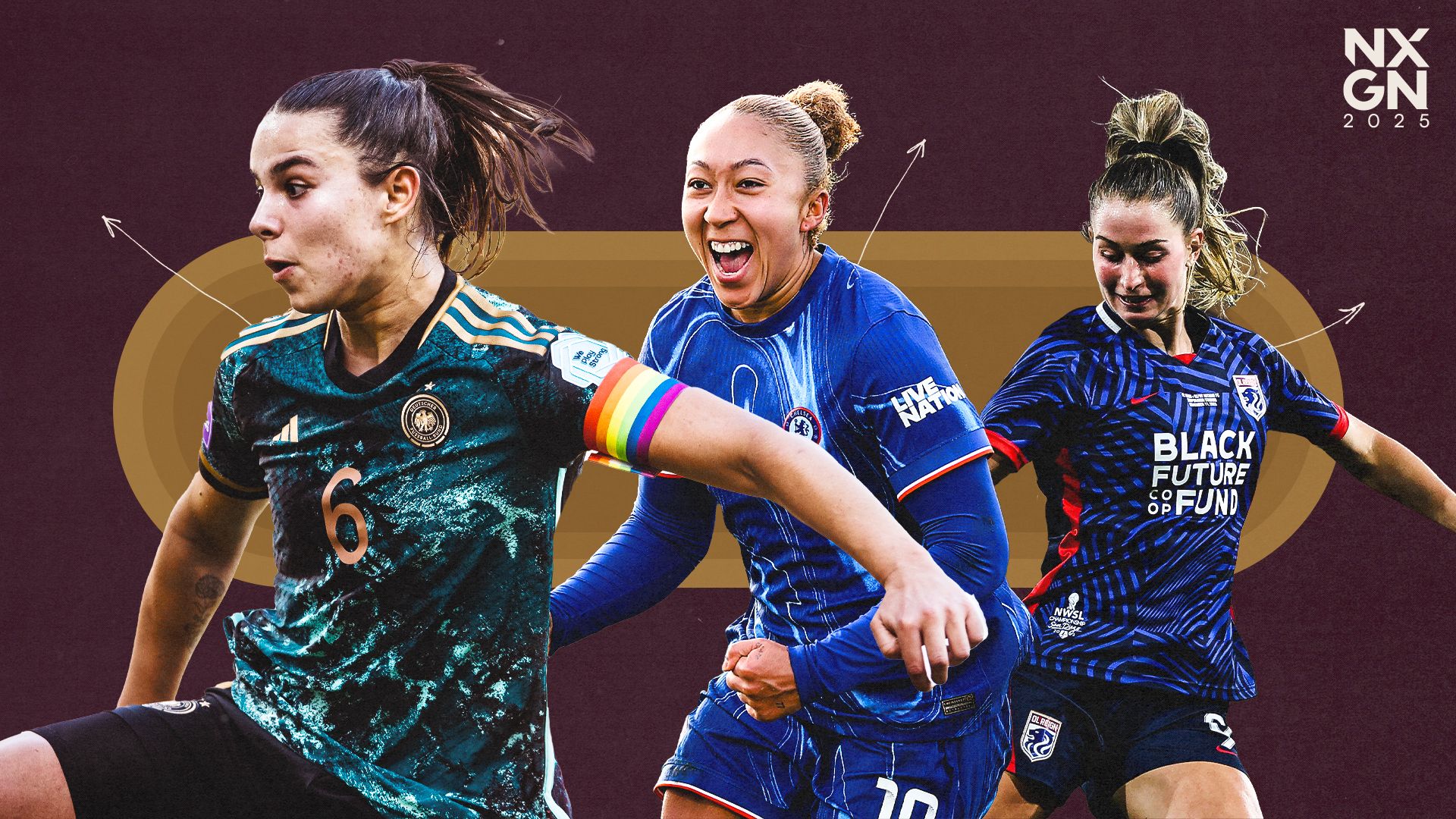
The French national team can count on a wave of massive public support as it prepares for the upcoming campaign. Fans across the country are rallying behind les Bleus, creating an electric atmosphere that reverberates from city-centre fan zones to packed suburban stadiums. This unwavering backing is more than mere noise; it provides a tangible psychological boost that can inspire players to raise their game when the pressure is at its peak.
Supporters young and old don the famous blue jerseys, wave tricolour flags, and chant with such passion that even neutral observers feel the goosebumps. The media, too, plays its part, with newspapers devoting front pages to the team’s progress and television channels airing live specials that keep the nation glued to its screens. This collective enthusiasm acts as a sixth man on the pitch—an invisible force that opponents sense the moment they step out to face France.
Such fervent encouragement is not new; it has been a hallmark of French football
A thrilling clash in the Champions League
When two heavyweights lock horns in the world’s most prestigious club competition, the resulting showdown is nothing short of electric. The atmosphere crackles with anticipation, and fans around the globe tune in to witness history in the making.
Both sides arrive with formidable credentials, star-studded line-ups and a proven ability to raise their game on the biggest stage. The battle promises to be a masterclass in tactical nous, physical intensity and clinical finishing, with every touch and tackle carrying immense significance.
For neutrals, it is a spectacle to savour: 90 minutes of non-stop drama, edge-of-the-seat excitement and the kind of raw emotion that only football can provoke. For the players and coaches involved, it is a chance to etch their names into the tournament’s roll of honour and to earn the right to be called European champions.
As kick-off approaches, the hype grows ever louder. The stadium lights glow, the crowd roars
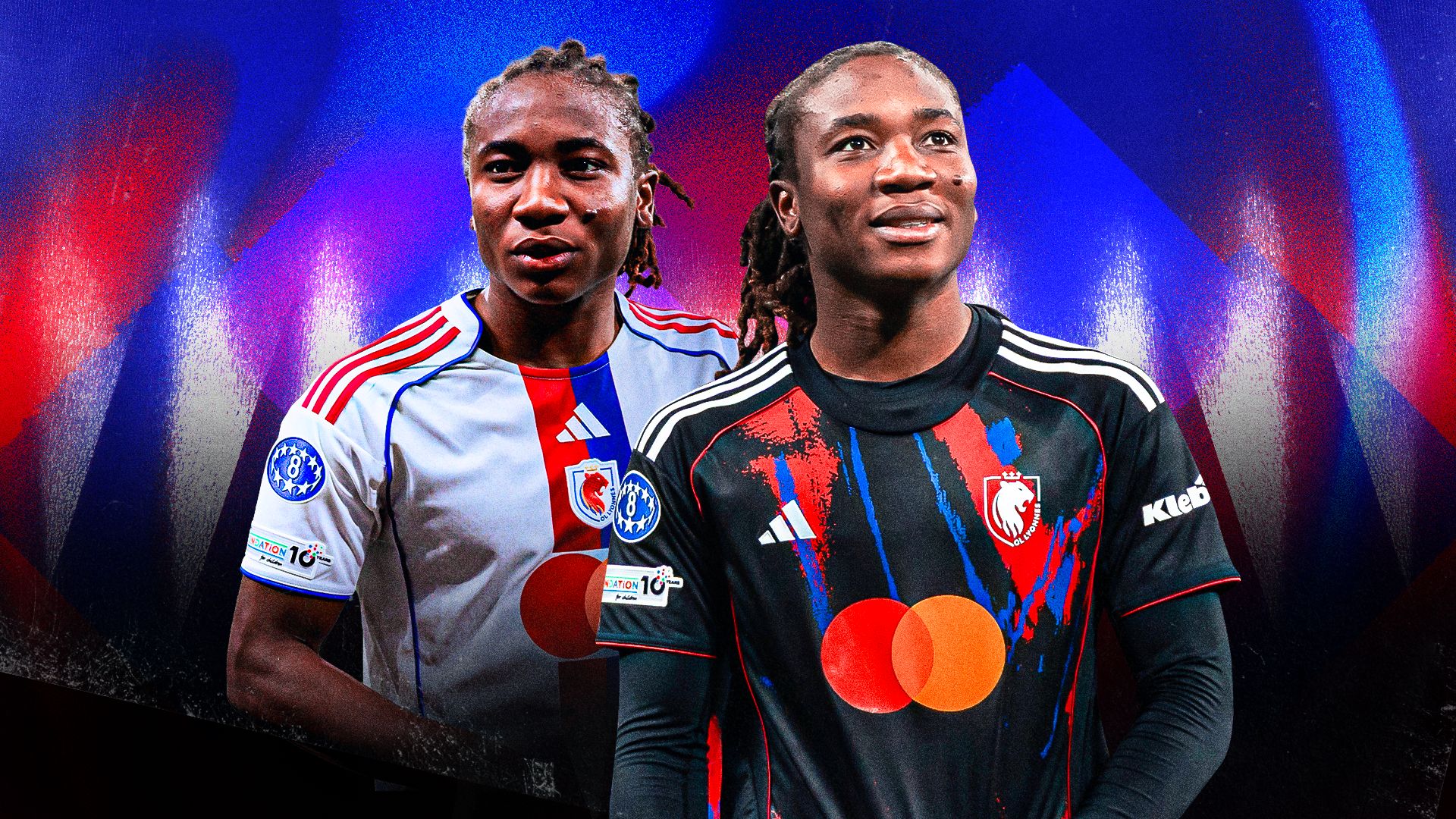
TSG Hoffenheim forward Bazoumana Toure is reportedly attracting serious interest from Liverpool FC, according to multiple sources briefed on the club’s transfer strategy. The 20-year-old winger, who joined Hoffenheim’s youth setup in 2019 and has since established himself as a regular in the first-team squad, is said to fit the profile Liverpool manager Jürgen Klopp is looking for: pace, technical ability and the versatility to play across the front line. While no official bid has been confirmed, the Reds are believed to be monitoring Toure’s progress closely as they seek to add depth and creativity to their attack ahead of the new campaign.
Was selling the Colombian player a mistake or a shrewd move? On the face of it, the question is simple, yet beneath the surface lie complex strategic, financial and tactical considerations that define a transfer as either prudent or misguided. For any club, parting with a South American talent—especially one with the flair and creativity that Colombian footballers often display—is never a decision to be taken lightly. The move can be viewed as a necessary cost-cutting measure, a calculated gamble to balance the books or strengthen other areas, or, conversely, as a short-sighted sale that depletes the squad’s quality and disrupts team chemistry. Supporters and analysts alike will weigh the transfer fee against the player’s goals, assists, and market value, while the club’s hierarchy will factor in wage bills, squad depth, and long-term development plans. Ultimately, whether the deal is remembered as astute business or a regrettable error will depend on how the club performs in the seaso
Manchester United, often simply referred to as "United," are one of the most iconic and successful football clubs in the world, based in Old Trafford, Greater Manchester, England. The club was founded as Newton Heath LYR Football Club in 1878 by the Lancashire and Yorkshire Railway depot at Newton Heath. The team changed its name to Manchester United in 1902 and moved to its current home, Old Trafford, in 1910.
Famous players
Manchester United have been home to some of the greatest footballers in history. Sir Bobby Charlton, a World Cup winner with England in 1966, is arguably the most iconic figure in the club's history. Other legendary players include George Best, known for his flair and skill, and Eric Cantona, who brought a winning mentality to the club during the 1990s. More recent stars like Cristiano Ronaldo, Wayne Rooney, and Paul Scholes have also contributed significantly to the club's success.
Honours
Manchester United are one of the most decorated clubs in English football, having won a record 20 Premier League titles (formerly the First Division). They have also lifted the FA Cup 12 times, the League Cup five times, and the UEFA Champions League three times. The club's dominance in English football was particularly evident during the 1990s and early 2000s under manager Sir Alex Ferguson.
Managers
Sir Alex Ferguson is undoubtedly the most successful manager in Manchester United's history. He spent 26 years at the club, leading them to an unprecedented era of success. Before Ferguson, managers like Matt Busby and Wilf McGuinness played crucial roles in shaping the club's identity. More recent managers, including David Moyes, Louis van Gaal, and José Mourinho, have faced the challenge of maintaining the club's high standards.
Stadium
Old Trafford, often referred to as the "Theatre of Dreams," is one of the most famous stadiums in the world. With a capacity of roughly 75,000, it is among the largest football stadiums in the United Kingdom. The stadium has hosted numerous major matches, including UEFA Champions League finals and FIFA World Cup matches.
Location
Manchester United are based in the city of Manchester, which is located in the northwest of England. The club's home ground, Old Trafford, is situated in the Trafford borough. Manchester is a major industrial city with a rich footballing heritage.
Owners
In February 2024, British billionaire Sir Jim Ratcliffe's company, INEOS, acquired a significant 25% stake in Manchester United. This acquisition granted Ratcliffe sporting control over the club, placing him in a position to influence key decisions related to its operations.
Ratcliffe has already made a substantial financial commitment to Manchester United. His large investments demonstrate his dedication to the club's success and his willingness to provide the necessary resources for its growth.
Frequently asked questions
When were Liverpool founded?
The story behind the birth of Liverpool as we know it today is quite interesting. Originally, it was Liverpool's Merseyside rivals Everton who would play their games at Anfield. However, after Everton decided to play their games elsewhere following a dispute in March 1892, John Houlding, the owner of Anfield at the time, decided to form his own club called Liverpool F.C.
Who are the owners of Liverpool?
Fenway Sports Group (FSG), an American multinational sports holding conglomerate, is the owner of Liverpool. FSG purchased the club in 2010 through subsidiaries N.E.S.V.I, LLC and the UK-based UKSV Holdings Company Limited.
What is Liverpool's stadium called?
Liverpool are playing their home games at the illustrious Anfield Stadium, which was built in 1884 and has since undergone several renovations, the latest being completed in 2024.
What is Anfield's capacity?
Anfield has a capacity of 61,276, with the renovation of the Anfield Road Stand in the latter half of the 2023-24 campaign taking the stadium's capacity past the 60,000-mark.
How many trophies have Liverpool won?
Liverpool have won a stellar 67 trophies throughout their history, which includes six Champions Leagues, 19 top-flight titles, and six FA Cups.
How many Premier League (top flight) titles have Liverpool won?
Liverpool are the second-most successful English side in terms of top flight titles with 19, just one shy of Manchester United. Their previous league glory came in the 2019-20 season, which remains their only league title till date in the Premier League era.
Who has made the most appearances for Liverpool?
Former English midfielder Ian Callaghan made 857 appearances for the Reds. He is the only player in Liverpool history to have made over 800 appearances for the club.
Who is Liverpool's all-time top goalscorer?
Liverpool icon Ian Rush is the club's all-time top goalscorer, finding the back of the net 346 times in 660 games.
Which famous players have played for Liverpool?
Luis Suarez, Ian Rush, Mohamed Salah, Steven Gerrard, Xabi Alonso, James Milner, Fernando Torres, and Michael Owen are among the most popular players to have donned the Liverpool jersey.
Which famous managers have been in charge of Liverpool?
Brendan Rodgers, Bill Shankly, Jurgen Klopp, Kenny Dalglish, Rafael Benitez, and Gerard Houllier are some of the most prominent managers to have been at the helm for Liverpool.
What is Liverpool's nickname?
Liverpool are famously known as The Reds. The media as well as the club's supporters coined the term during the 1965-66 season, when the team first wore an all-red attire for the games.