+18 | Commercial Content | T&C's Apply | Play Responsibly | Publishing Principles
This page contains affiliate links. When you purchase through the links provided, we may earn a commission.
Messi GFX Nov. 9GOAL

Lionel Messi is MLS's undisputed MVP but are Inter Miami doing enough to build something sustainable around him?

Lionel Messi has been named MLS Most Valuable Player. 

Need we say more? Is there anything to intellectualize here? The best player on the planet - yes, still - has been named the best player in his domestic league. 

What else did you expect? Who else could it probably be? Lionel Messi will be the best player in Major League Soccer until he doesn't want to play in Major League Soccer anymore. If this sport were about talent and talent alone, Messi would be the best footballer in the world into his 50s. It is pretty much impossible to understate exactly how good he is. 

It's also pointless to make any argument for anyone else to be the MVP. Last season - yes, Messi won it then, too - you could make a semi-compelling case. Cucho Hernandez was excellent. Luis Suarez might have split the vote. Messi's win this year was comprehensive and entirely deserved. Anders Dreyer finished in second after a wonderful season for San Diego. But there are levels here. 

Yet, somehow, amid all of this, there is tension. Messi is the clear choice for MVP - and he’ll likely enter next season as the favorite again - but the field around him is getting stronger. LAFC’s Son Heung-Min looms as a real threat, and the Vancouver Whitecaps' Thomas Muller should mount a challenge of his own. The sense of inevitability around Messi may soon give way to genuine competition, which will only strengthen MLS.

For Miami, though, the award raises the stakes. They have won MLS Cup, carried mostly by Messi's brilliance in the final. The club is opening a new stadium in Miami Freedom Park and will likely find a way to carry a star-studded roster next season, but it still hasn’t truly built a balanced team around Messi. Their playoff run was an excellent exercise in getting hot at the right time, but there are still questions to be asked about how prepared this team is to survive long-term. And if this is to be more than a one-off for a consistent MVP, Miami need to get smart in the transfer market. 

  • FBL-MLS-USA-MIAMI-NASHVILLEAFP

    The best season in MLS history?

    Let's run through the facts here. Most had Messi as their MVP before the season. And that assumption has stayed alive and well. Messi started the season strong and never truly let up. In 28 games, he scored 29 and added 19 assists. This was all done while flying around the world on Argentina duty, and following a surprisingly hefty preseason tour of Central America. 

    He led MLS in the following stats: goals, assists, goal contributions, shots, shots on target and big chances created. He was poked fun of for being a "brace man" - often scoring twice but failing to complete a hat-trick - yet that also gave him the lead in multi-goal games. And he bagged three on the final day of the regular season, just to kill that narrative. 

    Not a single one of his goals came from inside the 6 yard box. And even when he wasn't directly involved, 10 of Miami's shots per game came in which moves Messi touched the ball. 

    This was, in effect, the most dominant attacking season the league has ever seen (with due respect to Carlos Vela - who had one more goal contribution but played three more games). It is worth pointing out, too, that most of those numbers came with the Argentine being man-marked, or often double-teamed. Of course, there's the flip side. Only one attacking player ran fewer or put in fewer sprints. He had more goal contributions than defensive actions. But who cares? This is pure, stripped-down football. Get it to Messi, and get out of the way. 

  • Advertisement
  • FBL-MLS-MIAMI-NASHVILLEAFP

    The individual performances

    And then, there were the big games. Messi had the audacity to only score one regular season hat-trick in 2025. But it was a vital one. The final game of the regular season had nothing riding on it. There was, at that point, no jeopardy in the standings. The Supporters' Shield was out of reach. The Herons were playing for little more than momentum and pride.

    Miami were battered by Nashvile for 30 minutes. Sam Surridge and Hany Mukhtar probed and harassed. Somehow, inexplicably, the game remained level. And then Messi woke up. He scored the first from the top of the box after 35 minutes, bagged the second from the penalty spot after the break, and iced the game in the 81st. Miami won 5-2. Messi secured the Golden Boot. That game also set up a first round playoff matchup with Nashville. And the Tennessee-based side never quite recovered from the psychological damage. Sure, they sent Miami to three games in the first round, but the Herons were mightily assured (it helped, too, that Messi scored five goals and added an assist across the three games). He notched four-goal contributions in the Eastern semis. He assisted two of Miami's goals in the final. By the time the playoffs had ended, Messi had tallied 15 goal contributions. 

    But there were other big showings, too. He ran the show against Porto in the Club World Cup, with a wonderful free kick securing first MLS win over a European side. That game, more than all, was perhaps the most significant - one that gave the league an extra slice of legitimacy on the club game's biggest stage. 

    By the end of it all, his manager was sold: Messi had to win this thing. 

    "Clearly, I think if anyone had any doubts about what his regular season was like, the reality is that he's cleared any doubts. They'll surely give him the MVP award for everything he's shown," Javier Mascherano said

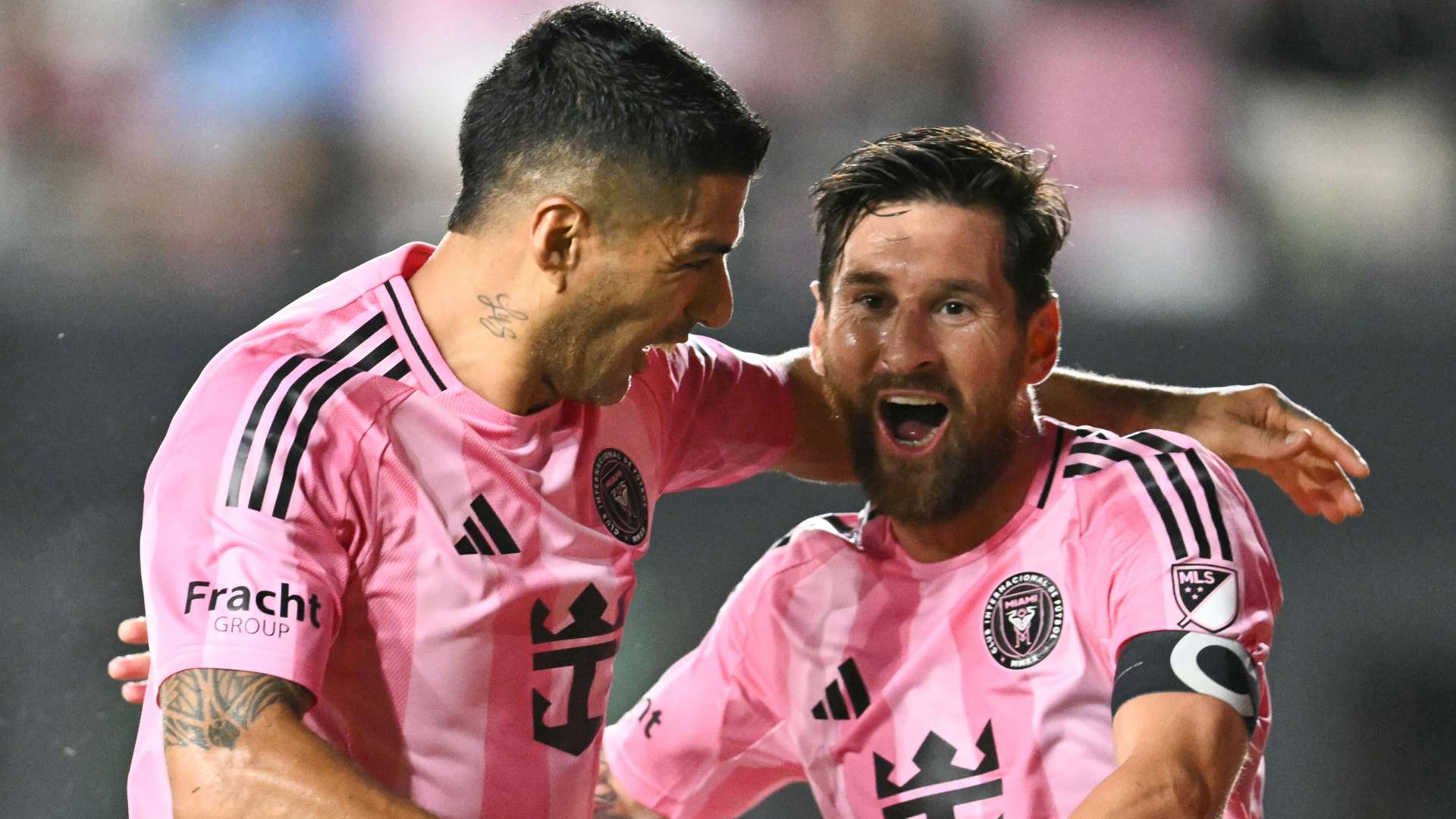
  • Luis Suarez Lionel Messi Inter Miami 2025Getty

    The highs are dazzling, the lows unmistakable.

    Eagle-eyed viewers might have noticed that Miami technically had a worse season than in 2024 - and they would be right. Last year, Miami set an MLS single-season points record and comfortably claimed the Supporters’ Shield. This year, they collected nine fewer points and conceded six more goals.

    Whether this is, overall, a worse team is up for debate. In truth, not much has materially changed. Names have come and gone, but the net effect is a remarkably similar squad in terms of talent. Rodrigo De Paul was an obvious upgrade in midfield. Yet Luis Suárez’s decline was stark and, at times, difficult to watch. The issues at center back also remain, with Maxi Falcón still unreliable next to the developing Noah Allen. Tadeo Allende and Telasco Segovia have provided flashes, but prioritizing them over Benjamin Cremaschi - before his loan to Parma - is open to scrutiny. And Sergio Busquets, who looked considerably older this season, has now retired following MLS Cup.

    Taken together, even if Messi’s numbers improved, the team around him did not. MLS Cup wins are incredibly difficult to come by, but it’s not outrageous to suggest that Vancouver may actually have outplayed Miami in the final.

  • ENJOYED THIS STORY?

    Add GOAL.com as a preferred source on Google to see more of our reporting

  • Inter Miami CF v Nashville SC - 2025 MLS Cup PlayoffsGetty Images Sport

    Is the window closing?

    The issue is simple: there is only so much Messi left. The Argentine may have signed a multi-year deal to stay in MLS, but time and resources are limited. Miami must operate under a tricky salary cap, and that means they need to be shrewd. The widely held belief has long been that if Miami built a more MLS-savvy team around Messi - players who understand the league - then long-term, sustainable success would follow.

    Instead, the club has been riskier and, at times, without clear direction. Allende and Segovia were signed from abroad. De Paul is elite, but another European product. Even Javier Mascherano had never overseen a minute of MLS before taking charge. Stars can be foreign in this league, but history has shown that the connective tissue around them must be MLS-experienced. It’s not unlike how Argentina constructed their national team: willing runners, hard-nosed competitors, a structure that makes Messi shine.

    Last year, the LA Galaxy learned this lesson the hard way. Their title-winning squad was built heavily on expensive imports. Salary-cap restrictions forced them to sell or release key players, and they fell to 14th in the Western Conference the season after lifting the trophy.

    The irony, of course, is that Messi is partly responsible. No one has said it outright, but it’s hardly a secret that Miami were built to provide a Barcelona reunion. Sergio Busquets admitted as much when he joined: he was “happy” to be playing with former teammates. Jordi Alba was even more direct:

    “We’re here to help [Messi], all the team, the staff. There is a great atmosphere. He’s feeling well, he’s feeling loved. That’s very important. He has won everything, yeah, and more. But he’s still willing to compete, to win.”

    It’s also fair to question whether Miami’s front office alone would have elected to sign Rodrigo De Paul, or loan Benjamin Cremaschi to Parma. MLS commissioner Don Garber has confirmed that roster rules are being reviewed, but no changes are imminent.

    Which means Miami have to get smart - quickly.

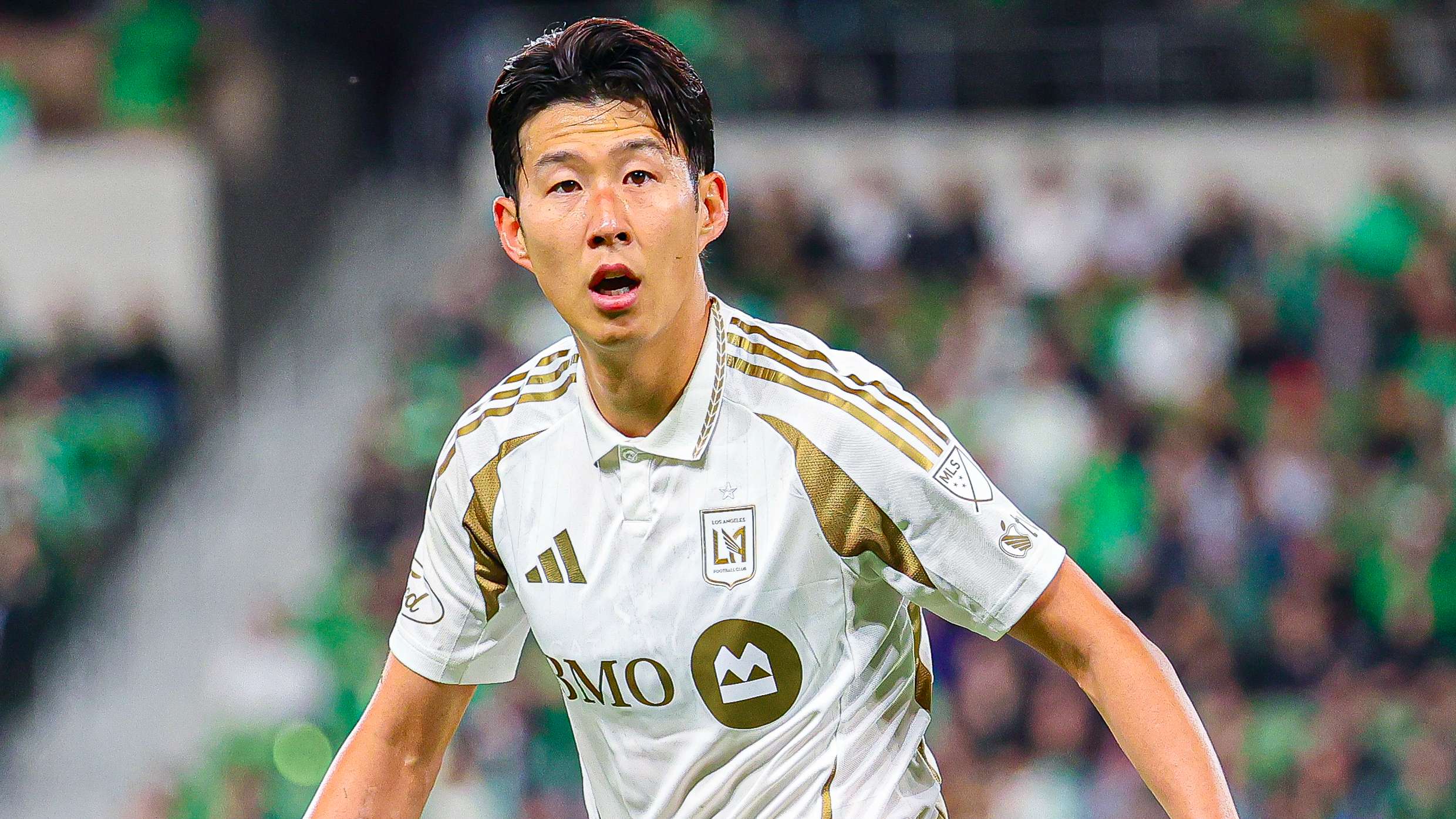
  • Son Heung-Min, LAFCGetty

    Sonny, Muller, and who else is next?

    And as for that MVP race, there could yet be change. Messi ran it this year. There was never really a question. But he has two quite obvious competitors next. Son has been magnificent since his arrival in the league. He scored 12 goals and added four assists in 13 games after signing for LAFC, and lifted Denis Bouanga - already one of the best forwards in MLS - to new heights alongside him. 

    Thomas Muller, too, will offer a challenge. He scored eight and added three assists in 11 games after sealing a Vancouver move, and served as a wonderful focal piece in a buzzing attack. The German might age more gracefully, having never relied on athleticism in quite the way Son has. 

    Of course, this is a good thing for MLS. Messi's singular brilliance has made for wonderful watching, but the side effect has been the erasure of competition around a hallmark award. MVP races are good. They are fun. They are vital in narrative building. The league really should have a proper contest for the award. 

    But the cost could be monumental for Miami. A full season of Son and Muller will be great for the fans. But it will also highlight just how far off the Herons could be. It's hard to see a direction here for them. Messi is the powerbroker, and there is a lack of MLS-savvy recruiters around him. The departure of Chris Henderson to Atlanta, a figure well-versed in American soccer, summed it all up.

    LAFC and Vancouver are the opposite. While Miami's transfer plans have typically centered around young Argentine prospects and big name signings, LAFC and Vancouver have been shrewd. The acquisition of Son was supported by a quartet of other arrivals to strengthen at center back and in center midfield - and round out the side. Vancouver saw Muller as the ideal finishing touch to get them over the line, a perfect addition to an already excellent team. Odds are, they will continue to retool and rebuild - even if Miami lifted the cup. 

    So, yes, Messi is deserving of the MVP. He should win one or two more. But squad building remains a concern - one that might certainly limit the Herons' championship credentials for years to come. And with other stars making well-built, effective teams stronger, the path to a second championship will only get more difficult to navigate. 

0