
 Backpage
Project Leader of the Video Assistant Referee team cautions against ‘VAR lite’ as 'system won't support' Premier Soccer League after trip to Royal Spanish Football Federation (RFEF) headquarters
 Danny Jordaan, SAFA, October 2025
Push for credibility and consistency
Calls for the introduction of Video Assistant Referee technology in the Premier Soccer League have grown steadily louder in recent seasons, with coaches, players and administrators all stressing that officiating standards must rise to meet the pace, intensity and scrutiny of the modern game. The PSL has become faster, more competitive and more commercially visible, and with that growth has come heightened pressure on referees to deliver decisions that are both accurate and consistent.
Controversial calls have repeatedly ignited frustration among clubs and supporters, sparking debates that spill beyond the pitch and into boardrooms, media spaces and fan forums. For many, the demand for VAR is no longer framed as a luxury or a technological convenience; it has become a necessity, a safeguard to protect the credibility of match outcomes and the integrity of the league itself.
As the South African Football Association weighs its options, the conversation has shifted decisively. The question is no longer whether VAR should be introduced, but rather how quickly a full system can be implemented, and whether the league has the financial and logistical capacity to support it.
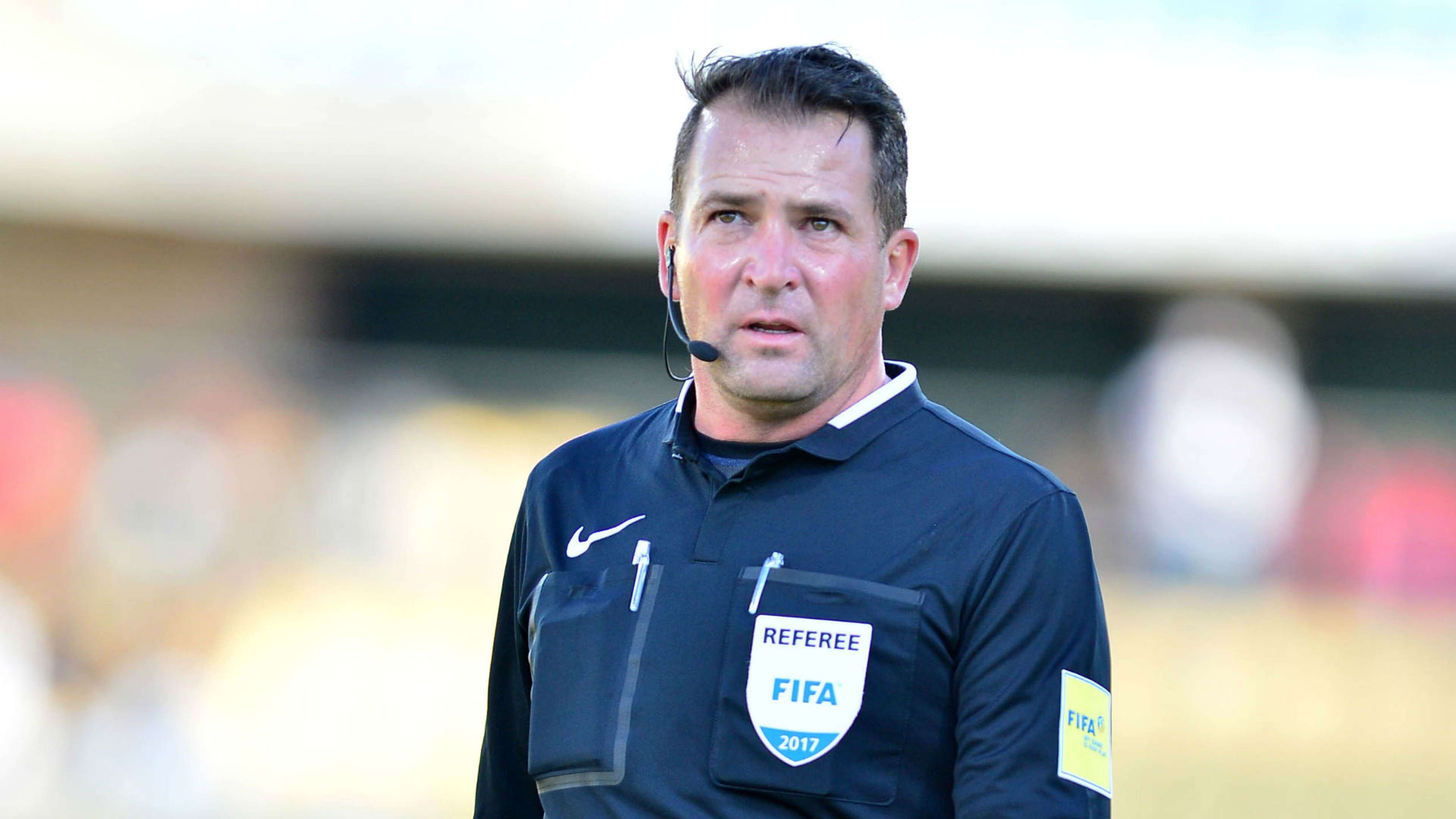 Backpagepix
Bennett to fast-track process of finalising SAFA VAR plans
"When I get back on Monday, I will have an urgent meeting, because on Tuesday, there will be a portfolio meeting with VAR, likely to be one of the key points of the discussion, and so all of our ducks have to be in a row for that meeting,” Bennet said via SABC Sport.
"We need the full VAR. VAR Lite is just a lighter version of the full offering, requiring only four cameras. That system won't support our league, the PSL needs full VAR, and what we saw yesterday at Quality Media was a very good system which is going to go into our melting pot. Now it's all about working out costing and budgeting,” he concluded.
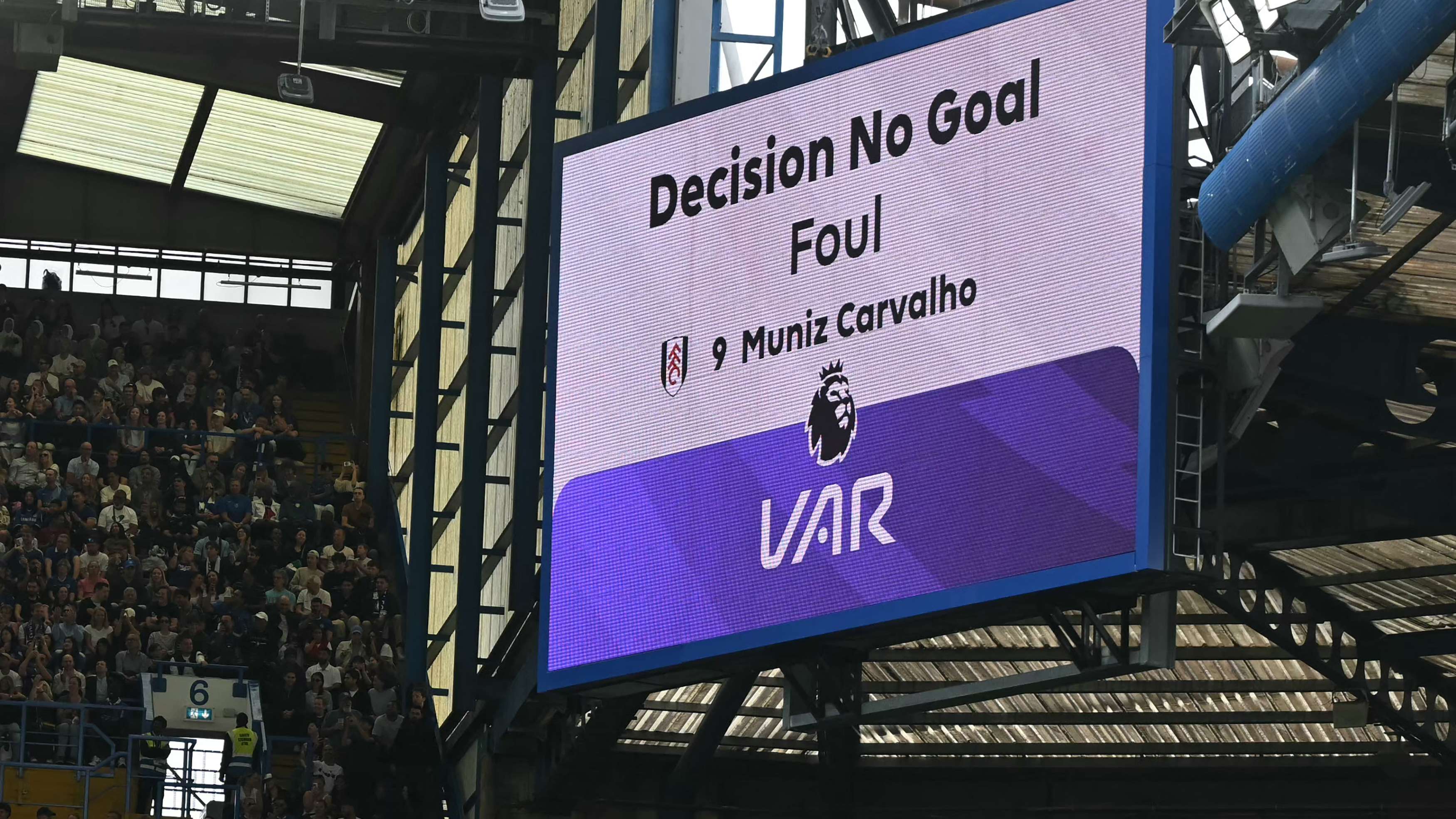 Getty
GettyVAR already shaping the game up north
Across North Africa, countries such as Algeria, Egypt, Morocco and Tunisia have already taken decisive and coordinated steps to embed full VAR systems into their domestic leagues. By doing so, they have not only raised the bar for officiating standards but also demonstrated a clear commitment to aligning with global best practice. Their competitions now reflect the same level of credibility, accuracy and professionalism that supporters have come to expect in Europe and other leading football regions, ensuring that referees are equipped with the tools to make fair and consistent decisions in even the most high‑pressure fixtures.
With that momentum firmly established, South Africa cannot afford to trail behind its rivals. The PSL risks losing ground not only in credibility but also in competitiveness if it fails to match the strides already made up north.
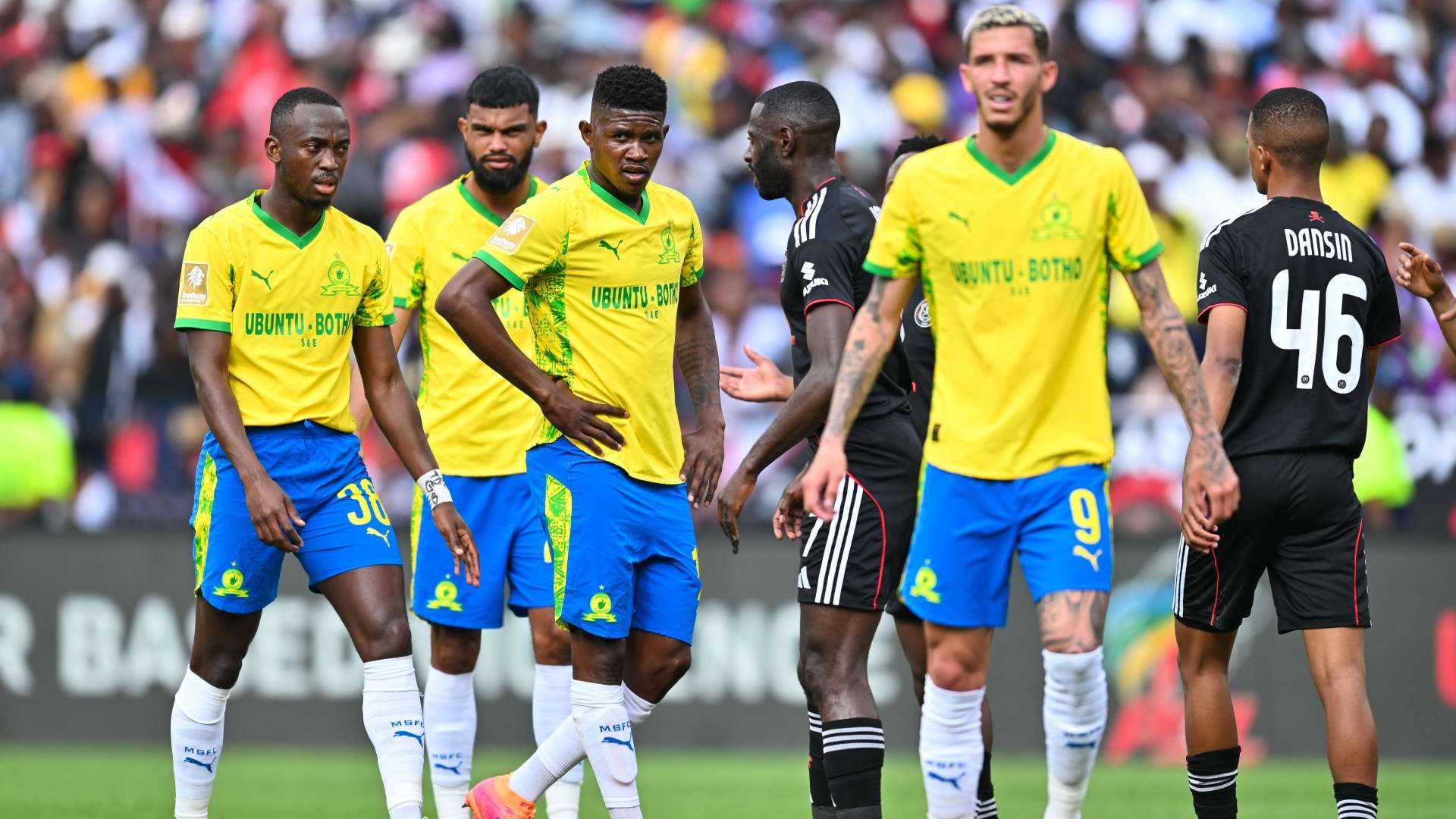 Backpage
The path forward
As the intention is to ensure that the PSL continues to uphold the highest possible standards, attention now shifts to the next critical step in the process. On Monday, SAFA will convene a briefing designed to finalise its plans and prepare for the decisive engagement with the Department of Sports, Arts and Culture’s parliamentary portfolio committee on Tuesday, November 18. This meeting is expected to serve as a pivotal moment, providing clarity on how the association intends to move from broad intention to concrete implementation.
Central to the discussion will be the practical realities of introducing full VAR technology into the PSL. Questions around costing, budgeting, and timelines are likely to dominate the agenda, as stakeholders seek to understand not only the scale of investment required but also the speed at which the system can realistically be rolled out.
The outcome of these deliberations will be closely watched across the footballing landscape. Administrators and referees will look for clarity on operational frameworks, while clubs and supporters, who have long called for technology to safeguard the integrity of results, will be eager to see whether promises translate into action.