GOAL's Rebel United series focuses on players who prefer to swim against the tide, players such as Zlatan Ibrahimovic – an icon who not only disrupted the system, but also subjugated it...
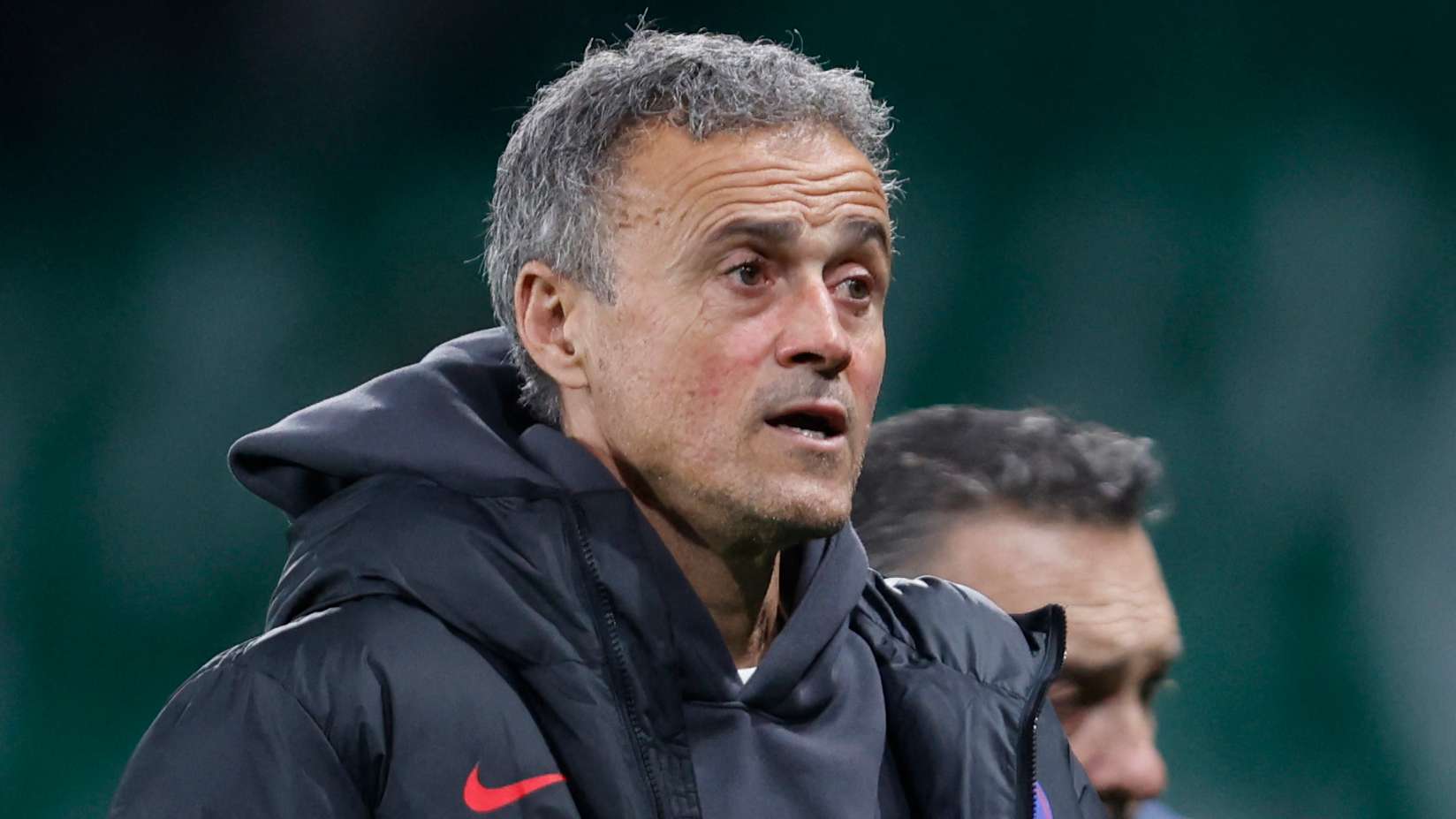
Paris Saint-Germain boss Luis Enrique has sent out a pointed message on his future, amid talk that he could become a summer target for Manchester United. The head coach has a contract until 2027, and is expected to reject the interest of the Red Devils to remain in the French capital. United are expected to appoint a permanent manager at the end of the season.
We still have a title race in England! Manchester City's hopes of winning the Premier League looked to be over after they fell behind to another stunning free-kick from Dominik Szoboszlai at Anfield on Sunday, but Pep Guardiola's men produce a sensational fightback to defeat Liverpool 2-1 and close the game to leaders Arsenal to just six points.
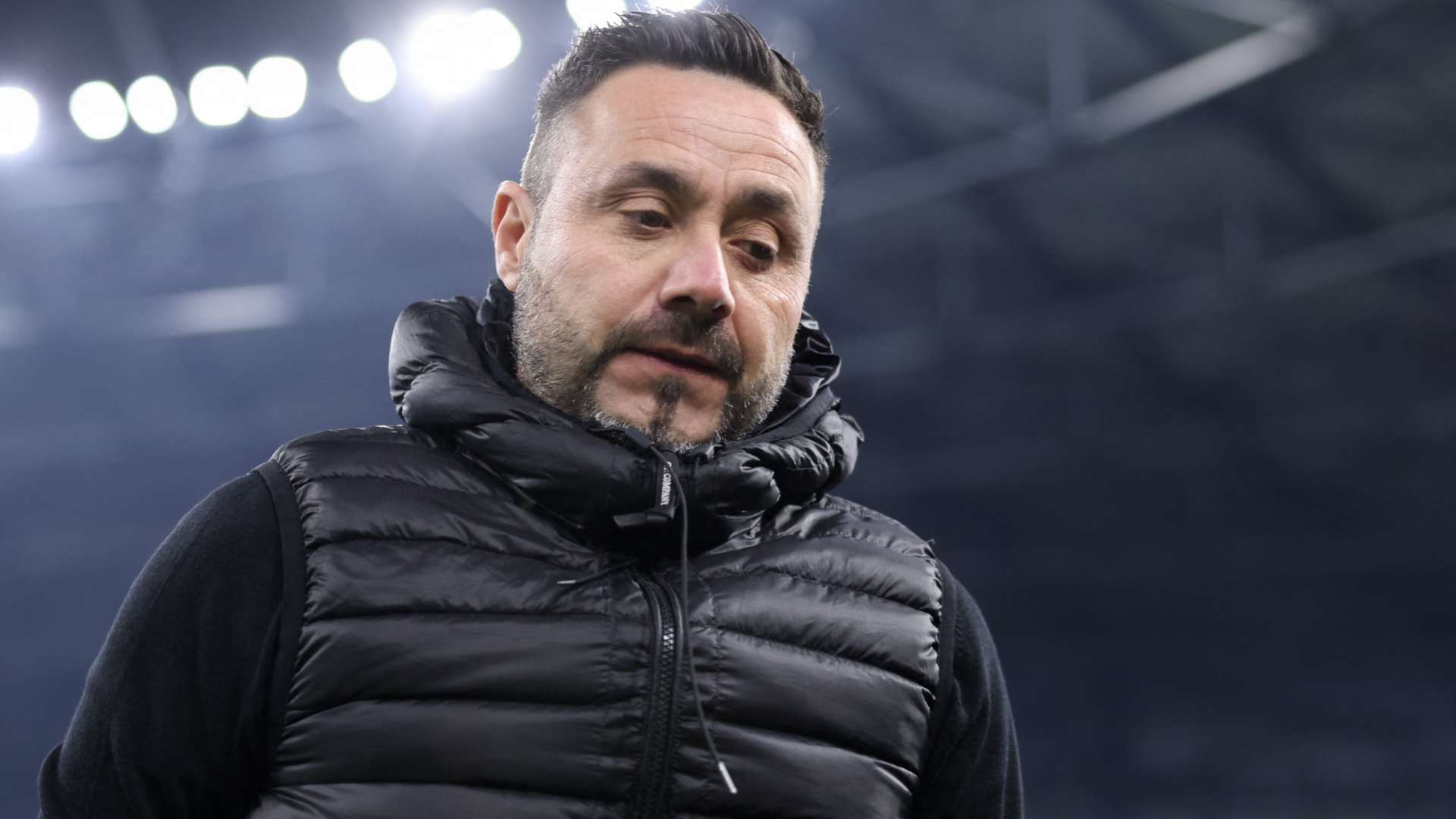
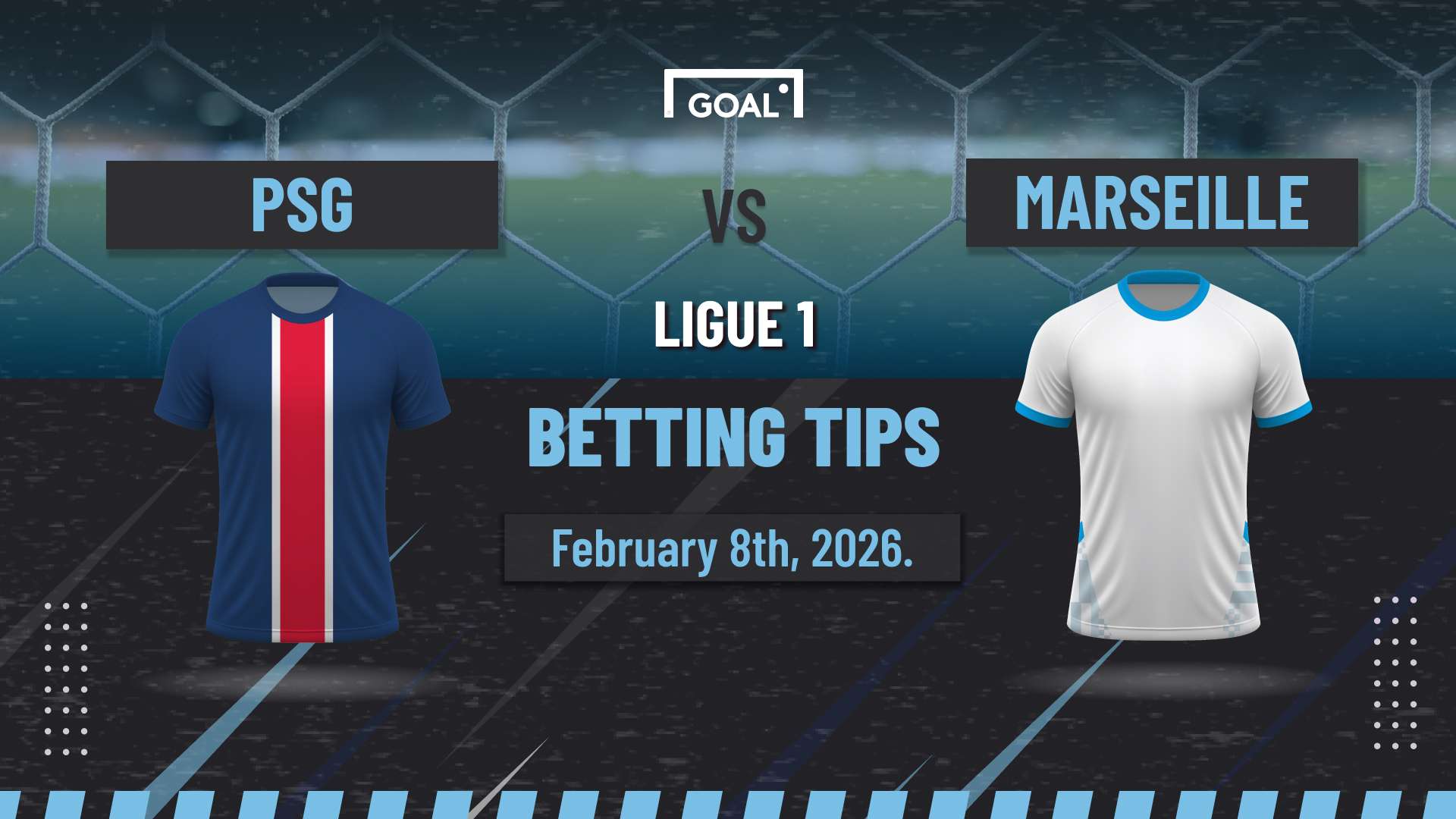
Roberto De Zerbi questioned the mindset of Mason Greenwood and Co after seeing Marseille suffer a humiliating defeat in their Classique clash with arch-rivals Paris Saint-Germain. The reigning Ligue 1 champions put in a dominant display at Parc des Prince, running out 5-0 victors, with some difficult discussions being planned at Stade Velodrome.
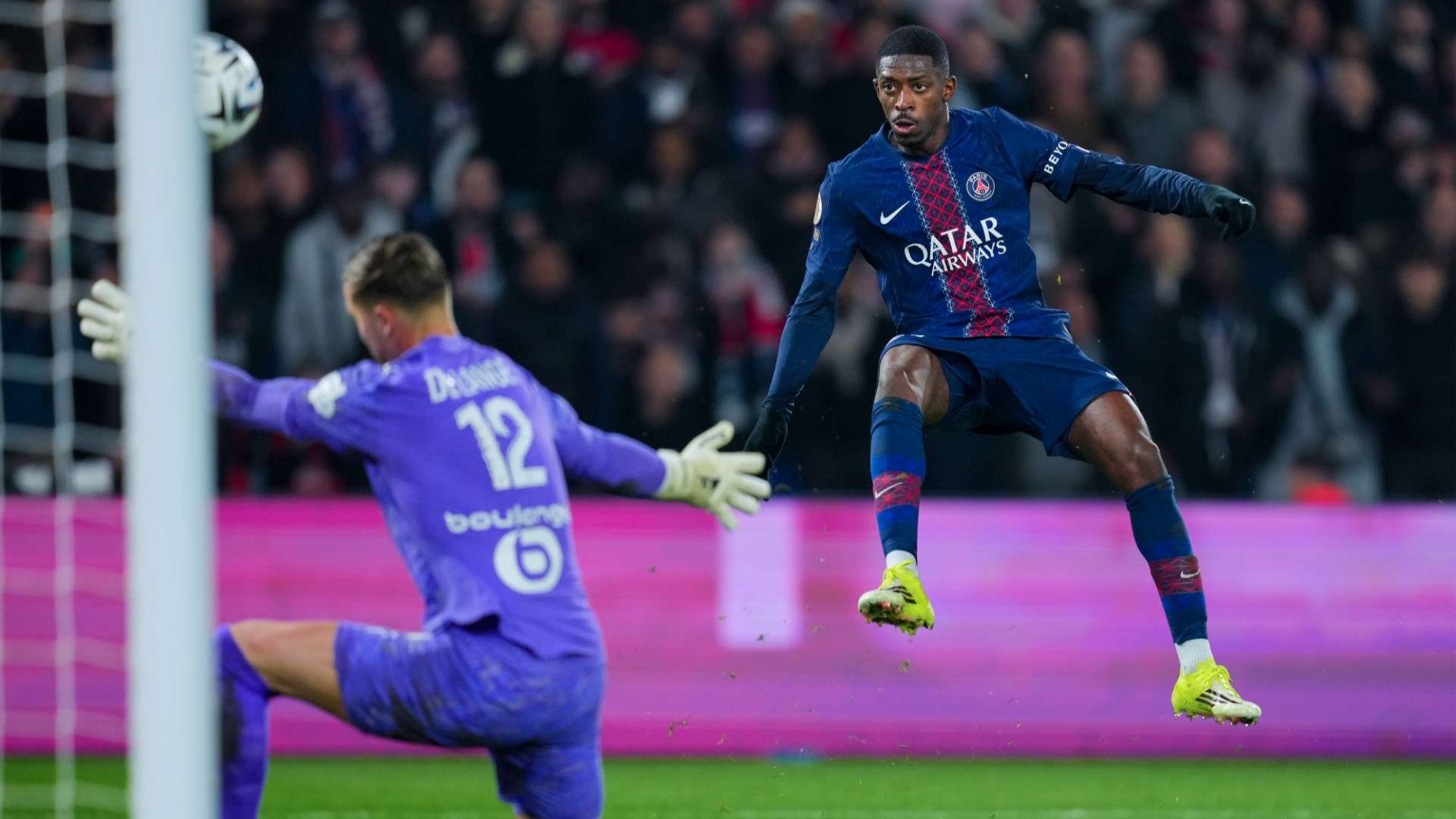
Ousmane Dembele sent an ominous warning to Paris Saint-Germain's domestic and European rivals after scoring another Puskas Award contender against Marseille on Sunday night. The 2025 Ballon d'Or winner hit a brace as PSG romped to a 5-0 victory in Le Classique, which saw them return to the top of Ligue 1 ahead of Lens.
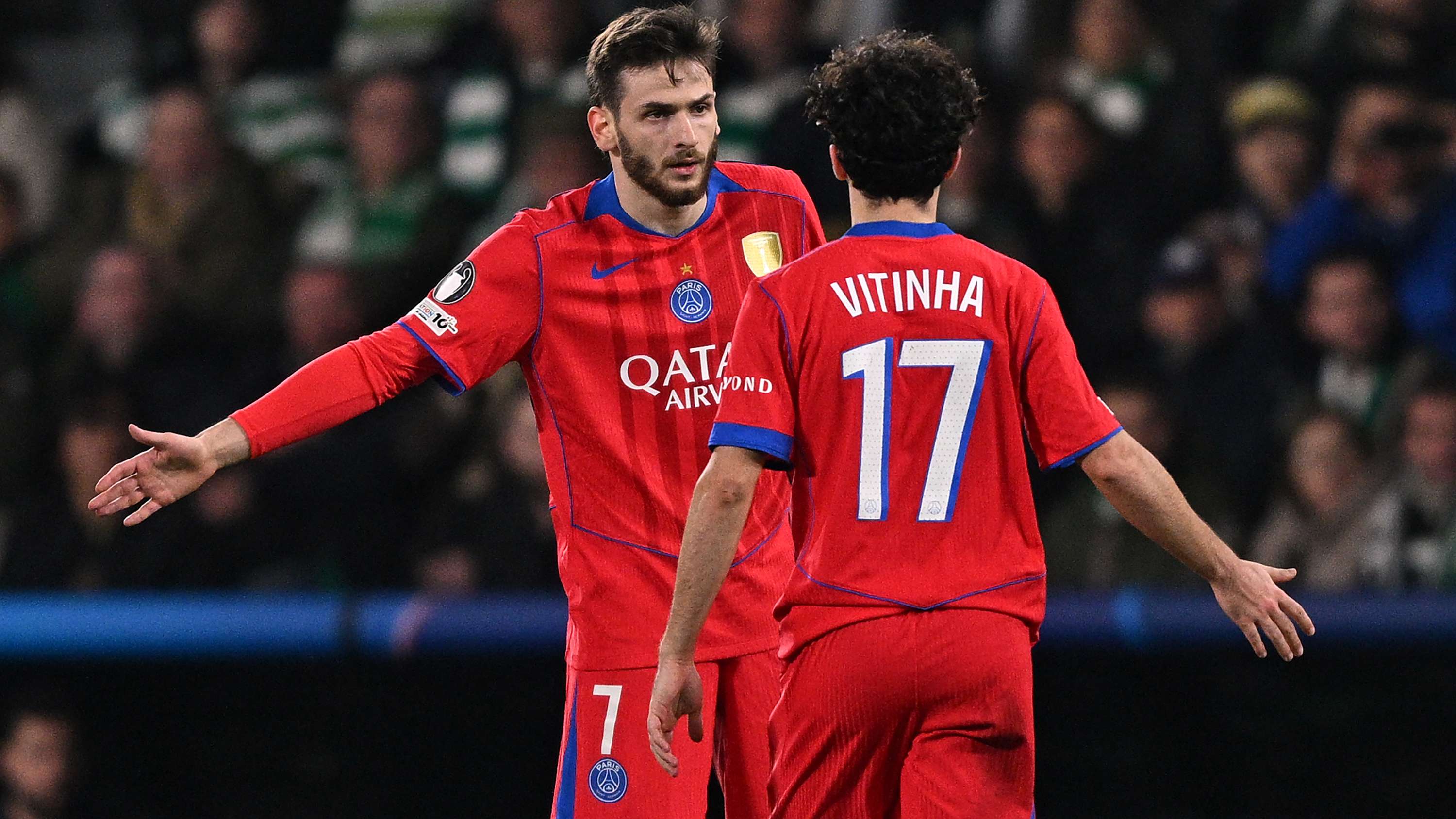
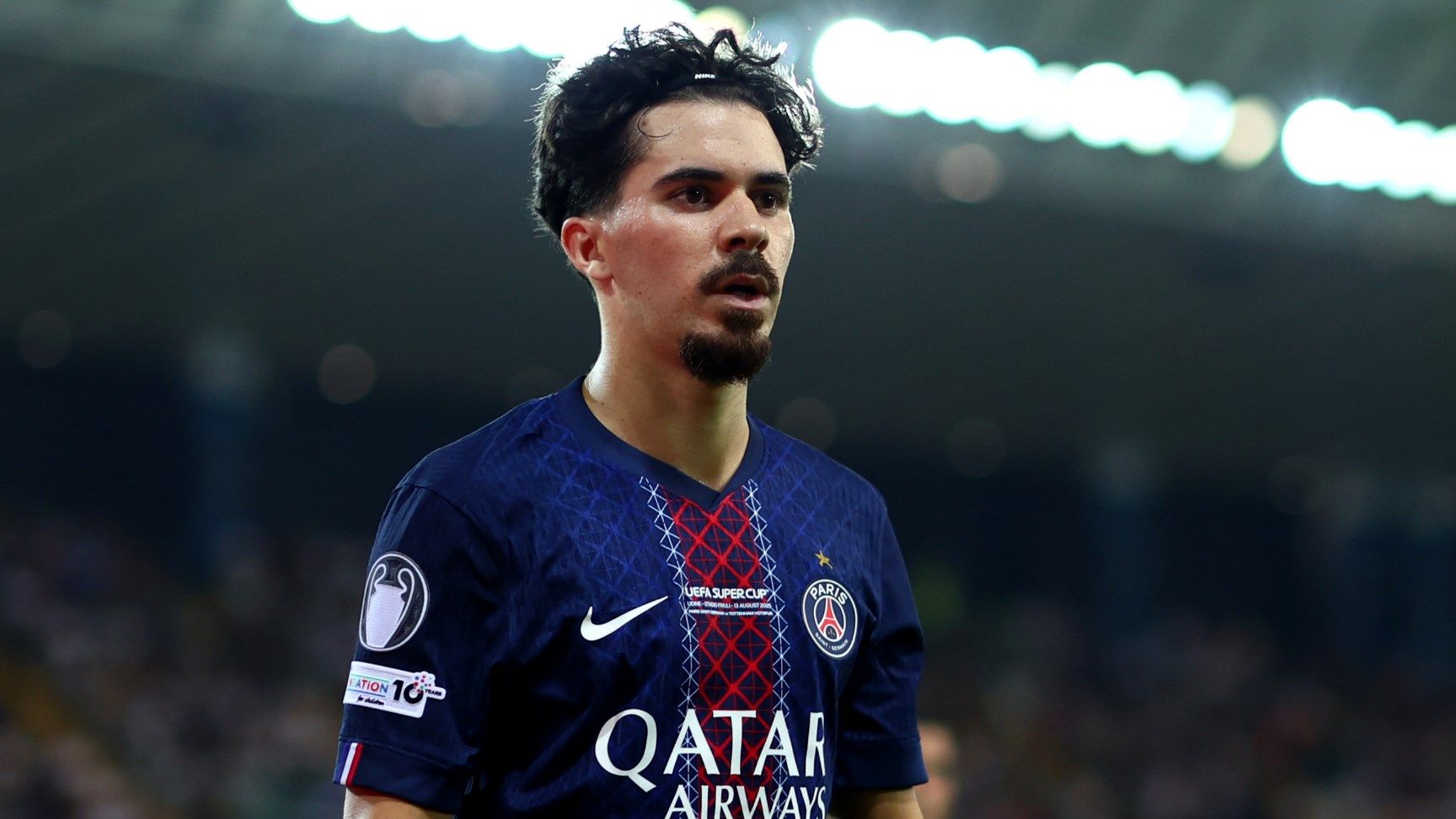
Paris Saint-Germain midfielder Vitinha is reportedly a priority target for Real Madrid as Los Blancos eye a midfield signing ahead of next season. The 25-year-old has become one of the world's best during his time in Paris and is now believed to be top of Real Madrid's list of transfer targets as they make plans for the future, which also include the likes of Endrick and Nico Paz.
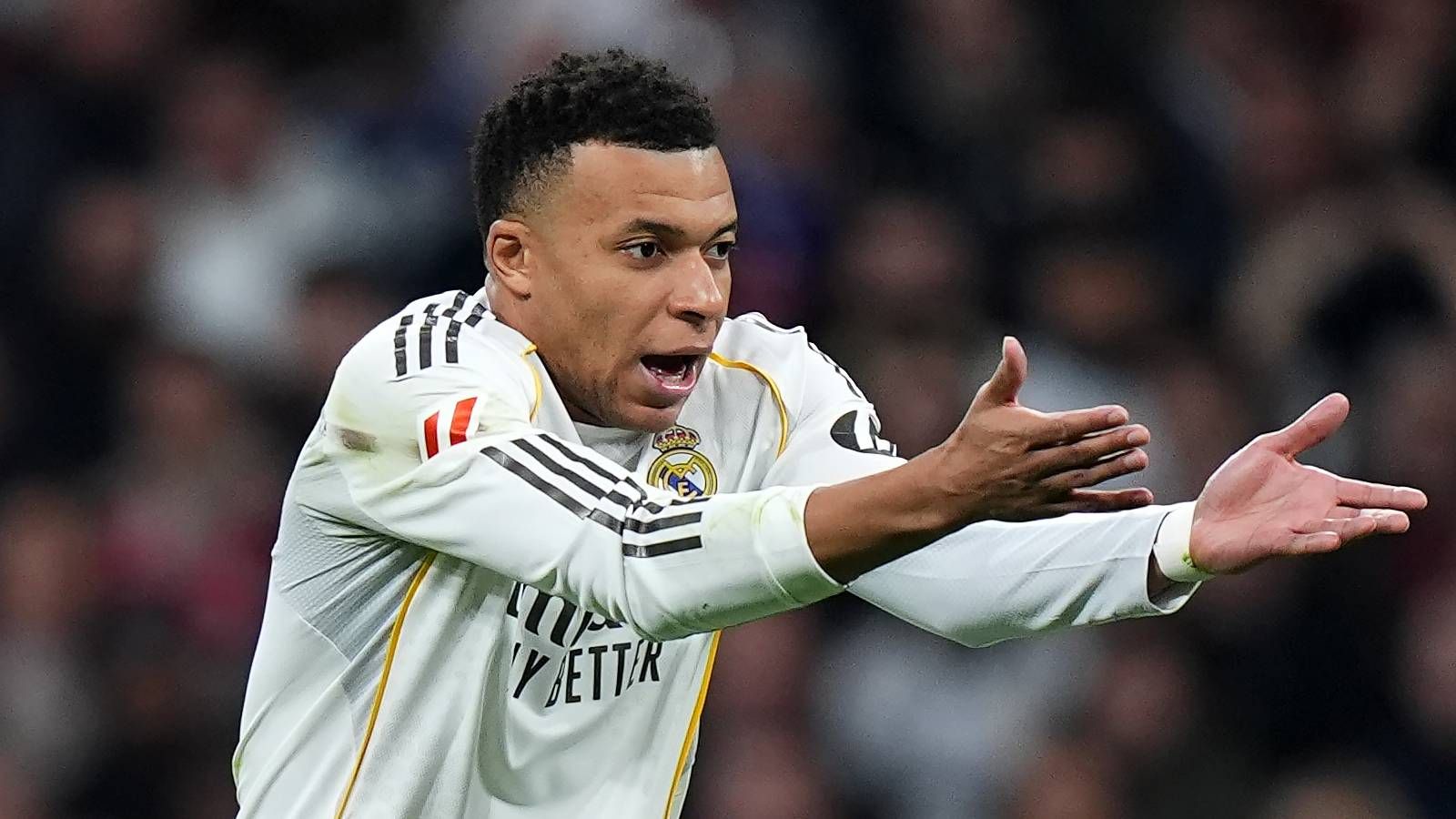
Kylian Mbappe has sent a bailiff to Paris Saint-Germain to demand €5.9 million from his former employers, with the club now facing a deadline of eight days within which to pay the striker. The Ligue 1 giants have already paid out €55 million (£48m/$65m) of a €60.9m (£53m/$72m) settlement.
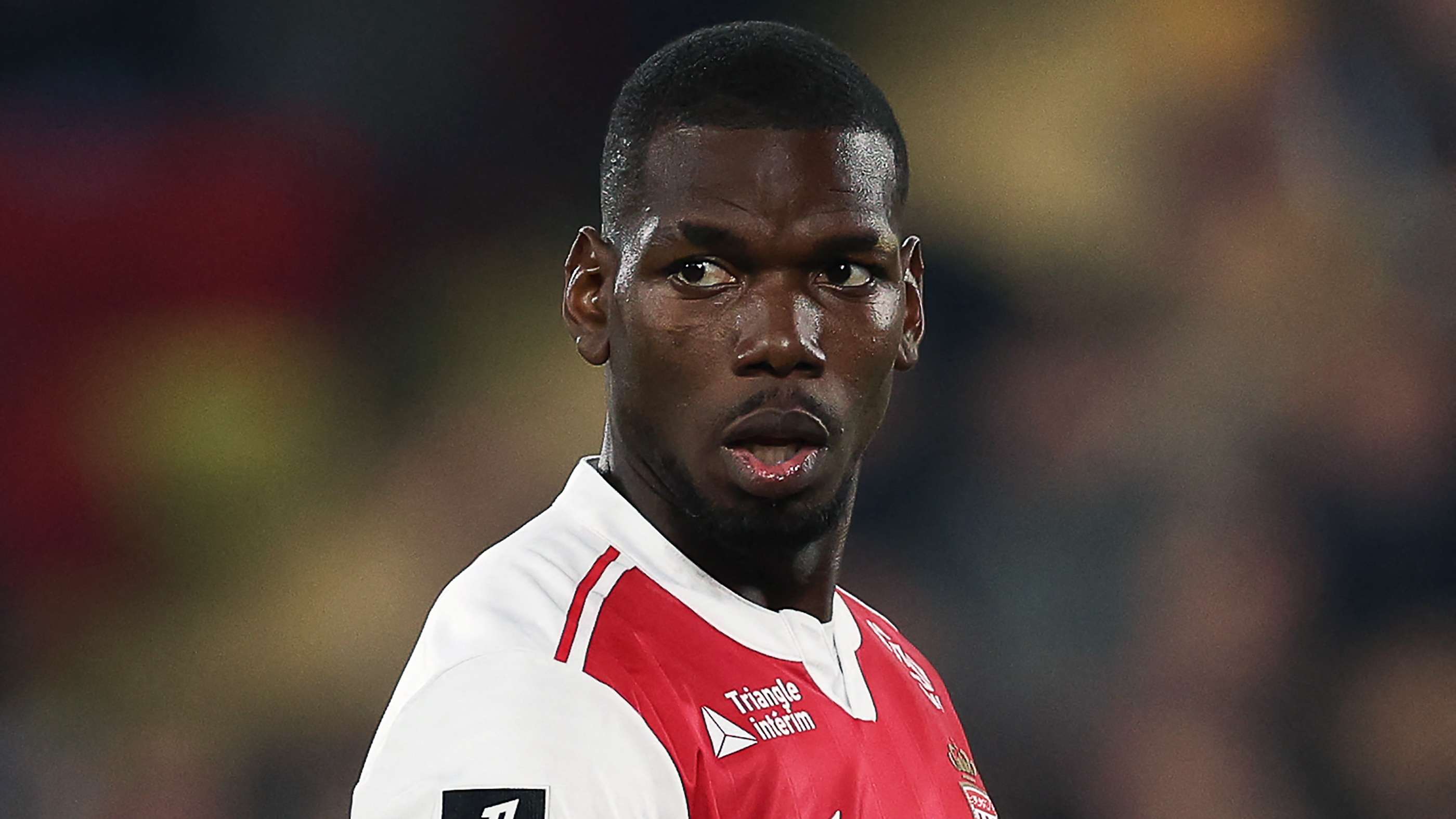
Paul Pogba has been removed from Monaco's Champions League squad ahead of their upcoming knockout round play-off with domestic rivals Paris Saint-Germain. Pogba was included in their European roster for the first half of the season despite battling with injuries and focusing on a return to full fitness, but will sit out their tie against the reigning champions of France and Europe.
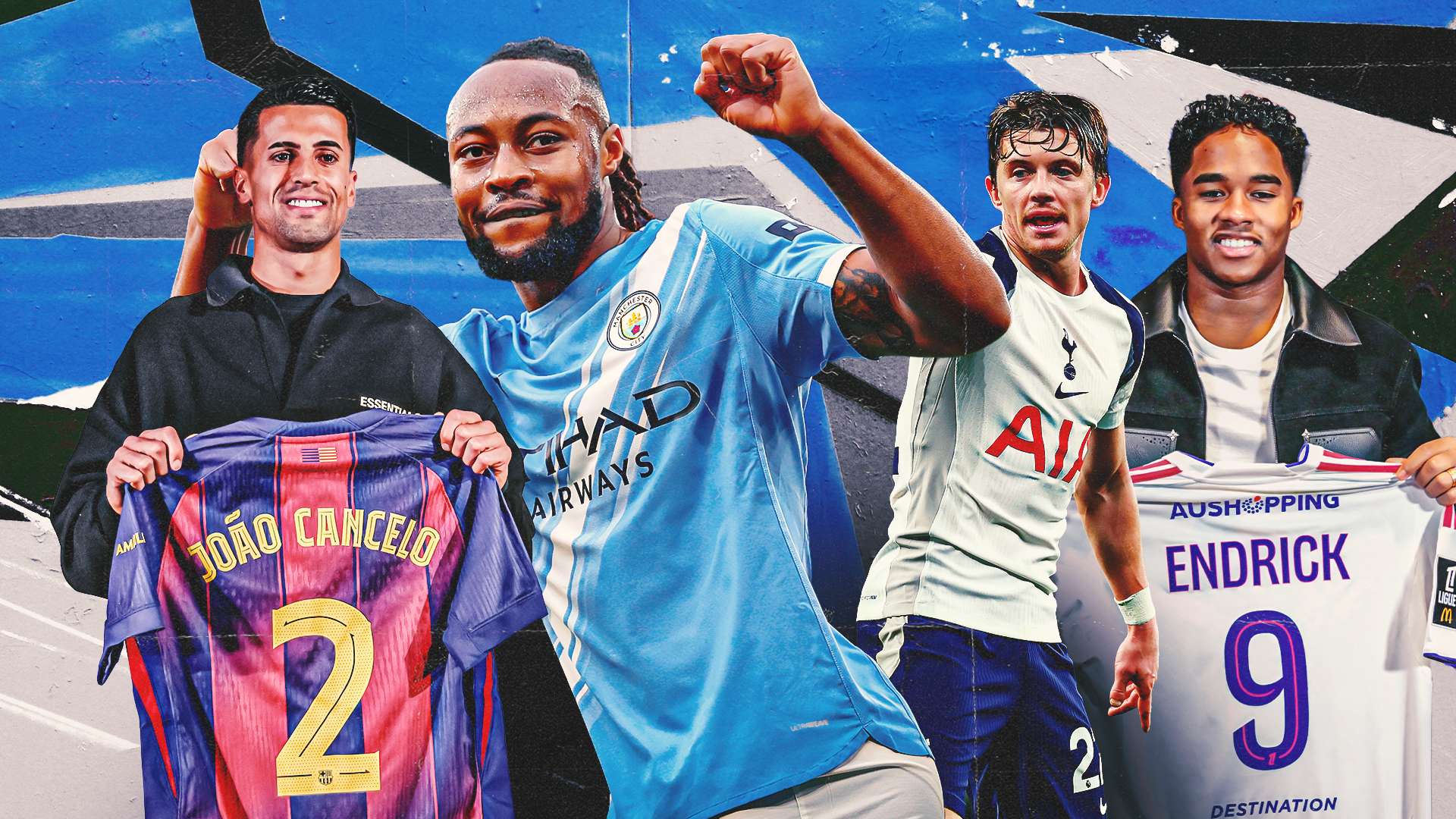
Famously, the January transfer window is the more difficult of the two to operate in. It's hard to persuade other clubs to give up assets mid-season, sometimes even harder to convince players that they're better off making a move immediately rather than waiting until the following summer. But that doesn't mean deals are impossible, or that you can't get good value for your buck.
January is a notoriously bad time for buyers because nobody ever wants to sell top talent midway through the season. There are, however, exceptions to the rule. Some clubs need to raise funds to balance the books, while others can be left with not option but to unload an unhappy player who has made it clear that he wants to join a stronger side.
After all the drama provided by the Champions League in midweek, domestic action returned over the weekend, and it did not disappoint. Title races and battles to earn European spots are heating up around the continent, with there plenty of twists and turns still to come over the next three-and-a-half months.
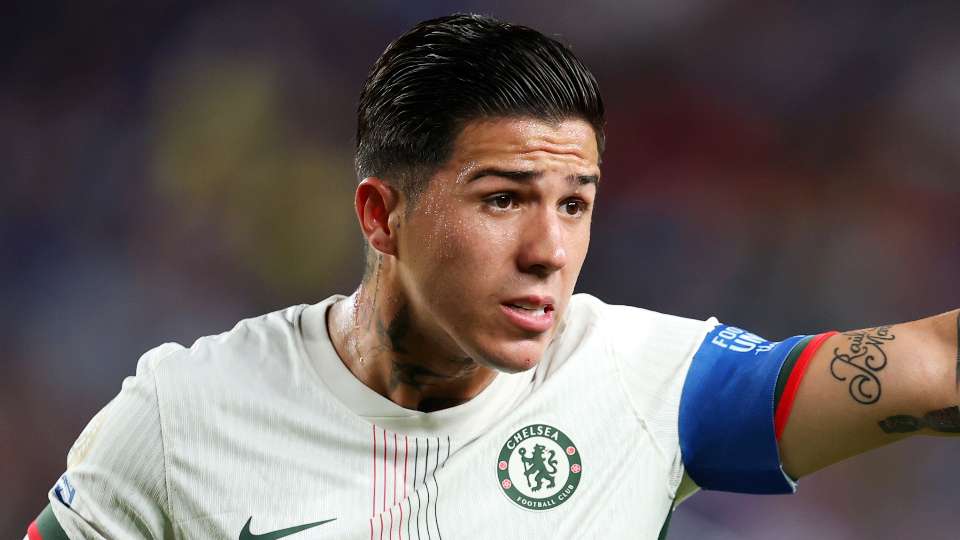
Enzo Fernandez is reportedly among a group of Chelsea players who feel their recent performances should prompt fresh talks about a new contract. The Argentine has been linked with interest from Real Madrid and Paris Saint-Germain but he still has more than six years on his current deal. Blues boss Liam Rosenior is keen to retain the midfielder but whether he stays at the club next season remains to be seen.
Real Madrid will be reunited with Jose Mourinho’s Benfica in the Champions League knockout play-off round, while title holders Paris Saint-Germain must overcome domestic rivals Monaco in order to reach the last-16 and Newcastle face a tough test against Qarabag. A number of European heavyweights are paying the price for failing to secure a top-eight finish in the league phase.
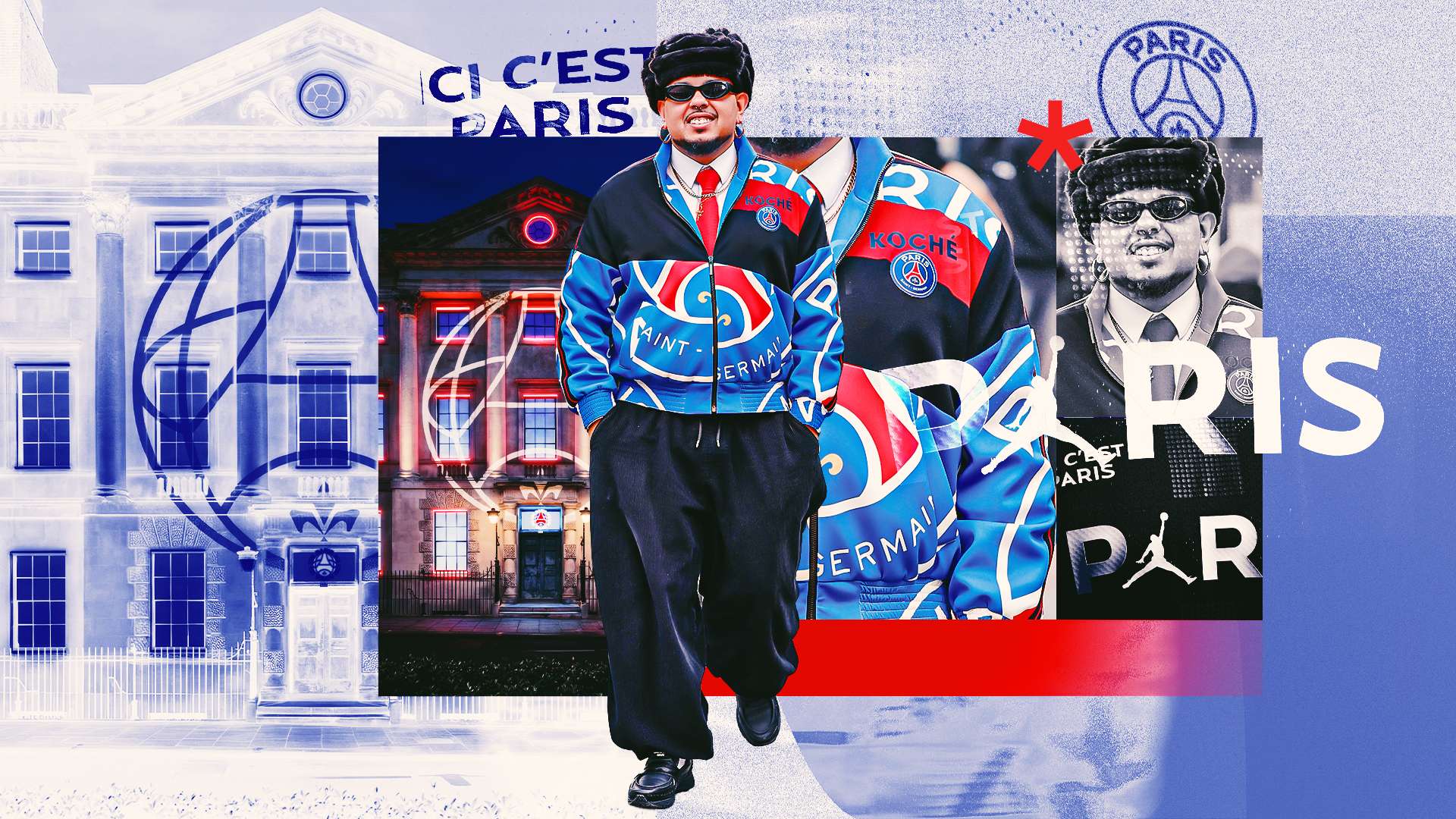
Paris Saint-Germain have enjoyed a meteoric rise on and off the pitch over the last decade or so, growing their global profile exponentially and ending the long, long wait to become European champions. In February, PSG will take over a corner of the English capital in a showcase of the cultural phenomenon the French giants have become.
So there we have it! After a mammoth 144 games that included plenty of goals and drama, the curtain has been drawn on the league phase of the 2025-26 Champions League. Arsenal finished top of the table with a perfect record, while Manchester City secured automatic qualification to the round of 16 by the skin of their teeth. But three historic European giants have been eliminated already, in the form of Napoli, Marseille and Ajax.
The Champions League league phase drew to a predictably chaotic conclusion on Wednesday, with all of the matchday eight fixtures kicking-off at the same time. The net result was numerous positional changes over the course of 90-plus minutes of madness, though the highlight was undoubtedly Anatoliy Trubin scoring a last-second header to keep Benfica in the competition.
Manchester United’s hopes of landing Luis Enrique have suffered a major setback as Paris Saint-Germain open talks to extend his contract beyond 2027. The 55-year-old, identified as a top target for the Red Devils, is reportedly fully settled in Paris, with the French champions determined to secure the long-term future of a manager they now regard as the "best in the world".
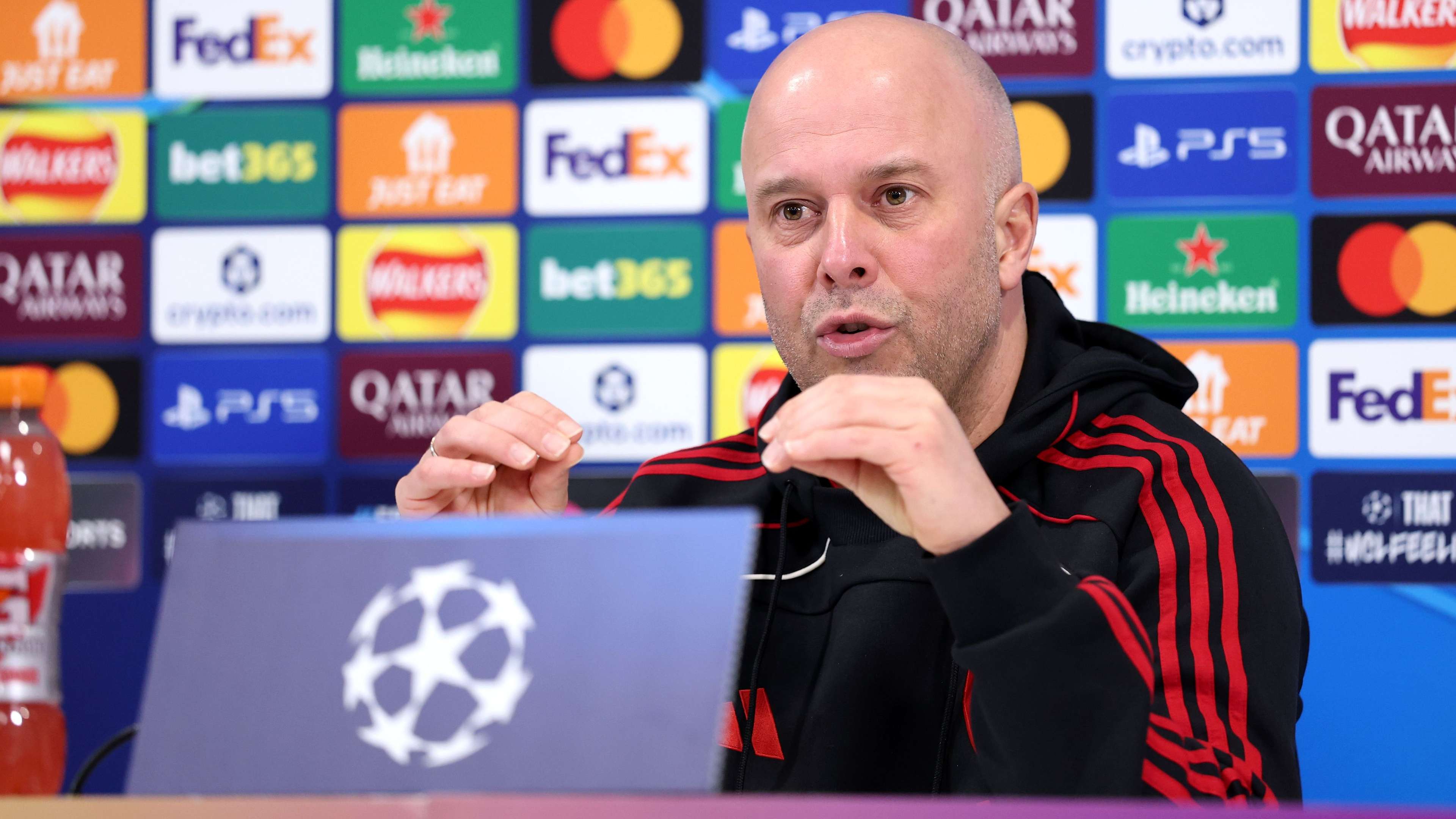
Liverpool fans appear to be losing patience with head coach Arne Slot, with his comments about how Paris Saint-Germain helped them win the Premier League title last season angering many. The Reds face Qarabag in the Champions League on Wednesday night, knowing they have already assured themselves of a place in the play-off round at least.

 Paris Saint-Germain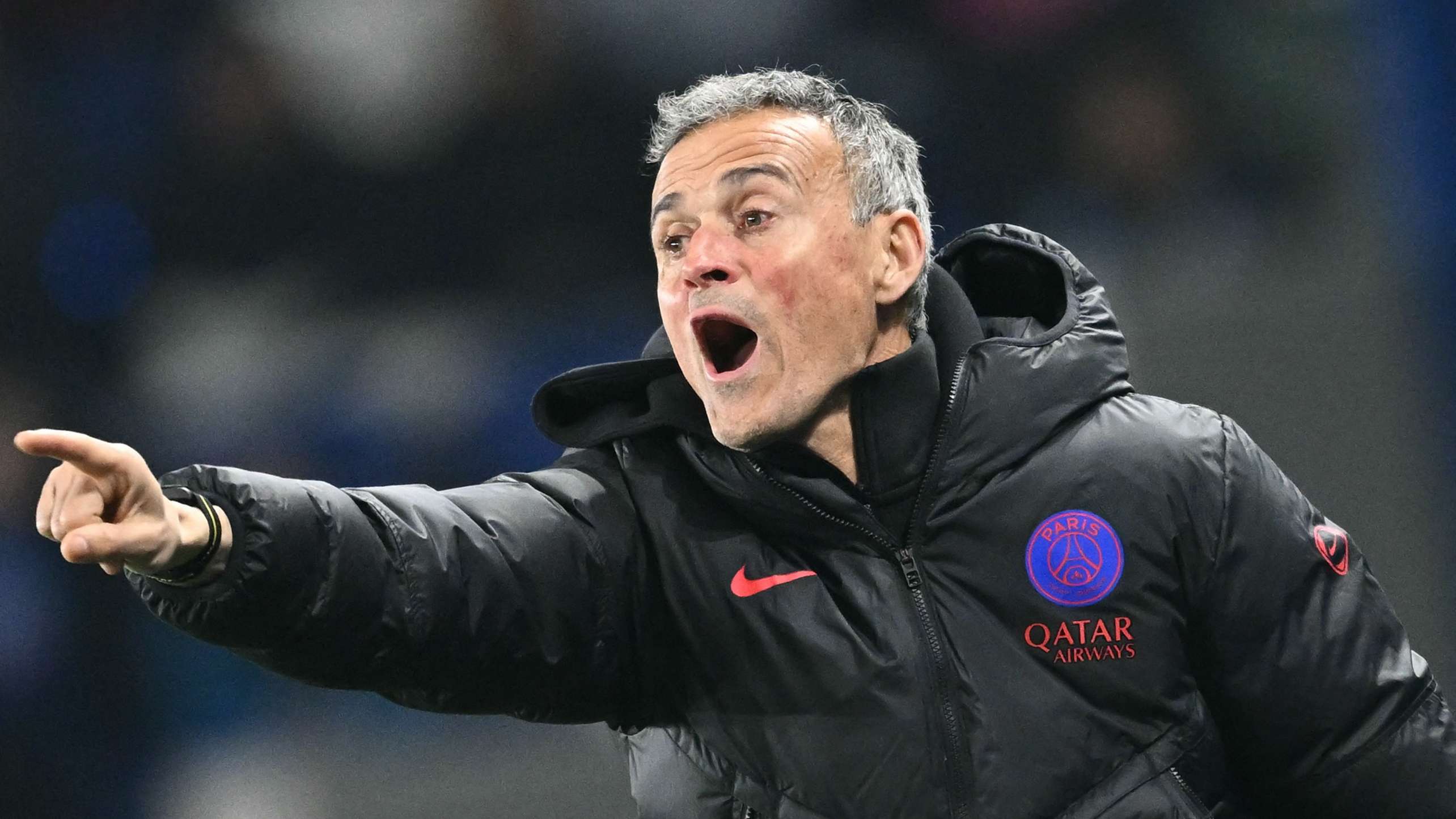
.jpg?auto=webp&format=pjpg&width=3840&quality=60)
.jpg?auto=webp&format=pjpg&width=3840&quality=60)
.jpeg?auto=webp&format=pjpg&width=3840&quality=60)

.jpg?auto=webp&format=pjpg&width=3840&quality=60)


.jpg?auto=webp&format=pjpg&width=3840&quality=60)
.jpg?auto=webp&format=pjpg&width=3840&quality=60)

.png?auto=webp&format=pjpg&width=3840&quality=60)