A decade into Gianni Infantino’s presidency, FIFA has expanded globally while becoming more polarizing, shaped by growth, controversy and constant change.
New Year's Eve is almost upon us, meaning 2025 is about to be consigned to the past - but how will it be remembered by the football world? It was certainly an unforgettable year for some players, coaches and clubs. Paris Saint-Germain, for example, finally got their hands on the trophy they craved above all others, the Champions League, thus vindicating a sensible change in recruitment strategy by the club's owners, who went from signing superstars to investing millions in youth.
UEFA is facing separate legal battles worth a total of €4.5 billion as Real Madrid and A22, the company behind the European Super League, are suing the governing body in the wake of a court ruling. A22 have also sent a letter to UEFA president Aleksander Ceferin, demanding the controversial project be given full approval.
The Dutch professional footballers' union (VVCS) has joined a growing class action lawsuit against FIFA, the KNVB and several national football associations over what it calls an “unfair” transfer system. The legal challenge, spearheaded by the Justice for Players foundation, could impact over 100,000 players across Europe and potentially reshape football’s transfer rules.
Chelsea skipper Reece James has sent a warning to FIFA ahead of the 2026 World Cup as he urged the football’s governing body to rethink kick-off times to protect players from potentially "dangerous" heat conditions. The 25-year-old defender, who lifted the Club World Cup with Chelsea in the United States earlier this year, described the sweltering temperatures during the tournament as "super difficult" and believes that matches played in similar conditions next summer could put players’ health at risk.
Three Premier League clubs are set to compete in the Club World Cup from the next edition as FIFA aim to increase the number of teams in the competition. The inaugural edition of the tournament, held in the USA, saw English giants Chelsea winning the title by beating European champions Paris Saint-Germain 3-0 in the final. The representative from England were Manchester City.
The UEFA Women's Euro 2025 starts on July 2 and runs until the grand final on July 27. The Women's Euro 2025 will take place across Switzerland, featuring stadiums in Basel, Geneva, and Bern.
How to buy Women's Euro 2025 tickets?
If you're looking for your chance to secure Women's Euro 2025 tickets, fret not. We've got all of the intel for you to get a seat at this international tournament in Switzerland.
You can buy England Women's Euro 2025 tickets on the official UEFA website or through England Football. However, since the general sale of tickets has long been open and was allocated on a first-come, first-served basis, there might now be only a limited number of official tickets available through these sites.There are a number of tickets available on the secondary market. StubHub is one of the leading retailers for those seeking to buy tickets through alternative channels. StubHub's website guarantees you will get tickets in time for the event you are attending and a valid entry ticket, so you'll be able to enjoy the tournament, even if you're looking for tickets to the Women's Euro final, semi-final,quarter-final, or any other event.
When is Women’s Euro 2025?
UEFA Women's EURO 2025, which is the 14th edition of the Women’s European Championship, is being held from Wednesday, July 2 to Sunday, July 27. Switzerland is staging the tournament for the first time, and the host nation will be hoping that playing in front of their fervent home fans will prove to be a good omen. The Netherlands were the host nation when they won the Women’s Euro 2017, and England reigned supreme on home turf at Women’s Euro 2022. Women’s Euro 2025 matches will be staged in eight Swiss cities: Basel, Bern, Geneva, Zurich, St.Gallen, Lucerne, Thun & Sion.
Other major timelines for the events you might want to note include:
Who are the reigning UEFA Women’s European champions?
Women’s Euro 2022 was won by the tournament hosts, England. Chloe Kelly was the goalscoring heroine as she netted the winning goal in extra time against Germany. It was the first time an England senior team had won major footballing honours since the men’s side had won the FIFA World Cup in 1966. The Lionesses were led by Sarina Wiegman, who had coached the Netherlands to glory five years earlier at Women’s Euro 2017.
Which countries are playing at Women's Euro 2025?
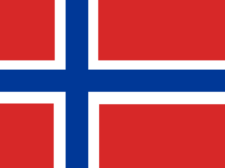
The 16 teams playing at Women’s Euro 2025 are split into four groups of four teams. The top two sides in each group will progress to the quarter-finals. The groups were confirmed during December’s draw in Lausanne and are as follows: Group A: Switzerland, Norway, Iceland, Finland