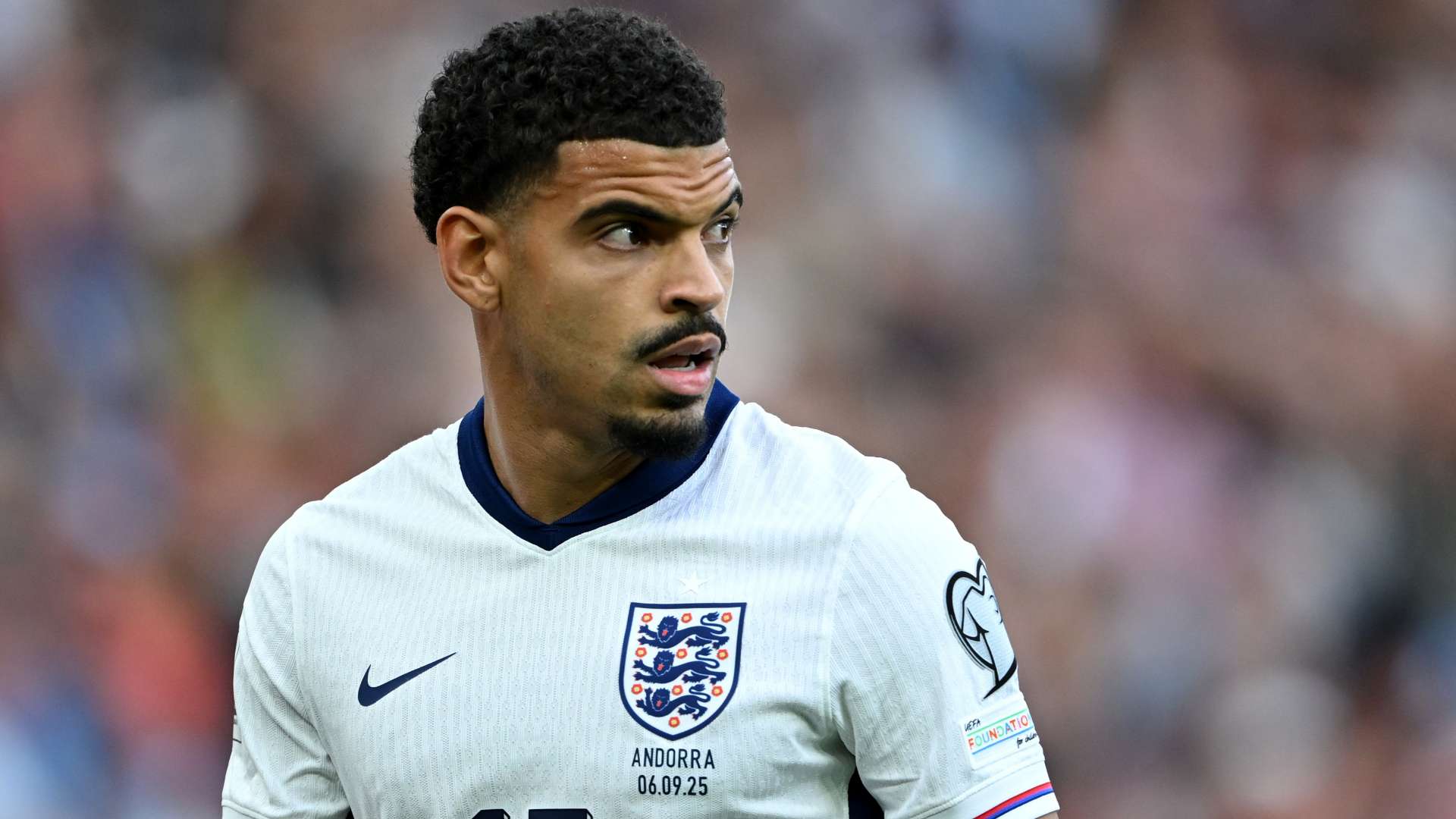
El Manchester City está preparando una profunda remodelación de su mediocampo, con un presupuesto de 190 millones de libras, ya que Pep Guardiola busca sustituir a los iconos que abandonan el club; Sandro Tonali y Elliot Anderson han sido identificados como los principales objetivos para liderar una nueva era en el Etihad Stadium.
La Premier League ha confirmado su última ronda de modificaciones en el calendario para la retransmisión televisiva, lo que ha supuesto cambios drásticos en los horarios de varios equipos punteros de cara al tramo final de la temporada. Los aficionados se enfrentan a una serie de horarios de inicio poco habituales, ahora que la lucha por el título y la batalla por los puestos europeos alcanzan su punto álgido en mayo.
La leyenda del Manchester United, Nicky Butt, ha dado su opinión sobre la estrategia de fichajes del club para el centro del campo, ahora que los «Diablos Rojos» buscan reforzar su plantilla de cara a un posible regreso a la Liga de Campeones. El exjugador, ganador de un triplete, ha señalado a la estrella del Crystal Palace, Adam Wharton, y a Elliot Anderson, del Nottingham Forest, como objetivos principales. Butt cree que uno de estos talentos, que ya han demostrado su valía en la Premier League, es el candidato ideal para liberar a Kobbie Mainoo y permitirle desempeñar un papel más adelantado.
Al parecer, tanto el Borussia Dortmund como el Bayer Leverkusen han puesto sus ojos en un jugador brasileño que actualmente está sumando un punto tras otro.
Declan Rice se presenta como el modelo a seguir perfecto para su compañero en la selección inglesa Adam Wharton, ya que el centrocampista del Crystal Palace tiene un aspecto concreto de su juego que debe mejorar. Este creador de juego de 22 años está considerado como una de las mayores promesas de la Premier League, pero aún no ha marcado ningún gol con los Eagles. Clinton Morrison ha comentado esta sorprendente estadística con GOAL y ha explicado en quién debe fijarse Wharton para inspirarse.
Manchester United, often simply referred to as "United," are one of the most iconic and successful football clubs in the world, based in Old Trafford, Greater Manchester, England. The club was founded as Newton Heath LYR Football Club in 1878 by the Lancashire and Yorkshire Railway depot at Newton Heath. The team changed its name to Manchester United in 1902 and moved to its current home, Old Trafford, in 1910.
Famous players
Manchester United have been home to some of the greatest footballers in history. Sir Bobby Charlton, a World Cup winner with England in 1966, is arguably the most iconic figure in the club's history. Other legendary players include George Best, known for his flair and skill, and Eric Cantona, who brought a winning mentality to the club during the 1990s. More recent stars like Cristiano Ronaldo, Wayne Rooney, and Paul Scholes have also contributed significantly to the club's success.
Honours
Manchester United are one of the most decorated clubs in English football, having won a record 20 Premier League titles (formerly the First Division). They have also lifted the FA Cup 12 times, the League Cup five times, and the UEFA Champions League three times. The club's dominance in English football was particularly evident during the 1990s and early 2000s under manager Sir Alex Ferguson.
Managers
Sir Alex Ferguson is undoubtedly the most successful manager in Manchester United's history. He spent 26 years at the club, leading them to an unprecedented era of success. Before Ferguson, managers like Matt Busby and Wilf McGuinness played crucial roles in shaping the club's identity. More recent managers, including David Moyes, Louis van Gaal, and José Mourinho, have faced the challenge of maintaining the club's high standards.
Stadium
Old Trafford, often referred to as the "Theatre of Dreams," is one of the most famous stadiums in the world. With a capacity of roughly 75,000, it is among the largest football stadiums in the United Kingdom. The stadium has hosted numerous major matches, including UEFA Champions League finals and FIFA World Cup matches.
Location
Manchester United are based in the city of Manchester, which is located in the northwest of England. The club's home ground, Old Trafford, is situated in the Trafford borough. Manchester is a major industrial city with a rich footballing heritage.
Owners
In February 2024, British billionaire Sir Jim Ratcliffe's company, INEOS, acquired a significant 25% stake in Manchester United. This acquisition granted Ratcliffe sporting control over the club, placing him in a position to influence key decisions related to its operations.
Ratcliffe has already made a substantial financial commitment to Manchester United. His large investments demonstrate his dedication to the club's success and his willingness to provide the necessary resources for its growth.
Preguntas frecuentes
Can I access Tottenham Hotspur Stadium using public transportation?
Yes, Tottenham Hotspur Stadium is very accessible via public transport. You can use:
Train & Tube: White Hart Lane (Overground), Northumberland Park (Greater Anglia), Tottenham Hale and Seven Sisters (Victoria Line).
Bus: Routes 149, 259, 279, 349, W3, with extra services on matchdays.
Shuttle: Free shuttles run from Alexandra Palace and Wood Green stations (advance booking required).
Are there parking facilities available at Tottenham Hotspur Stadium?
No, there is no public parking available on matchdays. Fans are strongly encouraged to use public transport or park-and-ride services in nearby areas.
Can I purchase Tottenham Hotspur Stadium tickets at the box office on matchdays?
Matchday box office sales are limited and not guaranteed. It’s best to buy tickets in advance through the official Tottenham Hotspur website or authorised agencies such as Seat Unique for hospitality packages.
Does Tottenham Hotspur Stadium have a roof?
Yes, the stadium has a fully covered roof, ensuring that all seating areas are protected from the elements while maintaining excellent sightlines of the pitch.
How many people does Tottenham Hotspur Stadium hold?
Tottenham Hotspur Stadium has a capacity of 62,850, making it one of the largest stadiums in London and the UK.