+18 | Commercial Content | T&C's Apply | Play Responsibly | Publishing Principles
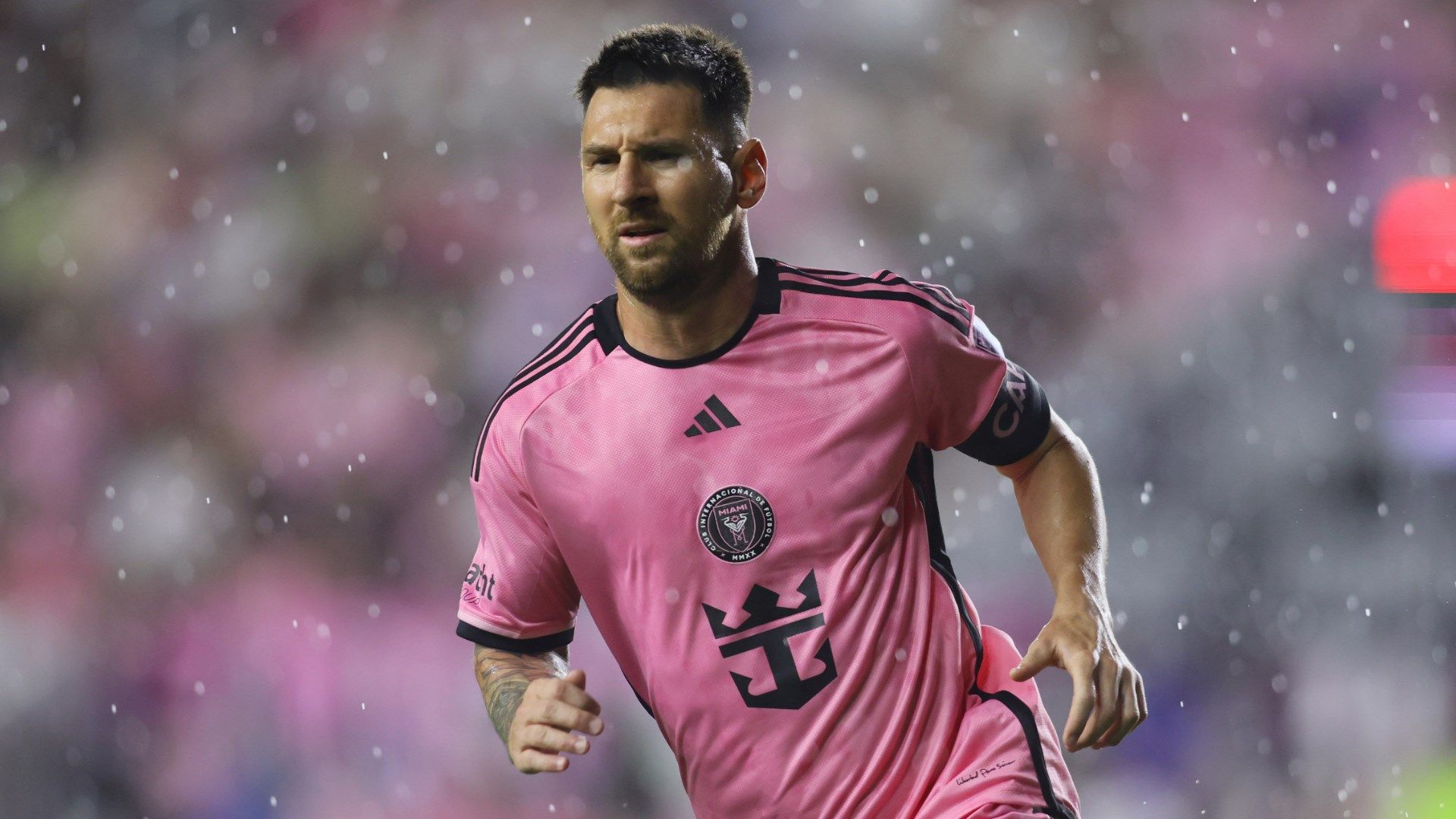
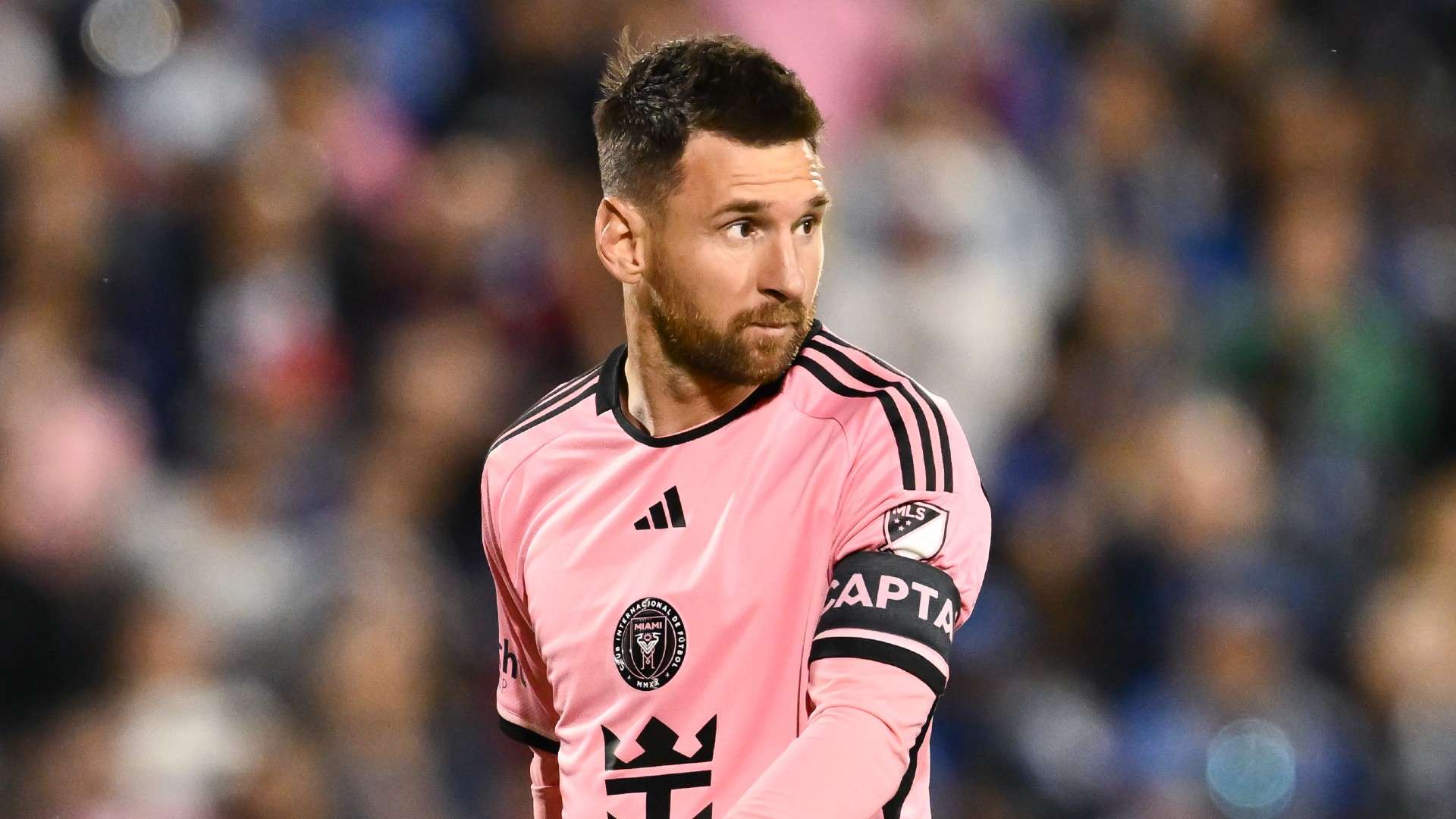
Lionel Messi Inter Miami 2024Getty Images

Lionel Messi and MLS: Argentina must dominate Copa America to bolster league’s perception

When Lionel Messi stood on the stage in front of thousands of adoring fans who had waited in the pouring rain at DRV PNK Stadium, it felt like the start of something. There he was - 5-6 of footballing genius, the GOAT, the all-time leader in Ballons d'Or wins, less than nine months removed from lifting the World Cup - being presented to America.

In a sense, this was the culmination of Major League Soccer's dream. The immigration of superstars started with David Beckham in 2007, and had steadily chugged along in the 16 years since. But not until Messi was handed the pink jersey for the first time did it feel like MLS had really made a splash. This was not only a landmark moment for the league, but also legitimacy for the wider world. Messi gave MLS the co-sign, the ultimate street cred it needed.

A year on, and the league has changed immensely - not in competition necessarily, but certainly in notoriety. Apple paid $2.5 billion (£2bn) to secure TV rights for league matches, and directed some of that money to give Messi's salary a bump. Jersey sales have skyrocketed, while global interest has demonstrably spiked.

But perception is a difficult thing to negotiate. For all of the positives that Messi has brought to MLS - magical left foot, money, marketing appeal, mania among fans - this is still a competition looked down upon with scorn by many in the footballing populous.

Good thing, then, that the Copa America arrives on American shores this week. Messi will represent Argentina, and in doing so, become the de facto ambassador for MLS - a litmus test for the quality of play in the league. Pressure doesn't really exist for Messi, but MLS certainly needs the legendary Argentine to perform, if only to prove that they are a quality home for Messi - the greatest to ever do it - to kick a ball in his twilight years.
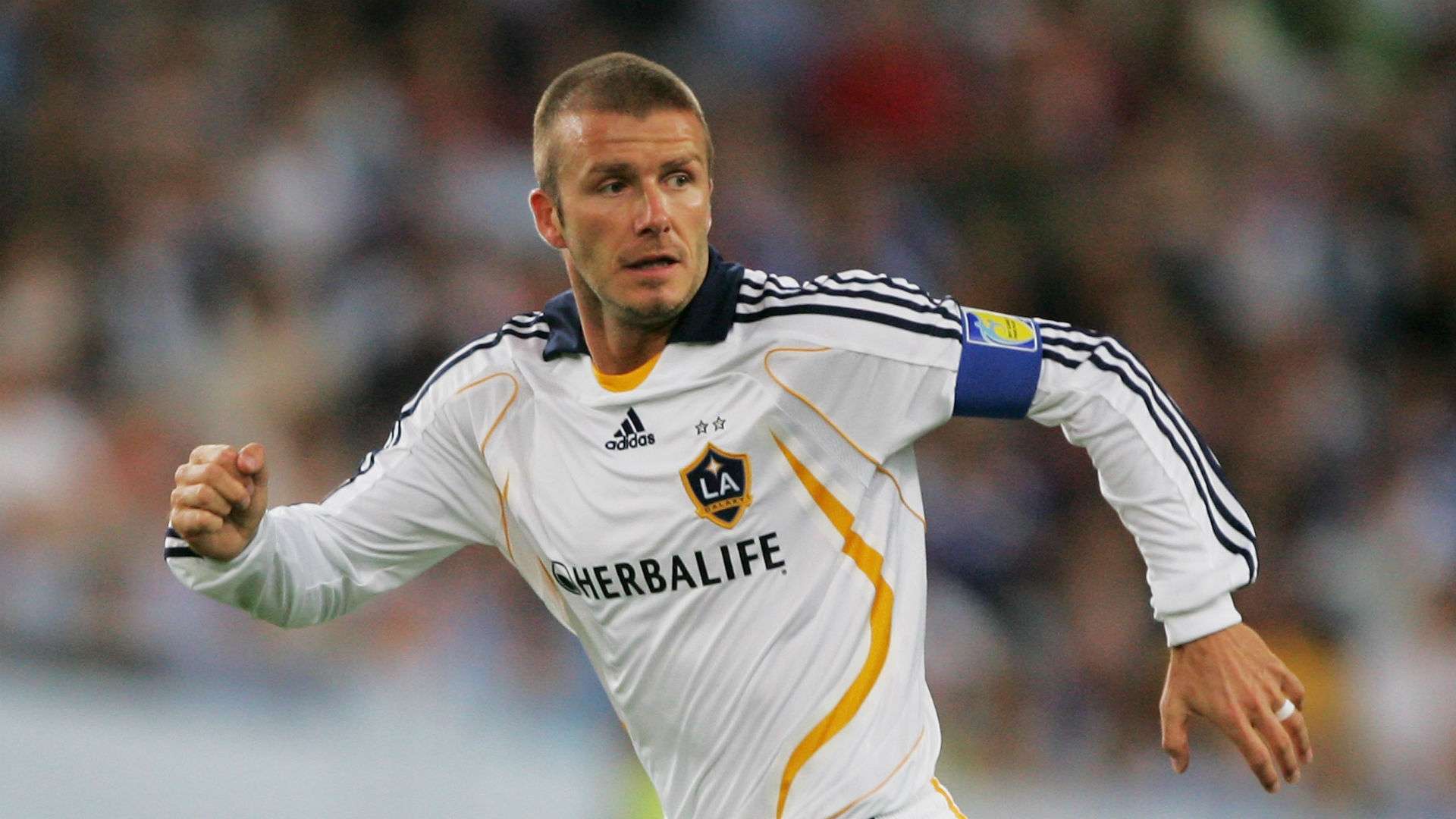
  • David Beckham LA Galaxy 2007Getty

    Popular perception

    Beckham didn't move to LA Galaxy in 2007 for the quality of the league. He was snatched over to LA for what it represented. He had a celebrity wife, and probably needed to move away from the searing spotlight of European football. Watch the Beckham Netflix documentary and it all becomes clear. Beckham was greeted with lavish parties, but played on poorly-marked turf fields. Tom Cruise, Katie Holmes and Arnold Schwarzenegger may have showed up to watch his Galaxy debut, but then-England manager Fabio Capello made it unequivocally clear that Beckahm had to move back to Europe if he wanted to represent his national team (he eventually did - albeit on loan.)

    Indeed, Beckham may have set the blueprint, but he also laid out a dangerous precedent. Here was a celebrity, past his best on a football pitch, there to raise the profile of a league that wasn't as good as the one he left behind. In the years since, he was followed by a long list of European names. It's a roster that makes for fine reading: Andrea Pirlo, Thierry Henry, Frank Lampard, David Villa, Steven Gerrard, Wayne Rooney, among others.

    All of them joined a developing league - one far better than it gets credit for - but none were at the height of their powers. Instead, those European legends either made a mockery of the competition or operated in brief moments - mere memories of the players they used to be.

    And right or wrong, that etched the perception of the MLS in the eyes of a wider audience. The phrase "retirement league" was thrown around with glee, among the skeptics. It's where footballers go when they still want to play, but not at the highest level. No longer good enough? MLS will take your leftovers.

  • Advertisement
  • St Louis City MLS 2023 HIC 16:9Getty

    Organic growth

    That, of course, was a largely unfair point of view. Since its inception in 1993, timed ideally around the World Cup hosted on American soil, the league has undergone organic growth. The American soccer system has steadily churned out some top talents, while scouting networks have brought in any number of high-level youth players from Canada, South America and parts of Europe. MLS is really operating as any startup should; moving from success to success over time.

    The league hasn't grown stale by any means. If anything, the competition in the MLS is better than it has ever been. Franchises such as Atlanta United and LAFC have added a combination of glitz and sporting talent. Meanwhile, smaller markets such as Columbus and Cincinnati have churned out championship-winning sides. St. Louis, a place that few Europeans could point to on a map, utilized a German sporting director to assemble one of MLS's most captivating teams in its first season as a league.

  • lionel messi inter miami cruz azul 21072023

    The Messi catalyst

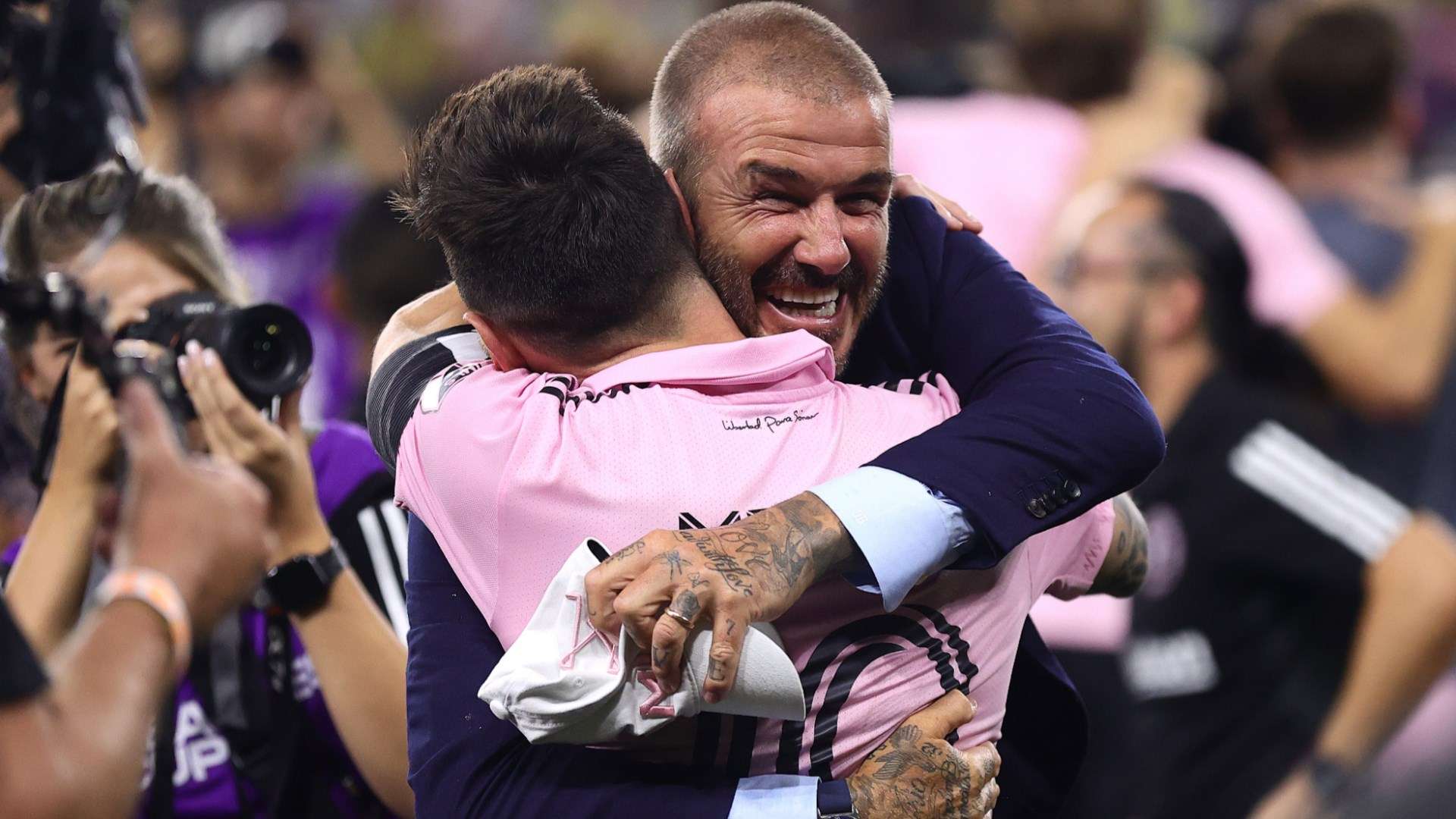
    But in Messi, MLS found its ultimate boost. Now, it must be admitted that Miami was a second choice. Messi has since made it clear that he wanted to play for Barcelona after two miserable years in Paris. A Catalonian homecoming was his dream. But it soon became clear that it could not be a reality. He spurned interest from Saudi Arabia and kept his relationship with Beckham - Inter Miami's owner and unofficial chief ambassador - ticking over. It was always an option, and last summer it became reality.

    At the time, MLS didn't really have its signature European star to fall back on. Gareth Bale had left LAFC after an injury-plagued tenure (albeit one that ended in a vital goal to win a championship.) There was no Gerrard, Henry or even Robbie Keane to be found. Cucho Hernandez and Thiago Almada were the stars - exciting players in their own right, but names unfamiliar to many outside of the MLS sphere.

    Then Messi changed everything. Who hadn't heard of him? How could you not? Even if you cared little for the nuances of 22 people kicking a ball around a pitch for 90 minutes, you knew the name. He transcended sports. Not since Beckham had MLS had someone with this fame, acclaim and magnetism.

  • David Beckham Lionel Messi Inter MiamiGetty Images

    A dominant season

    Messi's first few months in the league were, understandably, slightly awkward. He joined a Miami side struggling in the MLS's Eastern Conference, a team flawed in many ways. Messi had been carrying a calf injury. Miami coach Tata Martino hadn't implemented his playing style. Messi may have been there, but it was a surprise that they won Leagues Cup - that was a very poorly balanced team.

    But now, things look far better. Miami has enlisted help from Luis Suarez - turns out, he's also good at football - and fleshed out its squad with shrewd moves elsewhere. Messi's side are two points clear atop the Eastern Conference, but have played two games more than second-placed Cincinnati.

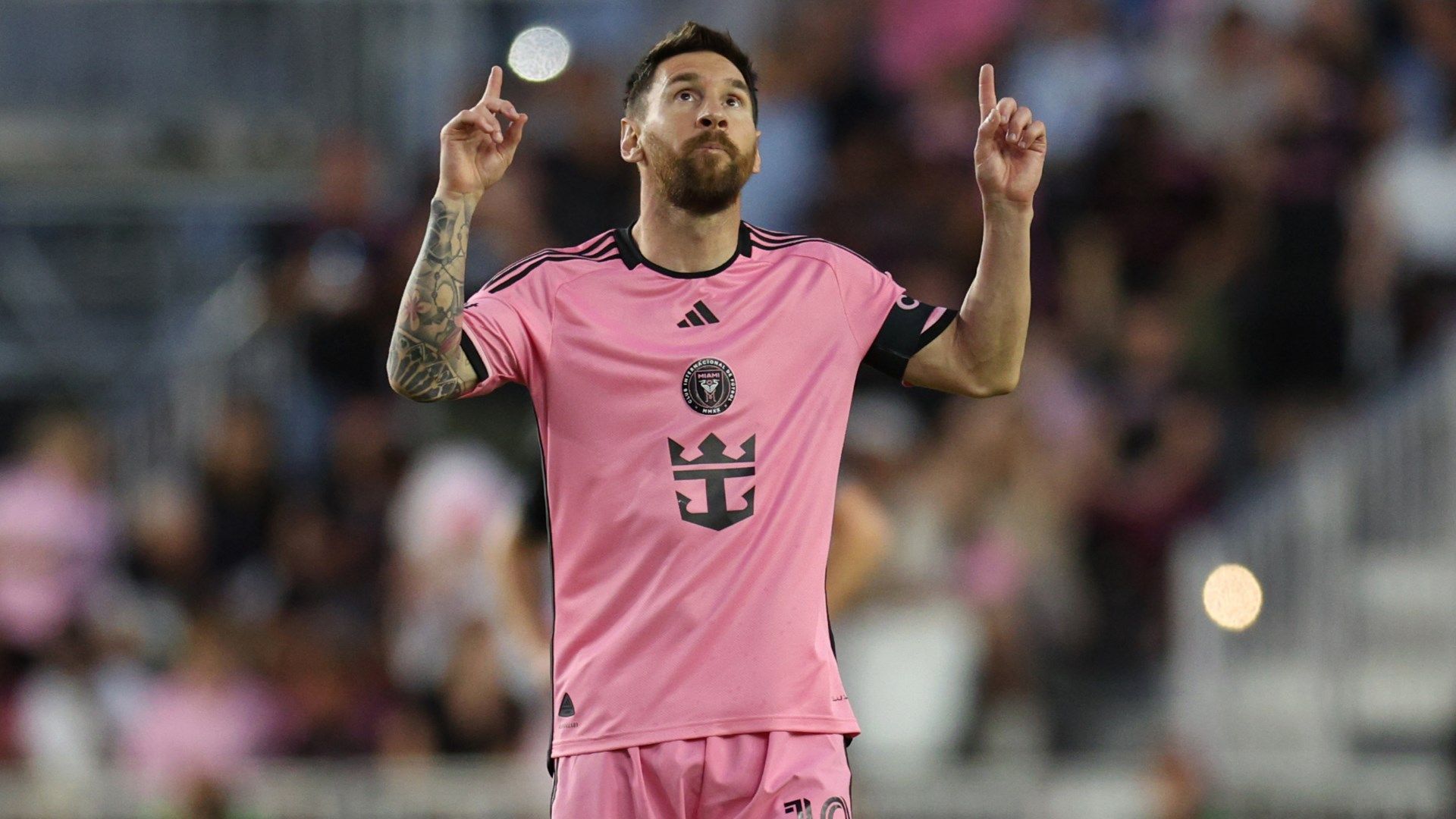
    The Argentine himself has been as dominant as advertised. In 10 league games, he has scored 12 goals and assisted 10. He tallied a frankly silly five assists against New York Red Bulls in early May. Make no mistake: Messi is not past it.

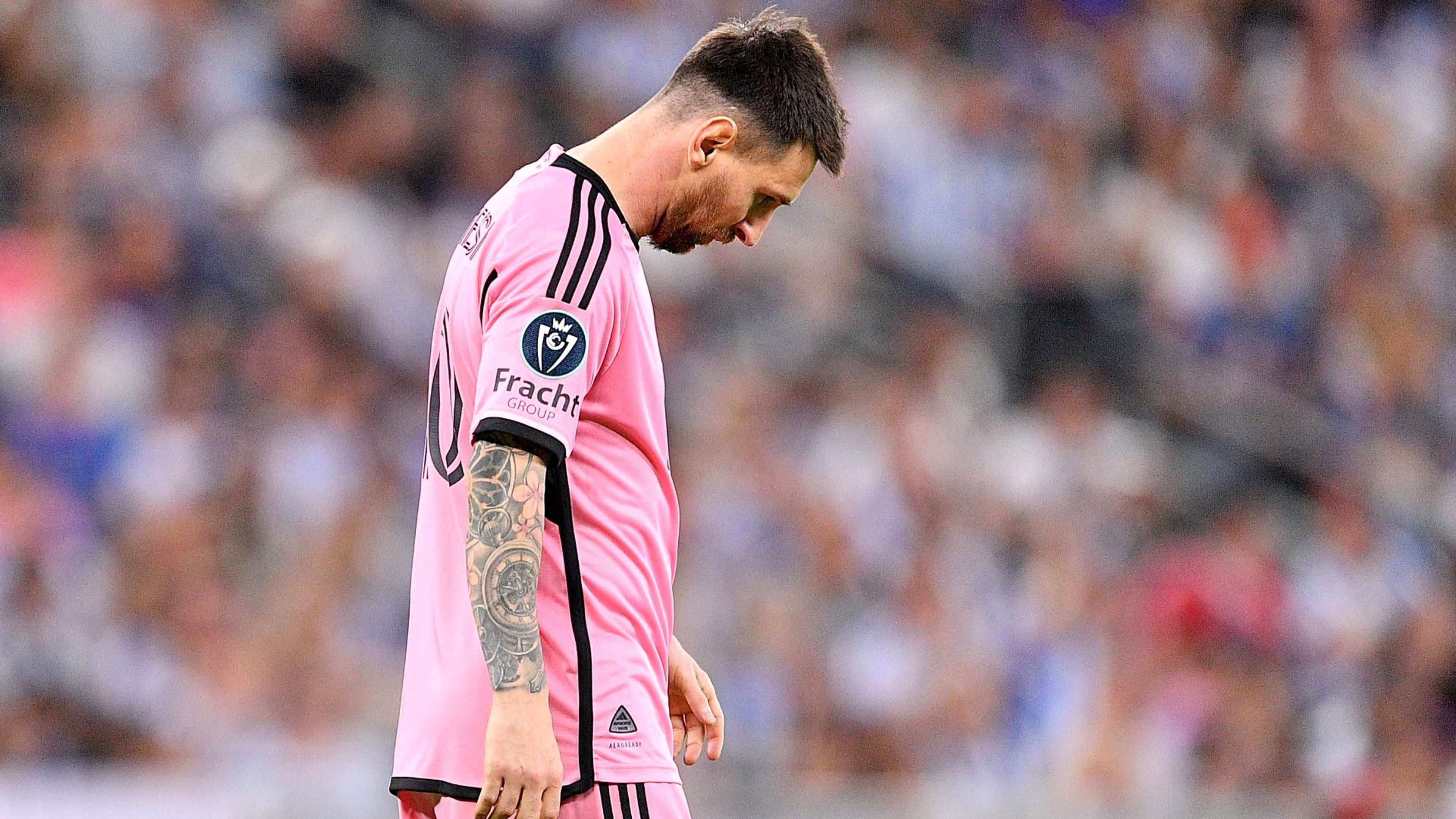
    But he hasn't gone entirely unchallenged, either. Montreal and DC United kept him quiet in back-to-back games in mid May, and with one eye certainly on Copa America, his production slowed of late. Miami failed to win in two straight matches before their captain left the club for Copa America duty.

  • Lionel Messi Inter Miami 2024Getty Images

    What if Argentina loses?

    And it's there that the stakes are raised. Messi entered Argentina's camp relatively fresh, and has shown in a couple of friendly appearances that he is sharp as ever - and more than capable of keeping up with the speed and physicality of international football. For Messi, in terms of legacy and stature, this tournament means little. He has already completed football. Three years ago, he snagged his elusive Copa America trophy, and 18 months ago, he got his World Cup. There is nothing else he can possibly win that he hasn't already won for La Albiceleste.

    But MLS needs him. If Messi loses, this could be a hammer blow to the perception of the league. Argentina are favorites by some distance in this Copa America. Brazil aren't very good - caught in between generations and led by an inexperienced manager. Colombia, Uruguay and the USMNT are all promising in various ways, but may not have the quality to win the tournament.

    For the first time in years, Argentina does not have an obvious rival for this trophy. It shouldn't stroll its way to it - no team ever really does in the international game - but this is perhaps the easiest Copa America field in recent memory. And Messi's side have also been offered a kind draw. Brazil, Colombia, Uruguay and the U.S. are all caught on one side of the bracket. Argentina's toughest likely opponent in a semifinal is Ecuador - hardly a fearsome proposition.

    With such elevated expectations, the knives are being sharpened in real time. The Tweets are already sitting in online trolls' drafts.

    If Messi and Argentina don't win Copa America, it will be a damning indictment of MLS to many in the soccer populous. Sure, Messi has dominated the MLS. But if he isn't dominant on what appears to be a clear path to the Copa America title for Argentina, what does that say about the level of competition in the MLS? How could the league be considered among the best?

  • Lionel Messi Inter Miami Nashville SCUSA Today Images

    What if Argentina wins?

    Of course, the opposite is also true. MLS will benefit immensely if Messi does the expected. In that case, the league would naturally get to wave its victory flag, pound the drums of jubilation, hold its own social media parade. MLS's Messi dominates Copa America.

    It will admittedly look quite good. MLS will be able to say not only that it has the best in the world still playing in its league, but also that he's been able to maintain his levels. Messi will not have "fallen off." if anything, MLS could be considered to have sharpened Messi and helped him maintain his game - even at 37. The GOAT will have conserved his energy, done the magical thing where he walks with efficiency, and remained a game-changing, tournament-winning player.

    And the MLS at large can say that there's talent to be found in the league. If it's good enough for Messi, it's good enough for anyone.

  • Lionel Messi Inter Miami vs DC UnitedUSA Today Images

    The nuance of it all

    There is a third scenario - and an equally likely one. Messi could - and likely will - have an immense tournament. He could break an absurd Copa America record, set benchmarks in goals and assists, eclipse his own stratospheric numbers. And Argentina might still lose, despite everything he has done.

    It could only take a Christian Romero red card, Emi Martinez blunder or Enzo Fernandez misplaced pass at the least opportune moment to see it all go awry.

    What if Argentina lose on penalties in the final, after Messi bags a hat-trick? What if he scores three against Canada, two against Chile, and two against Peru, but Argentina somehow fail to make it out of the group stage? What if his muscle injuries re-emerge before a knockout game, and Argentina fall apart without their star man?

    These are, admittedly, hypotheticals. But sports are unpredictable, and any combination of these things could happen. Soccer, perhaps more than any sport, is subject to randomization and nuance. There is no such thing as a sure thing. The irony is, of course, is that has not usually been the case when Messi is involved.

    The Argentine has to win Copa America. Not for his sake, but for the perception of the league in which he has chosen to play.