+18 | Play Responsibly | T&C's Apply | Commercial Content | Publishing Principles
Kyle Martino Street FCAtletico Dallas

‘We’re starting in the street’ - Atletico Dallas is giving USL a distinct lane in the city’s soccer scene, and they're not here to compete with MLS

Kyle Martino can see it now. The packed stands. The ball zipping around the field. The players, chasing it here and there, passing and moving. For most, it will be a familiar scene from any match. For Martino and the Atletico Dallas ownership group, it's the actualization of something bigger. 

This is a different approach. 

Soon, there will be two professional soccer clubs that carry Dallas in their name. One, FC Dallas, is a legacy brand, an MLS club with 18 playoff appearances, 2 U.S. Open Cups, and countless USMNT talents to come through their ranks. Atletico Dallas don’t exist as a fully functioning soccer club yet. But they have a badge, a brand, and an idea. 

This is a USL club that represents a different part of the same area. FC Dallas play in the sparkling suburbs, nearly 40 miles from the city. 

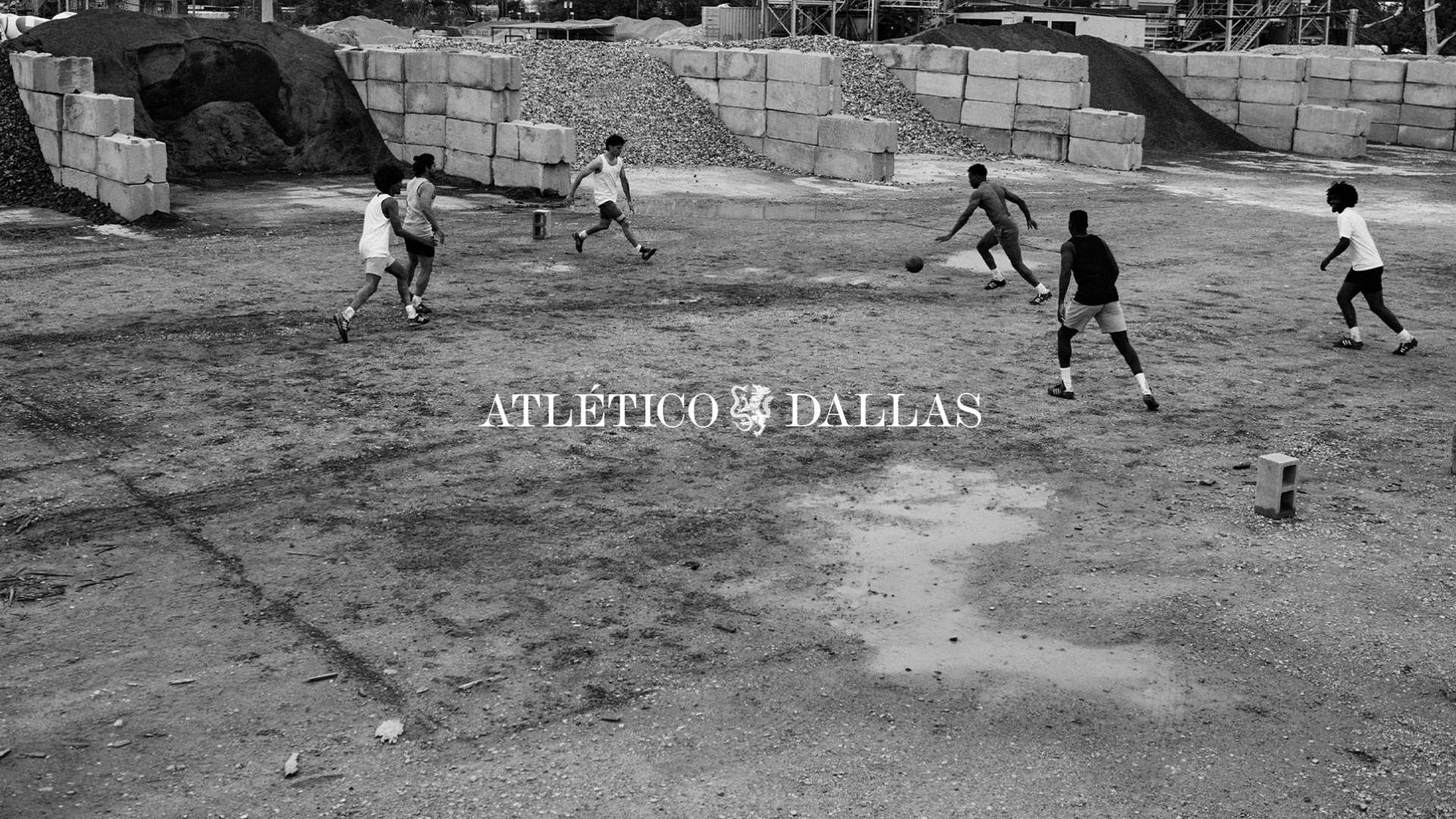
Atletico Dallas, meanwhile, forges its identity in the streets. Their team, they hope, will be packed full of locals, kids that grew up on blacktops and searing sun, shuffled into a first team of adoring fans. A massive metropolitan area, they insist, needs a second team that represents the core of the city. 

“We're trying to create a community asset that's going to last for 100 years, and that begins in the street, in the communities and areas that might be underserved,” co-owner Matt Valentine told GOAL. “They definitely don't have organized elite club-level soccer in the US market as it exists today.” 

It’s a simple principle, really. FC Dallas have a niche. They are a founding MLS club that operates out of a high-quality facility in a different county. Suburbia suits them. Theirs is a talent factory amid townhouses. 

Atletico Dallas are set to operate from Dallas County, a metropolitan area of 2.8 million people, more densely populated and more diverse. They may border each other, but this is a different area that caters to perhaps a different kind of footballer. Valentine, Martino, and the team’s management want supporters to follow both. There is room for two badges. 

And, for them, it starts in the city.

  • Kyle Martino Street FCAtletico Dallas

    Street FC offers a model

    Martino is not from Dallas. He was born in Atlanta, spent his youth in Connecticut and played college soccer at Virginia. His all-too-brief MLS career was carried out first in Columbus, and then Los Angeles. He retired at 27, just as he was entering his prime, due to persistent hip injuries. 

    His response? Make soccer a business. There was a stint as an analyst with NBC Sports’s Premier League coverage, and now as a commentator for TNT Sports. He is a voice in the United States men’s national team sphere. He is also a savvy businessman.

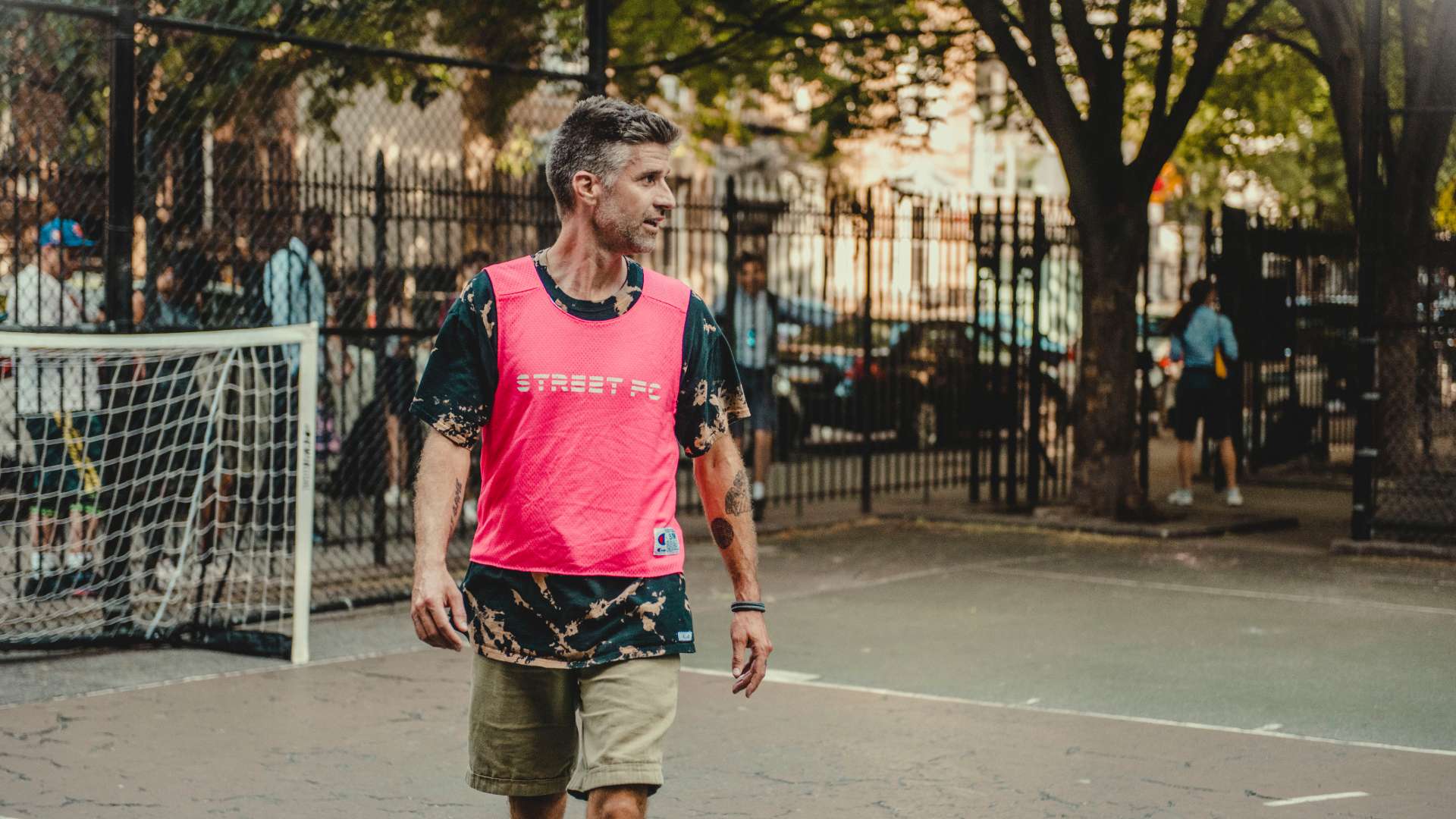
    Chief among his empire of events spaces and soccer ventures is Street FC. It’s a simple premise: Urban America has a lot of blacktops - mainly old basketball courts - and not many open fields. Those surfaces could be the platform for five-a-side soccer, at all levels. Give people a space, a ball, and make it very cheap - and the results could form naturally over time. 

    His involvement was a no-brainer for Valentine as he shaped the Atletico Dallas brand. The two were introduced, and Valentine flew to New York three days later.

    “I thought it would be a few weeks later, maybe a month later, and we’d consider it,” Martino said. “Matt was like, 'Sorry for my language, F*ck it, what are you doing this week?’”

    That visit sealed everything. Martino showed Valentine a few Street FC courts. They grabbed a few beers. Martino agreed to become a partner in his business. After that, it was just a question of logistics.

    “I was like, ‘OK, we got a partner. We got to figure out how to make this work,'" Valentine said.

  • Advertisement
  • Atletico Dallas bannerAtletico Dallas

    'A massive, massive agent for change'

    But going about this all wasn’t particularly easy. It is one thing to have a blacktop and a dream. It is another entirely to be able to put that into place, build a brand, and inform a community about a professional soccer team. 

    There are some guiding principles here. Soccer in the United States is becoming more accessible, but there are still massive financial barriers to playing in many areas. That leaves droves of would-be professionals, mostly from minority communities, phased out of the game from a young age. 

    Atletico Dallas believe they can target those talents, give them a voice. 

    “I think that we can be a massive, massive agent for change around the Dallas community,” Valentine said. “The vehicle happens to be a sport that Kyle and I love and are incredibly passionate about. And there's nothing better to galvanize the community and people than sport.” 

    Dallas already has a soccer community. The city itself, the footprint Atletico’s ownership want to claim, is invested in the sport. It is Atletico Dallas’ job, then, to provide an outlet to actually play. 

    That can take a number of forms. It’s about working with influencers in the local area and amplifying their impact. It’s about going to community events and hiring local staff. It’s also about borrowing from other success stories - LAFC, Seattle Sounders, and Louisville City, for example - and following their models. 

    “We're not going to be the explorers that map our own path here,” Martino said. “A lot of people have figured out how to do it right from the start. So we're going to cherry-pick some of those great ideas from the people that have led the way ahead of us and did a groundswell, a community movement before they took the field.”

  • Atletico Dallas badgeAtletico Dallas

    'I wanted a club that's serious'

    Martino can’t lie. He had no involvement in the brand, the badge or the colorway. That is not his doing. But he might be a pretty good case study as to why others might subscribe to the Atletico Dallas movement. 

    So much of soccer culture worldwide, these days, is visual. Sure, there will always be the old heads who get into a team because of proximity or convenience. But bringing on new people? That requires compelling visuals, a coherent brand. What, exactly, a club looks like has to mean something. 

    Valentine knew he needed something compelling. So, he scoured the Dallas area for local designers - those who could get what it means to piece together the visual messaging for a Dallas club. 

    He settled on Robert Milam of Dallas-based ModestWorks. 

    “I wanted a club that's serious, that takes the game seriously, but that's like, rooted in the things that I love about the sport, the kind of romance of the game, the history, the passion,” Valentine said. 

    Milam obliged. He created something sleek and interesting. Nowhere on the badge do the words “Atletico Dallas” appear - something that initially led to a few questions among casual onlookers. 

    Instead, it’s a black shield, with a silver outline. A wolf and snake are shown dueling in the middle. While some observers have disregarded it, Martino fell in love. 

    “My jaw dropped,” he said. “I just thought, ‘You guys nailed this.’ I like the rules that it breaks because it leaves room and time for us to earn the right to mean to them what they already mean to us.”

  • Atletico Dallas Cotton BowlAtletico Dallas

    Built from the streets

    And perhaps that’s the broader challenge. Atletico Dallas won’t kick a soccer ball officially until 2027. They still have 18 months to figure out the specifics. But they have a badge, they have a brand, and they have a vision. And everything starts there. 

    Martino, of course, is a key operative. But there are other promising signs at play. They have acquired one of the biggest youth soccer clubs in Dallas. Right now, they have 2,500 players in their academy. Their hope is to have 4,000 within two years. There are plans in place for a state of the art training facility. They will play in the Cotton Bowl for now, but the future is wide open

    And so we return to Martino’s vision: the winning team, the pretty soccer, the packed stadium, including the local kids who learn how to play in the city in which they were born. 

    This is a football club that is going to be built from the streets. The early pieces are in place for it to last.