+18 | Play Responsibly | T&C's Apply | Commercial Content | Publishing Principles
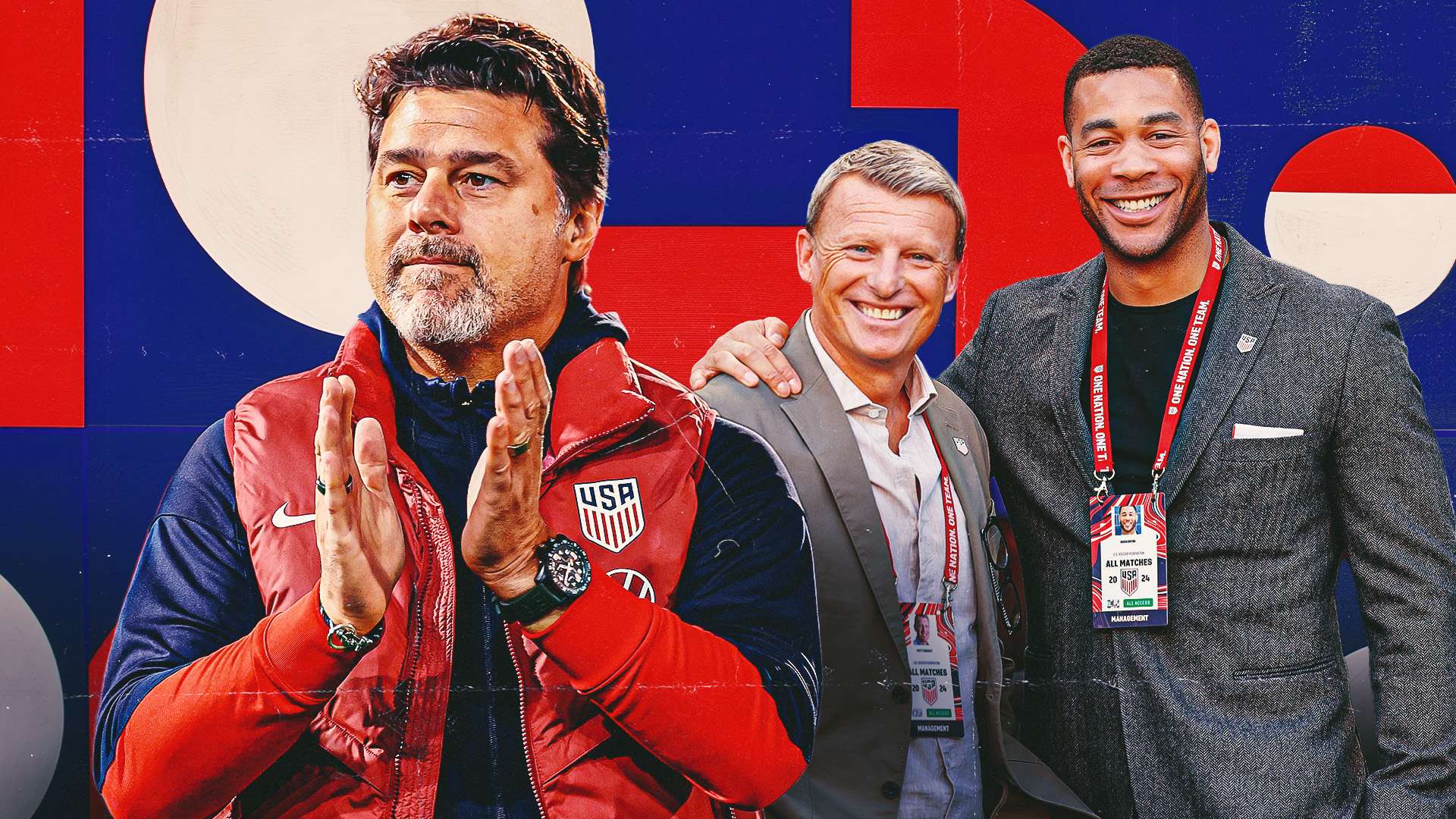
State of USMNT - Mauricio Pochettino GOAL

State of the USMNT - Coaching and Infrastructure: Mauricio Pochettino has Americans charging toward World Cup 2026 after early 2025 growing pains

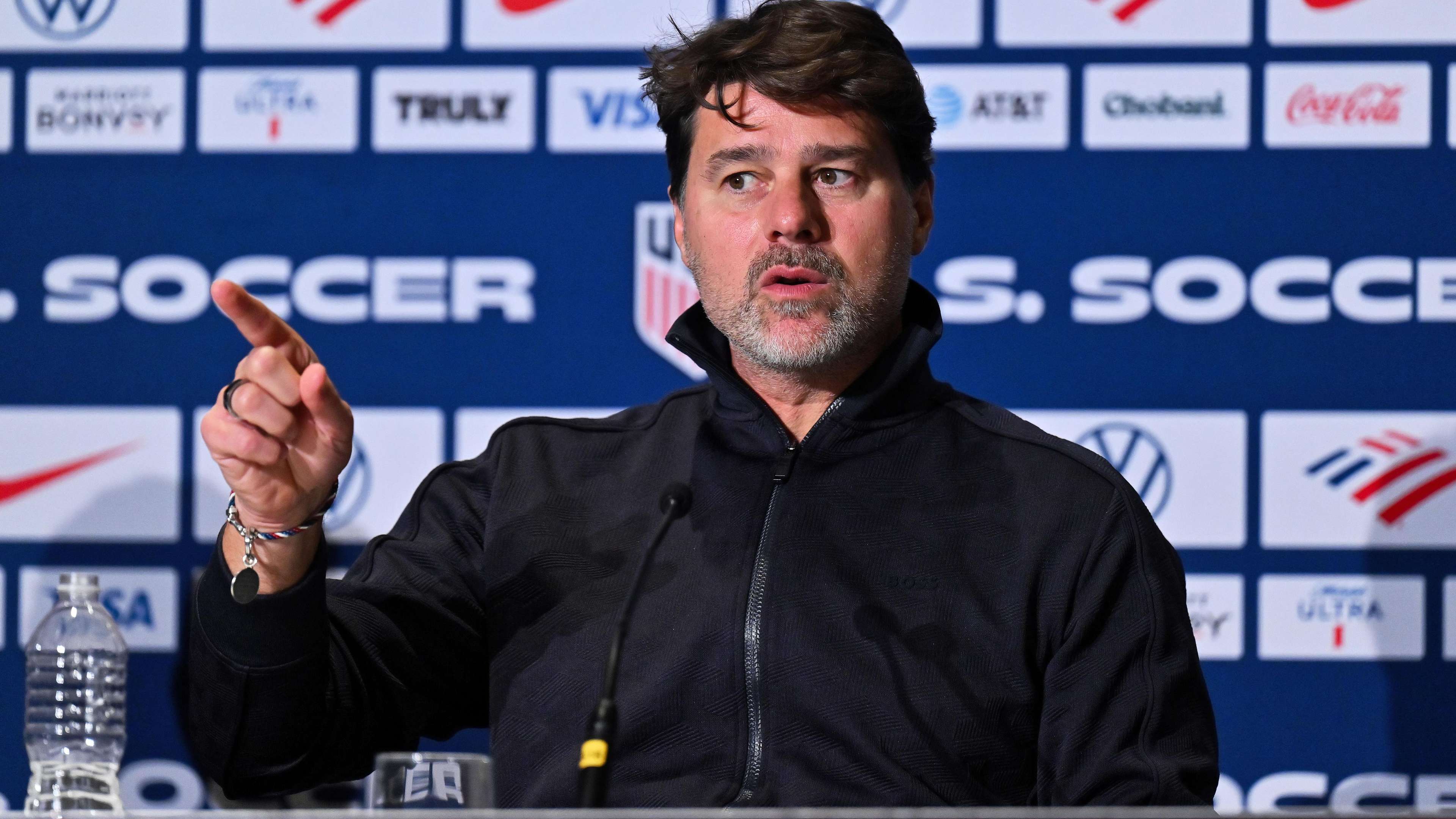
The U.S. men’s national team’s 2025 campaign can effectively be split into two halves. The first was defined by struggle. The USMNT failed to live up to expectations at the Nations League finals and spent the summer rebuilding from it. The process wasn’t easy, and it wasn’t always pretty, but manager Mauricio Pochettino kept asking for one thing above all else: trust.

There was no set turning point for Pochettino, no "aha" moment where everything clicked together. No, instead, 2025 was a steady build, one that required some things to be knocked down so Pochettino and his staff could replace them with something bigger and better. There were growing pains, for sure, and there were moments where Pochettino had to ask for a bit more belief.

That trust, ultimately, started to pay off in the second half, when the team rattled off multiple key wins over World Cup-quality teams like Australia and Uruguay. Because of that, reflecting on what was an up-and-down year for the USMNT, it’s easy to feel optimistic. It’s also fair to wonder just how high those highs can go as the U.S. marches toward the biggest tests next summer.

So what does that mean for 2026? That remains to be seen. The optimism has been restored and, more importantly, so has the belief. Now, Pochettino's task has changed. He's put down the foundation, but now he must build on it, and the good news is that he has plenty of players right there alongside him who are clearly ready and willing to help him do just that.

As 2025 comes to a close, GOAL is looking at the state of the USMNT, analyzing the positional battles that will ultimately define next summer's team. Next up: Coaching and infrastructure. 

Previous State of the USMNT: Goalkeepers | Fullbacks| Center backs| Defensive midfielders| Attacking midfielders| Strikers
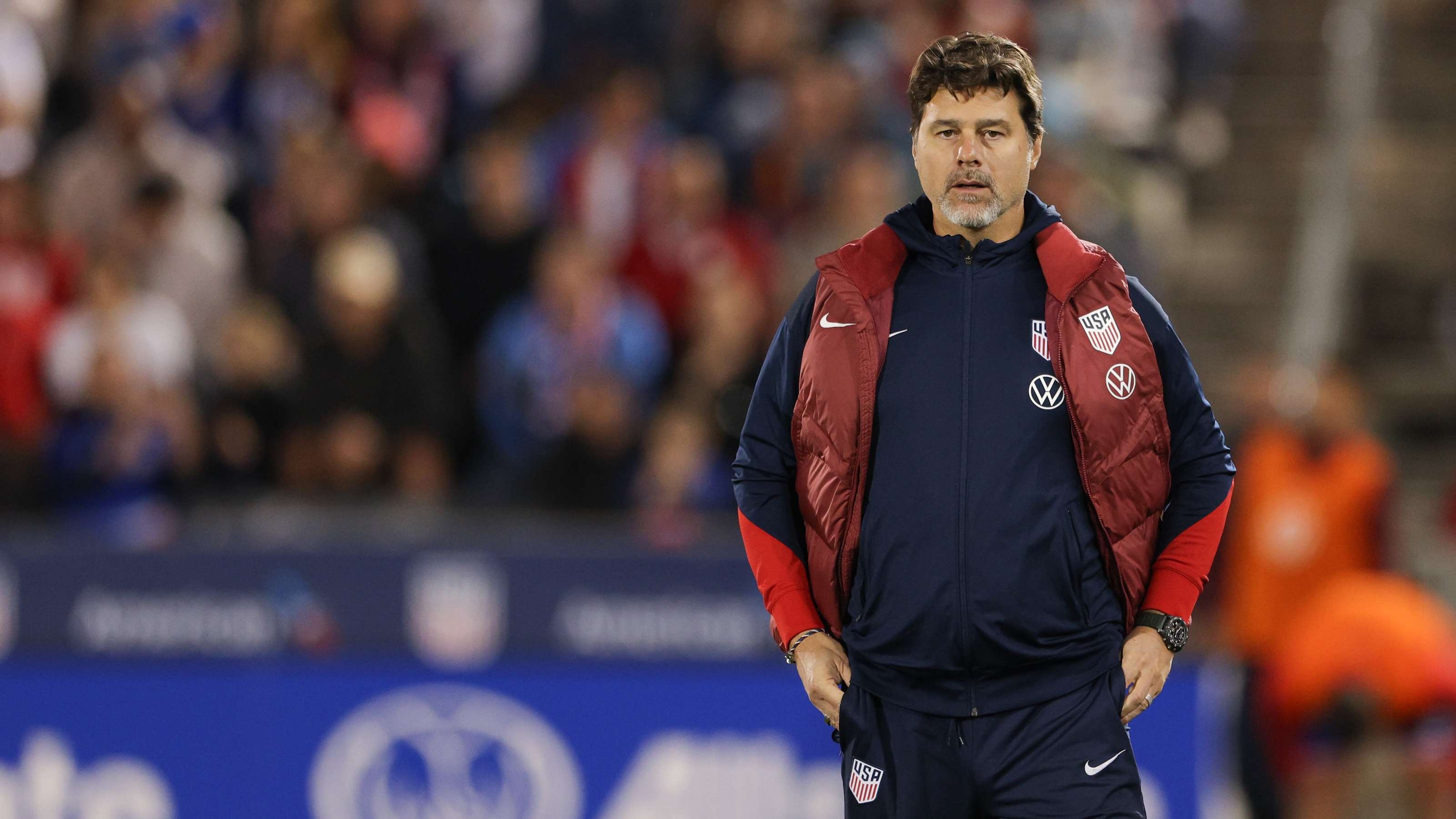
  • Mauricio Pochettino USMNTGetty Images

    Talking Tactics

    There have been several different looks under Pochettino, but after the good run of form in the fall, it seems like we have something resembling a base for this team to work out of going forward.

    Starting with the Japan game, the U.S. have played a three-at-the-back system and, ever since, they haven't lost a match. It's a system seemingly designed to get the most out of this group. Full backs are able to push high as wing backs, attacking midfielders have freedom to roam through the middle, and there's a solid base of defensive midfielders and center backs that make the team hard to break through. It all makes sense.

    It isn't simple, though. Pochettino has shown some wrinkles in all of it, and there could still be more to come. He's played full backs at the center back spot, allowing the team to shift looks in and out of possession. We haven't really seen it yet, but there could someday be a two-striker look if Folarin Balogun and Ricardo Pepi keep impressing with their clubs. The team can do different things with, say, Weston McKennie in midfield over Malik Tillman or vice versa. It's all very fluid, and it can all be tweaked depending on who is available at any given moment.

    It took some time for Pochettino to sort out what he had, but now that he has, it's clear that there's a tactical foundation there, one that the U.S. are clearly building on going forward.

    Grade: A-

  • Advertisement
  • Mauricio Pochettino, Alex Freeman USMNTGetty Images

    Man Management

    Throughout his tenure, Pochettino has made it clear: buy in or get out. If a player isn't one million percent committed to what's going on, he'll find someone who will. That was the tone he was trying to set, and it's safe to say that it has been set.

    All eyes were on Pochettino as he navigated the Christian Pulisic situation this summer. When Pulisic returned this fall, there was plenty of interest in seeing what the fallout of that would be. As it turns out, everything turned out just fine. Pulisic jumped right back into the fold, and Pochettino's message had seemingly been spread throughout the squad: even the best players are held to the same sorts of standards. It's no surprise that he wanted that message to be heard, too, particularly after his time coaching a PSG team that had an overabundance of stars and egos.

    Now, that message dictates everything the U.S. has done. As Pochettino said at his final postgame press conference of the year, there are no "regular" players; just players. Everyone has been made to feel both involved and accountable. There are no exceptions or exclusions. It took some hard moments to get there, but Pochettino has built up that sort of relationship with his players, who now know exactly what the coach expects of them.

    Grade: A-

  • United States Coach Mauricio Pochettino Press Conference After 2026 World Cup DrawGetty Images Sport

    Media Responsibilities

    Pochettino's last postgame interaction with reporters got testy following the win against Uruguay. The USMNT boss was visibly frustrated by questions regarding the labels and depth of his team. As he grew more frustrated, his emphasis was clear: there are no guarantees for anyone, regardless of stature, fame, or resume.

    It is something he had been trying to drill home to fans and media for months, albeit in a much friendlier tone through most of it. Finally, it had gotten to a point where he really wanted to get it across that, regardless of who fans or media may think deserves to be in the team, he is the one who decides, and he's deciding on merit.

    It also sent a message to players. The best coaches find ways to use the media to their advantage, particularly when it comes to either building up or humbling players who need those sorts of feelings. So as loud and clear as it was for reporters in the room in Tampa Bay, it was equally clear to those in the locker room, and those watching at home who are still fighting for a spot on the team.

    Pochettino has, by and large, worked well to control how his team and decisions on personnel are viewed. 

    Grade: B+

  • ENJOYED THIS STORY?

    Add GOAL.com as a preferred source on Google to see more of our reporting

  • Alex Freeman, Auston Trusty, USMNT HIC 2-1Getty

    Youth Development

    This section can be broken into two parts. The first falls on Pochettino and his ability to integrate talent ahead of the World Cup. The second is about the broader development pipeline - the systems that help ensure that talent is senior team-ready when the moment arrives and that's on U.S. Soccer.

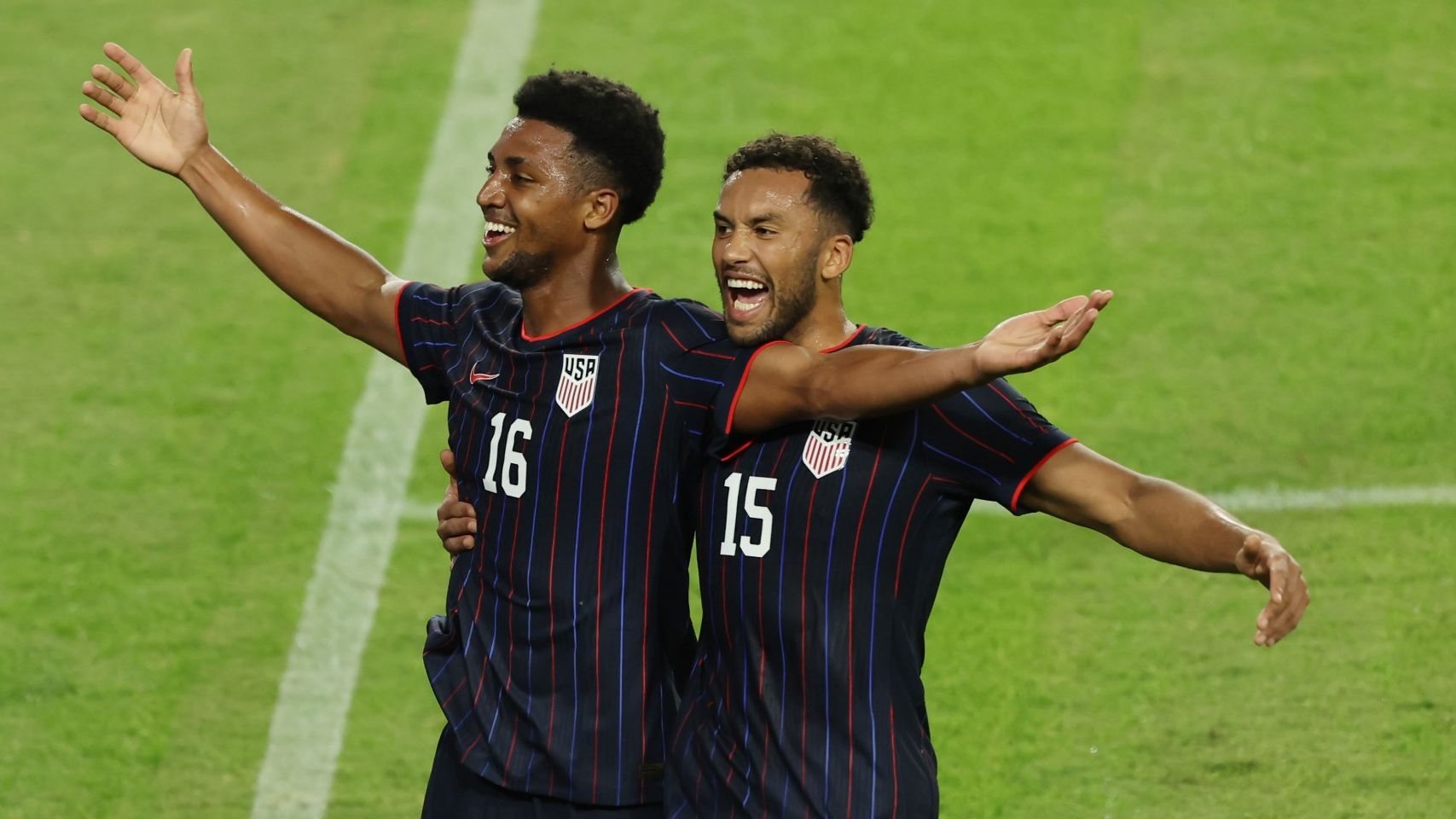
    On the Pochettino front, the USMNT boss has done an excellent job integrating new players. Alex Freeman is a fantastic example, as Pochettino has taken a player who was effectively an MLS rookie and helped him grow into a World Cup-quality option. Diego Luna, Matt Freese, Max Arfsten, Sebastian Berhalter, Patrick Agyemang - the list goes on. When given the chance to work with young, hungry players, Pochettino is always willing to put in the work, and he does so with a smile on his face. It’s one of his favorite parts of the job, after all.

    As for the U.S. Soccer pipeline itself, it’s easy to see a new generation coming through. Both the U-17s and U-20s won their groups at their respective World Cups, only to be knocked out by Morocco - the same fate that befell their Olympic counterparts in 2024. Those exits sting, but they don’t erase the broader takeaway: the talent is there.

    Players like Pulisic and McKennie have shown that it’s possible not only to reach the world’s biggest clubs, but to thrive there. Cavan Sullivan, the most hyped American teenager since Pulisic, is already committed to a move to Manchester City. Mathis Albert is thriving with Borussia Dortmund’s youth teams. Prospects like Noahkai Banks and Benjamin Cremaschi have already had tastes of the senior team environment and could become contributors sooner rather than later.

    Overall, developing talent takes a village. It doesn’t fall solely on U.S. Soccer, nor does it fall only on the national team coach. But with a healthy pipeline and a manager willing to trust young players, there does appear to be a new wave on the way - one that suggests the current level may be sustainable, rather than a fleeting “golden generation.”

    Grade: B+

  • Inter Miami CF v Atlanta UnitedGetty Images Sport

    Facilities

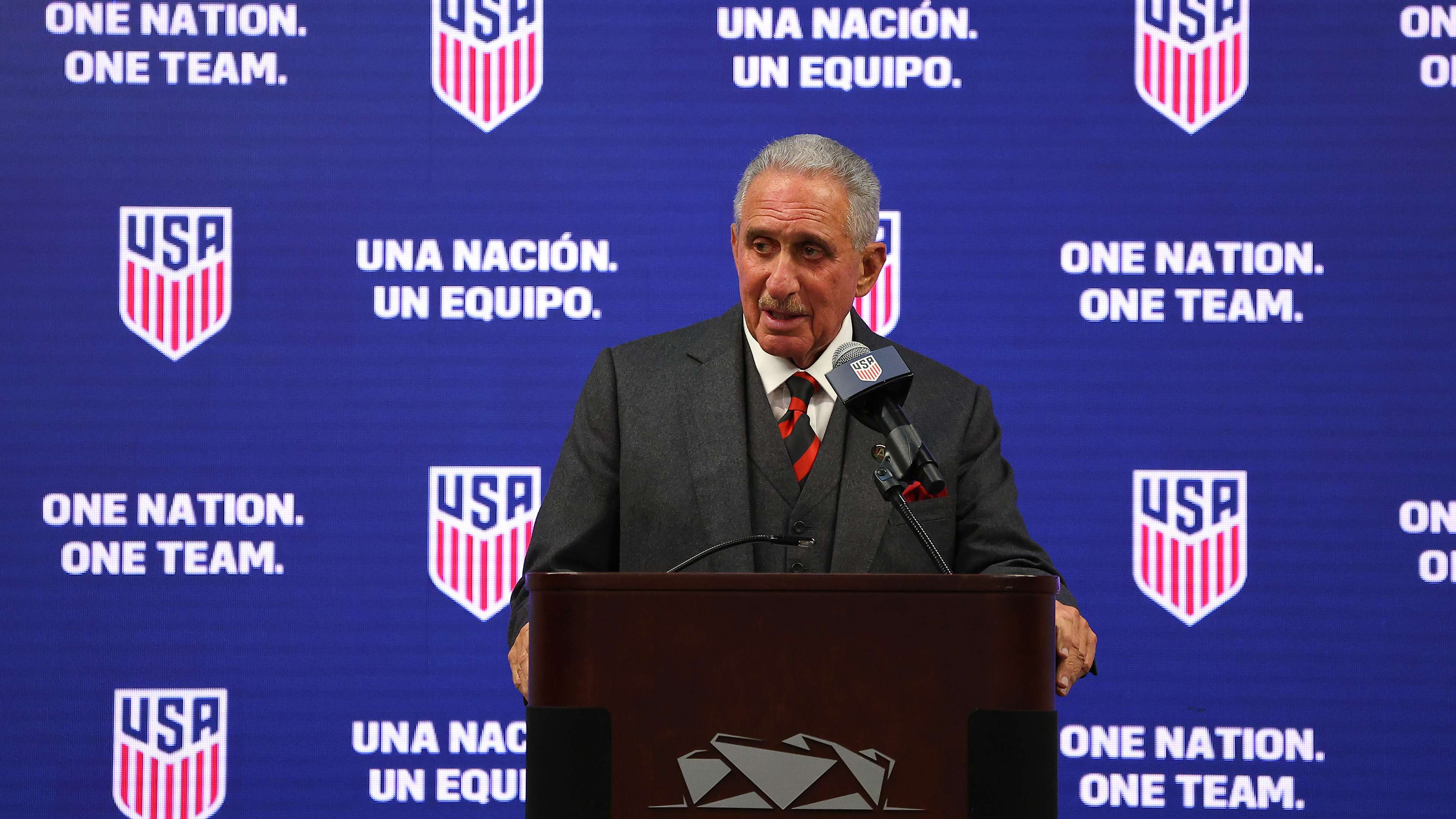
    The federation is almost there. The team's new facility, the Arthur M. Blank U.S. Soccer National Training Center, is set to open in the spring, offering the federation a new home that should prove to be a fantastic base of operations for everything American soccer.

    Located just outside Atlanta, the USMNT's new training center will feature 17 outdoor fields, two indoor fields, and 200,000 square feet of facilities to house everything the federation needs. It'll be a facility that rivals any in the world, just like England's St. George's Park or France's Clairefontaine.

    Ahead of the World Cup, that facility will be put to use. The U.S. will play two friendlies in Atlanta in March, facing Portugal and Belgium in their final matches before Pochettino selects his World Cup roster. It'll be quite a start for the team's new base of operations, one that should be helpful for American soccer's national teams at every level for years to come.

    Grade: A

  • FBL-INTERNATIONAL-FRIENDLY-USA-URUAFP

    Results

    This is ultimately what matters. At the end of the day, everything above can be filed under "nice to have". What really matters, what really is measured, will be the results. More specifically, Pochettino, the USMNT, and U.S. Soccer will be measured on the success, or lack thereof, at this particular World Cup, one that everyone has promised will change soccer forever stateside.

    Obviously, we can't predict the results of next summer. The U.S. have gotten a favorable group, yes, one that includes winnable games against Australia, Paraguay, and a European playoff winner. Even so, you can't predict a World Cup, so everything involving that remains to be determined.

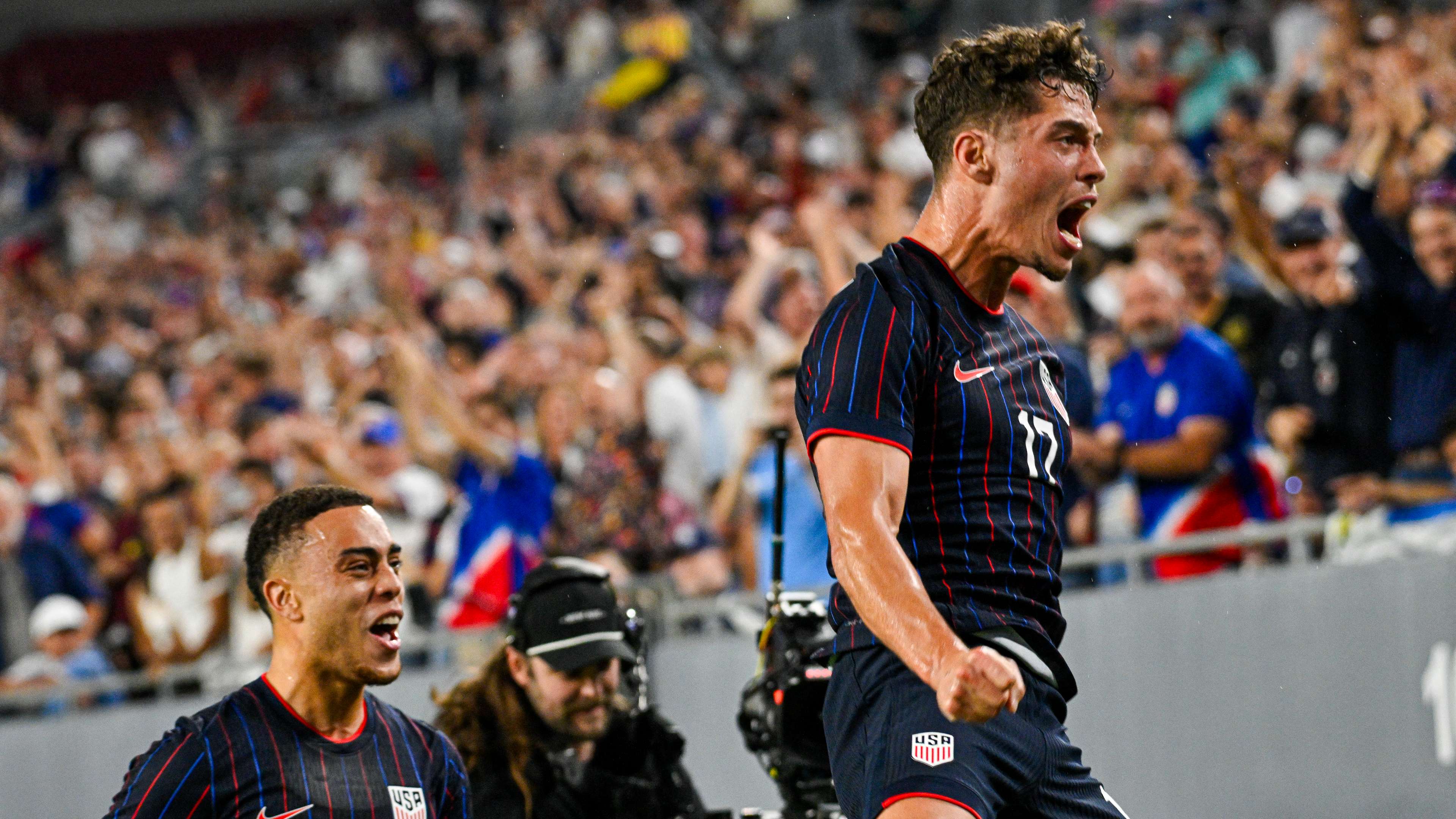
    What we can look at, though, is how the U.S. performed in 2025. It was a year of peaks and valleys, to put it lightly. March's Nations League was a wake-up call. The summer's Gold Cup was a reset. Then came the fall, a time when everything seemingly came together. Wins over Japan, Australia, Paraguay, and Uruguay, as well as a draw with Ecuador, really set a tone. All five are World Cup-bound teams, including two future opponents. These were all big tests, and the USMNT passed them with flying colors.

    Pochettino was getting some criticism earlier this year for a lack of results. Not anymore. The U.S. closed 2025 in several big highs, showing that this team is truly learning how to win, and they're learning how to do that against the type of teams they'll face when everything matters more next summer.

    Grade: A

0