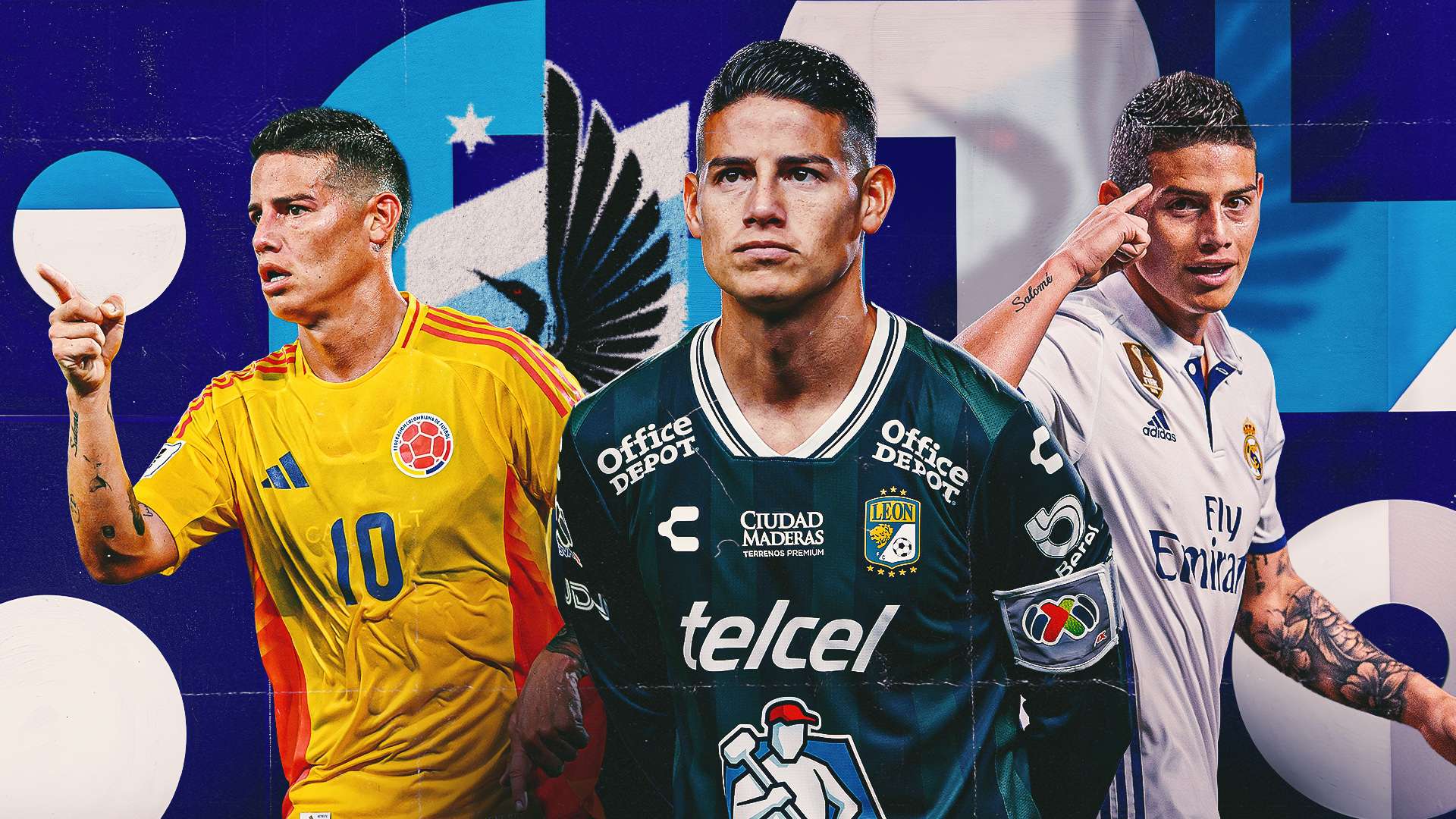
Minnesota United have officially confirmed that James Rodriguez has left the club following a brief stint in Major League Soccer. The former Real Madrid and Bayern Munich playmaker finds himself as a free agent once again after the Western Conference side decided against extending his stay in the United States.
Ivan Toney staked his claim for a starting berth by netting a clinical hat-trick during England’s convincing 5-1 behind-closed-doors victory over Sporting Kansas City. The training fixture was specifically arranged at the team's base camp to maintain match fitness and sharpness among the squad's fringe players.
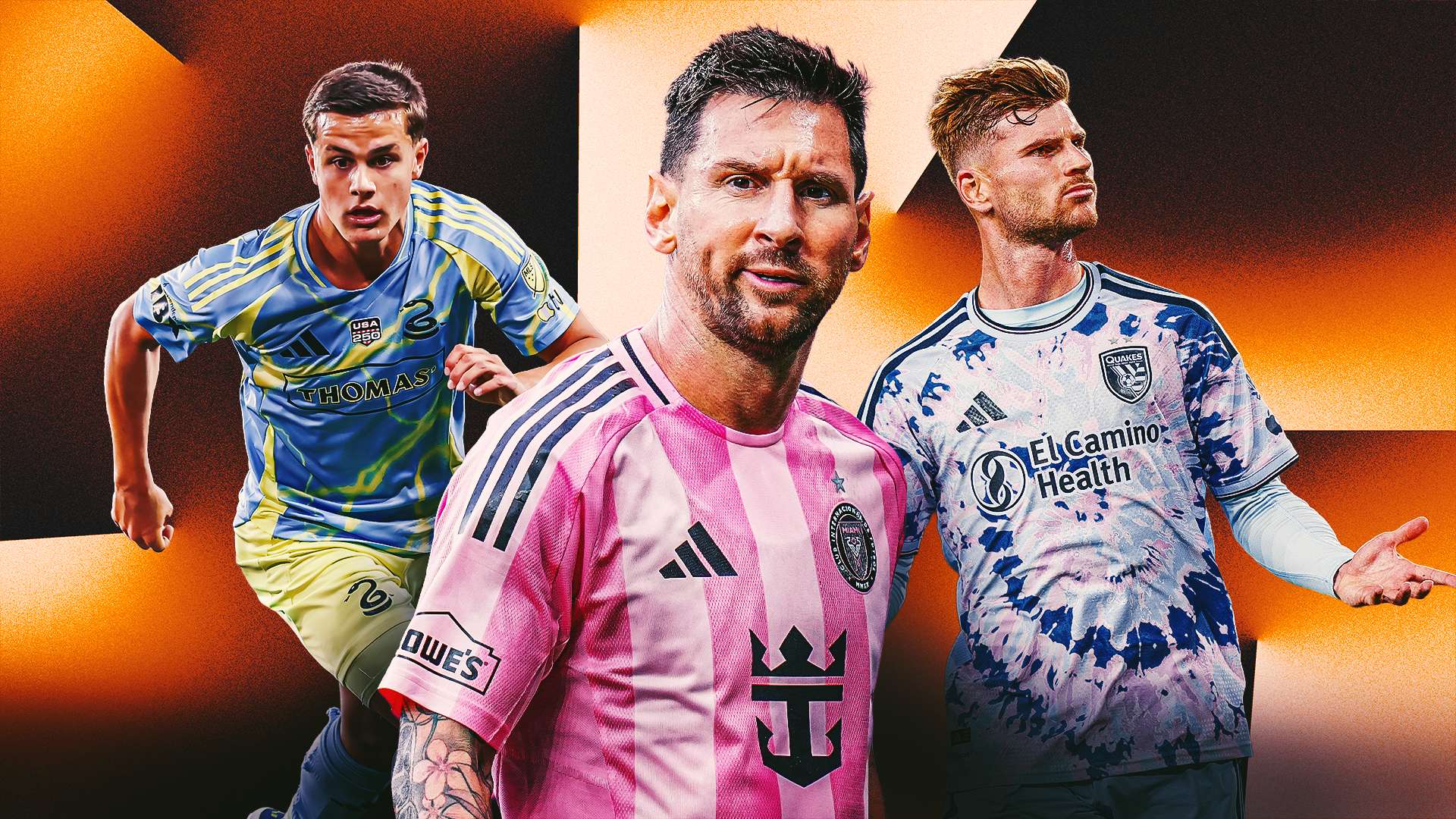
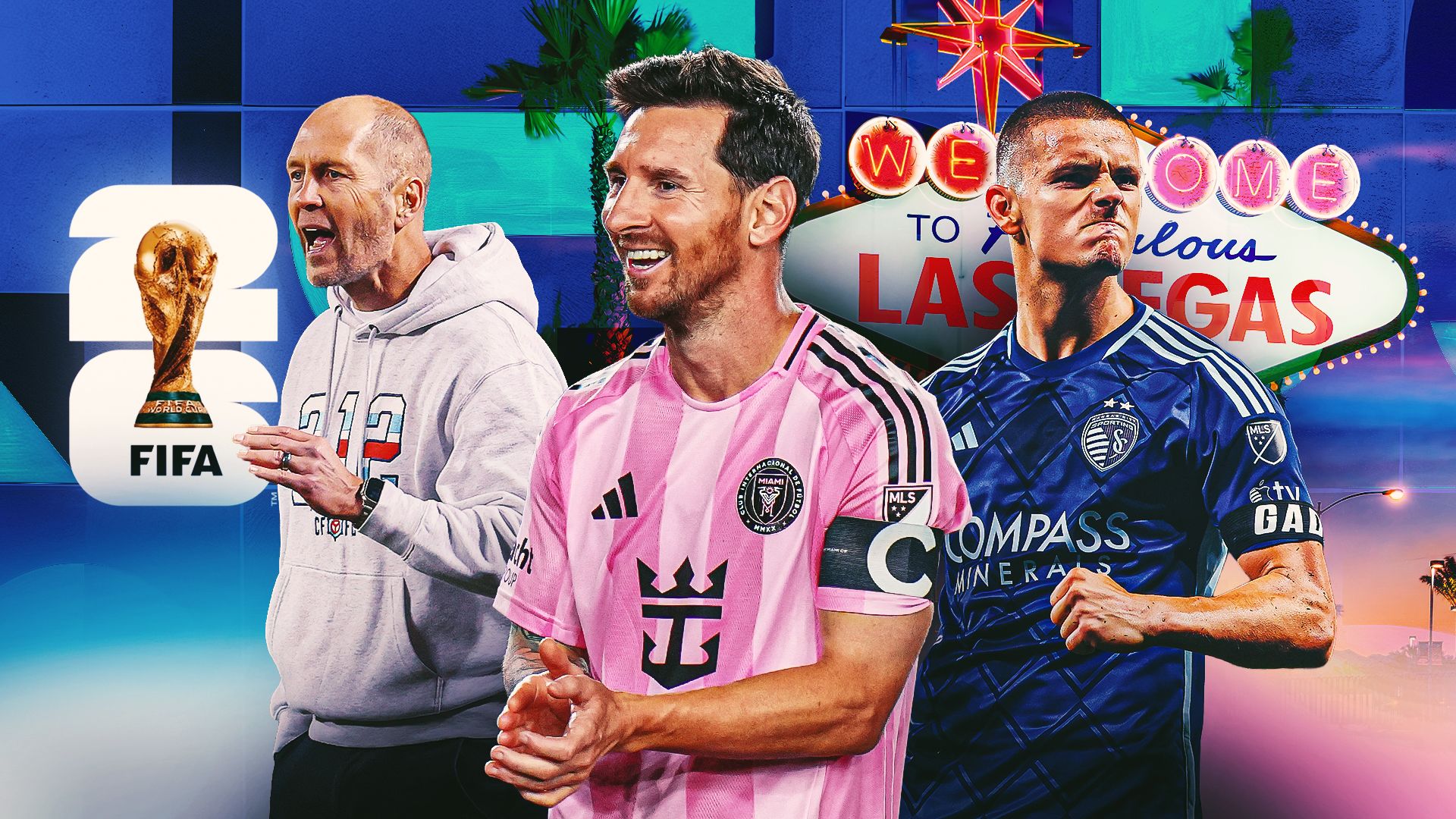
Lionel Messi and Co. remain favorites, but strong starts from Nashville, San Jose and Vancouver have the league nicely poised heading into a long break.
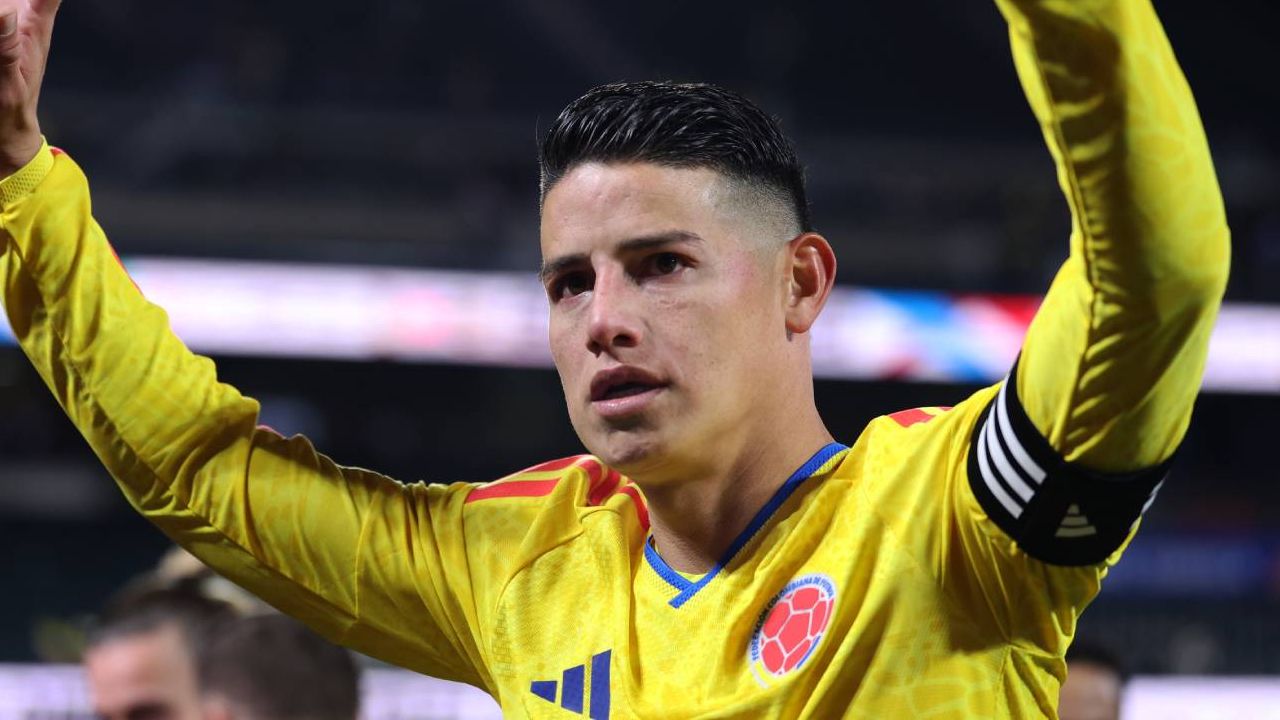
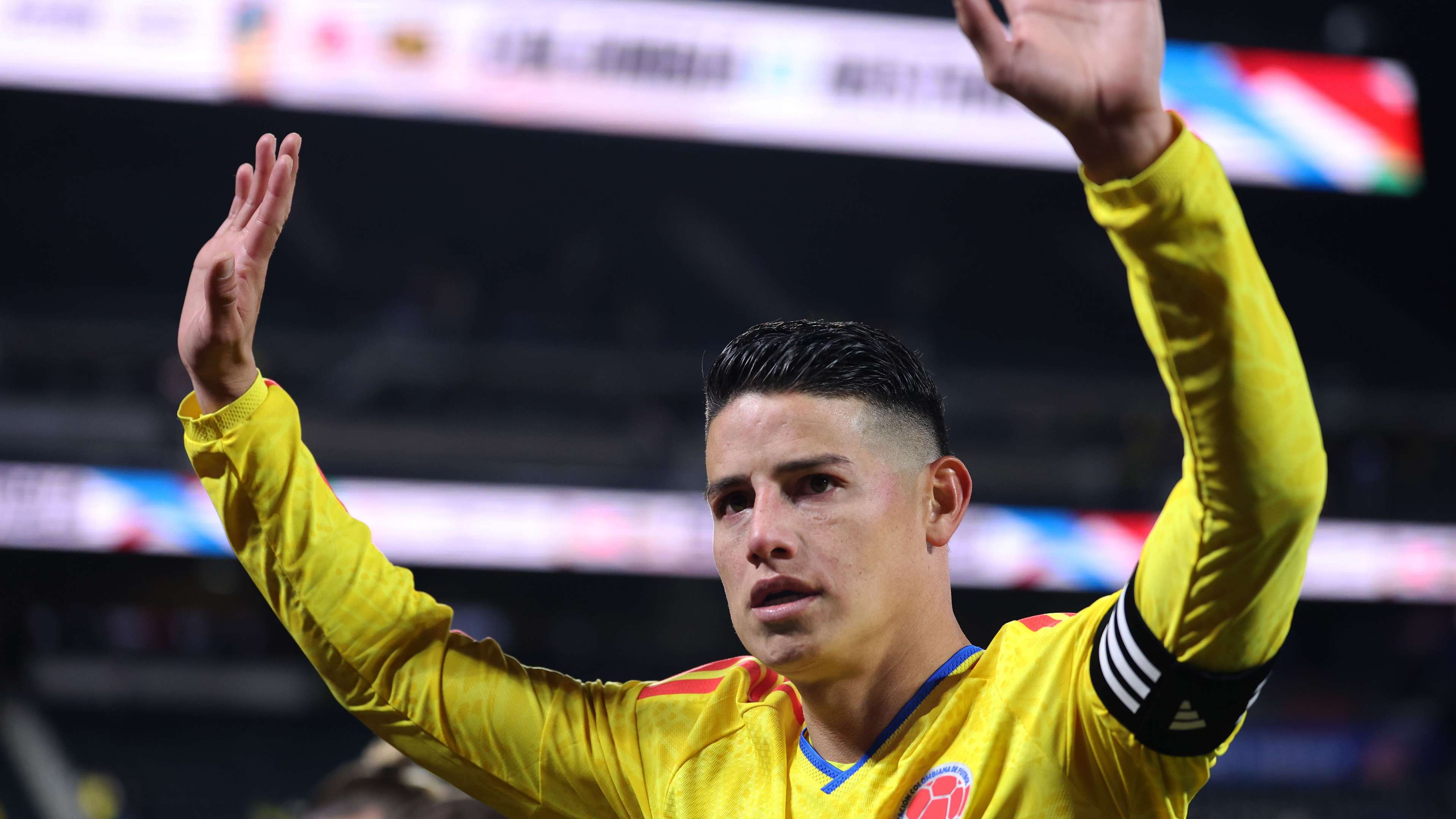
James Rodriguez says he has no intention of retiring after representing Colombia at this summer's World Cup. Reports had said that the veteran midfielder would call it quits after the upcoming tournament, but Rodriguez, who started the MLS season with Minnesota United on a short-term deal, says he expects to play on.
James Rodriguez's brief, underwhelming spell with Minnesota United appears to be nearing an abrupt end. Apple TV's Michele Giannone and The Athletic reported that the Colombian star will leave next week to join his national team for the World Cup and is not expected to return after the tournament. The midfielder has made just four league appearances for the club.
James Rodriguez is determined to reach the 2026 World Cup in peak condition. The Colombian playmaker made his first Major League Soccer start for Minnesota United on Saturday, silencing any doubts about his fitness. Despite a narrow loss to LAFC, he showcased glimpses of his former glory before making a vow to Colombia fans ahead of their World Cup campaign this summer.
Minnesota United have provided a positive update on James Rodriguez following his recent emergency hospitalization. The Colombian superstar has returned to the club’s training facility after a health scare while on international duty.
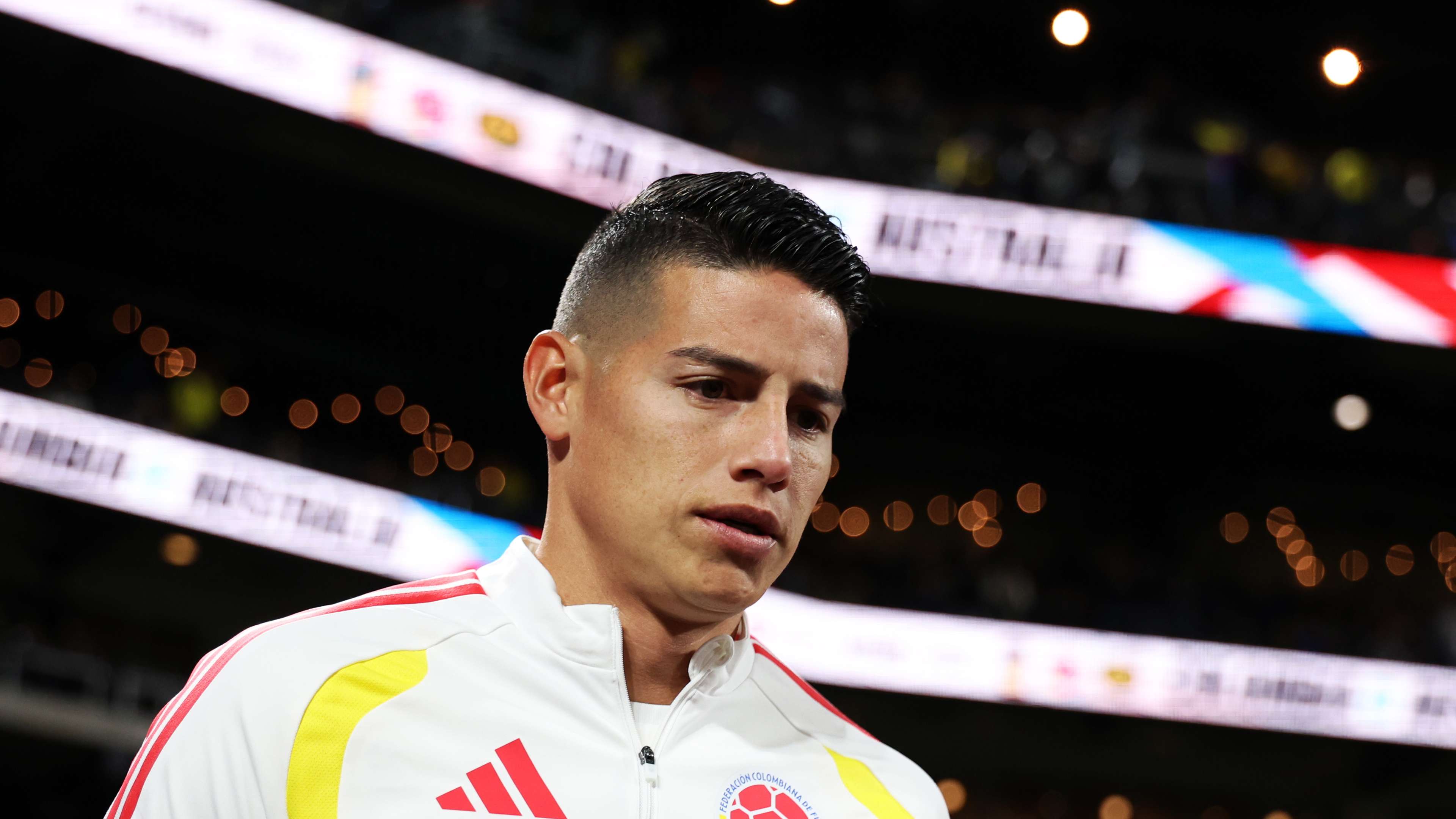
Colombia captain James Rodriguez has been admitted to a Minnesota hospital following a health scare during the international break. The veteran playmaker is undergoing medical monitoring for severe dehydration just months before the 2026 World Cup kicks off.
If you're wondering about the main dates for the upcoming Major League Soccer season, GOAL has you covered - plus more info on how to watch games on TV
GOAL spoke to GMs and chief soccer officers across MLS about the league’s 3.0 vision: the calendar change is progress, but executives say the next steps must come faster.
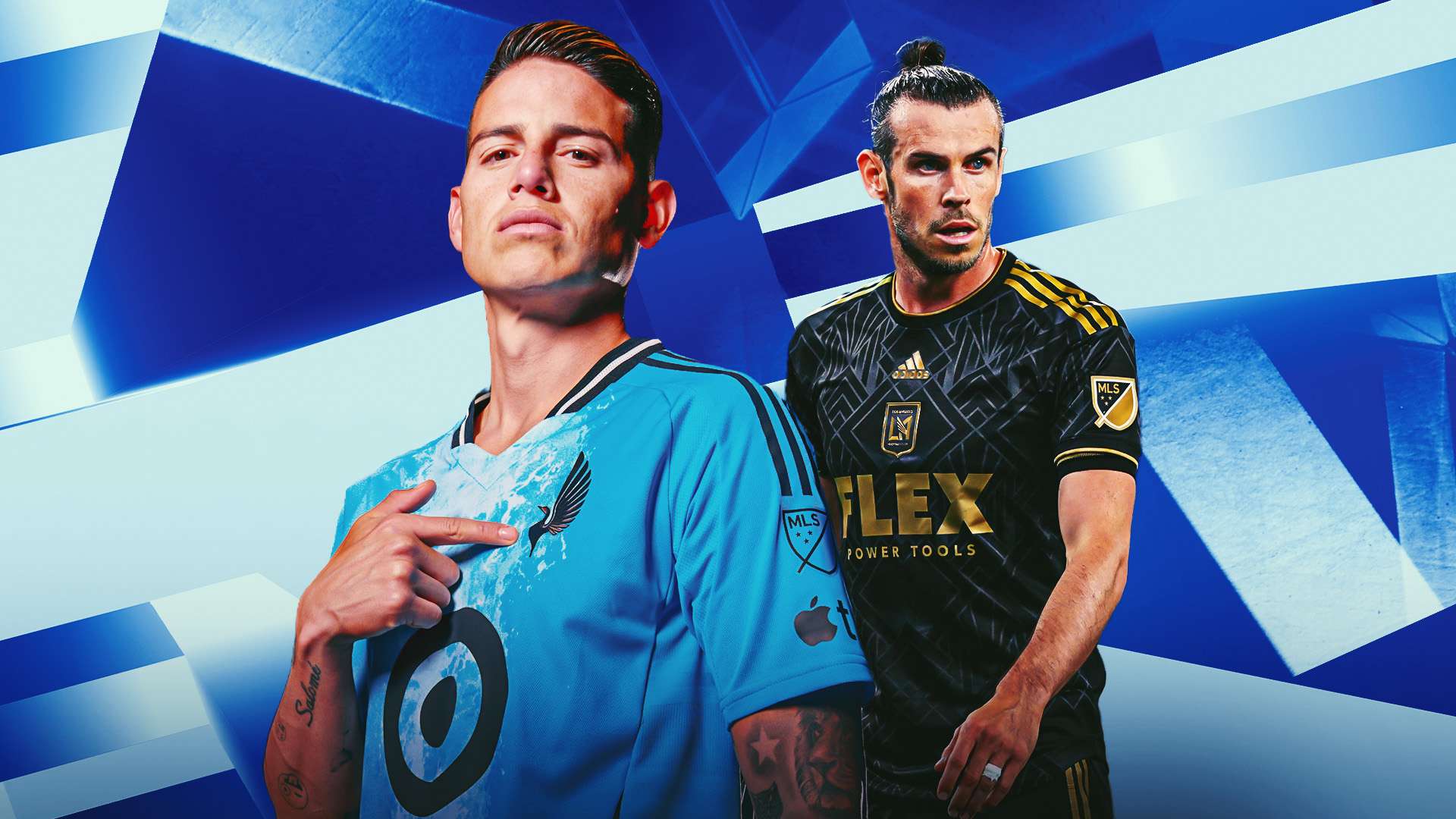
MLS returns with a packed schedule and familiar chaos. From stars like Messi, Rodriguez, and Son Heung-Min to the teams you can avoid, here’s who’s actually worth your weekend watch.
Minnesota United officially announced the signing of international star James Rodríguez, who will begin his first spell in Major League Soccer. Rodríguez will not occupy a Designated Player spot, and the deal is a short-term agreement set to run at least through the World Cup. The Colombian midfielder joins as a free agent after his contract with Liga MX side Leon expired in December.
James Rodriguez is reportedly nearing a deal to sign with Minnesota United, which would be a perfect short term agreement for both parties ahead of the World Cup
Minnesota United are in talks with James Rodríguez over a potential move that would bring the Colombian star to MLS, according to The Athletic. The 34-year-old is a free agent after leaving Club León and remains a key figure for Colombia ahead of the 2026 World Cup, despite not playing since late 2025.
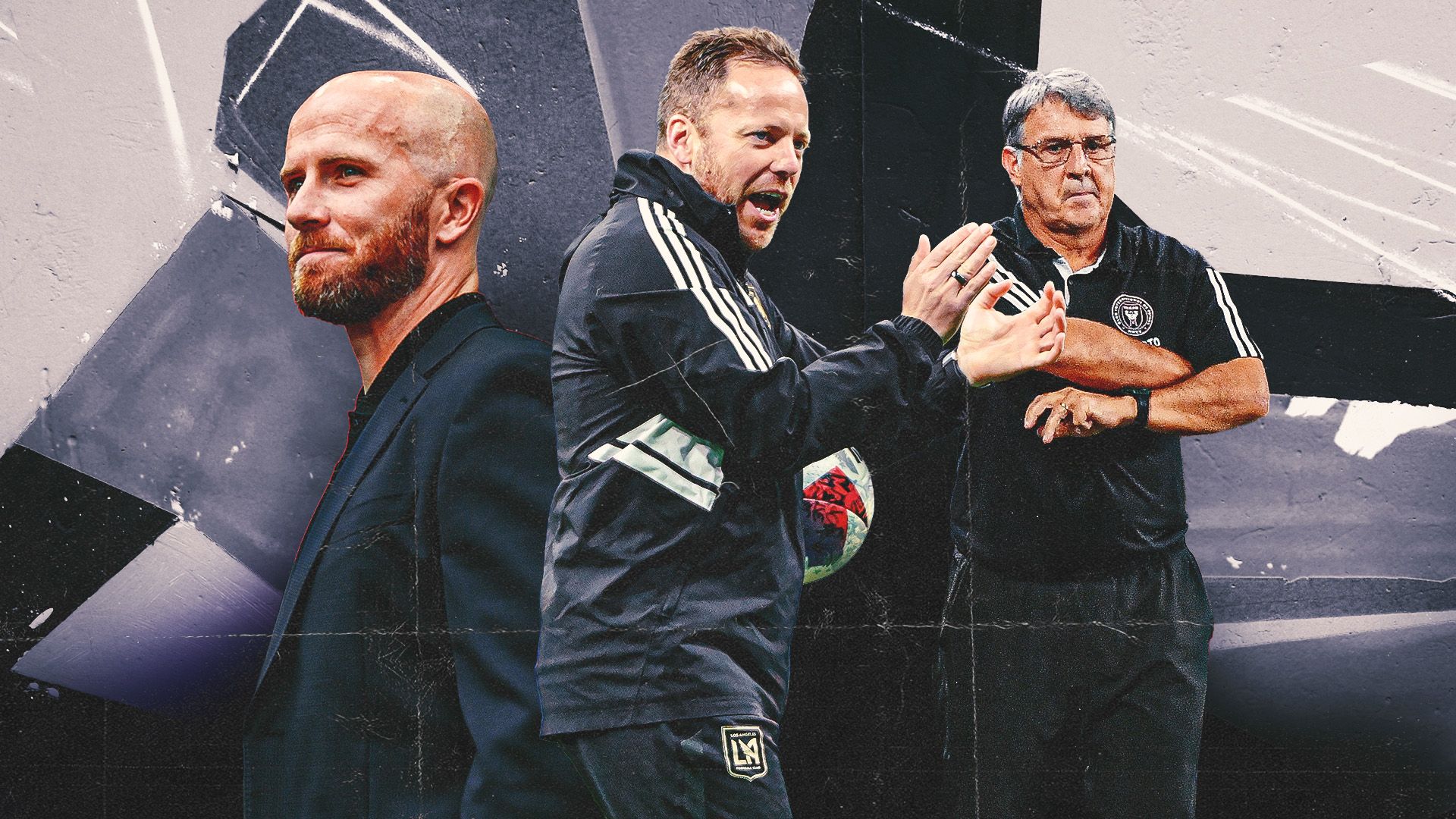
GOAL grades MLS coaching hires, from Michael Bradley’s Red Bulls promotion to Raphael Wicky's rebuilding job in Kansas City and Henrik Rydstrom tasked with replacing Wilfried Nancy.
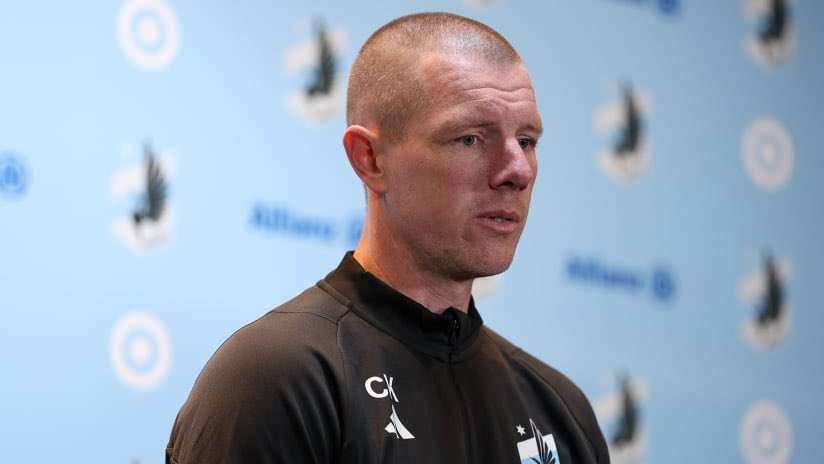
Minnesota United have named Cam Knowles as their new head coach, opting for continuity as Eric Ramsay prepares to return to Europe to take over West Brom. With preseason set to begin, the Loons moved quickly to reward a trusted figure within the club and maintain stability after a successful MLS campaign. Knowles has been in MLS for two decades as a player and coach.

 Minnesota United



.jpg?auto=webp&format=pjpg&width=3840&quality=60)
.jpg?auto=webp&format=pjpg&width=3840&quality=60)


.jpg?auto=webp&format=pjpg&width=3840&quality=60)




.jpg?auto=webp&format=pjpg&width=3840&quality=60)

.jpg?auto=webp&format=pjpg&width=3840&quality=60)

.png?auto=webp&format=pjpg&width=3840&quality=60)
.jpg?auto=webp&format=pjpg&width=3840&quality=60)