If you need any evidence to prove that Balogun is still not quite fully integrated into the USMNT, you only have to look at the hilarious Aaronson mishap from November. Balogun is still very new; so new, in fact, that he didn't know two of his teammates were brothers!
The USMNT is still adjusting to him, too. It's an ongoing process, as a big group of young players continues to learn to play with one another.
Throughout the World Cup, the USMNT didn't use their strikers as pure goalscorers. Josh Sargent was brought in for his linkup play, which was on display during Weah's opening goal against Wales. Jesus Ferreira was called into the team for his creativity. Haji Wright was in the squad for his hold-up play and physical presence. None were expressly asked to be a primary goalscorer. Any goals from them would, overall, have been a bonus.
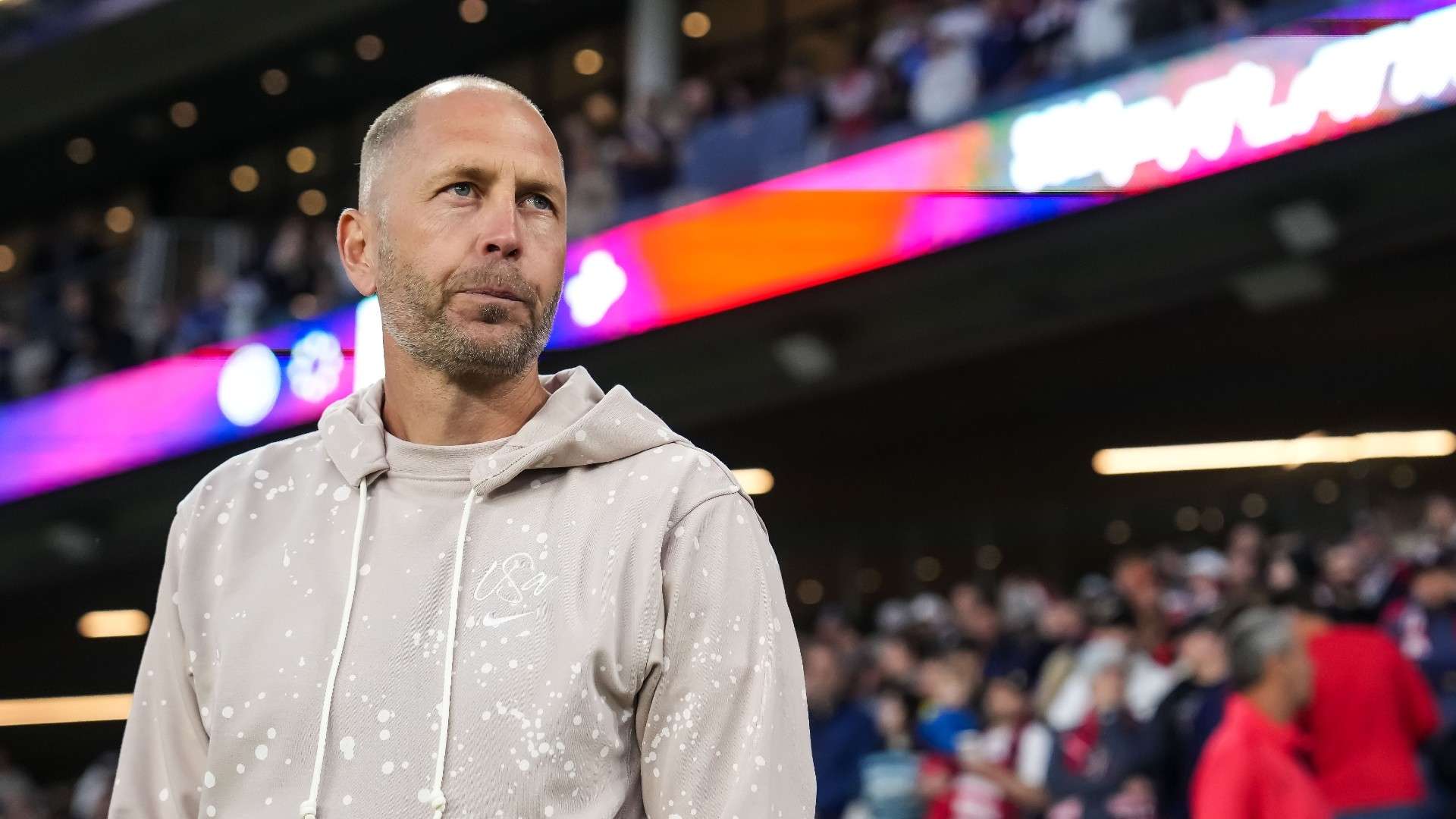
That, though, was due to the circumstances. Gregg Berhalter, throughout his time as a club coach, always relied on having strong finishers to lead the line. They often didn't do much heavy-lifting with the ball, as Berhalter's systems were designed for talented wingers to find a finishing striker on the backpost. In Berhalter's system, a striker had just one job: don't mess up when the ball lands at your feet.
However, Berhalter's club systems also called for strikers that thrive in transition, strikers quite like Balogun. "I remember in the Columbus days, we would have a forward always on the weak-side centerback, always looking to run behind the backline," Berhalter said. "Balo really has a talent for running behind the backline. It's something where you need to just be on the same page with him, really identifying his runs and then trying to get him on the ball. When you see the goals he scored in France, most of them are from quick, behind the backline shots from in and around the penalty box."
As Berhalter says, that finisher will be Balogun, who seemingly fits that role perfectly. There will be some games where the USMNT will be able to play in transition in the way that Balogun likes, particularly in next summer's Copa America. Against many CONCACAF teams, though, the U.S. will face opponents that are bunkered in, where transition moments will be few and far between. If the U.S. wingers can beat their defender, though, and play the ball into the box, in theory Balogun should be there waiting.
Still, that all depends on service. Those that are expected to provide chances will have to change their thinking: instead of looking to combine with someone like Sargent or Ferreira, they'll have to look to find a rushing Balogun darting towards goal. So which player or players are best equipped to do that?