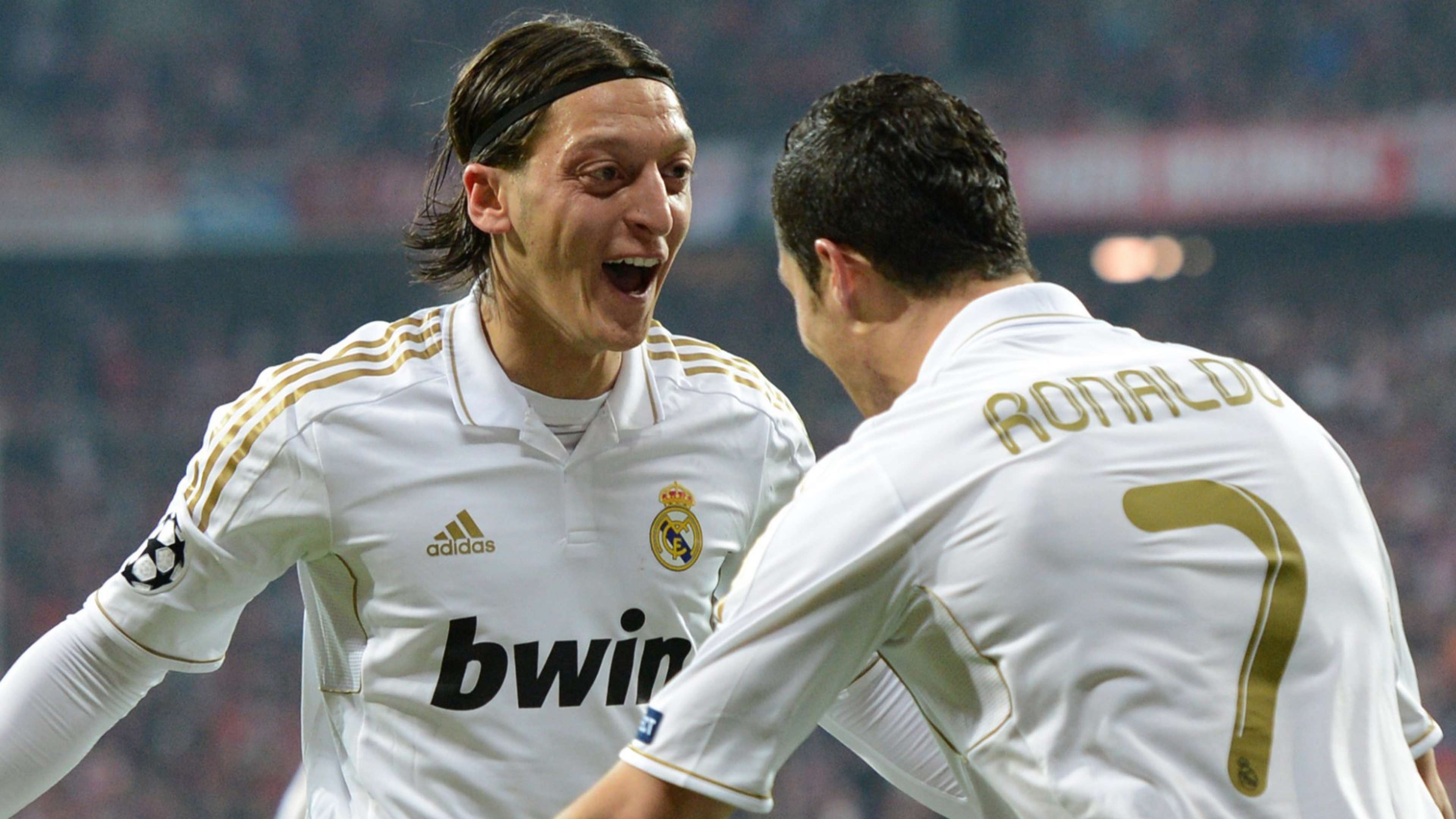
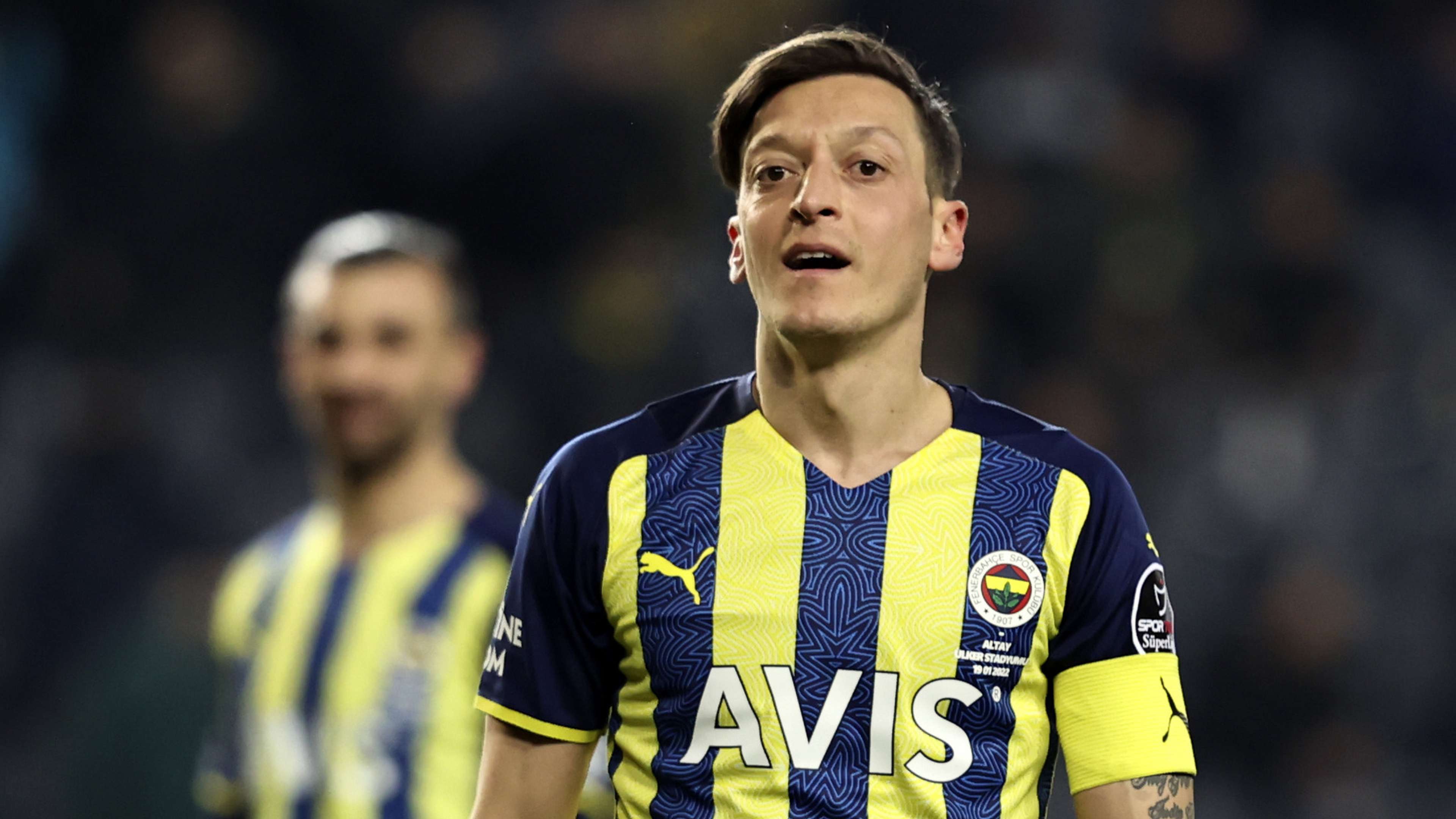
Despite helping the club win three FA Cups in his first four seasons, Ozil never fully silenced his critics. Even former Arsenal midfielder Cesc Fabregas questioned his character. "I'm not taking anything away from Mesut Ozil, he played top football [at Real Madrid], but once you step down a little bit... you have to show yourself a little bit more more, because you don't have the same quality around you," the Spaniard told BT Sport. "The club buys you to be the actual leader... but I don't think he has it in him."
But maybe Cesc, Arsenal and others were expecting Ozil to be something he was not. One could certainly argue that he was a victim of a changing game, effectively transformed into a 'luxury player' by tactical trends that demanded far more industry from attacking midfielders.
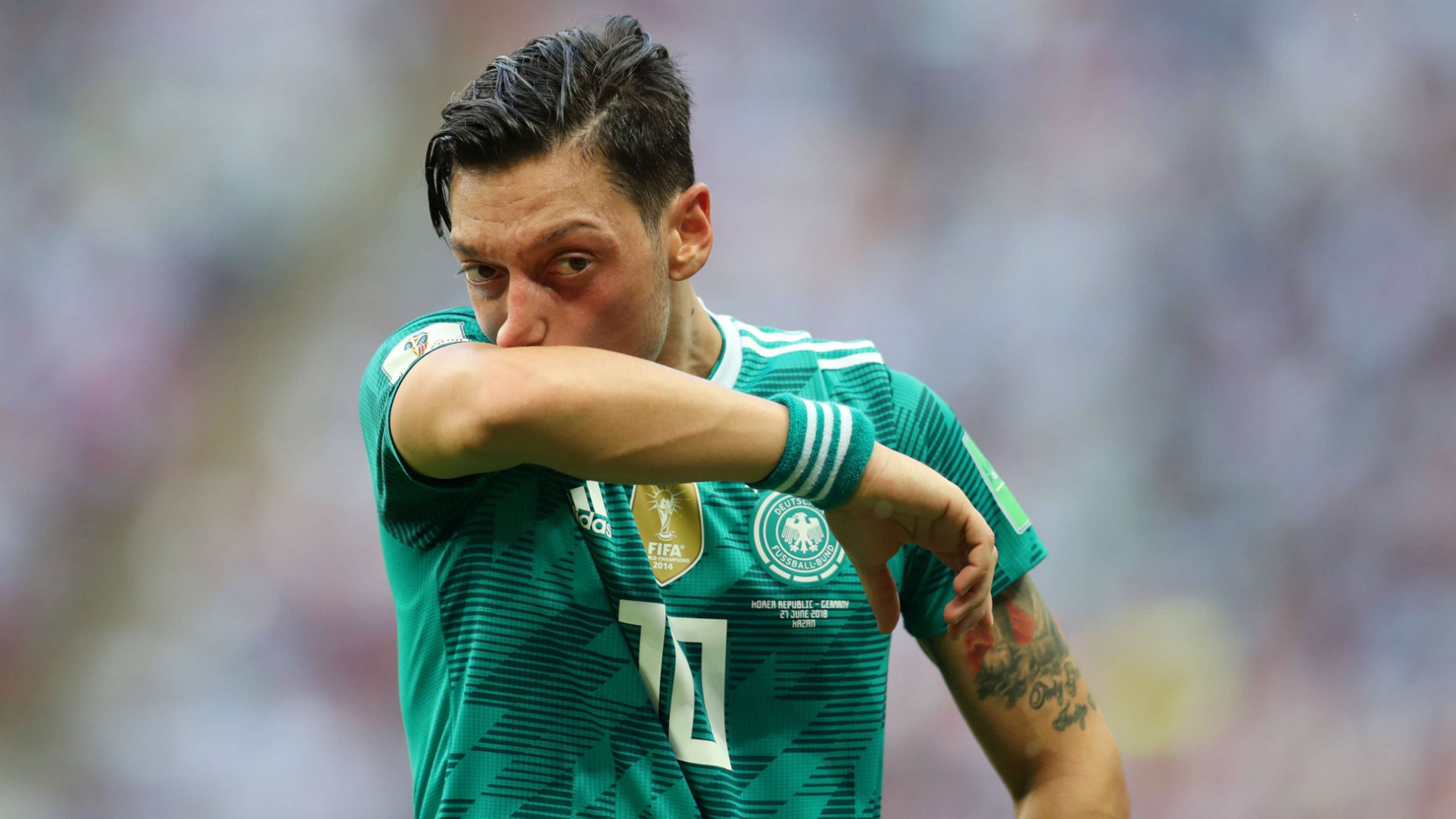
Ozil clearly would have been a superstar in the 1990s, an age in which trequartistas thrived, but his lackadaisical approach came to be treated with suspicion - and in some cases downright contempt. Time and time again, he was the individual that was made a scapegoat for poor team performances, and not just for Arsenal either. Ozil may have helped Germany win the 2014 World Cup, but his value to Die Mannschaft was a matter of public debate by the time the following tournament in Russia rolled around.
There was also a disturbing racial undertone to the criticism coming from some quarters, at a time when Germany's diplomatic relationship with Turkey - the country Ozil's parents hailed from - was on the verge of complete collapse.
Indeed, when Ozil quit the national team after the national team's shock first-round elimination in Russia, he lashed out at the country's football federation (DFB) and how they viewed him: "I am German when we win, but I am an immigrant when we lose."
Much of the controversy had centred on Ozil's ties to Turkish president Recep Tayyip Erdogan, with whom he had posed for a photo alongside Ilkay Gundogan. The latter elected to explain his actions, but Ozil stayed silent until after announcing his international retirement.
However, the likes of Lothar Matthaus insisted that the criticism of Ozil had nothing to do with politics, arguing that he and many others felt that the player no longer appeared to enjoy representing Germany. "I think his time to play in the national team is over," he told ESPN. "And not because of some picture, political decision - it doesn't matter, I don't care. I see the football player Mesut Ozil and [at the World Cup] he didn't perform like before."
It was a sentiment shared by many at Arsenal.

.jpg?auto=webp&format=pjpg&width=3840&quality=60)