+18 | Play Responsibly | T&C's Apply | Commercial Content | Publishing Principles
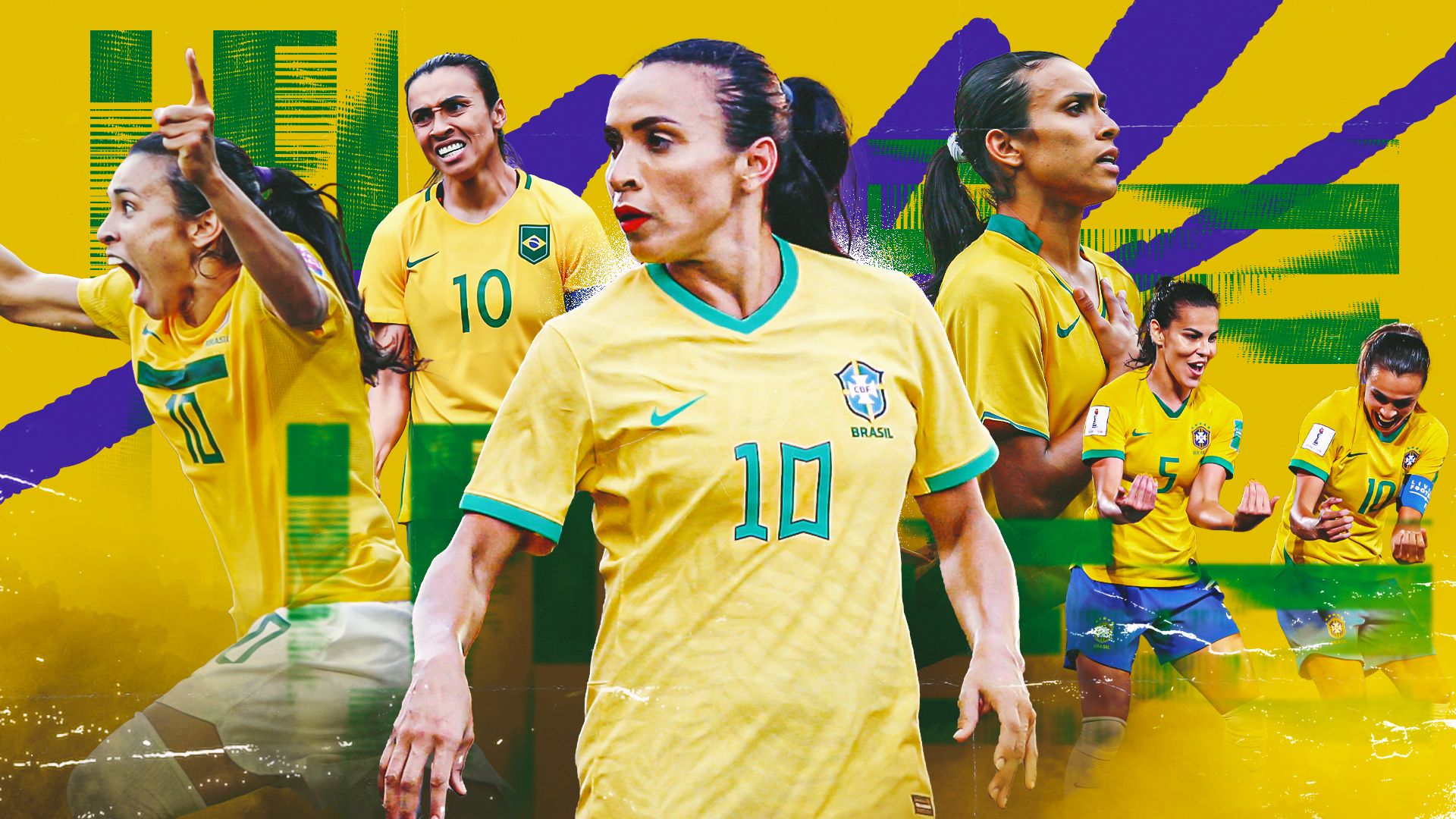
Marta's Last Dance GFXGOAL

Marta's Last Dance: Brazil legend's quest for illusive gold medal driving Selecao's shock Olympic final run

Back in 2004, women’s soccer was not in the place it is now. There was limited media coverage, a serious lack of broadcasting and few opportunities for its athletes to be full-time professionals. Opposition scouting, then, was far from easy – and yet, when Australia prepared to come up against Brazil at the Olympic Games, the Matildas’ staff had full knowledge of the big threat they needed to be aware of. That was an 18-year-old by the name of Marta.

Focusing on one player wasn’t something the team usually did before a match. “Why were we actually doing video on her and breaking down her game specifically? That was a bit unique,” Sacha Wainwright, the former Australia defender, recalls. “We didn’t usually focus on individual players as such, maybe a couple of the Americans and then there was Marta. I think she only had maybe 10 or 15 international caps at that stage.”

The reasons for such emphasis became apparent quickly. With just 34 minutes on the clock, Marta cut inside from the right and found the back of the net with her deadly left foot, just as the Australia staff had feared. “We were on our toes, mainly trying to counter her in that game, and it didn't work,” Wainwright laughs.

Over the last 20 years, Marta has rendered plenty more defenders’ efforts futile with otherworldly talent that leaves few questioning her status as the greatest player in the history of the women’s game. Now aged 38, she has the chance to win a first major international title at the final attempt when Brazil faces the United States women's national team in Saturday's Olympic gold medal match. Will it be the perfect send off for this icon of the game?
  • Marta Brazil Australia 2002Selin Kuralay

    'Holy sh*t!'

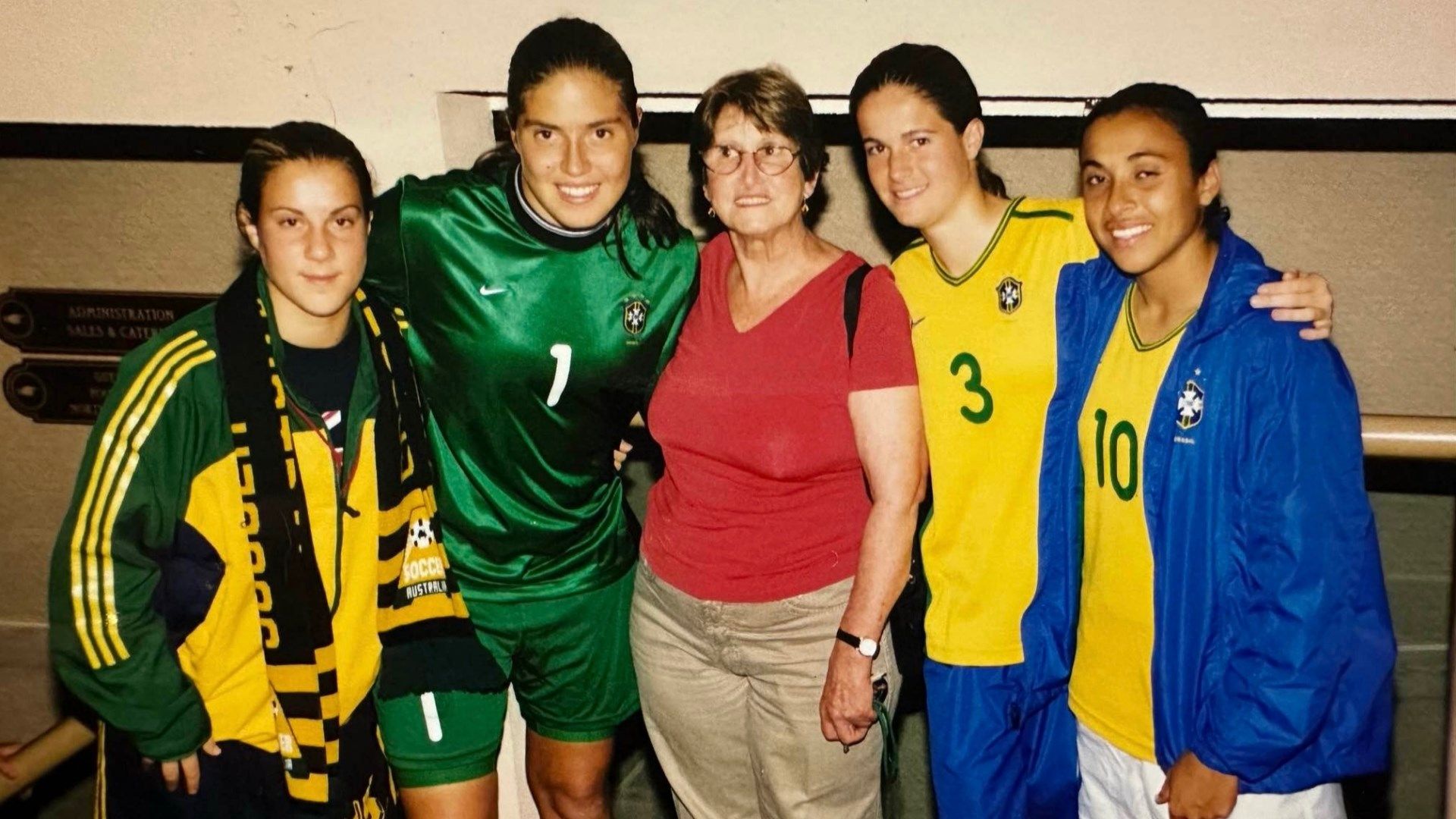
    While some players in Australia’s pre-match meeting back in 2004 might’ve been surprised by the focus that was being placed on this unpredictable teenager, Selin Kuralay knew first hand that it was necessary. Just two years prior, she was in the Australia squad for FIFA's first-ever women’s youth tournament, the Under-19 Women's Championship, at which Brazil was Australia's quarter-final opponent. It was there that she first encountered Marta.

    “She was quite clearly the best player at that tournament. It was kind of the first opportunity for her to be showcasing to the world that her skills were that much better than the rest of us, I would say,” Kuralay, who scored in the eventual 4-3 defeat to Brazil, tells GOAL with a chuckle. “We were taking pictures with her. Any coach's pet hate is to have his players taking pictures with the other team's. I just remember that we were just all in awe at her technical ability, the way that she played the game and how amazing she was. It's not often that you come across players where you're like, 'Holy sh*t, they are that good!'”

  • Advertisement
  • Marta Brazil Women 2003Getty Images

    Greeting the world stage

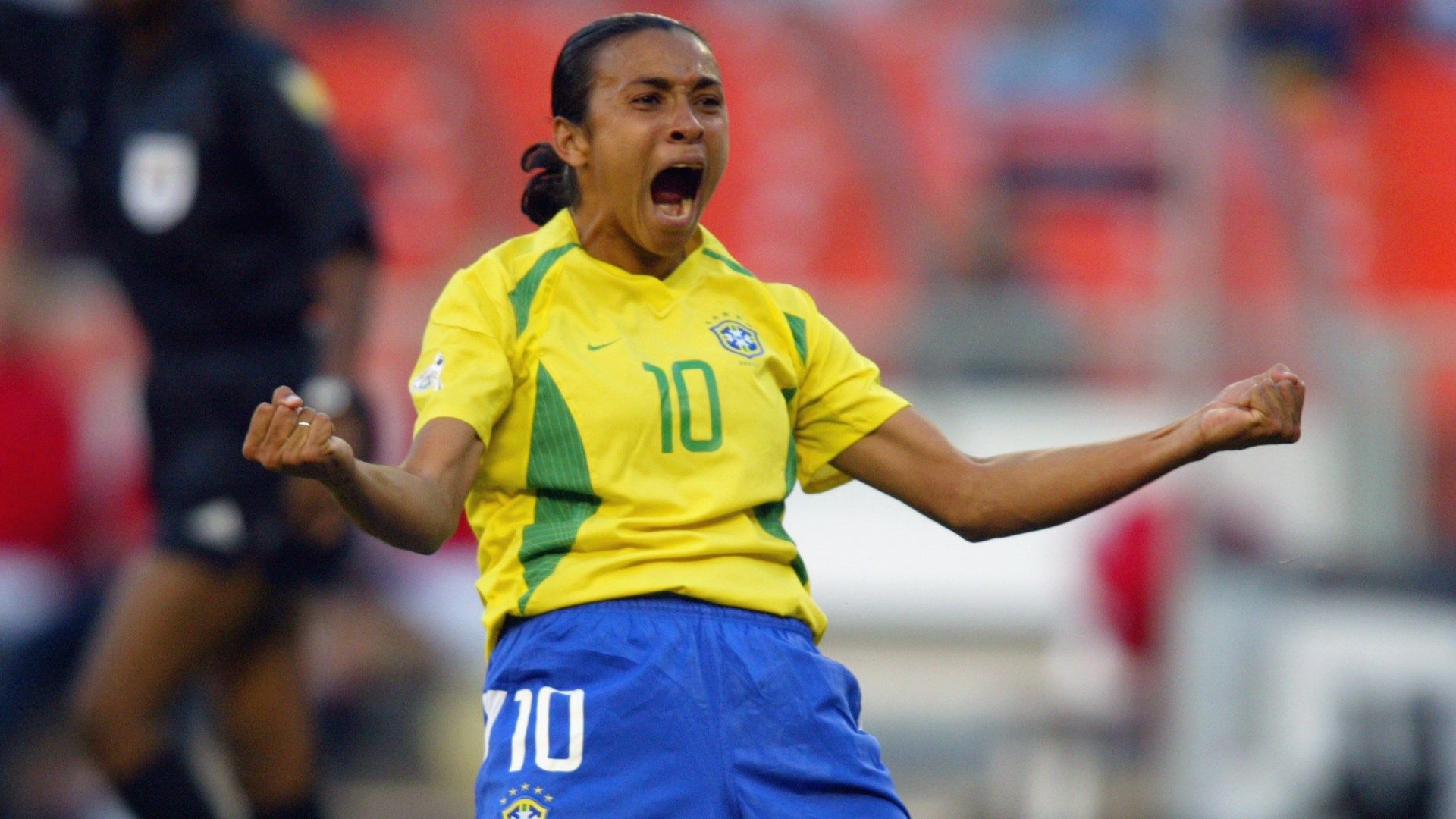
    It was a reputation that would be enhanced over the next two years. The first step in that sense came in 2003 when, aged 17, Marta showed the biggest stage in the sport glimpses of her talent for the first time, at that summer's World Cup.

    In the group stages against Norway, she picked up the ball some 30 yards out, danced past four opponents and teed up Maycon, before eventually pouncing on the rebound of her team-mate's saved shot to put Brazil 3-1 up against the reigning Olympic champion. It was one of three goals she netted in a tournament that ended with Brazil beaten by eventual finalists Sweden in the quarters.

  • Marta Cristiano Ronaldo Pele FIFA awards 2008AFP via Getty Images

    'Galactico' of women's soccer

    A few months later, another significant milestone in her young career came when she joined Swedish club Umea, “the Galacticos of women’s football” at that time. There was a lot of money in the Damallsvenskan, Sweden’s top-flight, throughout the 2000s and early 2010s and its teams thrived in Europe, with Marta able to help Umea win the UEFA Women’s Cup, now the Champions League, in her first season.

    “Of course, I knew about her,” Andree Jeglertz, the club’s head coach at the time, told GOAL previously. “Our club director, Roland Arnqvist, always did things that people said he couldn't do. That gave him a little bit of a trigger. He took this as his biggest challenge to get Marta to Sweden and he managed [to do it]. They landed in half a meter snow in Umea. That was quite cool.

    “You could see the technique, you could see how she solved things on the field, but as a coach, already then you were frustrated because she didn't do exactly as you said. She did things that us coaches would think, 'My God, we can never get her to understand how we want to play and what we want to do', but she solved every situation her way. That was something that I've learned in my coaching career, that not everybody can be exactly the same kind of player. It's the one that's breaking the pattern that will win the games and the trophies for you.”

  • Brazil Women 2004 OlympicsGetty Images

    Making her mark

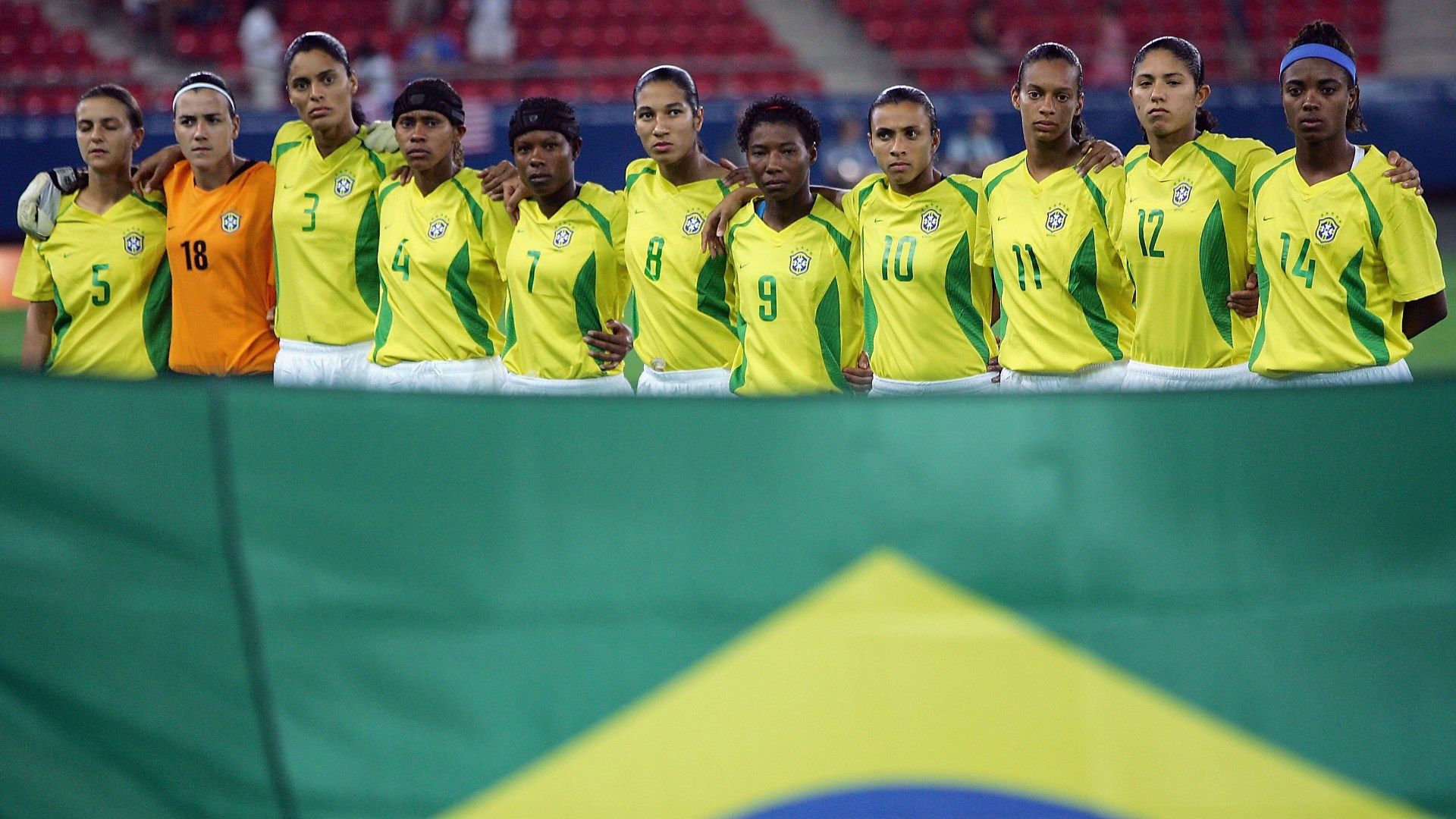
    Marta would prove to be a game-changer at the 2004 Olympic Games, too, a tournament at which Rosana, her former Brazil team-mate, believes she really announced herself. “She was on everyone's lips after the first game against Australia, where she really turned up and showed the phenomenal player that she had become,” she told GOAL.

    “I remember there was an aura around her already and that was her first Olympics,” Wainwright, Australia’s left-back that day, says. “She'd come near you and you were just like... 'Need to concentrate, need to keep her out wide, don't let her cut in'. She could be so dangerous. I guess it's the magic of the player she is. I can remember it. It's so memorable just who she was already, back then, and then she's gone and obviously had this massive career. At that time, and I was a more senior player, I felt like, 'This is a test of who you are as a player'. It was already that you'd be coming up against one of the best in the world.”

    Going into that tournament, Brazil wasn't among the favorites to win gold, yet it came incredibly close. The South Americans faced the United States in the final and were left feeling aggrieved when a big penalty shout went by in extra-time, before Abby Wambach scored the gold medal-winning goal. “Even speaking to some Americans afterwards, they strongly believed that we deserved the gold, by the way we were playing and by the enthusiasm we had and the desire we had,” Rosana recalled.

  • Marta Brazil Women 2008 OlympicsAFP via Getty Images

    Runners-up, again and again

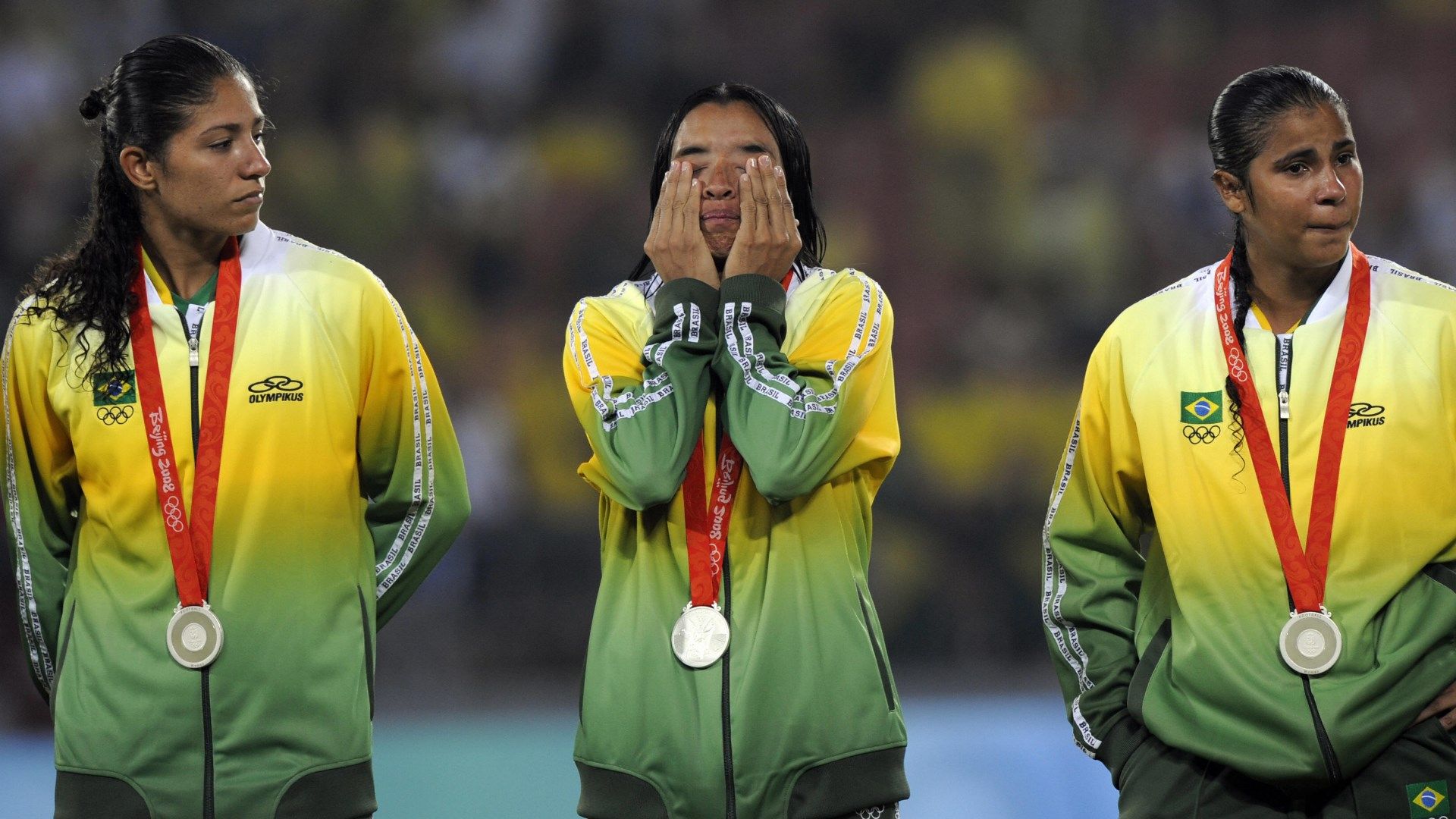
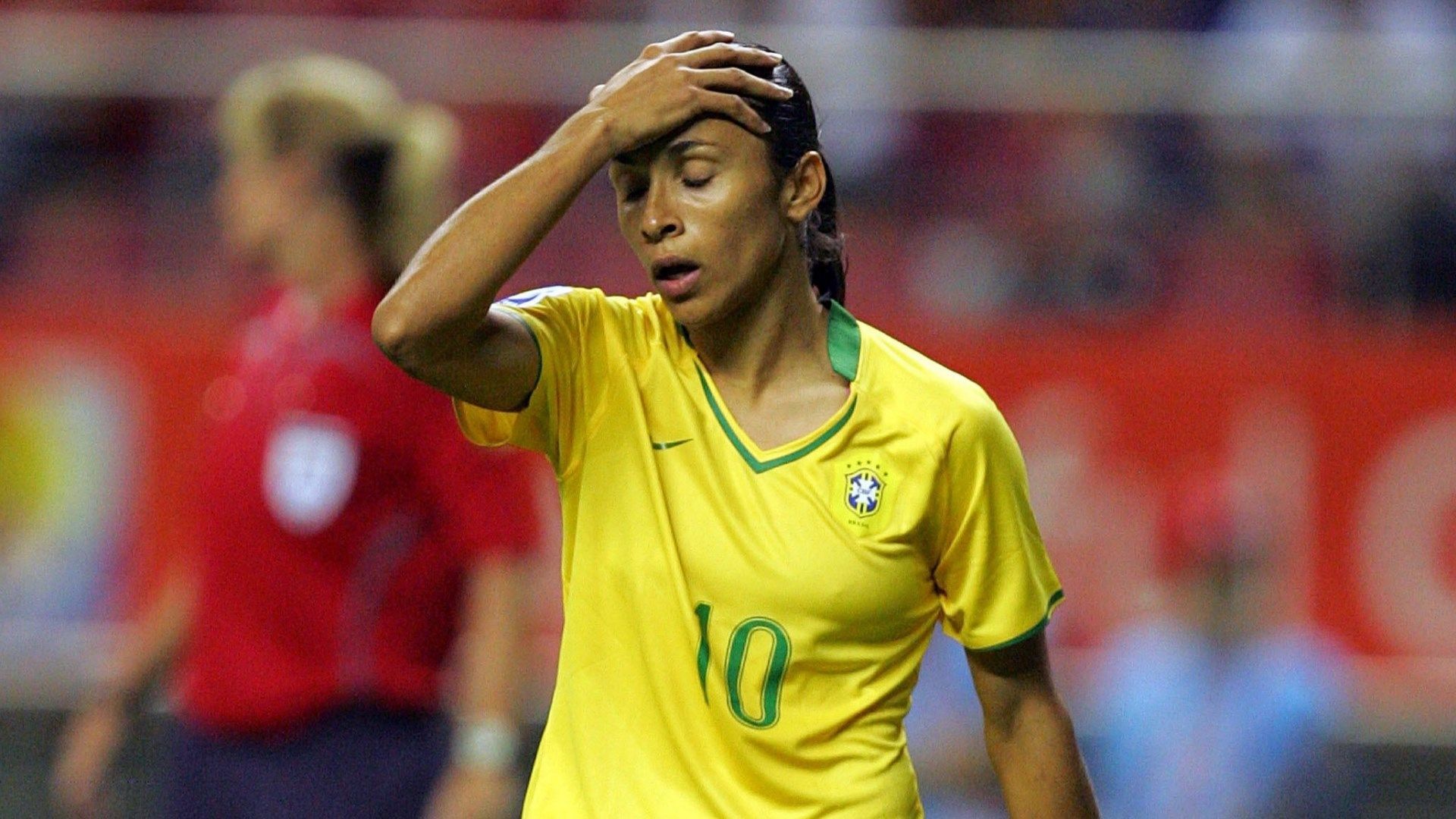
    That was perhaps the last time Brazil was a genuine underdog. As well as Marta, the team boasted stars like Rosana, Formiga, Cristiane and Pretinha, putting it among the front-runners every time a major tournament rolled around. It came close to glory again in 2007, when Marta scored a gorgeous solo goal in a 4-0 demolition of the USWNT in the World Cup semi-finals, but was beaten 2-0 by Germany in the final. A third silver medal in four years then came at the 2008 Olympics, when Carli Lloyd's strike in extra-time delivered a third gold, from just four attempts, for the United States. That was the last time that Brazil, and Marta, played in the final of a major international tournament - a wait that will end on Saturday, in the 2024 Olympic gold medal match.

    “The generation that we had was super, super talented, but in Brazil, unfortunately, it's not like other countries in which the investment comes before,” Rosana explained. “In Brazil, you have to prove yourself and the women's game, for example, had to prove itself for the investment to come. It should be the other way around, like in other countries, but unfortunately, in Brazil, it doesn't work like this.

    “It's really sad to think about [the lack of a major title] as I strongly believe that the generation we had and the team we had was possibly the strongest Brazil had seen to this day, a team that had won five medals in four years. Not having the investment come in before for us to be able to achieve this goal is disappointing to think of.”

  • Marta Brazil Women 2007Getty Images

    Pushing for more

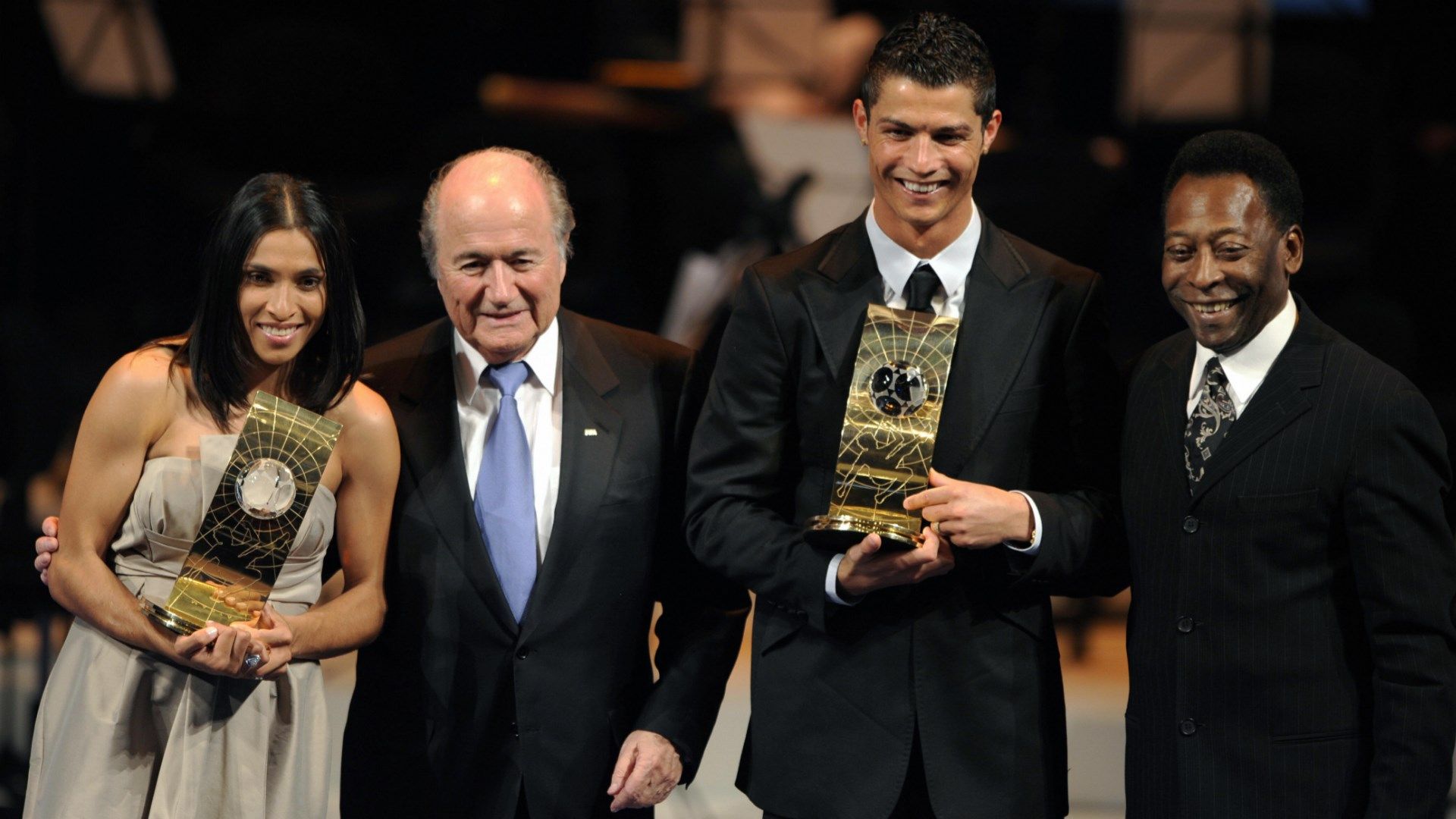
    In the 16 years since that Olympic final, Marta’s reputation has hardly been hurt by Brazil’s lack of success. The six-time FIFA World Player of the Year has lit up the sport everywhere she’s been, winning 13 club trophies on three continents, including the Champions League and the Copa Libertadores. She’s transcended sport, earned plaudits from Pele and cemented her status as the greatest player in the history of women’s soccer.

    Through that alone, Marta has helped the development of the game. Still, she’s also gone out of her way to do it consciously. Despite benefiting from her profile, from sponsorship deals, from big money moves, she has constantly looked to ensure the whole sport moves forward, rather than simply taking care of herself.

    When Brazil lost in the round of 16 at the 2019 Women's World Cup, her emotional post-match interview went viral. “There's not going to be a Formiga forever, there's not going to be a Marta forever, there's not going to be a Cristiane,” she told cameras on the pitch, issuing a message to the next generation. "Women's football depends on you to survive. Think about it, value it more. We're asking for support. You have to cry at the beginning and smile at the end.”

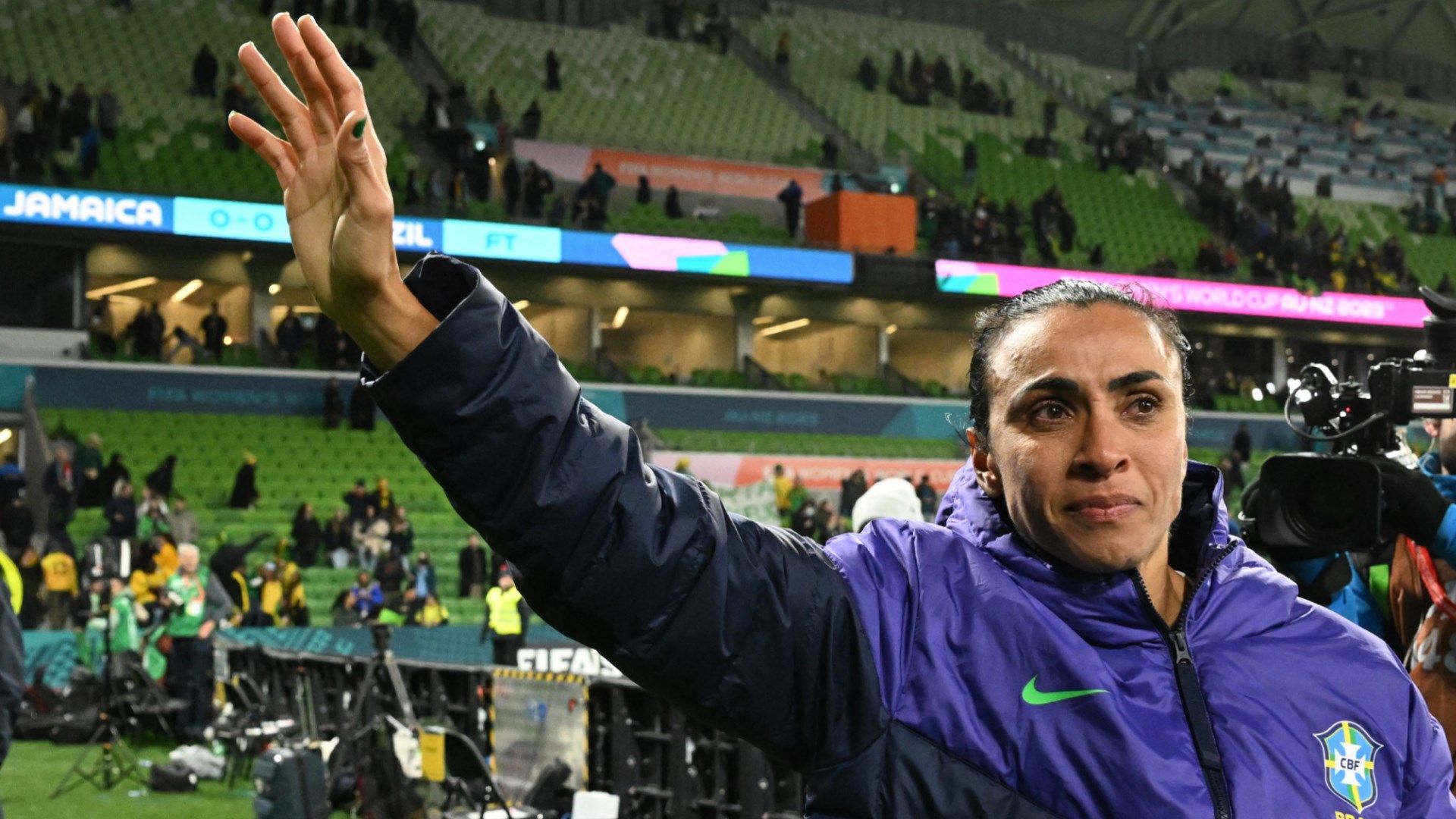
    Four years later, as Brazil endured a shock group-stage exit, there was another rally cry. “Not even in my worst nightmares was it the World Cup I dreamed of,” she admitted. “But it’s just the beginning. I think I’m the only old lady here. Most of them are girls who have a lot of talent who have a huge path ahead of them. I’m done here, but they’re still here. I’m very happy with all that has been happening in women’s football in Brazil and the world. Keep supporting because, for them, it’s just the beginning. For me, it’s the end of the line now.”

  • Marta Brazil 2023Getty

    The last dance

    That was the end of Marta at the World Cup, this week will see the end of Marta at the Olympics and, shortly after, the end of Marta in a Brazil shirt altogether will follow. The Games in France is the 38-year-old’s final major international tournament, with her to retire from international duty in 2024.

    "I'm very optimistic about the development we're seeing with young athletes," she said upon that announcement. "We have a very qualified team, with very talented girls and, over the years, you'll see that it really is what I'm talking about, it's very fertile ground. For this reason, I feel very comfortable saying: ‘Look, I'm passing it on to you, I'm passing the baton, and you carry on this legacy'."

    Though a red card in the group stage at this Olympics has sidelined her for two of Brazil's five matches so far, Marta has still played her part with her quality, as well as with her leadership and experience. After all, she is one of just four players on the roster with more than 50 caps. This is Brazil’s next generation.

    “I'm looking forward to, of course, doing my best as a player, but also helping the young players develop and enjoy this moment because you never know how many Olympics you're going to play, so just enjoy the moment, do your best and then hope for the best,” she said, before departing for France.

  • Marta Brazil Women 2018USA TODAY Sports

    Going for gold

    Can Brazil's best get it over the line? Sixteen years since the women’s team last came close to something it has never tasted - glory on the international stage - it is back on the brink of a first major title, just 12 months on from a group-stage exit at the World Cup.

    Under Arthur Elias, who replaced Pia Sundhage after last year’s catastrophe, Brazil do look a little more like, well, Brazil. The style of play is more attractive and there are some top quality players in the squad, of course. Questions about this team's ability to beat the elite nations have been answered too, most notably with a huge victory over Spain in the semi-finals to set up Saturday's gold medal battle with the U.S., for which Marta will be back after suspension.

    “I'm looking forward to enjoying every moment and trying to win this time, because it's going to be the last one. It's now or never!” Marta said earlier this month, with a laugh and a big grin. “My first Olympics was special because that was the first time Brazil went to a final and got a medal, but when we talk about soccer in Brazil, no matter what, if you don't win, it doesn't matter! When we talk about the other sports in the Olympics, if they go back home with a medal, everybody applauds, everybody's happy. But with soccer, it needs to be the gold one.”

    For Marta, for her legacy, for her status as the greatest player in the history of women's soccer, it doesn’t need to be the gold one. But for her team-mates, for fans of the sport and for her peers, it would certainly feel like a fitting end to an almighty international career.