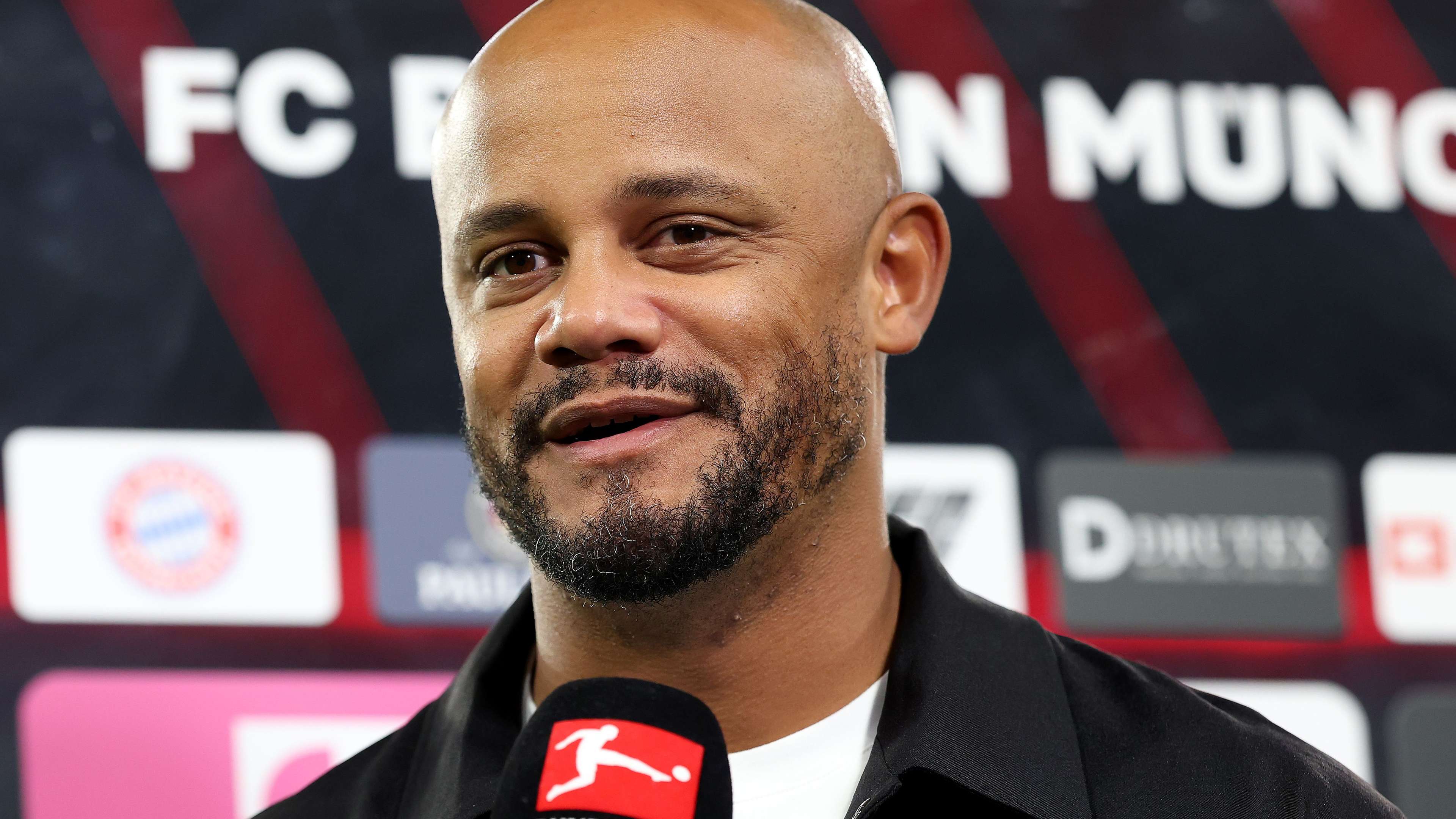
Bayern are the only club among Europe’s top five leagues to maintain a 100 per cent record, winning all nine of their matches so far across the Champions League, Bundesliga and DFL-Supercup. Despite missing out on summer transfer targets such as Nico Williams and Nick Woltemade, and parting ways with key players like Kingsley Coman and Leroy Sane, Bayern have looked unstoppable under Kompany. German outlet Sport Bild has revealed the methods and ideas behind Kompany’s impressive start at the helm.
 Getty
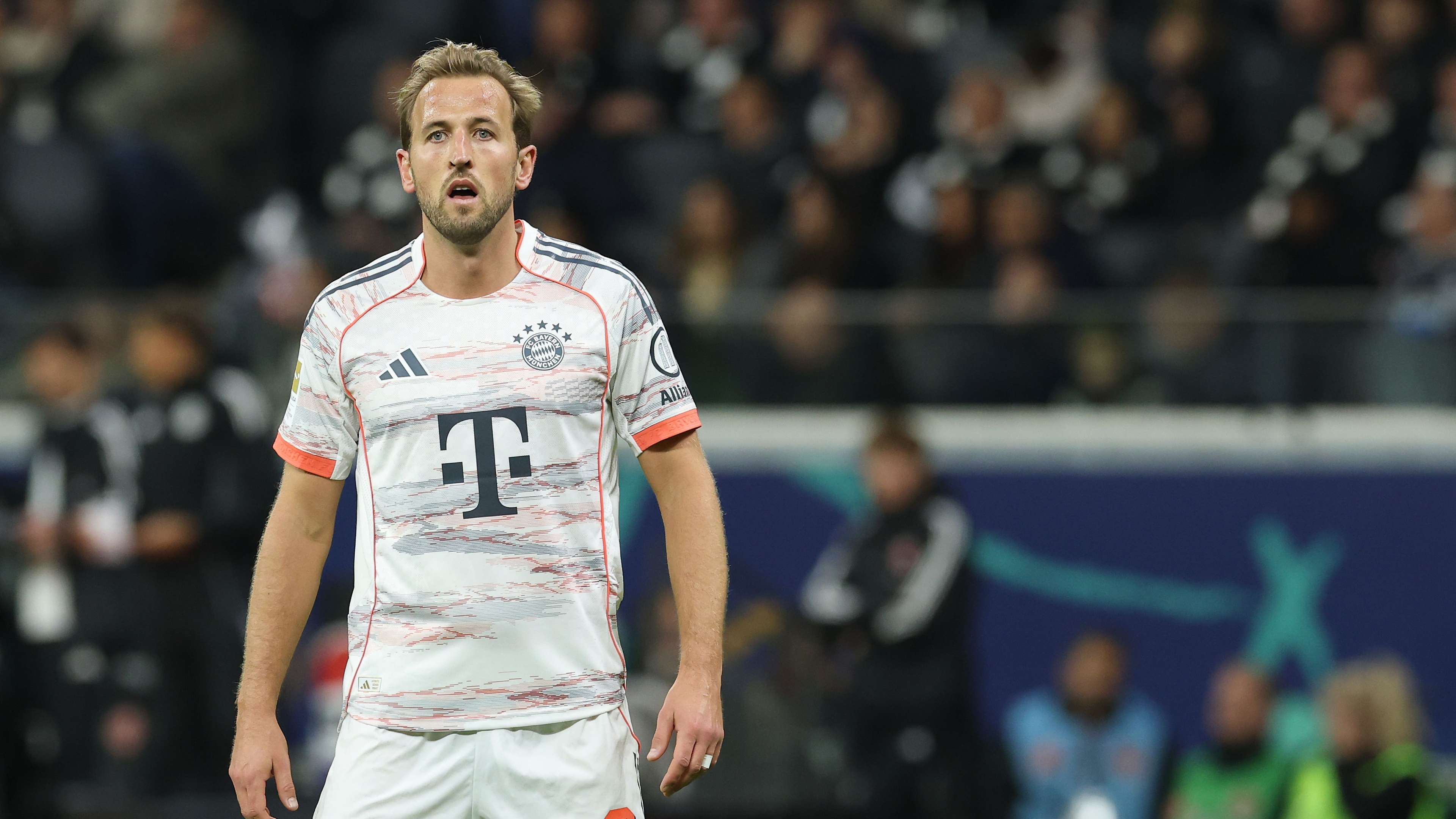
Getty Harry Kane 'perfectly' meeting Vincent Kompany's demands and hailed as best example for Bayern Munich team-mates as Belgian coach's successful training regime revealed
 Getty Images Sport
Revealed: Bayern coach's tactical principles and expectations
Building out from the back, Kompany places strong emphasis on angles and support, encouraging full-backs, centre-backs and midfielders to find space in different areas of the pitch. This positioning allows them to offer passing options to goalkeeper Manuel Neuer when playing out from the back while avoiding being caught in the shadow of opposition players. Full-backs are urged to move into open spaces to receive chipped passes over the heads of opponents, while striker Kane is encouraged to position himself intelligently to receive long goal kicks from Neuer.
Another key aspect of Kompany’s approach is switches of play, where players are instructed to shift the ball from one flank to the other in the opposition half after drawing defenders toward one side. This tactic aims to catch opponents off guard and create open spaces for Bayern’s forwards to exploit. Kompany also grants his attackers, particularly Kane, the freedom to make runs into open areas and take advantage of deep-defending teams to maximise scoring opportunities.
Off the ball, Kompany demands constant perseverance and intensity. He encourages his team to defend as a single, compact unit high up the pitch and to press their opponents collectively. He often uses Kane’s goal against Dinamo Zagreb last season, where the striker pressed high, won the ball back, and scored, as a perfect example of his philosophy on persistence and work rate.
Above all, Kompany insists on complete synergy among his players, believing that only through collective understanding and cohesion can his system function to its fullest potential.
 Getty Images Sport
Bayer and Kane's upcoming challenge
Bayern will hope that Kompany’s principles continue to guide the German league leaders when they host arch-rivals Borussia Dortmund in the Der Klassiker on Saturday. Fans will be eager to see Kane find the back of the net once again and help his side secure another crucial victory.
Advertisement

