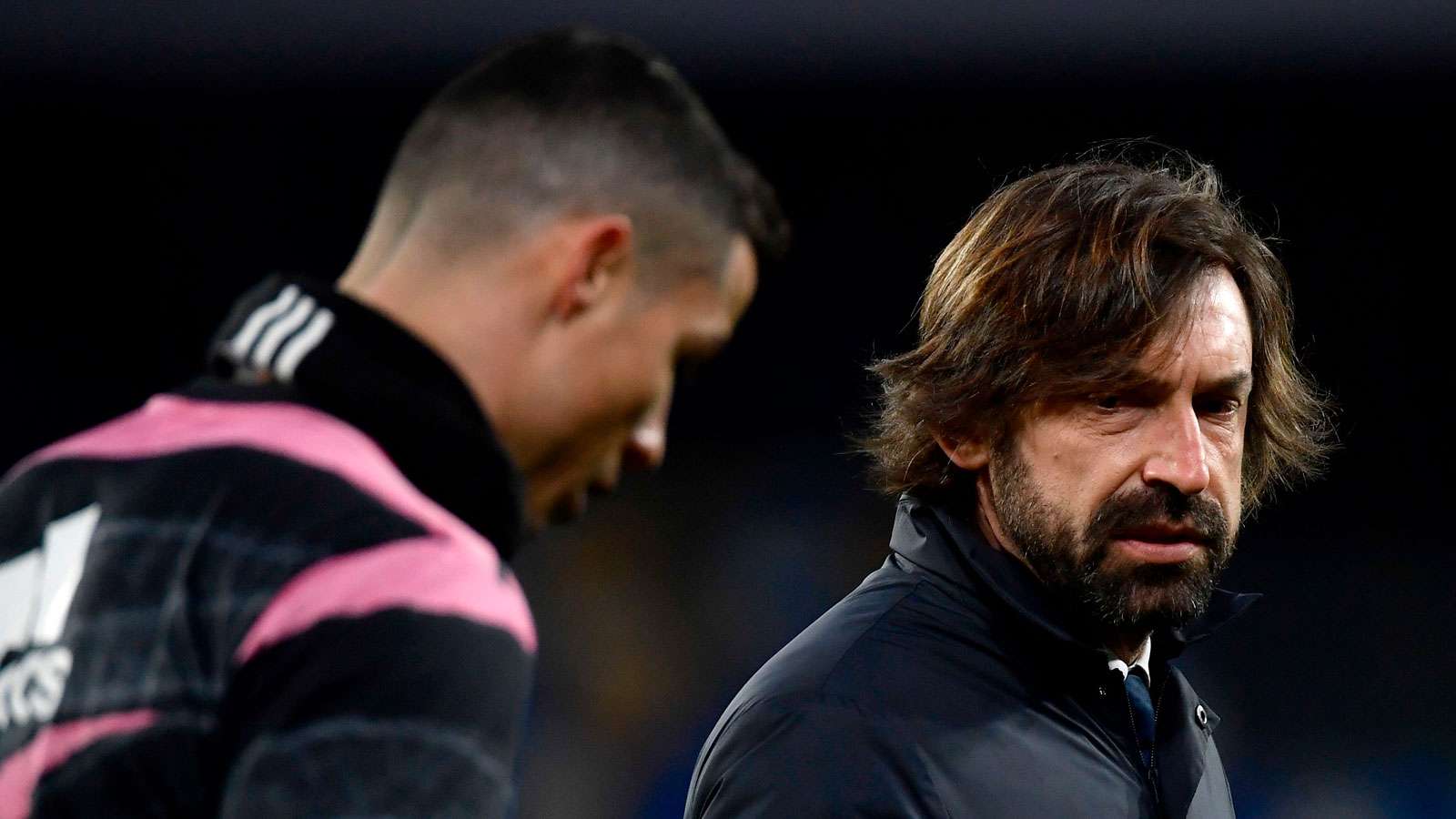
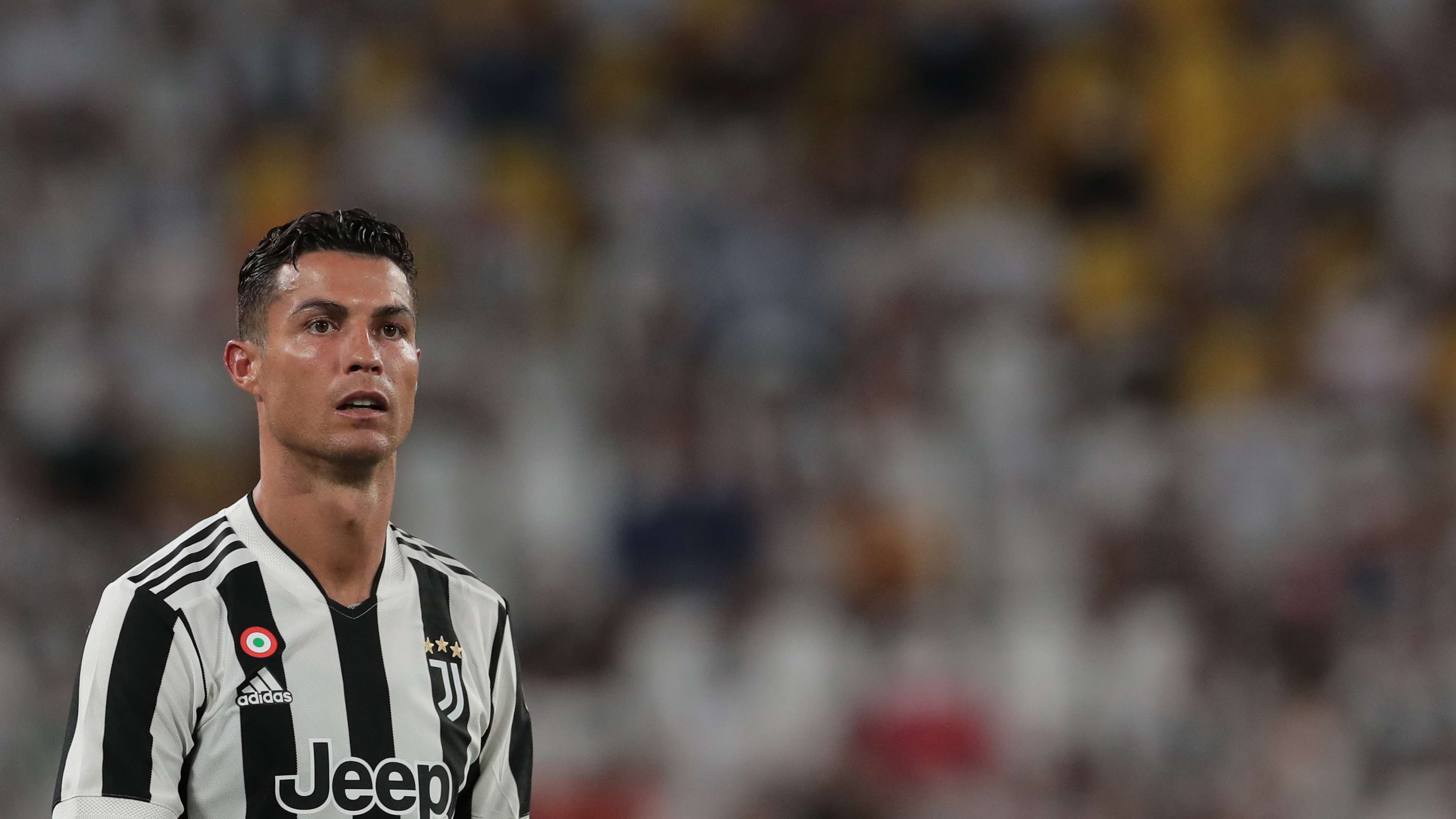
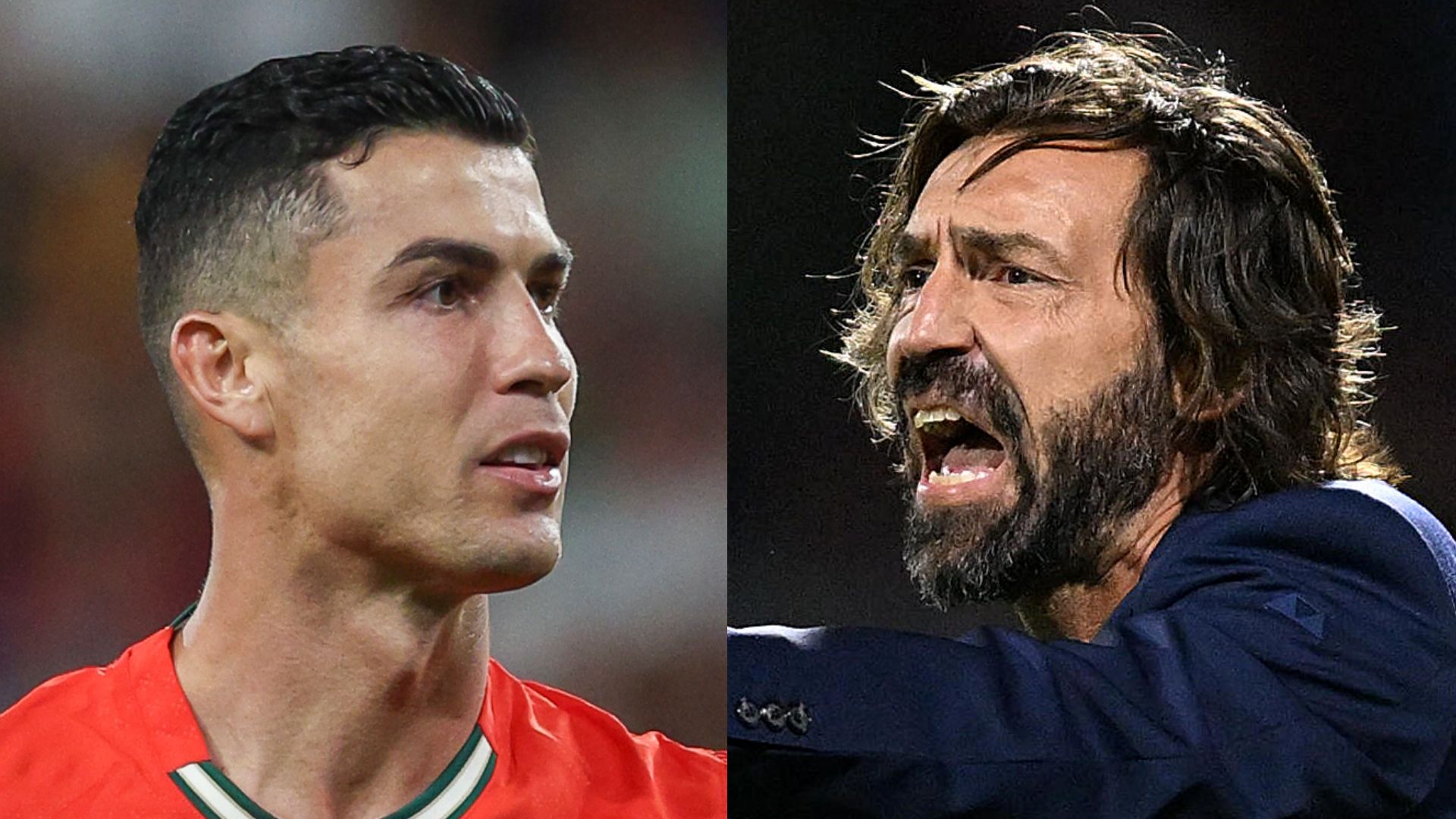
Managing Ronaldo has consistently tested even the most experienced coaches, a challenge Pirlo also faced during his time at Juventus. Ronaldo’s commanding personality, unmatched ambition and relentless pursuit of excellence often made it difficult to balance individual brilliance with tactical discipline.
Maurizio Sarri, who coached Ronaldo at Juventus in 2019–20, admitted that integrating him into a rigid system wasn’t easy. He often felt frustrated trying to balance Ronaldo’s instinctive, attacking nature with the structured play he wanted to implement. Despite moments of tension, Sarri acknowledged Ronaldo’s remarkable ability to stay focused and quickly move on from setbacks, highlighting his elite mentality.
Jose Mourinho’s experience with Ronaldo at Madrid was defined by mutual respect but also by the clash of two strong egos. He often described managing Ronaldo as an exercise in letting go of excessive control, understanding that certain players perform best when granted freedom rather than restriction.
At United, Erik ten Hag and Ralf Rangnick both encountered similar challenges. Ten Hag had to deal with Ronaldo’s dissatisfaction over reduced playing time, which culminated in his refusal to come on as a substitute in one match. Rangnick, too, faced public criticism from Ronaldo, who questioned his authority and managerial credentials. Both situations underscored the difficulty of managing a superstar whose personal standards and influence often overshadowed team directives.
Even Fernando Santos, who shared a long and successful stint with Ronaldo in the Portugal national team, saw the relationship strain during the 2022 World Cup. Tactical decisions to substitute Ronaldo led to visible frustration and a noticeable shift in team morale.
.png?auto=webp&format=pjpg&width=3840&quality=60)