
- Referees to explain their decisions
- Change still needs PL's ratification
- Could be introduced from the 2024-25 campaign
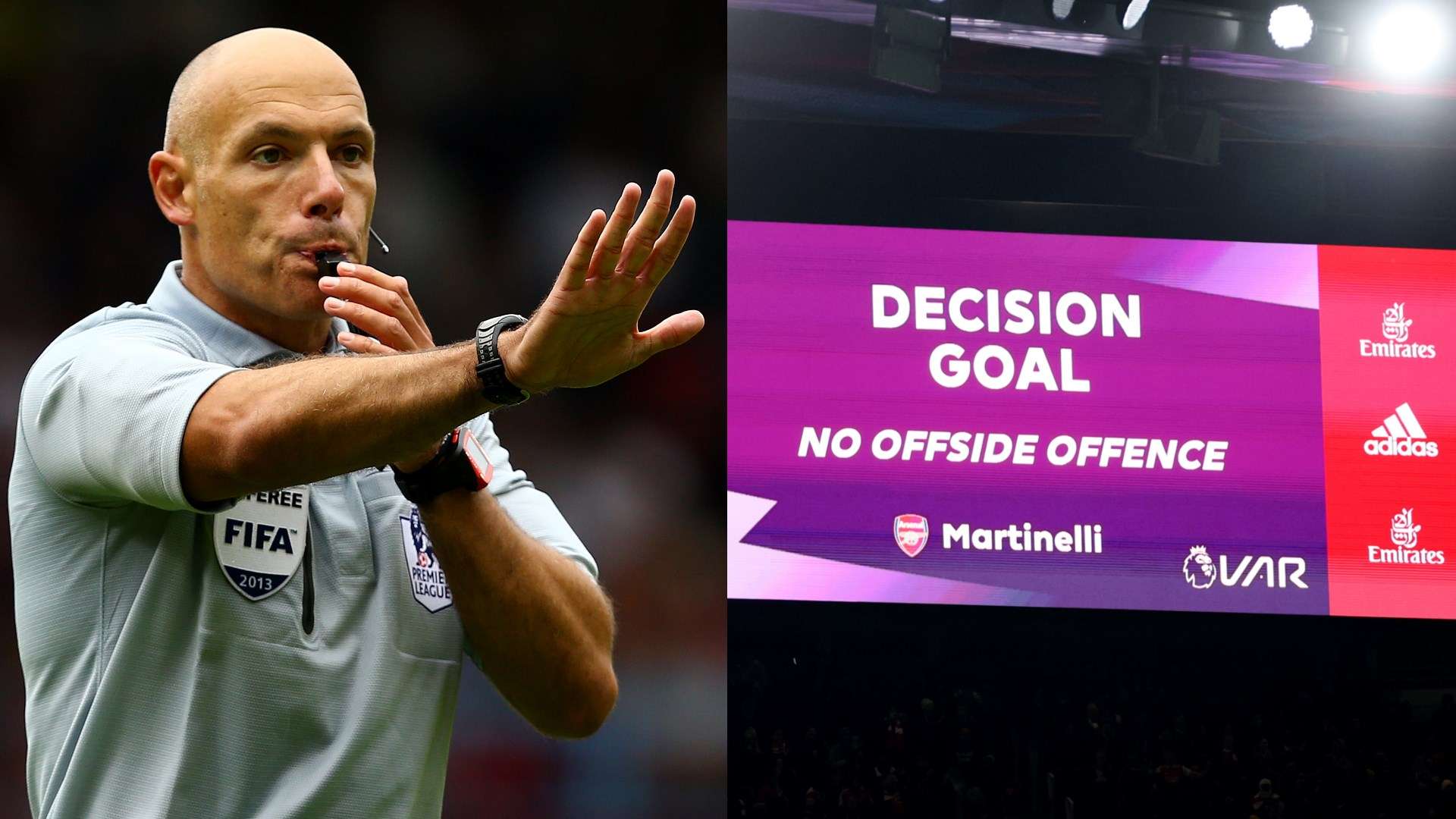
Getty ImagesBig VAR changes coming! PGMOL chief Howard Webb gives update on future of technology in Premier League amid controversy
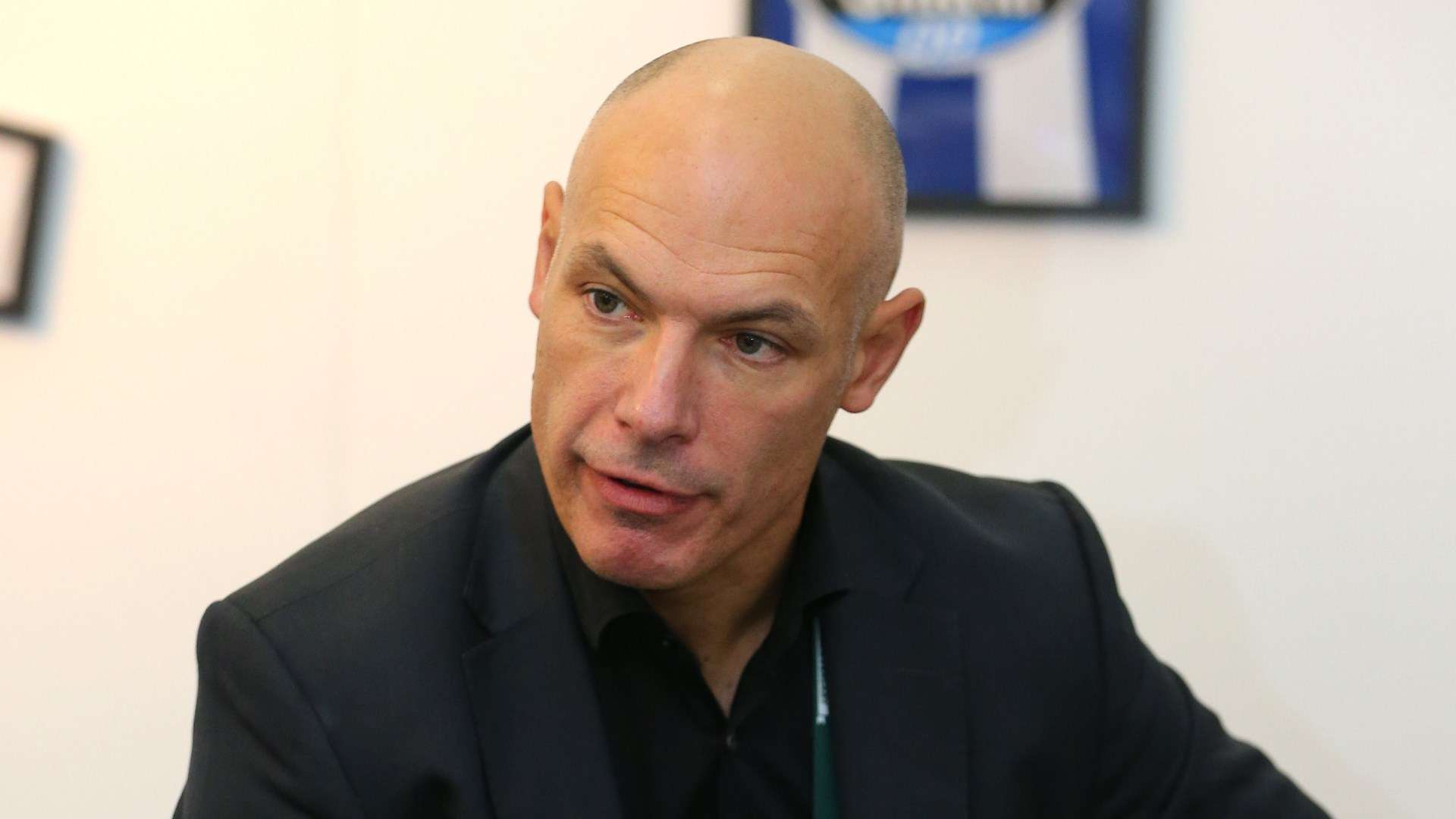
WHAT HAPPENED?
Webb announced that the PGMOL are working on a plan for referees to explain their decisions directly to stadium crowds and television audiences, if they make any changes to their original decision, after consulting the VAR monitor. The proposed change awaits approval from the Premier League and the authorities are aiming to introduce this change as early as the next season, to offer greater clarity and transparency in officiating to the fans.
GETTYWHAT WEBB SAID
During his appearance on Match Officials Mic'd Up, Webb said: "When you hear the clips on shows like this it makes sense what's happening; it all becomes apparent. We're looking at ways to improve the in-stadium experience.
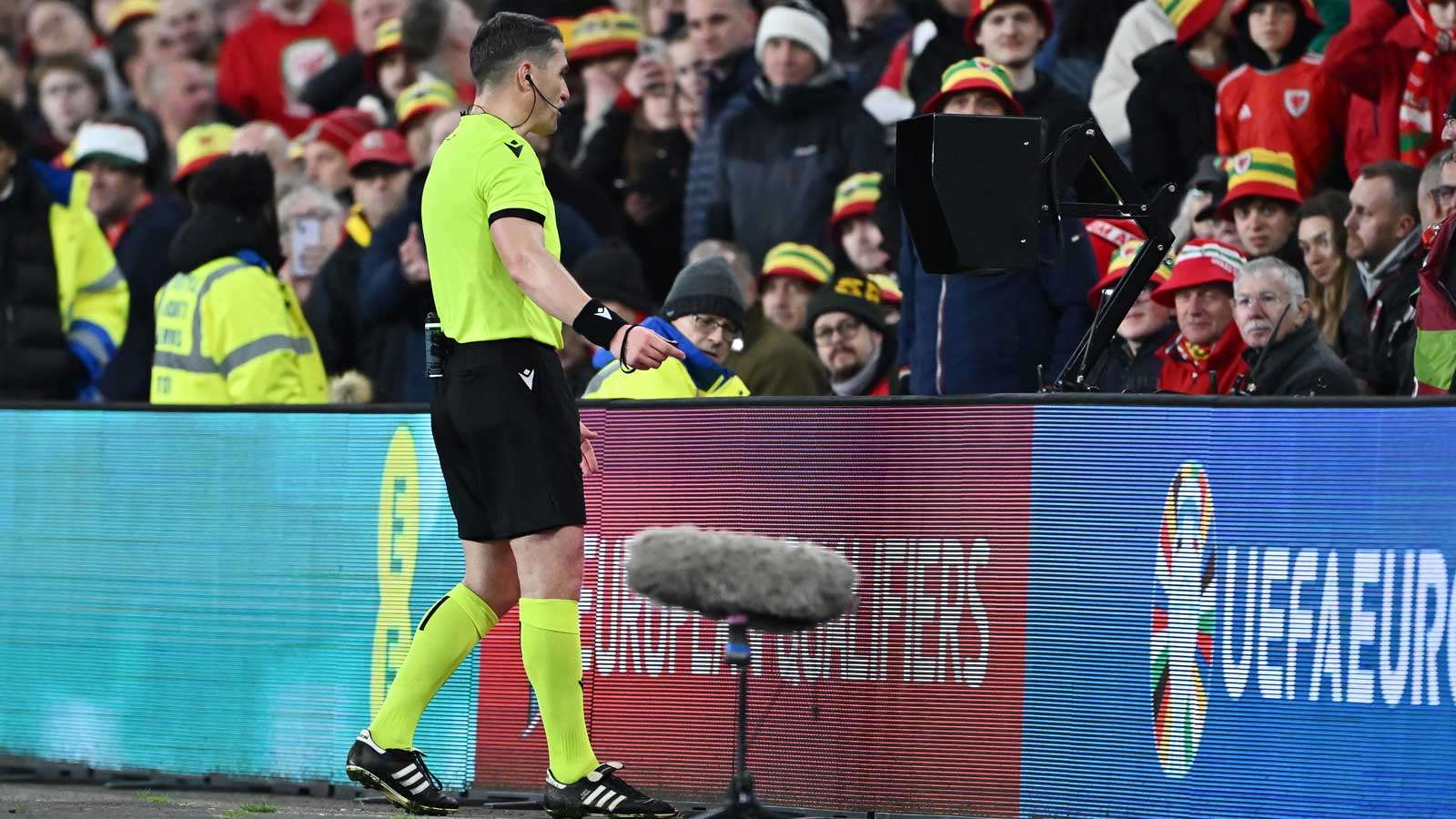
"One of the things you'll have seen maybe in FIFA tournaments, like the Women's World Cup, is announcements from the referee once they've been to the screen. So we're looking at that, we're keeping an open mind about whether that's something we could utilise in the Premier League. It would be really useful for the referee to be able to speak to all of the people in the stadium [to explain] the rationale."
THE BIGGER PICTURE
The International Football Association Board (IFAB), responsible for football's laws, initiated a successful 12-month trial of this approach in international tournaments before incorporating it into the Laws of the Game. Several leagues, including Liga MX, MLS and the Australian A-League, have already adopted this policy. During the Women's World Cup, FIFA learned that the explanation should be followed by the decision, not vice versa, and the Premier League should follow the same course of action. However, IFAB remains firm that real-time conversations between the VAR and the on-field referee will not be made public through broadcasters.
WEBB ADMITS VAR ERROR IN NOTTINGHAM FOREST VS EVERTON
Webb also acknowledged a significant Video Assistant Referee (VAR) error in Nottingham Forest's 2-0 defeat to Everton earlier in April, highlighting a missed penalty call in the 55th minute when Callum Hudson-Odoi was fouled by Everton's Ashley Young.
The contentious match saw Forest express discontent over three penalty decisions that went against them, raising doubts about the integrity of VAR referee Stuart Attwell. Attwell is a supporter of Luton Town, who are involved in a relegation battle with Forest. As a consequence of Forest's reaction, the Football Association is anticipated to levy charges against the club.
In response to the uproar, the Premier League's Independent Key Match Incidents Panel conducted a review, concluding that only the challenge on Hudson-Odoi warranted a VAR intervention.
"We did hear [referee] Anthony Taylor in the footage there say that he believed the ball had been played by Ashley Young, and we know that's not the case," Webb explained. "We know only Callum Hudson-Odoi touches the ball.
"The first job of the VAR is to look at the footage available and make the judgement, 'Was the on-field decision clearly wrong?' You could have a situation where the referee describes that the ball has been played by the defender. But actually when the VAR looks at it, sees that's not the case, but it's still not a penalty. It might be that the attacker has simulated, for example.
"So you can't only rely on what the referee is saying to make the judgement of whether something is clearly and obviously wrong. But if there's a VAR, you're looking at it thinking, 'Is it clearly wrong or not?' You can absolutely factor in what the referee says as well. And if there's a particular aspect like, 'Who's played the ball?' it's an important aspect that can be factored in to give the confidence to the VAR that, 'Yes, the referee needs to go to the screen because I believe this is clearly and obviously wrong.'
"And that's what should have happened on this occasion. But primarily they're there to look at the footage and form an opinion. Is the on-field decision clearly wrong in their professional judgement? We would have preferred such an intervention in this case."
PREMIER LEAGUE BRACING FOR SAOT
In addition to communication enhancements, Webb discussed the introduction of semiautomated offside technology (SAOT) in the Premier League. This technology aims to streamline VAR decisions, reducing waiting times by an estimated average of 31 seconds and providing clearer visualisations of outcomes. SAOT offers higher accuracy while minimising the risk of missed offside calls due to human error.
"It will make us quicker in a lot of situations involving tight offsides," Webb said. "At the moment we're using software, dropping lines from players' body positions, which takes time to do in a diligent way. Semiautomated offsides will speed that process up.
"There are still going to be some situations when there's a lot of players in close proximity, where we'll have to go through the existing system if you like. But in many, many cases it [SAOT] will speed up the offside process because we won't have to place those lines. It'll be done for us by the software. So we are looking forward to making use of that to speed the game up.
"Semiautomated suggests to us where the offside line is, but we still have to check the kick point -- make sure the computer selected the right one, make sure it's selected the right players because we have to recognise who is the defender that we're interested in, make sure it's identified the right players. And it's just like a validation really, of what the computer is suggesting to us.
"There's no indication [from SAOT] to the on-field officials as yet as to whether or not a player's offside. That might be something that comes down the track, where they get some information in real time, which will prevent the delaying of flags. But that's some way off.
"But we're keeping a really close eye on anything that makes us more accurate, more efficient, and that benefits the game in a way that we think the VAR has overall in the last four to five years."
However, SAOT's implementation may initially face delays due to technological upgrades across stadiums and could be potentially introduced only after the autumn international break.
getty imagesWHAT NEXT?
The new season of the Premier League is set to begin on the weekend of August 17 and we could potentially see a major change in VAR operations from the very first game. However, for SAOT, the fans might have to wait a little longer.