+18 | Play Responsibly | T&C's Apply | Commercial Content | Publishing Principles
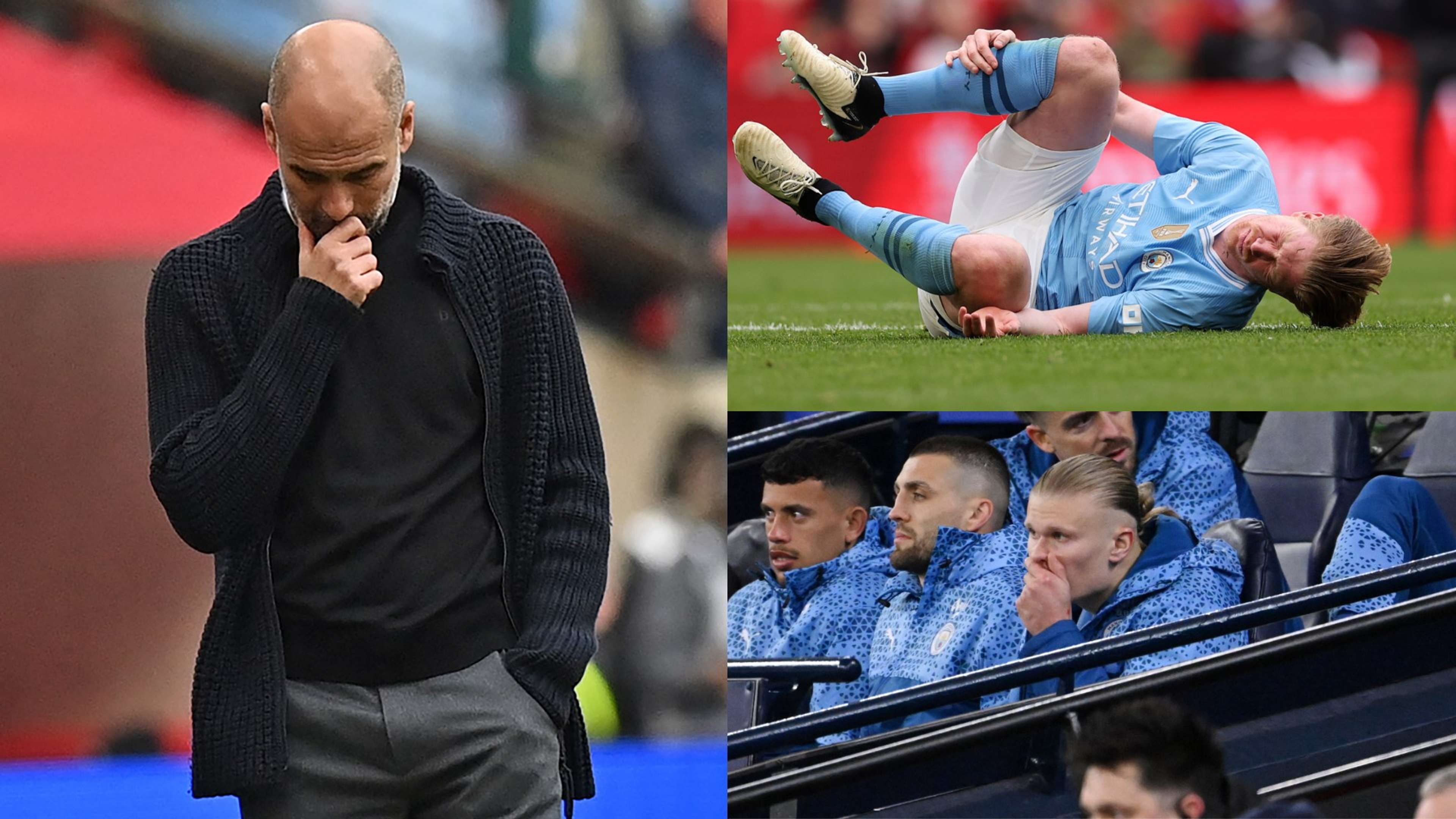
Guardiola De Bruyne Haaland Man City GFXGetty Images

Pep Guardiola is right about baffling scheduling - football is in danger of eating itself with insane demands on players

Gary Lineker and his BBC Sport colleagues were standing with Pep Guardiola on the Wembley turf after Manchester City had seen off Chelsea in the FA Cup semi-final. They expected him to gush about how pleased he was with his players for overcoming a punishing and draining Champions League elimination at the hands of Real Madrid to make it to the FA Cup final.

Instead, Lineker quickly found himself on the backfoot in the face of an impassioned speech from Guardiola over the fact that City's game had been scheduled so soon after their last outing, while the other semi-final between Manchester United and Coventry City, neither of whom had played in midweek, was organised for the Sunday.

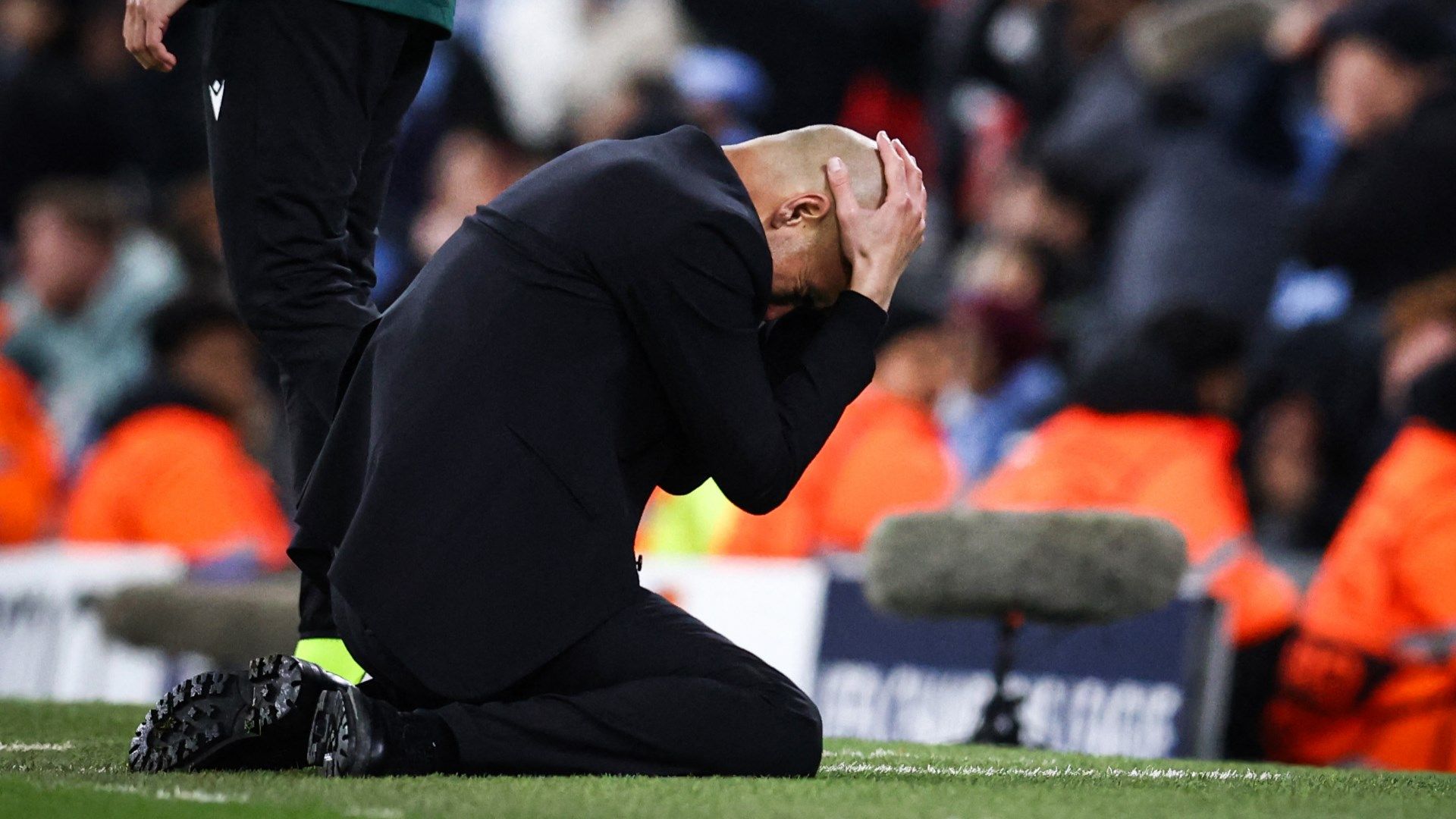
"It's unacceptable" were the first words out of the City boss's mouth. "It's really unacceptable. Because I’ve won I have the courage to tell you. For the health of the players, it’s not normal. I don’t understand how we survived today. Why play today and not tomorrow, when Coventry, Chelsea, and United didn’t play in the midweek? Why not have one more day for the health of the players? Tell me how you prepare this final against Chelsea in the best moment of the season. How? It’s impossible. There’s no chance."

Guardiola's speech might have looked like a rant, but he had every right to decry the insane scheduling which continues to compromise the world's best players. And the television companies and governing bodies need to listen to him, because if potential audience targets continue to be prioritised over player welfare, football is in danger of eating itself.
  • Kyle Walker Man City 2023-24Getty

    Damaging the product

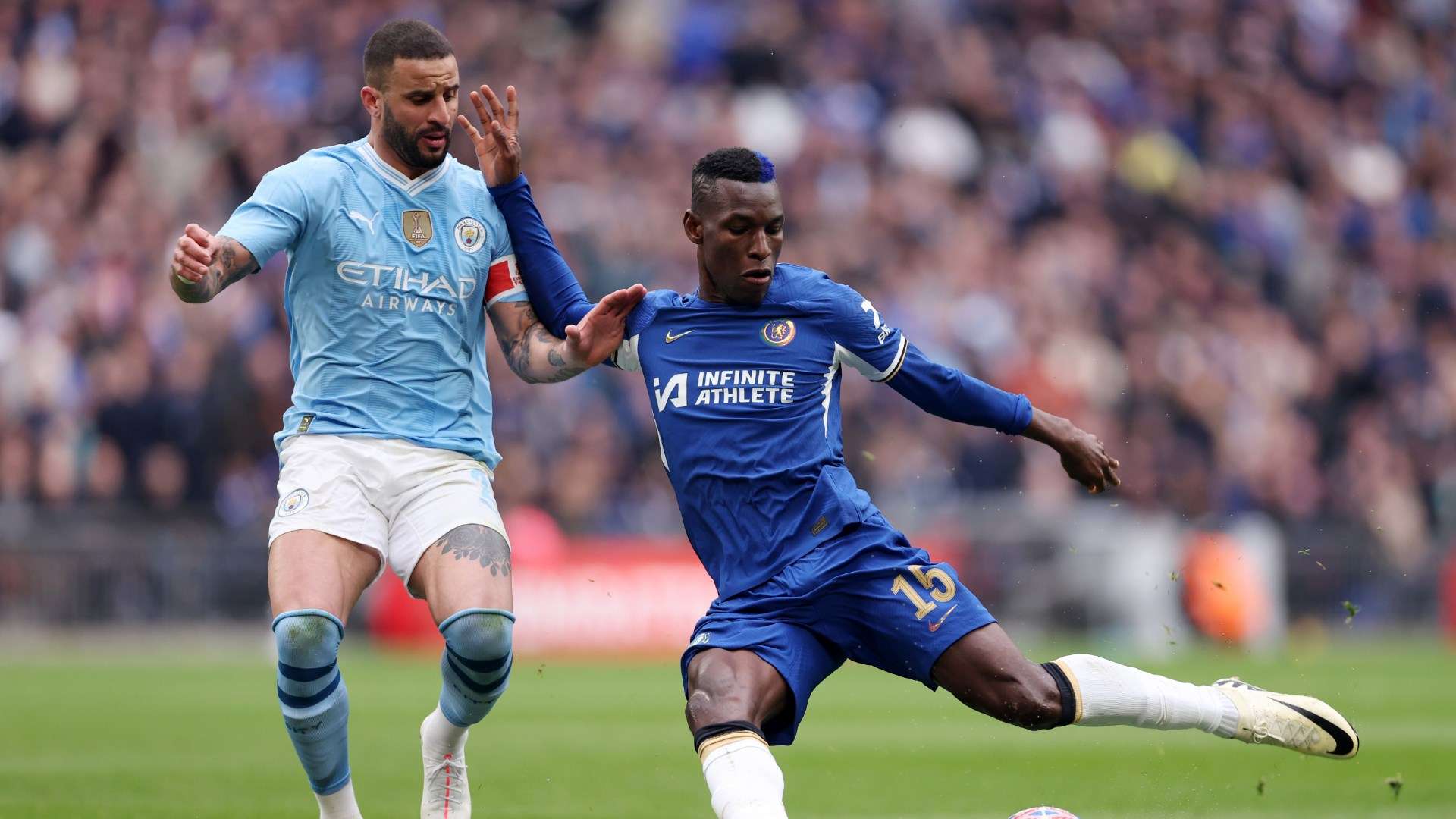
    City had almost disproved Guardiola's assertion by winning the match, but they did so by the skin of their teeth after being let off the hook by Nicolas Jackson's profligacy. As Frank Lampard put it: "This was not Manchester City They haven't got the spark in the legs, the energy of the press, the sharpness, the killer instinct."

    Lampard added that that City's victory was down to "character", but most viewers tuning in to the game do not want to see character; they want to see skill, players running at full pelt and at their sharpest. They want to see energy, they want to see killer instinct. And that's what sums up the contradiction at the heart of this issue.

    Television companies want the best matches possible and the most excitement. But if players are unable to play to their maximum as they do not have enough time to recover, the matches will be bland and spectators, both in the stadium and on TV, will feel short-changed.

    Saturday's semi-final was, for large parts, an uninspiring match. It was in total contrast to Sunday's incredible game between United and Coventry. Would Coventry have been able to stage their unbelievable fightback if they had been in action on Thursday night? It seems highly unlikely.

  • Advertisement
  • Julian Alvarez Man City 2023-24Getty

    Just 66 hours to rest

    Every athlete is different and a player in their mid-to-late 20s will often be able to cope better with a compressed schedule than a player in their late 30s, but sports scientists agree that athletes need a minimum of 72 hours for their muscles to make a full recovery.

    A paper in the British Medical Journal explained that while performance recovery can be achieved within 48 hours, underlying mechanisms of muscle recovery are still in progress for up to 72 hours. In other words, muscles are still damaged for as long as three whole days after a match, making it risky to use them again at full intensity before the time has elapsed.

    City's game with Chelsea kicked off 66 hours after their game with Madrid had finished. And this was their hardest and most important match of the season, one that lasted an extra half-an-hour plus penalties.

    The FA did not know that Madrid and City's game would go to extra-time, but given how high the stakes were and how evenly matched the teams are, it was hardly surprising that it did. And even had it been settled by 90 minutes, City still would have had just 67 hours to recover before facing Chelsea, five below the time scientists agree players need to recover.

  • Jack Grealish Man City 2023-24Getty

    'Plausible explanation'

    Guardiola took John Stones off at half-time, but he did not suffer any major injuries during the game, although Erling Haaland, who had also asked to be substituted against Madrid, missed the trip to Wembley with a muscle injury. City are fortunate not to have a busier treatment room, because there is an established link between shorter recovery times and the rising number of injuries in top-level football.

    A systematic review into the impact of match congestion on injuries by sports scientists from the Manchester Metropolitan University and Edge Hill University in 2023 revealed that overall, injury risk increased during these periods.

    "It is clear from the review congested calendars in football are increasing the risk of injury for the players," said Dr Adam Field, lecturer in Sport Science and Elite Performance at Manchester Metropolitan University, of the paper's findings. "We suggest that the lack of rest time between matches is a plausible explanation, with players having insufficient time to recover, which might then impact injury in subsequent matches.

    "From a scientific perspective, we know that the repetition of changes of direction, rapid accelerations and decelerations and sprints throughout a football match lead to fatigue, inflammation and muscle damage. These changes might result in an increase in soft tissue stress, reduce the ability of muscles to work effectively and changes the way a player moves, which might lead to further injuries.."

  • Kevin De Bruyne Manchester City 2023-24 sadGetty Images

    De Bruyne's battered hamstrings

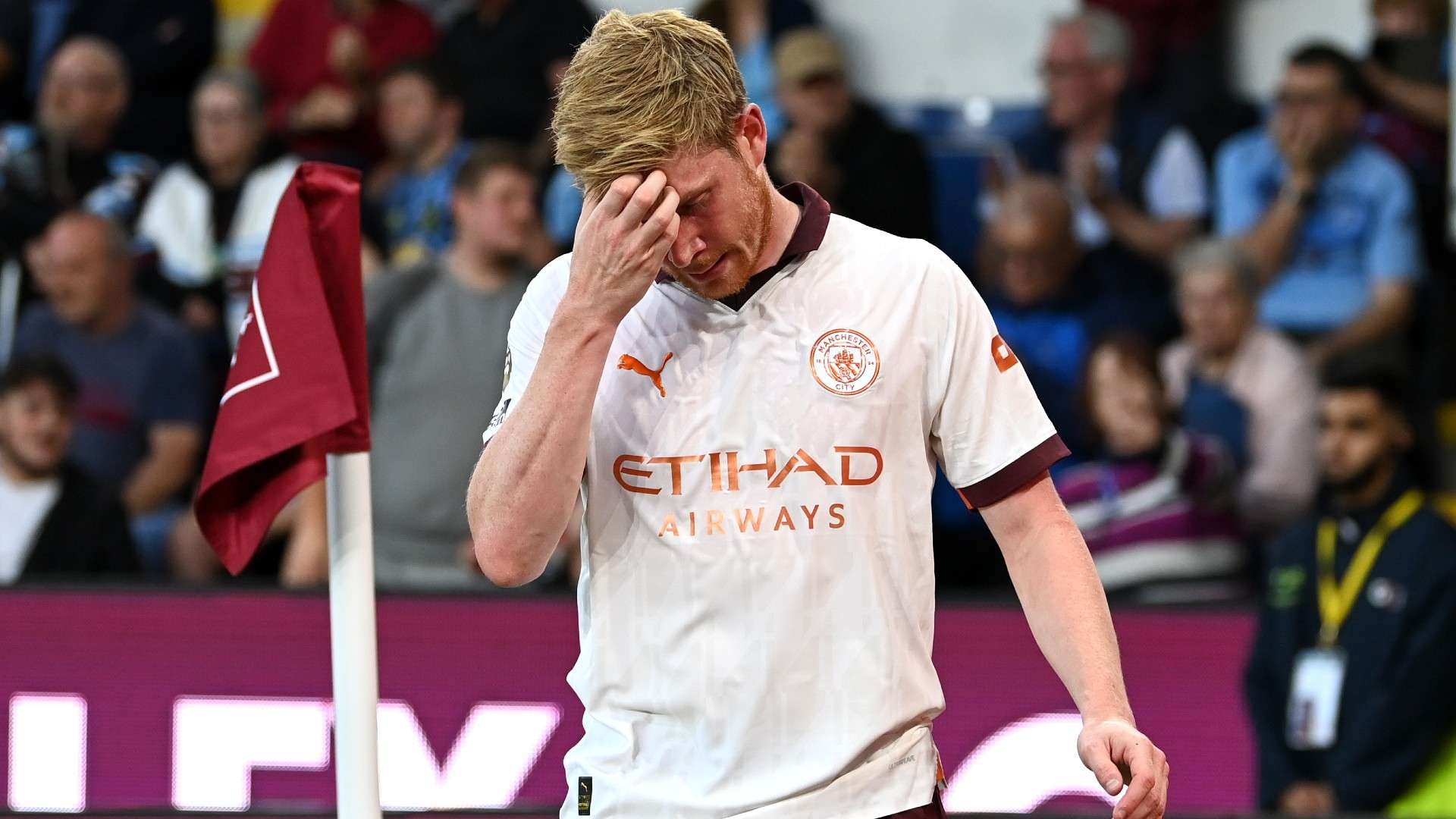
    City felt the impact of their unforgiving schedule last year when Kevin De Bruyne tore his hamstring during the Champions League final against Inter, and the same thing happened on the first day of the current campaign against Burnley, forcing him to have surgery.

    But what was most alarming about the episode was that De Bruyne knew that it was only a matter of time before his hamstring gave way. It was a case of when, not if, his muscles would tear. Yet he kept playing in almost every game.

    “I had been struggling for two months, but I was able to hold on well and with the club we were able to manage everything. I was able to arrange to be there at the right time," he revealed last November. "I still had a lot of stress in that final. Because of all those movements, I may have made the crack a little bigger. But it was worth it."

    De Bruyne likened his hamstrings to "a wet kitchen towel" and compared his surgery to "a major maintenance like you do with your car". De Bruyne was unable to play in extra-time against Real Madrid as he was so tired.

    Stones has missed most of the season due to a series of injuries, while Jack Grealish's campaign has also been marked by long periods out due to groin problems. Some players have been able to keep going, such as Rodri, but even the Spaniard pleaded for a rest earlier this month. Rodri has looked way off his usual best in recent weeks, another example of the negative impact of the gruelling calendar.

  • 20240205 Lisandro Martinez(C)Getty Images

    Injuries rising by 15%

    City are not the only team struggling to cope. In fact, compared to the rest of the Premier League, they have had it easy. Haaland is the only City player currently definitively ruled out, putting Guardiola's side joint-bottom of the injury table along with Fulham and Arsenal.

    Manchester United top the injury table at the moment, with 12 players out. Newcastle are second with 11, while Brighton and Chelsea are missing 10 players each. In total, 121 players in the Premier League are currently out of action.

    There can be no argument that injuries are becoming more and more frequent with the increased load on players, which began with the extra pressure put on the calendar due to the coronavirus pandemic in 2020 and accelerated with the 2022 World Cup in Qatar which was crowbarred into the middle of the European campaign, with players given barely any time to rest either side of it.

    A study by Ben Dinnery of website Premier Injuries last November revealed that there were 196 injuries in the first three months of the season, a 15 percent rise compared to the last four campaigns. Most worrying was the increase in hamstring injuries, which were up 96% compared to the same stage of the 2022-23 season and up 55% compared to the four-year average.

  • Pep Guardiola Manchester City 2023-24Getty Images

    Listen to Pep

    There is a ray of hope in studies about player welfare, the likelihood that longer recovery time between matches will lead to fewer injuries and players staying sharper.

    “In the long-term, developing a more sustainable match calendar would help mitigate the risks faced by players and help prolong the longevity of their careers," said lead researcher Dr Richard Paige of Edge Hill University. “It could be argued that TV revenue is the key determinant of match schedules, but additional considerations should be made in relation to the players welfare and to maintain the game as a spectacle."

    But rather than listen to the scientists, the coaches or players, governing bodies instead are cranking up the number of matches. The Champions League is expanding from next season, with all clubs playing an extra two matches and 16 sides playing an extra four. There is the European Championship and Copa America this summer, then the re-booted Club World Cup in 2025, followed by a bumper World Cup in 2026 that will last 39 days.

    The abolition of FA Cup replays, announced last week to much controversy, will make scant difference. No wonder Guardiola feels like he is screaming at a wall. He and Jurgen Klopp have been complaining about the strain on players for years, while both Mikel Arteta and Erik ten Hag have also been decrying the impact of more and more games lately, but the response from the authorities has been to schedule more matches.

    Meanwhile, broadcasters such as the BBC, Sky Sports and TNT Sports pay no attention to player welfare when picking their time slots, forcing City and Arsenal to play again in under 72 hours. The tribal nature of football means many fans will criticise Guardiola for speaking out and accuse him of moaning, but the rest of the game needs to unite on this issue. Otherwise we'll be left with too many games and not enough players to play in them.