Anderlecht

Anderlecht Overview

Nathan De Cat GFX NXGN

Why Bayern & more are tracking Anderlecht's towering teen

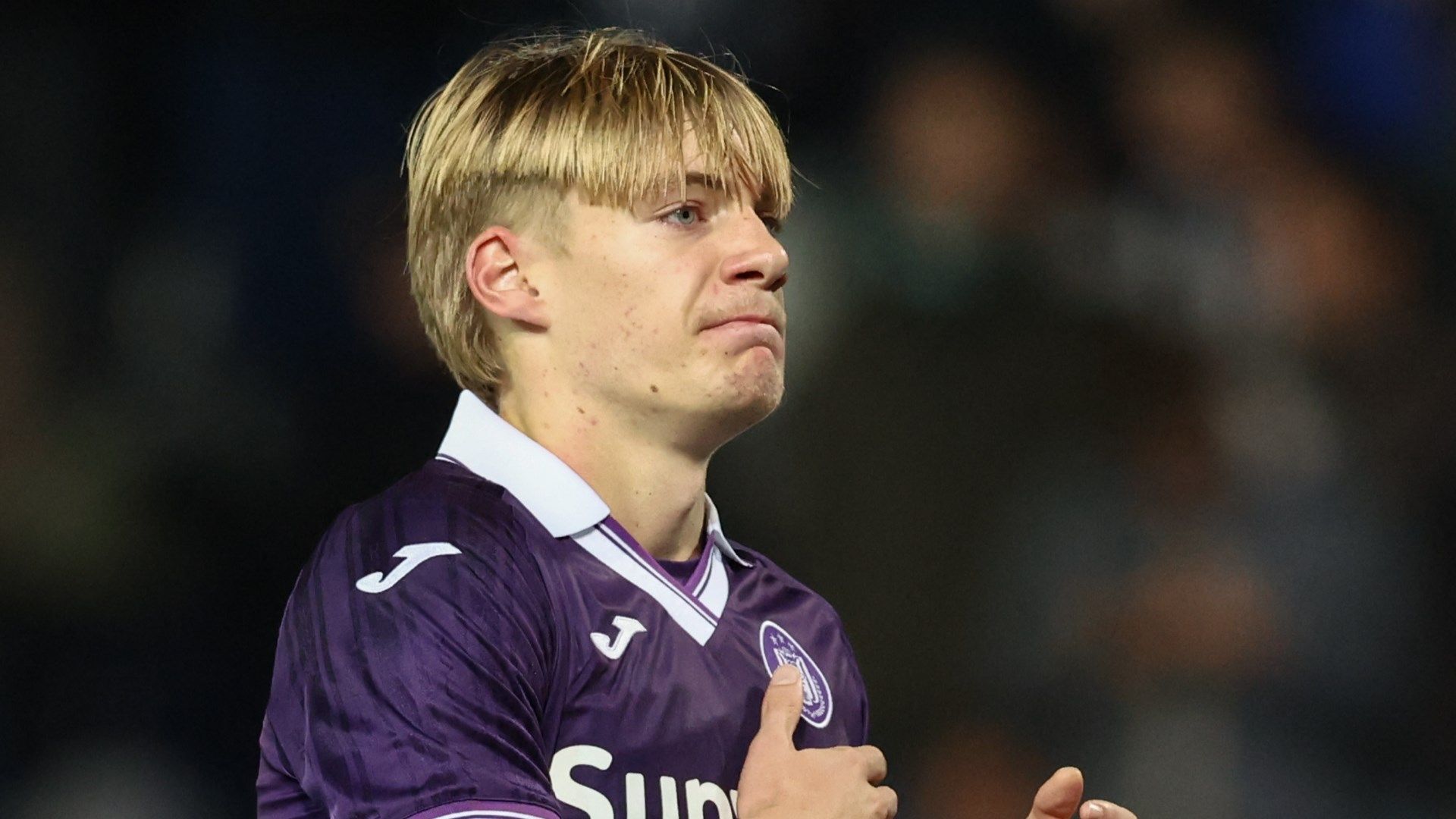
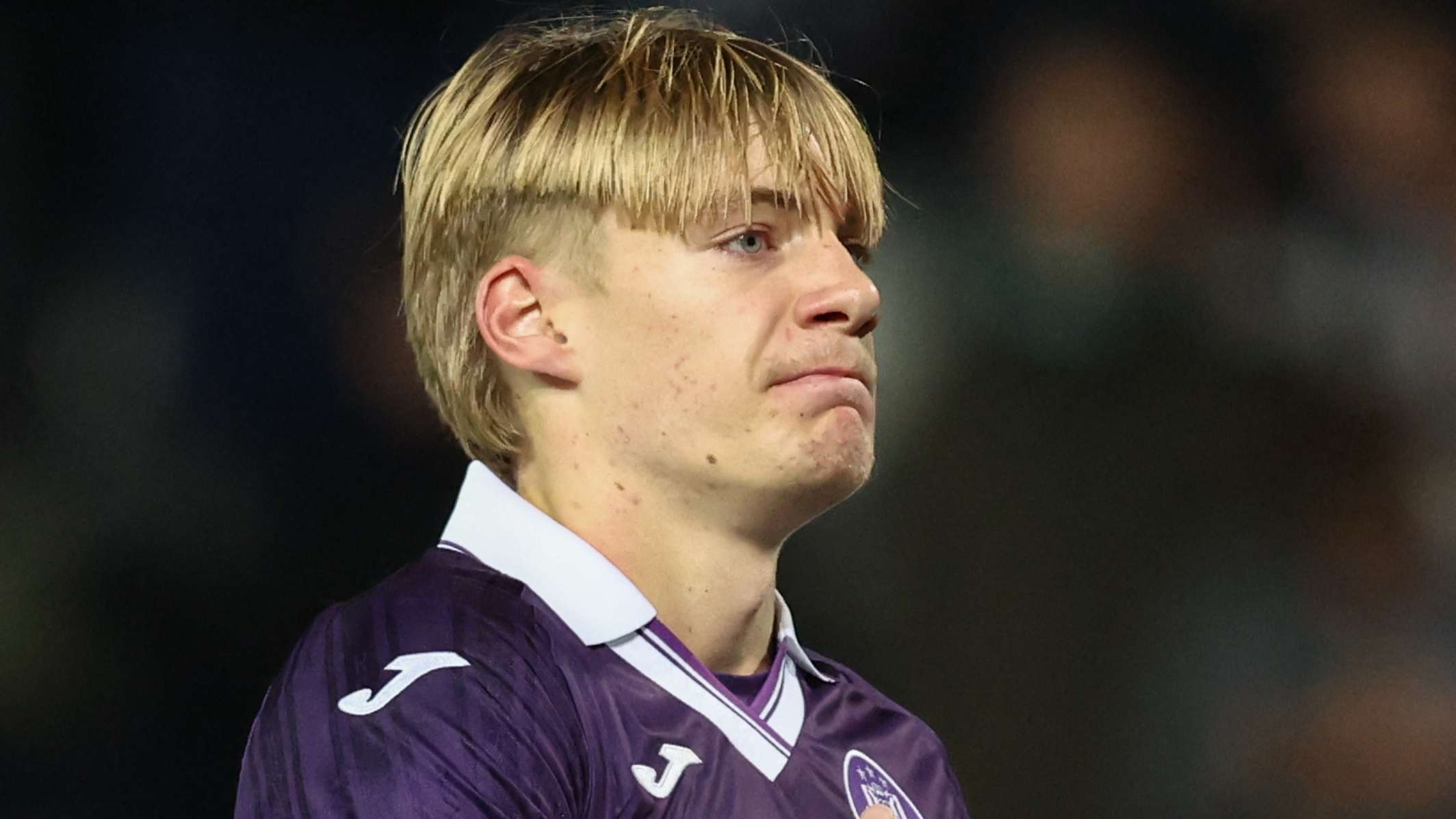
Nathan De Cat is the next big thing to come out of Belgium - both figuratively and literally. At just 17 years old, the midfielder already stands at a towering six feet and three inches tall - and he still has plenty of growing to do. The latest gem to emerge from Anderlecht's famed youth system, his height isn't the only reason he's caught the attention of some of Europe's elite.

Nathan De Cat Anderlecht 2025

De Cat reveals stance on January exit amid Spurs interest

Anderlecht’s teenage sensation Nathan De Cat has spoken publicly about growing Premier League interest from Tottenham and Aston Villa, insisting he has “no intention” of leaving in January despite major clubs tracking his rise. With the 17-year-old already valued at over €20 million (£17.5m/$23m) and viewed as one of Europe’s elite young midfielders, speculation continues to mount.

SOCCER JPL D12 CHARLEROI VS RSC ANDERLECHT

Belgian wonderkid urged to avoid Premier League transfer

Highly rated Anderlecht midfielder Nathan de Cat has been urged to steer clear of a Premier League move despite rising interest from Tottenham, Aston Villa and Brighton. With Europe’s elite monitoring the 17-year-old, analyst Marc Degryse believes the starlet must develop in Germany before taking the leap to England, warning that an early step to the Premier League could stunt his long-term rise.

SOCCER JPL D12 CHARLEROI VS RSC ANDERLECHT

Bayern and Dortmund among top clubs in for Anderlecht's midfield prodigy

Bayern Munich and Borussia Dortmund have entered a high-stakes battle for Anderlecht’s 17-year-old prodigy Nathan De Cat. The Belgian youth international has risen rapidly from academy standout to first-team regular, attracting top clubs with his tactical intelligence and dominant performances. With his contract running until 2027, De Cat has become the centre of a transfer race between the two Bundesliga giants.

More

Standings

First Division A crestFirst Division A

PosTeamPWDLFA+/-PTSForm
2Club Brugge crestClub Brugge29193755352060
W
D
W
W
W
3St.Truiden crestSt.Truiden29183846321457
L
W
L
W
W
4Anderlecht crestAnderlecht2812884135644
D
W
W
D
L
5Gent crestGent29126114642442
W
W
L
L
W
6KV Mechelen crestKV Mechelen2811983733442
L
W
W
L
W
More

Frequently asked questions

Wolves were founded in 1877 as St. Luke's F.C. by two pupils of a church school in Blakenhill. Later that year, the club merged with the football section of the Blakenhill Wanderers cricket club, forming Wolverhampton Wanderers.

Chinese conglomerate group Fosun International are the owners of Wolves, with Fosun Group Chairman Guo Guangchang, CEO Wang Qunbin and Liang Xinjun indirectly owning the majority of the shareholding in the club.

Wolves play all their home games at the Molineux Stadium, which has been the club's primary home ground since 1889. The Old Gold played at several different grounds before making a permanent switch to the Molineux.

Wolves' Molineux Stadium has a capacity of 31,750, with plans to renovate the Steve Bull Stand, Sir Jack Hayward Stand, and Billy Wright Stand, which will see the capacity shoot upwards of 50,000.

Wolves have won 13 titles throughout their history, which includes three top-flight titles as well as four FA Cups.

Wolves have won the English top-flight title thrice, with their most recent title triumph coming all the way back in 1958-59.

Signed from Huddersfield Town in 1968 for a then-record fee paid for a full-back, Derek Parkin has made the most appearances for Wolves in club history. In his 14 years with the club, Parkin made 609 appearances.

Steve Bull, with 306 goals in 561 games between 1986 and 1999, is Wolves' leading goalscorer of all-time.

Bert Williams, Steve Bull, Joao Moutinho, Ruben Neves, and Diogo Jota are among the biggest stars to have put on the Wolves shirt.

Walter Zenga, Graham Turner, Glenn Hoddle, and Julen Lopetegui are some of the most famous managers to have been in charge of Wolves.

Wolverhampton Wanderers are known as The Wolves. While it is a basic shortening of the name Wolverhampton, the story behind the nickname is quite intriguing. The name originates from Lady Wulfrun, a prestigious landowner in the City of Wolverhampton in the late 10th century.