Ashley Sanchez breaks the American NWSL single-season scoring record as North Carolina take top spot in our rankings, while Denver end Gotham's 10-game unbeaten run.
Pietra Tordin’s hat trick lifted Portland past Boston, while Ashley Sanchez scored against her former team in North Carolina’s wild 4-3 win over Washington.
Sam Kerr scores her first Gotham FC goal as the Bats draw Portland Thorns FC 2-2, while Sofia Cantore lifts Washington Spirit past Lindsey Heaps and Denver Summit FC 1-0. GOAL ranks all 16 NWSL teams in this week’s Power Rankings.
U.S. Women's National Team captain Lindsey Heaps is eligible to make her long-awaited debut for the Denver Summit against the Portland Thorns at Centennial Stadium - which is less than 35 miles away from her hometown, Golden, Colo. Heaps, 32, signed a pre-contract with the first-year club prior to the NWSL season, after starring with French giants OL Lyonnes for the past four years.
Sam Kerr is reportedly set to end her time with Chelsea to return to the NWSL. The Australian icon is expected to sign with expansion side Denver Summit FC after six dominant years in west London.
The NWSL has unveiled its 2026 regular-season schedule, opening March 13 with Washington Spirit hosting the Portland Thorns. Opening weekend also features expansion sides Boston Legacy FC and Denver Summit FC making their league debuts on March 14, with Boston hosting defending champions Gotham FC and Denver opening on the road against Bay FC. Here are GOAL’s six takeaways.
U.S. Women’s National Team captain Lindsey Heaps is returning to her home state of Colorado, set to join NWSL expansion side Denver Summit FC in a blockbuster signing. The midfielder will link up with the club following the conclusion of her season with OL Lyonnes, expected in June 2026. Heaps has 170 international caps and has scored 38 goals.
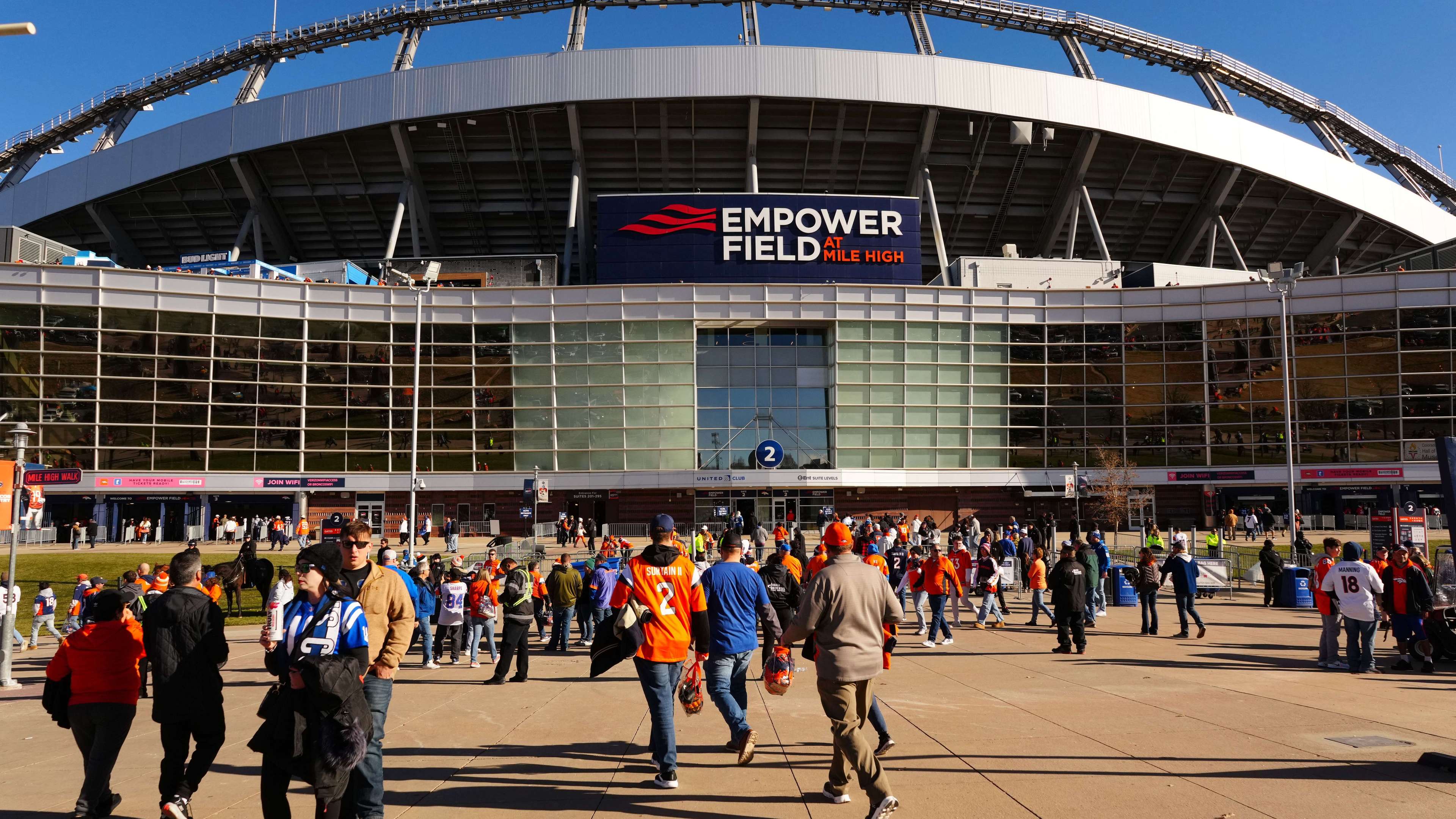
The Boston Legacy FC and Denver Summit, NWSL expansion sides debuting in 2026, will play their first home matches at iconic NFL venues, the teams announced. The legacy will play in the New England Patriots’ Gillette Stadium on March 14, and the Summit will open in the Denver Broncos’ Empower Field on March 28.
When asked about her contract status, NWSL commissioner Jessica Berman stressed she intends to remain in the role, while also announcing a major shift in the league’s expansion strategy. The NWSL will move from fixed application windows to a flexible rolling process, following two rounds of expansion that drew interest from over a dozen ownership groups.
Denver Summit FC have reached 15,000 season ticket deposits ahead of their inaugural season, the club announced. One of two new NWSL clubs for 2026, the team has already become the quickest expansion franchise to reach 10,000 season ticket pricing, and plan to play their first two seasons at a temporary location.

 Denver Summit FC

.jpg?auto=webp&format=pjpg&width=3840&quality=60)


.png?auto=webp&format=pjpg&width=3840&quality=60)

.png?auto=webp&format=pjpg&width=3840&quality=60)