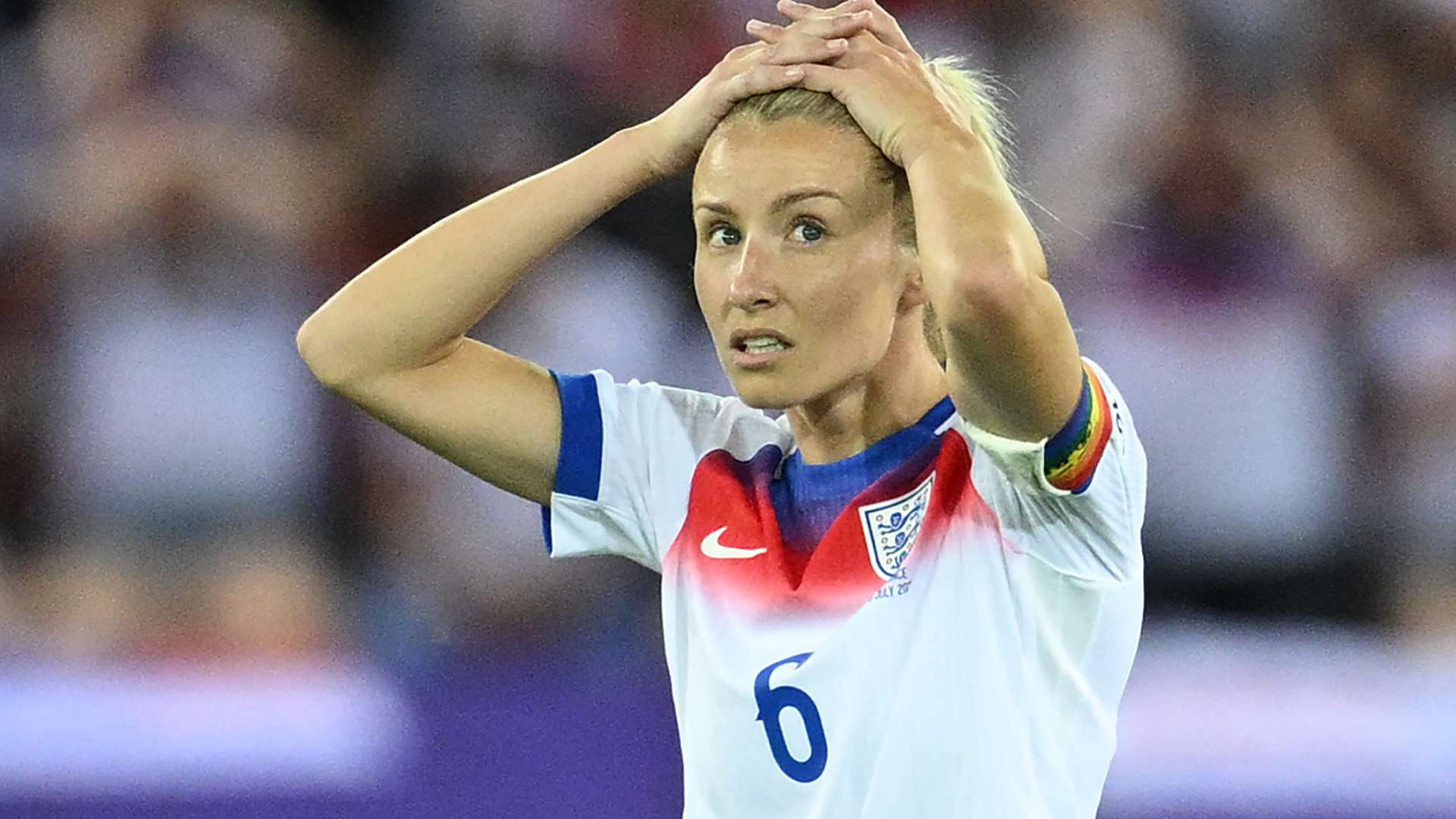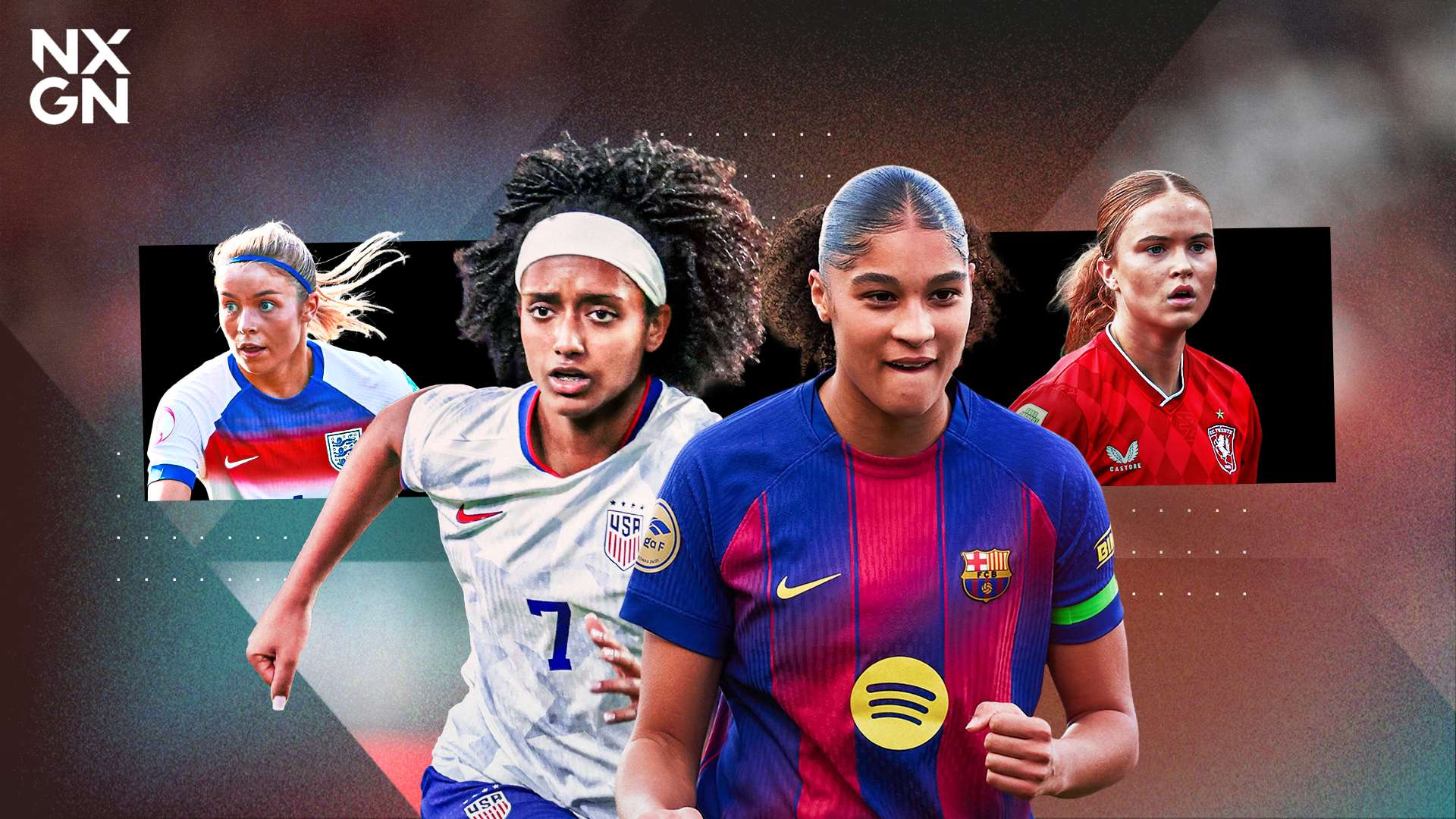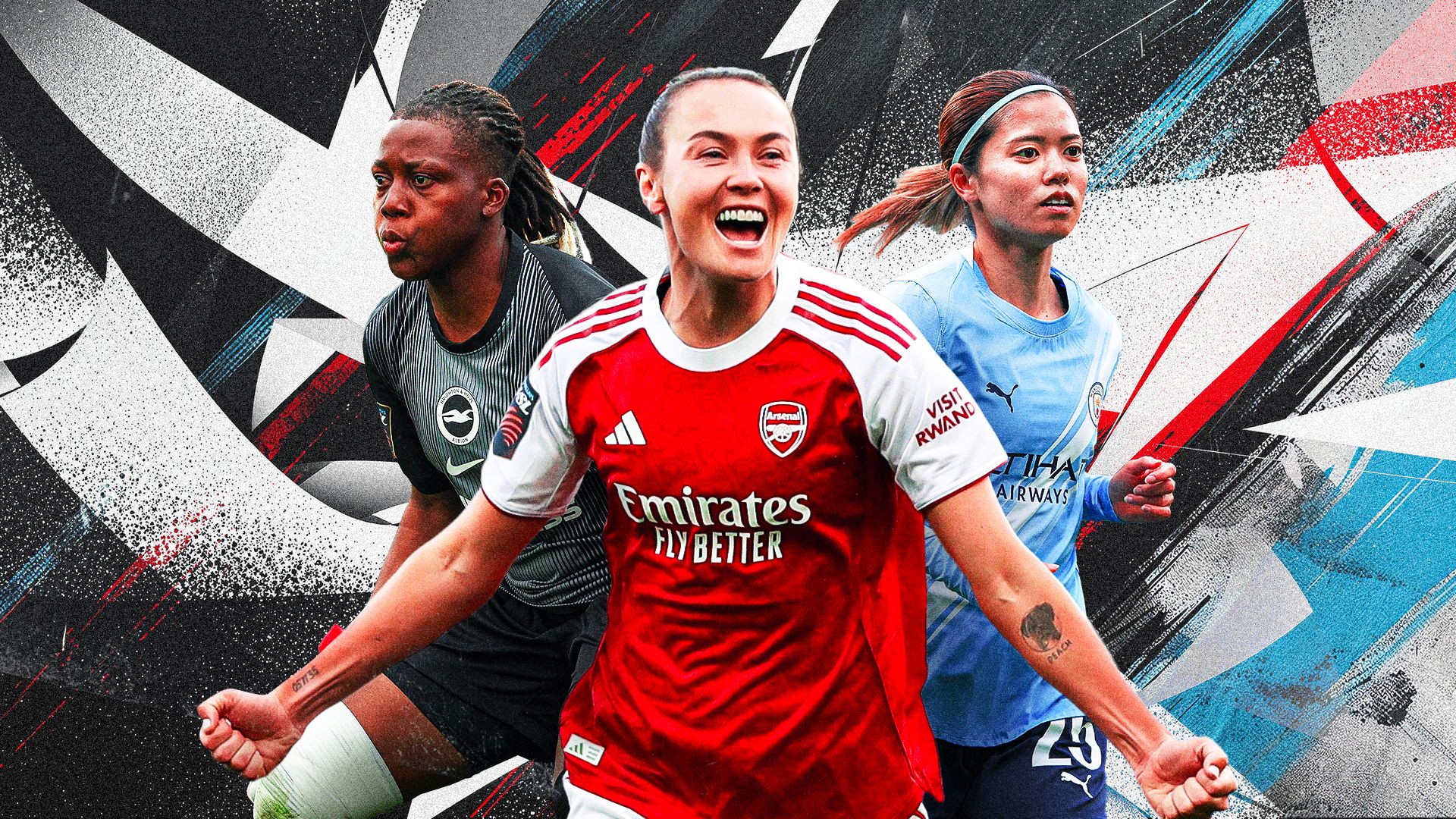
The Women's Asian Cup began on March 1, kickstarting a month that was set to see two of the major tournaments in the women's game take place, with the Africa Cup of Nations to follow on March 17. Incredibly, the latter was postponed just 12 days before it was due to start, but the impact the Asian Cup will have on the continuing club competitions will still be fascinating, as teams across the women's game say goodbye to some of their best players for a few weeks.
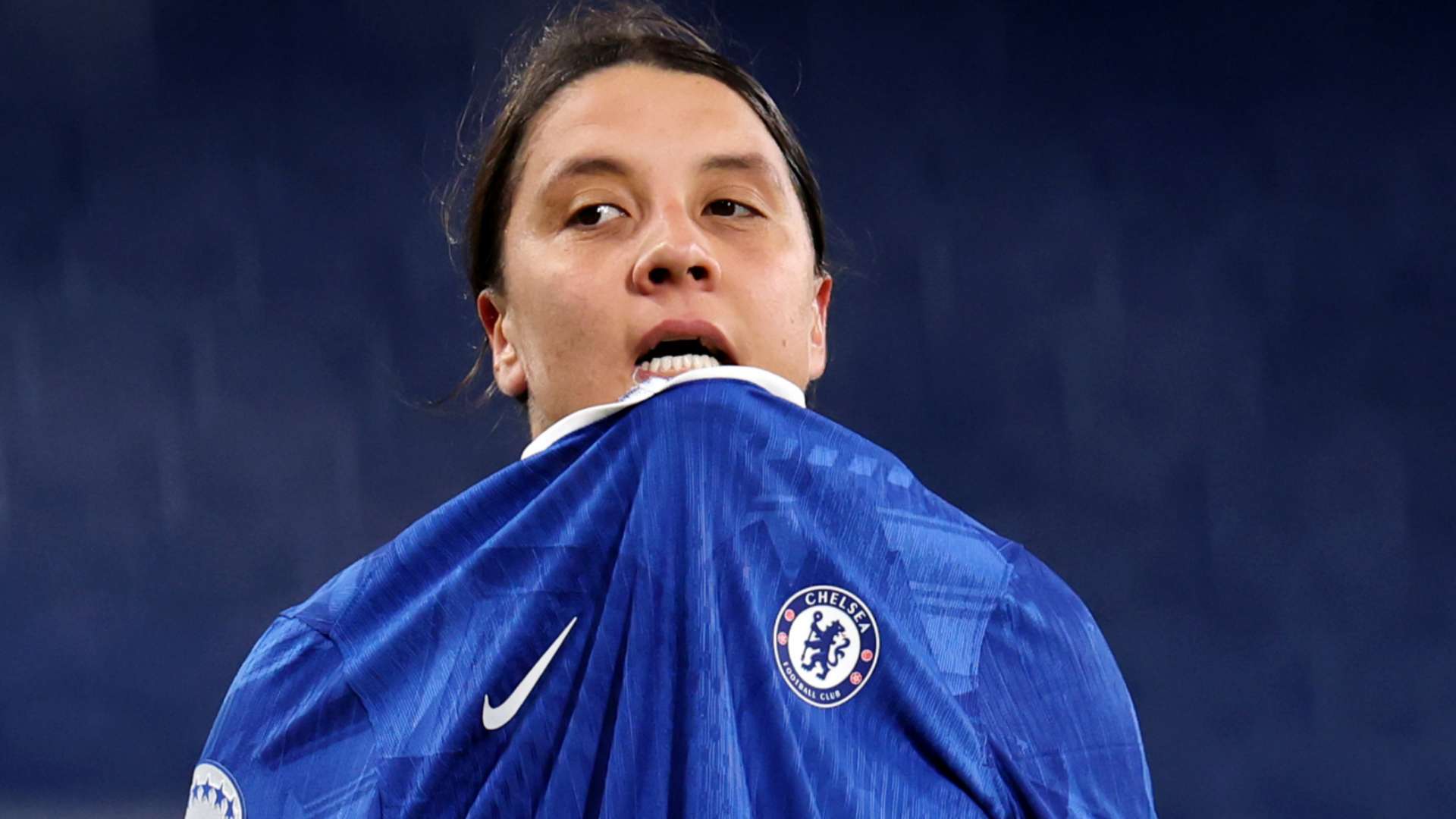
Sam Kerr has revealed her self-doubt and has explained why she still isn't "100 per cent" after her spell on the sidelines with a knee injury. The Australian suffered an ACL injury during a warm weather training camp in Morocco with Chelsea in January 2024 that restricted the forward to just eight Women's Super League appearances last season.
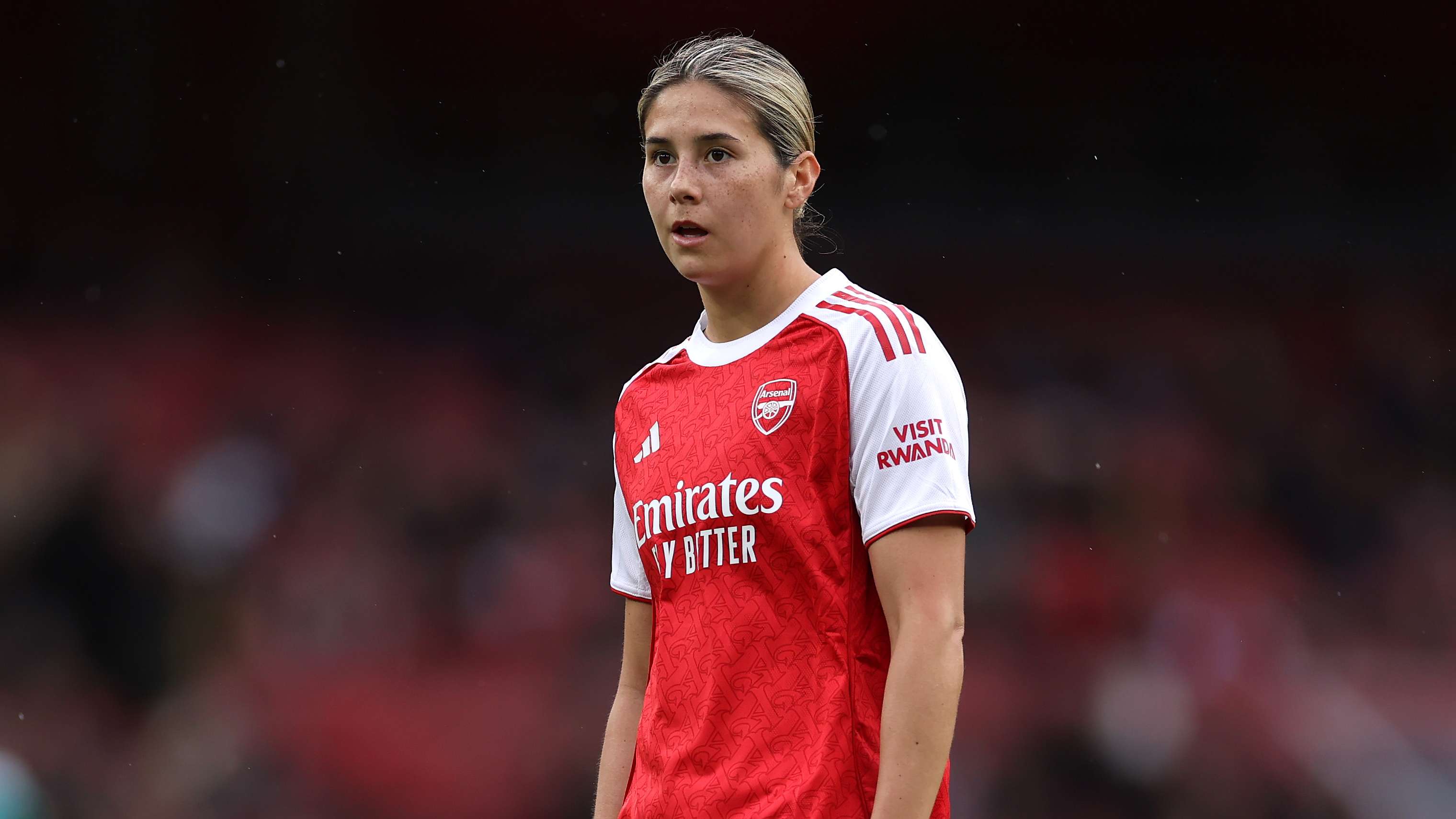
Arsenal midfielder Kyra Cooney-Cross has returned to her native Australia indefinitely after her mother, Jess, was diagnosed with a terminal and aggressive form of cancer. The 23-year-old will miss the Gunners' upcoming Women’s Super League fixture as she supports her family through what she described as a "world-changing" diagnosis.
Manchester City and Australia star Mary Fowler has revealed she and another team-mate were the victims of a vile racist prank after their final game for Montpellier. The incident, which occurred in 2020, came after other departing players had received flowers. Fowler, one of only a few players of colour on the squad, called the act "hard to laugh off" and questioned whether it was "just a simple error".
Alessia Russo is one of 11 Lionesses on the list of nominees for this year's FIFPRO XI, which also includes seven players from the Spain side England beat in the European Championship final - albeit not Mariona Caldentey, who put La Roja ahead in that game and finished as runner-up to Aitana Bonmati at the Ballon d'Or. That's not the only surprise, either, with Mary Earps included and there no representation for the United States women's national team.
Manchester United, often simply referred to as "United," are one of the most iconic and successful football clubs in the world, based in Old Trafford, Greater Manchester, England. The club was founded as Newton Heath LYR Football Club in 1878 by the Lancashire and Yorkshire Railway depot at Newton Heath. The team changed its name to Manchester United in 1902 and moved to its current home, Old Trafford, in 1910.
Famous players
Manchester United have been home to some of the greatest footballers in history. Sir Bobby Charlton, a World Cup winner with England in 1966, is arguably the most iconic figure in the club's history. Other legendary players include George Best, known for his flair and skill, and Eric Cantona, who brought a winning mentality to the club during the 1990s. More recent stars like Cristiano Ronaldo, Wayne Rooney, and Paul Scholes have also contributed significantly to the club's success.
Honours
Manchester United are one of the most decorated clubs in English football, having won a record 20 Premier League titles (formerly the First Division). They have also lifted the FA Cup 12 times, the League Cup five times, and the UEFA Champions League three times. The club's dominance in English football was particularly evident during the 1990s and early 2000s under manager Sir Alex Ferguson.
Managers
Sir Alex Ferguson is undoubtedly the most successful manager in Manchester United's history. He spent 26 years at the club, leading them to an unprecedented era of success. Before Ferguson, managers like Matt Busby and Wilf McGuinness played crucial roles in shaping the club's identity. More recent managers, including David Moyes, Louis van Gaal, and José Mourinho, have faced the challenge of maintaining the club's high standards.
Stadium
Old Trafford, often referred to as the "Theatre of Dreams," is one of the most famous stadiums in the world. With a capacity of roughly 75,000, it is among the largest football stadiums in the United Kingdom. The stadium has hosted numerous major matches, including UEFA Champions League finals and FIFA World Cup matches.
Location
Manchester United are based in the city of Manchester, which is located in the northwest of England. The club's home ground, Old Trafford, is situated in the Trafford borough. Manchester is a major industrial city with a rich footballing heritage.
Owners
In February 2024, British billionaire Sir Jim Ratcliffe's company, INEOS, acquired a significant 25% stake in Manchester United. This acquisition granted Ratcliffe sporting control over the club, placing him in a position to influence key decisions related to its operations.
Ratcliffe has already made a substantial financial commitment to Manchester United. His large investments demonstrate his dedication to the club's success and his willingness to provide the necessary resources for its growth.
Frequently asked questions
Quando è nato il Como?
Il 25 maggio 1907 nasce il Como Football Club. La società viene formata al Bar Taroni di Via Cinque Giornate, la prima sede del club. La squadra si affilierà alla FIGC nel 1911 dopo anni di sole amichevoli.
Chi è il presidente del Como?
L'indonesiano Robert Budi Hartono è il presidente del Como, con il fratello Michael Bambang come co-presidente. La società proprietaria del club è la PT Djarum, azienda indonesiana produttrice di sigarette kretek aromatizzate con chiodi di garofano: questo fa del club lombardo il più ricco della Serie A.
Come si chiama lo stadio del Como?
Il Como gioca le partite casalinghe allo Stadio Giuseppe Sinigaglia. L'impianto è dedicato all'omonimo campione di canottaggio morto durante la Prima Guerra Mondiale: in carriera aveva vinto due medaglie d'oro agli Europei.
Qual'è la capienza del Sinigaglia?
Il Sinigaglia, stadio del Como, può ospitare 10.584 spettatori. L'impianto, inaugurato nel 1927, ha avuto tre ristrutturazioni nel corso della storia, ovvero nel 1990, nel periodo 2002-2004 e nel 2024.
Il Como ha mai vinto un trofeo?
Il Como non ha mai vinto un trofeo di primo livello con la prima squadra, ma ha conquistato per tre volte la Serie B e in una occasione anche la Serie C.
Qual'è il miglior risultato del Como in Serie A?
Nel 1949/1950 il Como arriva sesto in Serie A: da allora non ha mai raggiunto risultati migliori. Dal 1989 ad oggi ha militato nella massima serie solamente nel 2002/2003 (17esimo posto e retrocessione) e nel 2023/2024.
Chi ha segnato più goal nella storia del Como?
Antonio Cetti è il giocatore che ha segnato più reti con la maglia del Como. Nel club lariano tra il 1920 e il 1941, ha siglato 91 goal in 278 partite ufficiali con il club.
Chi ha giocato più partite con il Como?
Bruno Ballarini, giocatore del Como dal 1958 al 1970, detiene il record di partite giocate con il club. 350 le gare disputate con la squadra lombarda nel corso della storia.
Perché i giocatori del Como sono i Lariani?
Quando si parla di Lariani ci si riferisce a Como e al suo noto Lago, noto come Lario nell'antichità. Questa parola deriva dal latino Larius, il nome dato dai romani all'attuale simbolo della città.
Perché il Como gioca in biancoblu?
Dopo essere stato a lungo azzurro-bianco, nel terzo millennio il Como è diventato biancoblu. Entrambi i colori derivano dal colore del Lago cittadino, simbolo del territorio.
Che animale è la mascotte del Como?
Ilario, la mascotte del Como dal 2017 è un uccello e in particolare uno svasso azzurro. La scelta dell'animale è stata effettuata dai tifosi a margine di una partita di campionato.
Il Como ha mai giocato in Europa?
Il Como attende ancora la prima partecipazione in Europa. L'arrivo degli Hartono in città è alla base di un futuro nei massimi tornei continentali.
Quante volte ha giocato in Serie A il Como?
Nella classifica perpetua di Serie A, che racchiude tutti i tornei della massima serie, il Como è al 35esimo posto con quattordici annate al top.
Perché gli attori vanno a vedere il Como?
Essendo uno dei posti più 'in' del pianeta, Como attrae diverse personalità di Hollywood, invitate di volta in volta dalla società per assistere alle partite casalinghe del club.
Un giocatore del Como è stato mai convocato nell'Italia?
Pietro Vierchowod, Campione del Mondo 1982, ha giocato due partite con l'Italia nel 1981, proprio pochi mesi prima di lasciare il Como per la Fiorentina, squadra in cui militerà al momento della convocazione al Mondiale l'anno seguente.