Haaland is by no means alone in having to continue to play elite football so soon after a birth. His team-mate Phil Foden left England's Euro 2024 camp on June 26 to attend the birth of his third child. England at first announced he was leaving due to "a pressing family matter". He was back with the squad by June 27, resuming training the very next day and then starting the last-16 game against Slovakia on June 30.
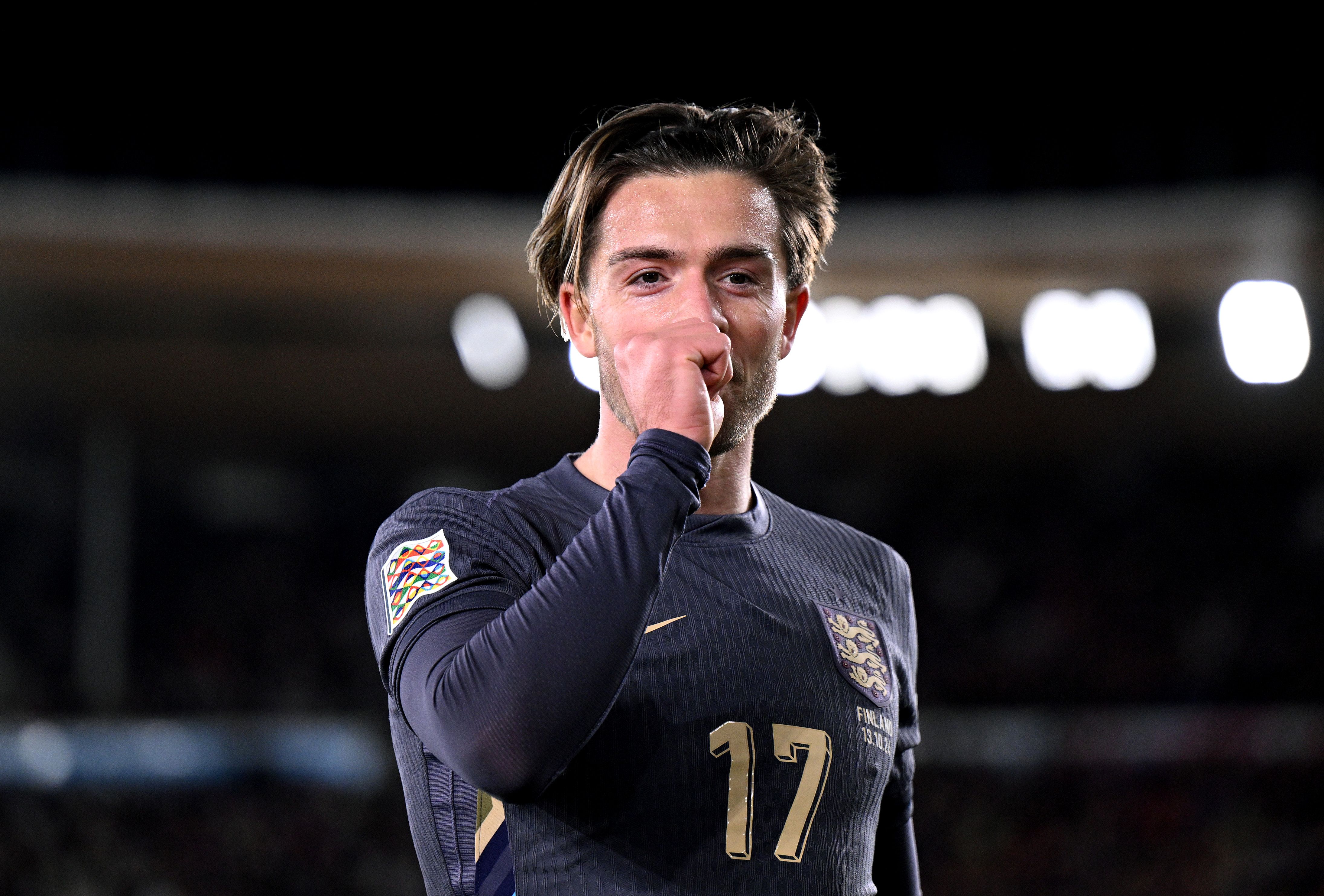
Jack Grealish's daughter was born on September 27 last year. He was thrust straight into the starting line-up the very next day for the early kick-off at Newcastle. Incidentally, Grealish played well, setting up Josko Gvardiol's strike in the 1-1 draw, which is a miracle considering the life-changing event that had occurred the previous day both for Grealish and his girlfriend Sasha Attwood, who he has been with since he was 16.
"I can't think of a bigger experience in life for men than becoming a father, especially for the first time," Jeremy Davies of the Fatherhood Institute tells GOAL. "It's a massive deal just for them but it's not just about them, it's about their partner who has just gone through this amazing, scary and painful and potentially very risky experience of being pregnant and giving birth. So it seems totally unreasonable to me to expect men to go through that and remain focused on their work in an unblinkered way when they are going through this massive emotional and physical change.
"If you're a hands-on father there is a physical transformation in you which derives from the contact with the baby. Even if you do a small amount of that your hormones are racing, your testosterone dips, oxytocin increases. That stuff transforms us for the long term. There's a lot of physical transformation and that's before you get on to the emotional stuff. There are many social reasons why you'd want to be a hands-on dad, it's good for the mother, it helps her have a better time of it, helps her recover from the birth which can take quite a while. The wife or partner's career, all of that stuff is affected by his capacity to take a share in the care-giving. So what are we saying? That football is so important that he doesn't get to experience that transformation, the baby doesn't get to have a chance to have a really close relationship with him because he's too busy on the football pitch? It doesn't make sense."
The Professional Footballers Association has said that "the decision to take paternity leave will vary from player to player depending on their unique personal circumstances. However, it is important for players to know that they have a statutory right to take a period of paid paternity leave if they wish to do so."


.jpg?auto=webp&format=pjpg&width=3840&quality=60)


.jpg?auto=webp&format=pjpg&width=3840&quality=60)


