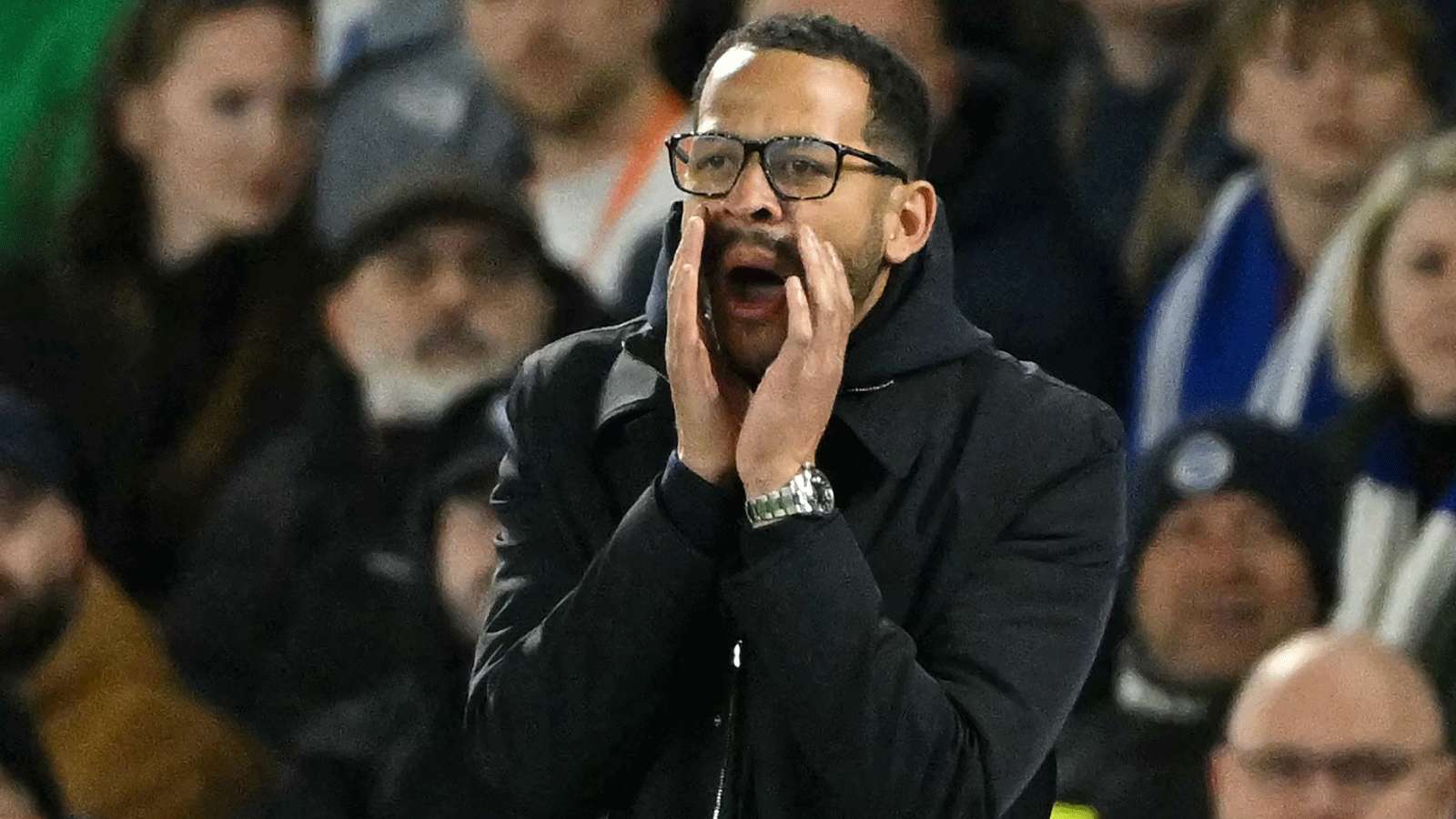
Declan Rice’s furious reaction to Arsenal’s overturned penalty against Atletico Madrid has been caught on camera, with the midfielder now facing the threat of UEFA disciplinary action. The England international claimed the hostile home crowd influenced the officials’ decision during the Champions League semi-final first leg.
Declan Rice is reportedly walking a disciplinary tightrope following Arsenal’s fiery Champions League semi-final first leg against Atletico Madrid. The England international could face significant UEFA sanctions after suggesting that the hostile atmosphere at the Metropolitano influenced the officials to overturn a crucial penalty decision in the 1-1 draw.
Arsenal have been urged to offload "terrible" Norwegian midfielder Martin Odegaard after his subdued midweek display against Atletico Madrid. Former Tottenham midfielder Jamie O'Hara tore into Odegaard after the Gunners drew 1-1 with Atleti in the first leg of their Champions League semi-final tie.
The Champions League delivered one classic and one truly forgettable contest amidst a mixed week of semi final action. The good news? There's more football to be played.
Diego Simeone has questioned the tactical quality of Paris Saint-Germain’s nine-goal thriller against Bayern Munich, suggesting that high-scoring spectacles are often a nightmare for managers. The Atletico Madrid boss offered his blunt assessment after seeing his side battle to a tense 1-1 draw against Arsenal in their semi-final first leg.
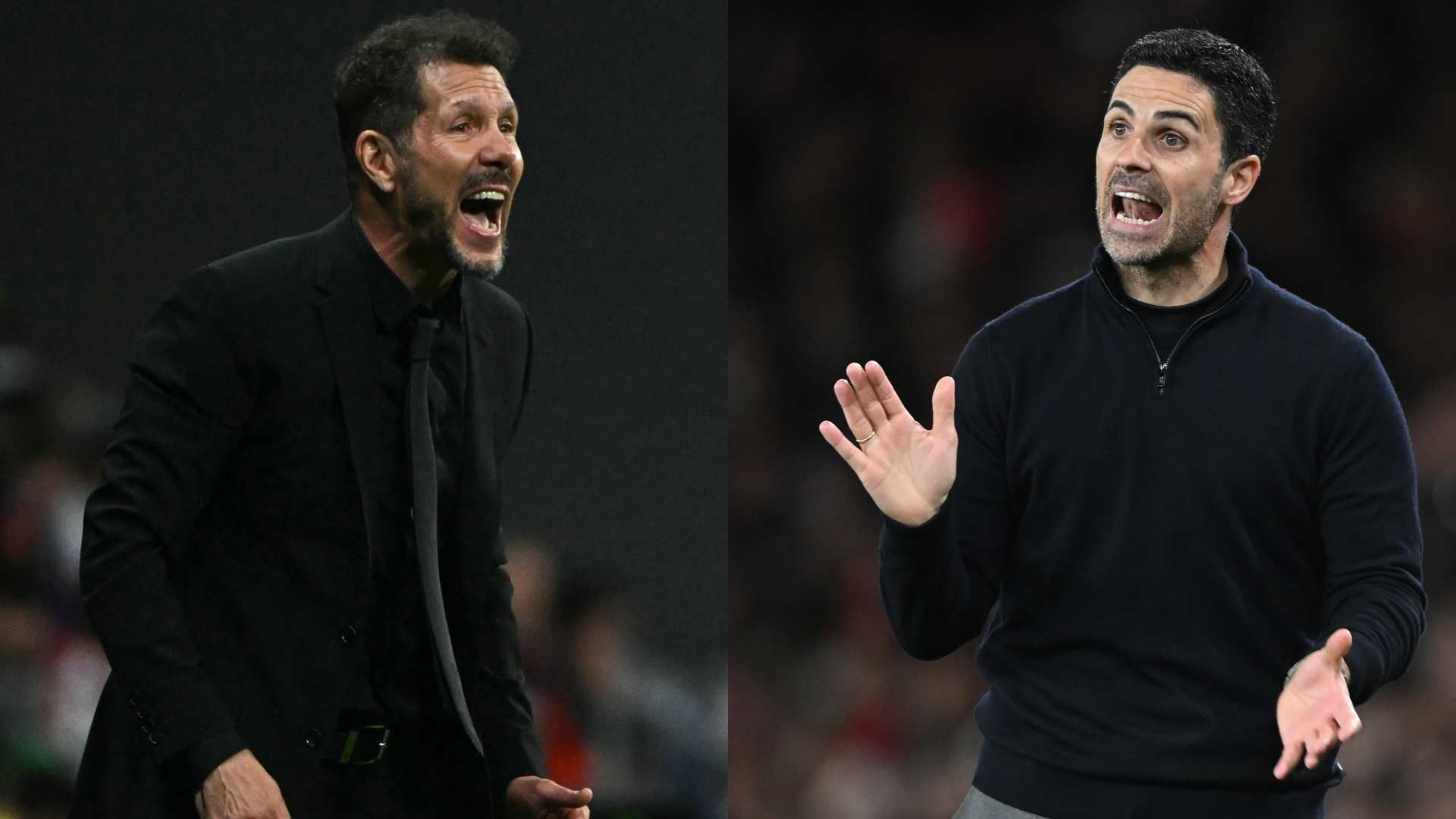
Diego Simeone has found himself at the centre of a post-match firestorm after his touchline conduct during Atletico Madrid's 1-1 draw with Arsenal was labelled "atrocious". The Argentine tactician was accused of exerting undue influence over referee Danny Makkelie during a pivotal VAR review that saw the Gunners denied a second-half penalty.
Antoine Griezmann has opened up on a highly emotional night at the Metropolitano, with the touching reason behind his decision to turn away during the Champions League anthem having been revealed. The French superstar was the standout performer in Atletico Madrid's 1-1 draw with Arsenal, but his focus was as much on the stands as it was on the pitch during his European home farewell.
The match between Atletico Madrid and Arsenal was a cagey affair on the pitch, but it was the post-match scenes that truly ignited. Diego Simeone was involved in a remarkable confrontation with Gunners defender Ben White following a tense 1-1 draw in the Champions League. The Rojiblancos boss appeared to hunt down the England international after taking exception to his conduct when leaving the Metropolitano turf.
Diego Simeone has offered a definitive update on Julian Alvarez's fitness following a late injury scare during Atletico Madrid's Champions League semi-final first leg against Arsenal. The Argentine forward was forced off the pitch late in the 1-1 draw at the Metropolitano, sparking fears he could miss the return leg in London next week.
Mikel Arteta was left in a state of disbelief after witnessing what he termed a "completely unacceptable" refereeing U-turn during Arsenal's 1-1 Champions League semi-final draw with Atletico Madrid. The Gunners boss saw a potential match-winning penalty for Eberechi Eze scrapped by VAR, leaving the tie on a knife-edge heading into the second leg.
Arsenal reportedly made a frantic last-minute request to UEFA officials just hours before their Champions League semi-final showdown against Atletico Madrid. The Gunners were concerned that the Spanish giants were employing tactical "dark arts" to disrupt their play at the Metropolitano Stadium.
Atletico Madrid fought back to earn a 1-1 draw with Arsenal in the first leg of their Champions League semi-final. Julian Alvarez netted from the penalty spot to equalise Viktor Gyokeres' own spot-kick as a tactical tweak from Diego Simeone helped the Rojiblancos battle back and avoid defeat on home soil in the Spanish capital.
Atletico Madrid boss Diego Simeone has addressed reports linking Julian Alvarez with a summer move to Arsenal, acknowledging that the Gunners are among the elite clubs monitoring the Argentine forward. Speaking ahead of their Champions League semi-final first leg against the Premier League leaders, Simeone admitted it is "normal" for his star striker to be targeted by Europe’s top sides.
Arsenal face a significant defensive setback as Jurrien Timber missed the final training session ahead of Wednesday's Champions League semi-final first leg encounter against Atletico Madrid. With Kai Havertz also set to be absent following a knock against Newcastle, Mikel Arteta must navigate a growing injury list for the clash at the Wanda Metropolitano. However, the Gunners have been handed a boost with the return of three key stars.
Atletico Madrid star Julian Alvarez has hit out at intensifying speculation linking him with a summer move to Barcelona, labelling the reports a "snowball of lies". The Argentine forward broke his silence during the build-up to Atleti's crucial Champions League semi-final against Arsenal, amid claims that the Catalan giants have already made contact over a blockbuster deal.
Arsenal have been rocked by a significant injury blow following their hard-fought victory over Newcastle, with Kai Havertz emerging as a major doubt for Champions League semi-final duty. The Germany international is now expected to miss the crucial first-leg trip to Atletico Madrid after limping off during the weekend's Premier League action.
Dutch legend Ruud Gullit last week labelled Diego Simeone one of the finest coaches of all time - but claimed that the Argentine doesn't get the credit he deserves. It was an interesting argument, but one always likely to divide opinions - just like Simeone himself. The man affectionately known as 'Cholo' is widely revered within the football world. The job he's done at Atletico Madrid commands nothing but respect.
Barcelona have reportedly opened talks with Atletico Madrid regarding a potential blockbuster move for Julian Alvarez this summer. The Blaugrana have identified the Argentine World Cup winner as a leading target to replace Robert Lewandowski, who is set to leave the club as a free agent.
Gary Neville has claimed that Arsenal are more likely to secure the Premier League title than win their first-ever Champions League trophy this season. The Manchester United legend believes the Gunners' European journey will come to an end when they take on Atletico Madrid in the semi-finals, but he can see them pipping Manchester City to the domestic crown.
Julian Alvarez's agent, Fernando Hidalgo, has responded strongly to reports claiming the Atletico Madrid star is looking for a home in Barcelona amid rumours of a summer move to the Liga champions. Despite long-standing interest from Hansi Flick's side, Hidalgo branded the rumours "complete nonsense" and "1000% false."
Former Chelsea defender William Gallas has called on the club's hierarchy to appoint Diego Simeone as their next permanent head coach to end the ongoing crisis at Stamford Bridge. Following the dismissal of Liam Rosenior after just 106 days, Gallas believes only a disciplined leader can transform the current squad into a group of "warriors".
William Gallas has urged Chelsea to looking at plucking a head coach from La Liga to solve their ongoing crisis. The former defender believes the Blues need a "harsh" leader to transform their young squad into winners.
Atletico Madrid striker Julian Alvarez is reportedly prioritising a move to Barcelona over Arsenal and Paris Saint-Germain. The former Manchester City star is said to be reluctant to return to the Premier League and has identified Camp Nou as the ideal environment for him to take the next step in his career.
Pellegrino Matarazzo became the first American coach to win a major trophy in a top-five league Saturday, as his Real Sociedad side beat Atletico Madrid on penalties. Matarazzo is in his second season at La Real, and has taken the San Sebastian side to their first major trophy since 2019-2020 in a dramatic back-and-forth contest.
Sergio Aguero has weighed in on the growing transfer interest surrounding Julian Alvarez. The former Manchester City striker believes the Atletico Madrid forward would be better suited to Barcelona despite links with Arsenal.

 Atletico Madrid




.jpg?auto=webp&format=pjpg&width=3840&quality=60)