This page contains affiliate links. When you purchase through the links provided, we may earn a commission.
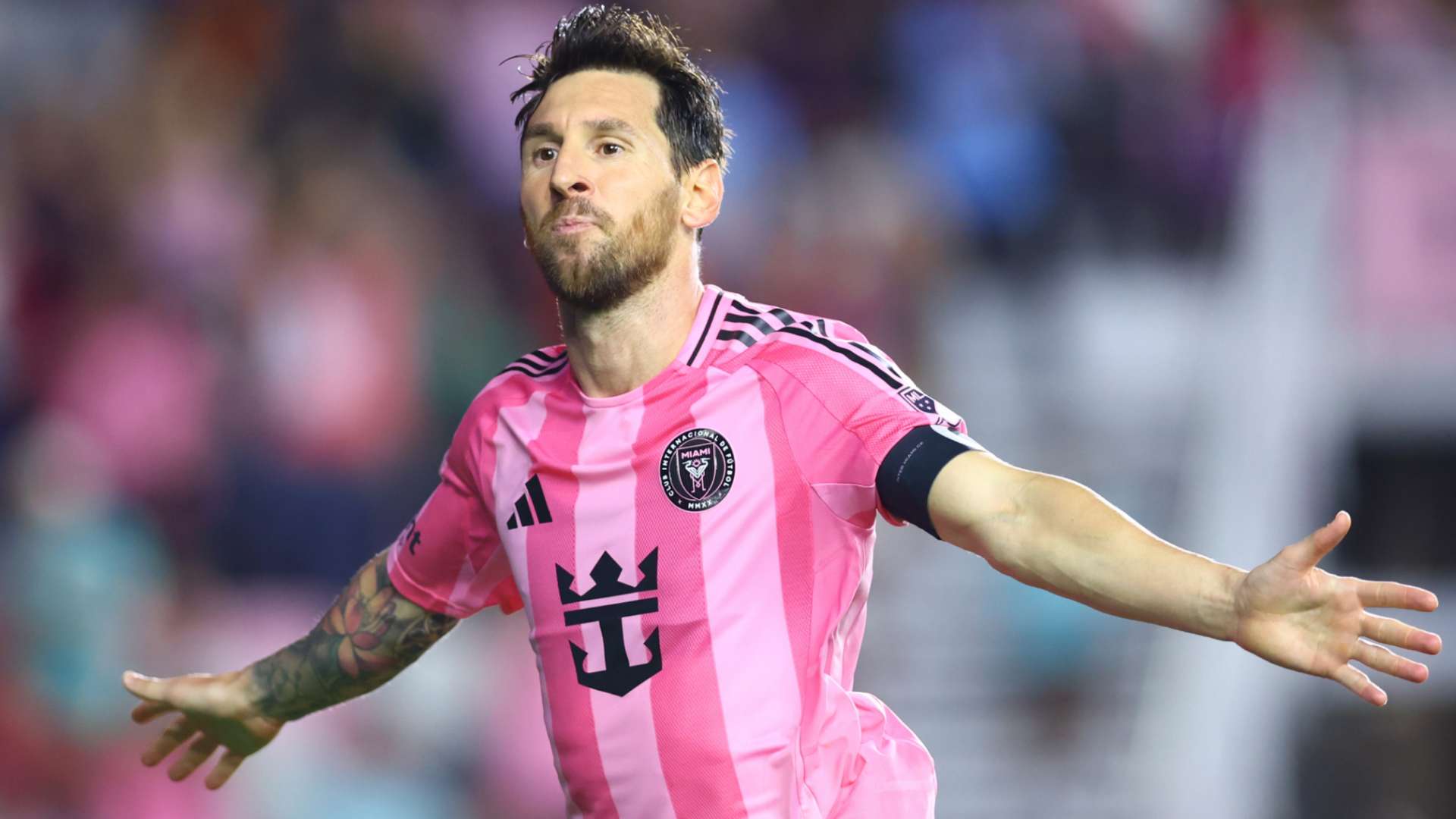
Lionel Messi, David Beckham, Don GarberGetty/GOAL

'We hope so' - MLS, Inter Miami and the soccer world needed Lionel Messi to extend his stay in America - and the legend obliged

David Beckham insisted that he didn't know this would happen. Lionel Messi's extension had been rumored for weeks, months, even years. It was reported, at times incorrectly, that the Argentine had a one year player option on his contract. But on a Champions League pre-match show, at the beginning of September, when prodded about a potential Messi extension, he had three words: 

"We hope so"

And so that remained the narrative. No one could guarantee that Messi was going to stay in MLS. And how could they? Even if Messi makes all of the right noises, ownership handles the situation perfectly, and all of the money possible is made available to him, Messi answers only to himself. He is 38. He could make more money in the Saudi Pro League, or Barcelona, or any other random club he has been linked with. 

At this point, Messi is doing it simply for love of the game. And that infatuation, it is now confirmed, will continue. Messi's three-year agreement to stay in Miami, announced by the club on Thursday, confirms the thing that many knew but were perhaps too afraid to jinx. And it couldn't be better for MLS.

For all of the talk about improvement as a league, sustainable player development, profit made off smart attendance, and the appeal of a World Cup, this is still a setup that thrives off star power. Messi doesn't need to keep playing. But soccer at large isn't quite ready to let Messi go, and he has a comfortable home in South Florida. 

Everyone should be grateful that he is extending his stay just a little longer.

  • Inter Miami CF v Seattle Sounders FCGetty Images Sport

    Will he, won't he?

    There really shouldn't have been any anxiety here. Think about it realistically, consider the angles, ponder the likely circumstances, and Messi had two real options: retire or stay in Miami. Nothing about the level of his football playing ability or apparent commitment to kicking a ball about suggested that the former was a probability. And he has never shown any sort of discontent with South Beach. 

    But Messi has played the fool all the same. He has repeatedly mentioned that he doesn't know if he can make it to the World Cup. There has been great furor about potential final games for Argentina. Messi, we were told, did not know where his future was. That's all a bit silly, of course. He had too much going to retire. 

    Miami worship him. MLS has not once questioned his obligations, authority, or marketing value - sometimes to a fault. They have shown no qualms making him not only the face of the league. Sure, there was the little nuisance of the league suspending him after skipping this year's MLS All-Star game. But Messi knows the clout he has here. Acting in an almost flirtatious way that he wasn't aware of what the future might hold was perhaps a little disingenuous.

    But he's Messi, and Messi can get away with these things.

  • Advertisement
  • Leagues Cup 2023 - Final: Inter Miami CF v Nashville SCGetty Images Sport

    What it means for MLS

    MLS comissioner Don Garber is presumably popping champagne somewhere. The most obvious beneficiary - more so than the club itself - is Major League Soccer. MLS want him in the league. A look at the broader landscape tells you all you need to know. Go anywhere in America - or even the world - and there will be dots of Miami pink throughout parks, streets and cities. Billboards and commercials have embodied his involvement. 

    The chances are, you probably know someone who now knows what MLS is just because Messi plays in it.

    And more broadly, it keeps the brand alive. The history of MLS has always been one of a league sort of fighting for legitimacy. The rest of the world views America's top flight as a little outside of the mainstream, not quite relevant because of its relative youth. Americans like baseball, football, basketball and hockey, we are told. 

    Having Messi keeps soccer in the forefront in America. His involvement here is the ultimate co-sign, a symbol of acknowledgement from the wider world that this league means something. Messi doesn't need paychecks in the same way others might. He's here, at least in some part, because he believes that MLS is good enough to have him. That's the best endorsement the league could ever get. 

  • Lionel Messi Inter Miami 2025Getty

    What it means for Miami

    From a Miami perspective, there are two ways of looking at this. The first is Inter Miami, the brand. The math here is simple. Messi sells jerseys. Messi sells tickets. Messi drives interest. Sure, the Herons are full of good players - Yannick Bright truthers, unite - but Messi is an attraction. Even people who know nothing substantive about football will come and watch him.

    It's why, at times, Messi's games feel like celebrity events, more like being courtside at an NBA game than watching a club soccer match. It's a curious vibe, but Miami won't complain. 

    And then, there's the actual team. Miami are a strange side, admittedly hard to evaluate. Over the course of a season, their body of work is agreeable. There are obvious flaws in the squad, especially defensively. They are not MLS Cup favorites, but will be in contention. They have actually been rather outdone in one-off, knockout football on numerous occasions. Yet it simply cannot be questioned: Messi makes Miami better. 

    Sure, there are some defensive deficiencies to his game (he is, once again, 38). But he is also averaging a goal per game, and will likely win the league's Most Valuable Player award for the second straight season - unprecedented in MLS.

    There are times when aging superstars can be a net negative to their side - such is their lack of legwork. This is not one of those times. There may come a day where Messi is too tired, or his impact wanes just a little, where his inclusion can be questioned.

    There is, it must be conceded, the slightest sliver of danger of that happening towards the end of this deal - if he even opts to actually play three more seasons. For now, though, Messi is crucial to Miami, and quite clearly the best player in the league.

    “To enjoy him, watching him enjoy doing the things he is doing, he’s very, very competitive and he tries to translate that to the team,” Inter Miami manager Javier Mascherano said Thursday. “The best way to help him is trying to do the right things ... he has to be comfortable on the pitch. He’s comfortable when things are working in the right way. With him, when we do things the right way, we’ll have many chances to have success.”

  • Inter Miami CF v Seattle Sounders FCGetty Images Sport

    What it means for Messi

    The Messi perspective is one of a player continuing to prove that he can fight father time like few others in modern football. Recent years, in particular, have given clarity to the Messi versus Ronaldo debate that has raged on in the footballing consciousness for nearly two full decades. 

    Messi won a World Cup at 35 while phoning it in a little with PSG - carrying Argentina through the knockouts and to a richly deserved third win. Ronaldo, in that same tournament, was benched in favor of a player 15 years his younger. 

    And since then, the widening of that gap has only continued. Ronaldo has racked up goals in the Saudi Pro League, and is comfortably on track to score 1,000 before his career ends. Yet he no longer seems to be truly testing himself in the same way. Ronaldo's twilight years feel perhaps a little safe, almost too easy - a number of handsome paychecks to pursue a record. 

    The eight-time Ballon d'Or winner, meanwhile, is certainly testing himself in MLS. Even if the stats are remarkable, it would be inaccurate to say that Messi has found the league easy. It's a tough league that hasn't always been kind to him. Not once has an opponent rolled over, or made his life easy. Messi gets clattered routinely. He has picked up injuries here and there.

    Long distance travel, suboptimal pitches, a condensed fixture schedule - all of these things contribute to a rough way to end a career. MLS still seems something of a test for a player who seems reluctant to simply stroll around a pitch for his final years. 

  • Lamine Yamal Spaingetty

    What it means for soccer

    Soccer culture tends to claim ownership over individuals. We no longer see footballers as individual athletes as much as brands, things for the fans to hold on to, even worship at times. Messi has seemed a vital part of the mainstream consciousness for years. And the sport will never truly be able to let him go as a player. It will inevitably be an incredibly sad day when messi decides to retire.

    And that's fine. It should be. But there's a sense that soccer en masse isn't ready for that hole to be filled yet. Where is the next singular hero of this sport? Who can take it over? Fans, teams, even media, are always searching for "the next Messi." And he won't arrive as a footballer - that's impossible.

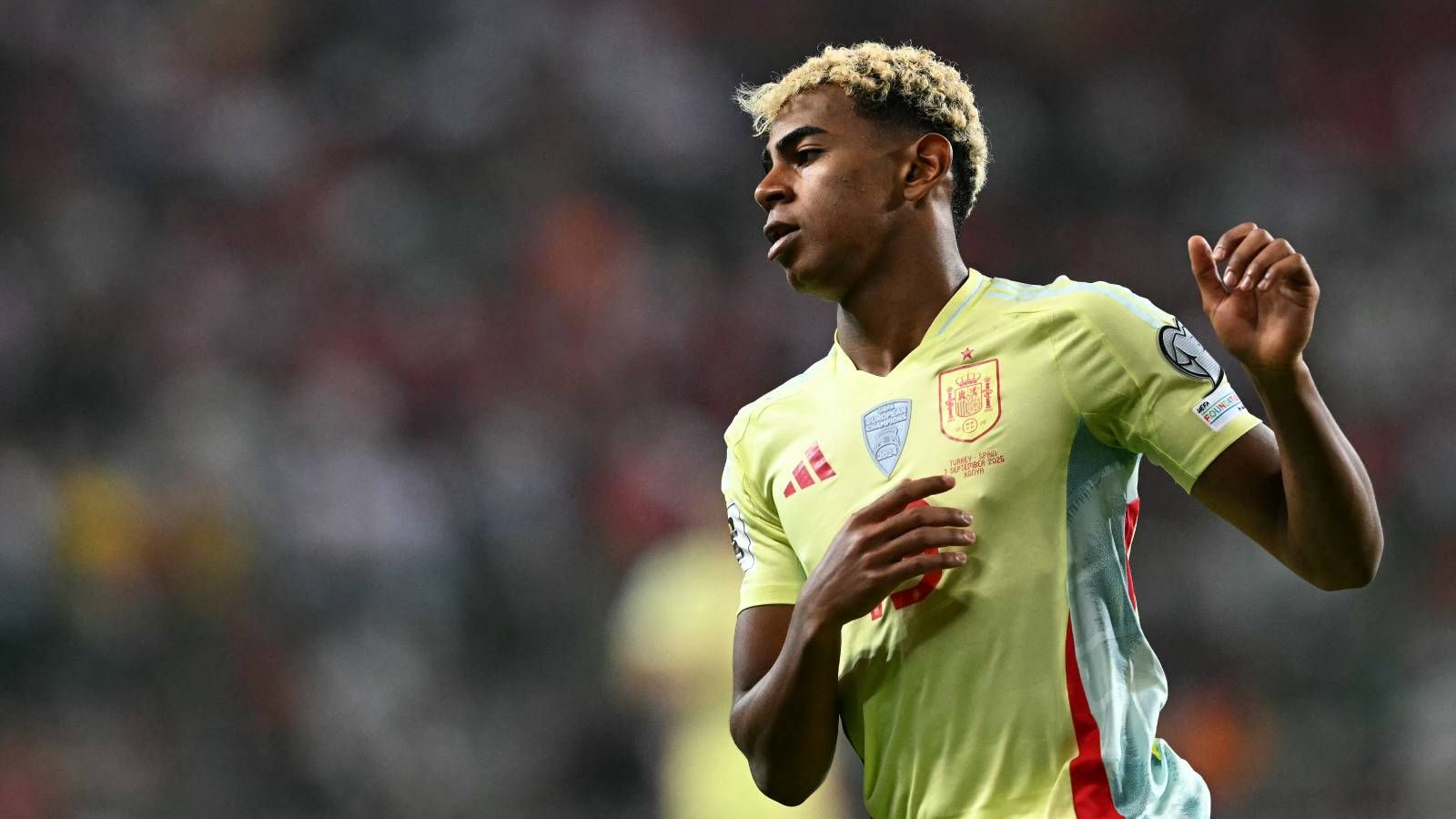
    But what about as a messianic figure, literally? Neymar rather faded due to off-field interests and injury. Kylian Mbappe, supposedly up next, lacks the same captivating quality - he's too singular. Perhaps Lamine Yamal is the next one. But he's far too young, today, to inherit that mantle.

    Sure, Yamal jerseys sell by the millions. Yes, he drove Spain to a Euro 2024 win and paced Barcelona's title victory. That he was even in the conversation for the Ballon d'Or gives real light to his individual quality.

    Yamal is also 18. He is undoubtedly a transformative talent, but he is still in his gestation period, less than two years into the exclusive club of elite football. All signs suggest that he will stay there. But there's much to prove.

  • FBL-MSL-MIAMI-GALAXYAFP

    Soccer stays happy

    So we return to Beckham's comments. Upon reflection they start to make a lot more sense. Sure, Beckham was being a bit cute, a little coy. Yes, he probably knew that Messi would extend, that Miami would be just fine, that MLS would continue to get its little leg up in the scope of global football relevance, that Messi will be on hand to to celebrate the opening of the team's new stadium in 2026. 

    The same goes for the rest of the footballing world. We knew that there was nowhere else for Messi to go. This is a pretty good arrangement, and Messi, thus far, has made the most of it. 

    But the key point in Beckham's insistence that "we hope so" wasn't that Inter Miami want him, or that MLS needs him, or that Beckham would quite like watching him play from a short drive away. Beckham, whether he tried to or not, spoke to a larger feeling. Soccer hoped that Messi would extend his stay in Miami.

    And for now, soccer has been kept happy.