
 Getty Images/GOAL
Marc Skinner wasn't the problem! Man Utd head coach's sudden exit before new WSL season lays bare Red Devils' real issues
Five years ago, Casey Stoney stepped down as Manchester United head coach, an announcement that drew incredible disappointment and frustration from fans. Stoney was beloved by the Red Devils' supporters after leading them into the Women's Super League and making them competitive at the top of the table very quickly. But concerns around investment and budget would lead to her walking away. Five years on, it seems little has changed.
On Monday, Marc Skinner's departure from Man Utd was announced. Skinner has never been as popular as his predecessor, for various reasons, but he helped the team hit several new heights after taking the baton from Stoney, with a WSL title charge in the 2022-23 season, a first major honour in the 2024 FA Cup and a Champions League quarter-final this past season among the highlights. Most impressive is that he did that despite having those same battles regarding investment and budget, which appear to be behind his decision to step down as Man Utd boss just one month before the new WSL campaign begins.
For some fans, Monday's news was welcome. Skinner's tactics and team selection have been the subject of ire for supporters over the last five years, with the lack of opportunities given to some players, including young stars, also a source of frustration. But Skinner was never the root of United's problems and this turn of events only highlights that further.
Underwhelming transfer window
.jpg?quality=60&auto=webp&format=pjpg&width=1280) Getty Images
Getty ImagesMan City, Arsenal and Chelsea all finished above Man Utd last season and look to be extending the gap to the Red Devils in the transfer window
Skinner's decision to leave the club comes in a transfer window that has thus far paled in comparison to most of the WSL. United finished nine points behind the top three of Manchester City, Arsenal and Chelsea last season, with a strong summer clearly necessary in order to close the gap and also stave off charges from the likes of Tottenham, Brighton and big-spending London City Lionesses behind them. However, United have made just two signings, while also selling one of their best players to Chelsea. No team in the league has been less active.
It's clear the club's vision for the women's team has shifted to a focus on youth which they believe will return long-term success. Three academy talents have signed their first professional contracts in recent weeks, all while the Under-21s have been integrated into Carrington alongside the first team.
Giving opportunities to young, homegrown talents is always going to go down well with fans, particularly those at United who have seen the likes of Marcus Rashford and Kobbie Mainoo come through in recent years, following in the footsteps of the legendary Class of 92 and the likes of Sir Bobby Charlton and George Best. But it's clear that more is needed if United want to be competitive in the WSL.
Growing spending across the WSL
 Alex Burstow/Arsenal FC via Getty Images
From Alexia Putellas' move to London City Lionesses to Georgia Stanway's Arsenal switch, teams across the WSL have gone big in this summer transfer window
Part of that is because of the gap that exists between the academies and the first-team in the WSL. No top women's league gave fewer opportunities to young, homegrown talent last season, with several managers highlighting the significant jump between the youth and the senior game in England as a big reason why.
And that is amid serious spending and strong recruitment across the league. Arsenal have had a wonderful transfer window, bringing in the likes of Georgia Stanway and Ona Batlle to mark themselves out as a potential front-runner for the title this season; Man City, the defending champions, have added subtly but cleverly in their bid to back up last year's success; and Chelsea are stepping up now, too, with Melvine Malard arriving from Man Utd for a bumper fee.
That's before getting to those who finished below the Red Devils last season. Tottenham continue to improve and did a lot of great work early in the window, Brighton have added well as they look to build on last year's run to the FA Cup final and then there is London City Lionesses. Backed by billionaire Michele Kang, the club have signed Alexia Putellas, Mary Earps, Mapi Leon, Kadidiatou Diani and more, with few to be surprised if they mount a serious push for a top-three finish.
There's no way around it: Man Utd need to spend and invest to be competitive in the WSL. Putting an emphasis on the development of young talent is great, but it's unlikely to produce immediate results given the rapid growth of the league in recent years. Spending on senior players will also be necessary if the Red Devils want to get anywhere while those stars of the future develop.
Skinner's overachievements
 Getty Images
Despite some real obstacles, Skinner achieved some great things at Man Utd, not least delivering a first major honour in 2024 with the FA Cup
Limited investment, in comparison to their biggest rivals, is what makes Skinner's time in charge of United most impressive. Yes, there were low points and times when his management was justifiably questioned, be it around tactics, team selection or something else. But that he led this team to four cup finals, a first major honour and a Champions League quarter-final, all while United's spending was dwarfed by those around them, deserves to be applauded.
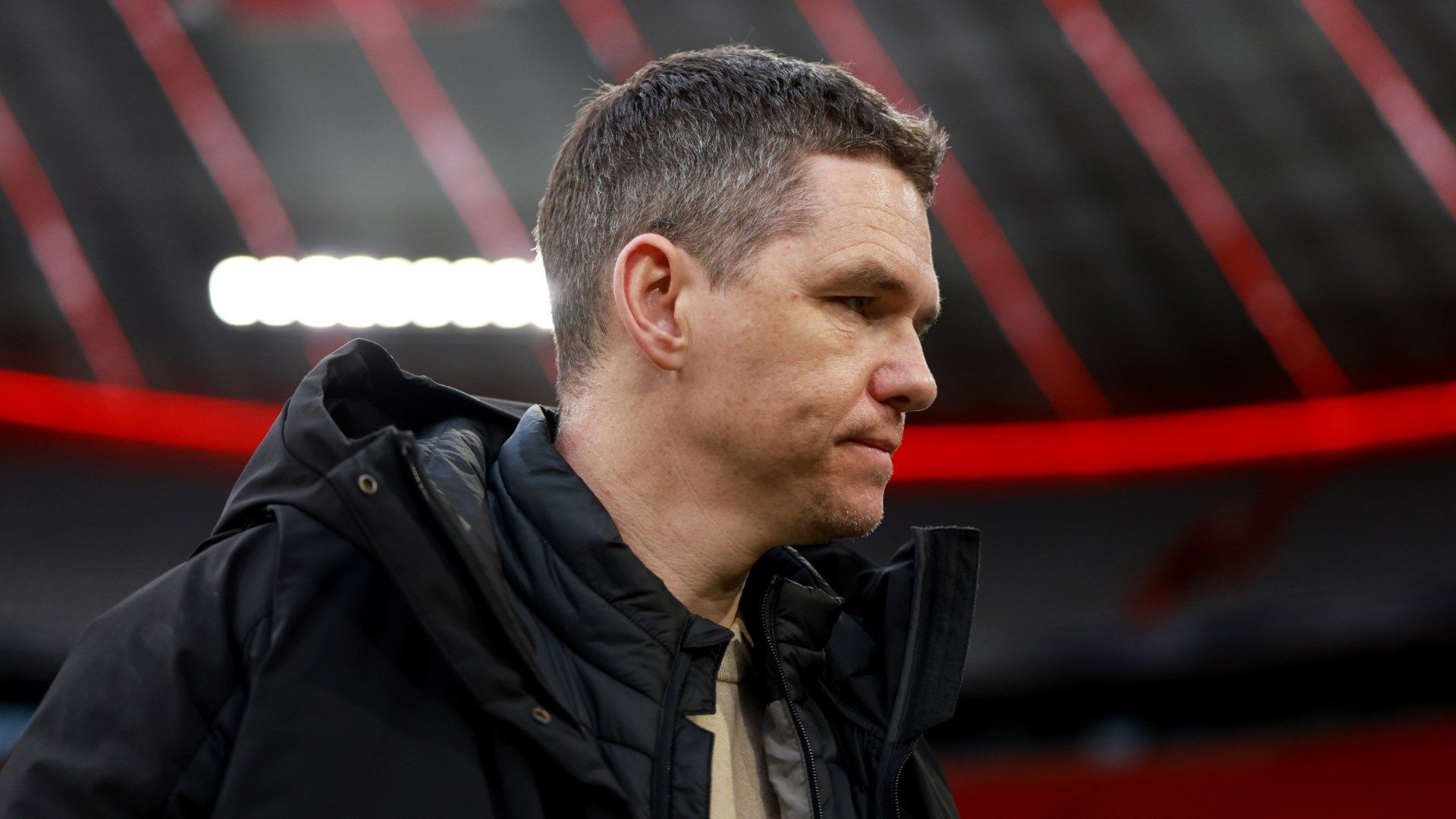
Last season, Skinner repeatedly called for more recruitment in order for his team to compete effectively on four fronts. A lack of summer business proved harmful when those two-game weeks came along, especially before the winter break, and even a lively January window couldn't undo the damage, with neither Lea Schuller nor Ellen Wangerheim able to really hit the ground running after coming in from Bayern Munich and Hammarby, respectively.
Again, Skinner's management could be questioned here. Was he setting up his team to get the best out of Schuller? Why was Wangerheim often playing in a wider role after thriving as a central striker in Sweden? But these issues also had to be ironed out mid-season because the recruitment wasn't done before it began.
Questions to be asked of the powers that be
.png?quality=60&auto=webp&format=pjpg&width=1280) Getty Images
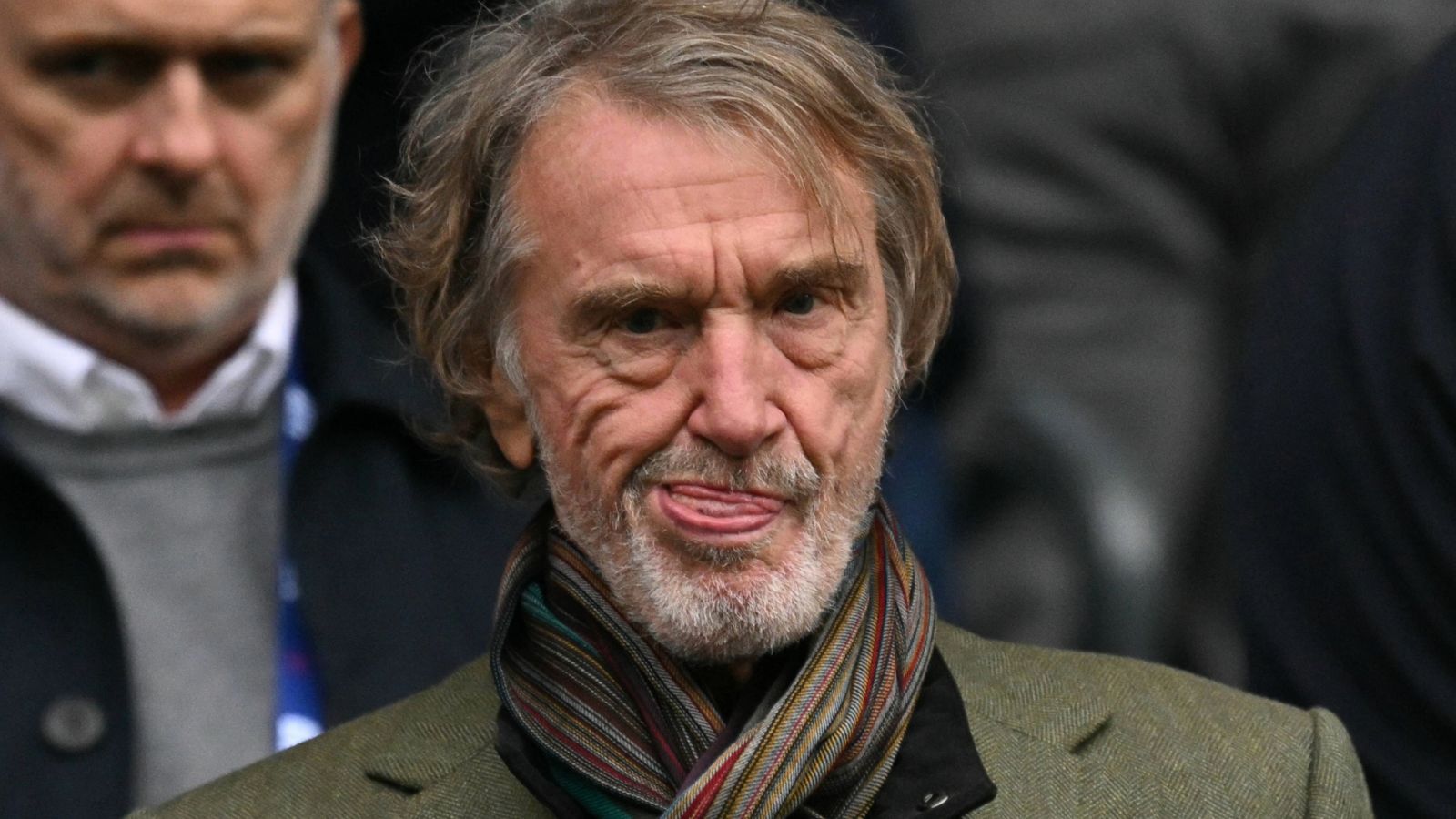
Getty ImagesSir Jim Ratcliffe has made plenty of unwanted headlines since he invested in Man Utd, many of which have related to the women's team
It all serves to, once again, raise questions of the powers above. Since acquiring a stake in the club, Sir Jim Ratcliffe has often found himself in the headlines for the wrong reasons, several of which have pertained to the women's team.
Admitting that the focus was on the men's side and that plans for the women were still to be confirmed, six months into his time at the club, wasn't a good look, while his first encounter with then-club captain Katie Zelem saw him ask the England international what she did at the club, according to the Telegraph. Ratcliffe also didn't attend Man Utd's FA Cup final triumph over Tottenham in 2024 and he wasn't present when the Red Devils returned to Wembley 12 months on to try and defend that title either.
Perhaps none of this would be remarked upon were it not for the lack of overall investment in the women's team. In the 2024-25 season, Arsenal spent almost double what United did on wages, with Man City and Chelsea having significantly bigger budgets. It's tough to compete in a situation like that.
New manager, same problems?
.jpg?quality=60&auto=webp&format=pjpg&width=1280) Getty Images
Getty ImagesWhoever succeeds Skinner will have to face and endeavour to overcome a lot of the same issues both he and Stoney did
There are some differences to when Stoney departed five years ago. As the Athletic documented, facilities were a real issue back then, exacerbated by the Covid-19 pandemic. It's something that has cropped up again during Skinner's tenure, most notably during the summer of 2024, but not since. That limited budget, especially compared to rivals, remains a real issue, however, that whoever succeeds Skinner will have to navigate, just as he, and Stoney before him, did.
So while a focus on youth and the development of players may sound promising, especially if United recruit a coach with strengths in those areas - as BBC Sport understands they are looking to - that alone cannot make a team competitive in the WSL today. This is now widely regarded as the best league in Europe, if not the world; one which almost every top player wants to play in.
To thrive in it, then, investment is necessary. A lack of it led to Stoney walking away and now Skinner has followed, highlighting the real issues behind Man Utd's inability to consistently compete at the top of the WSL thus far.