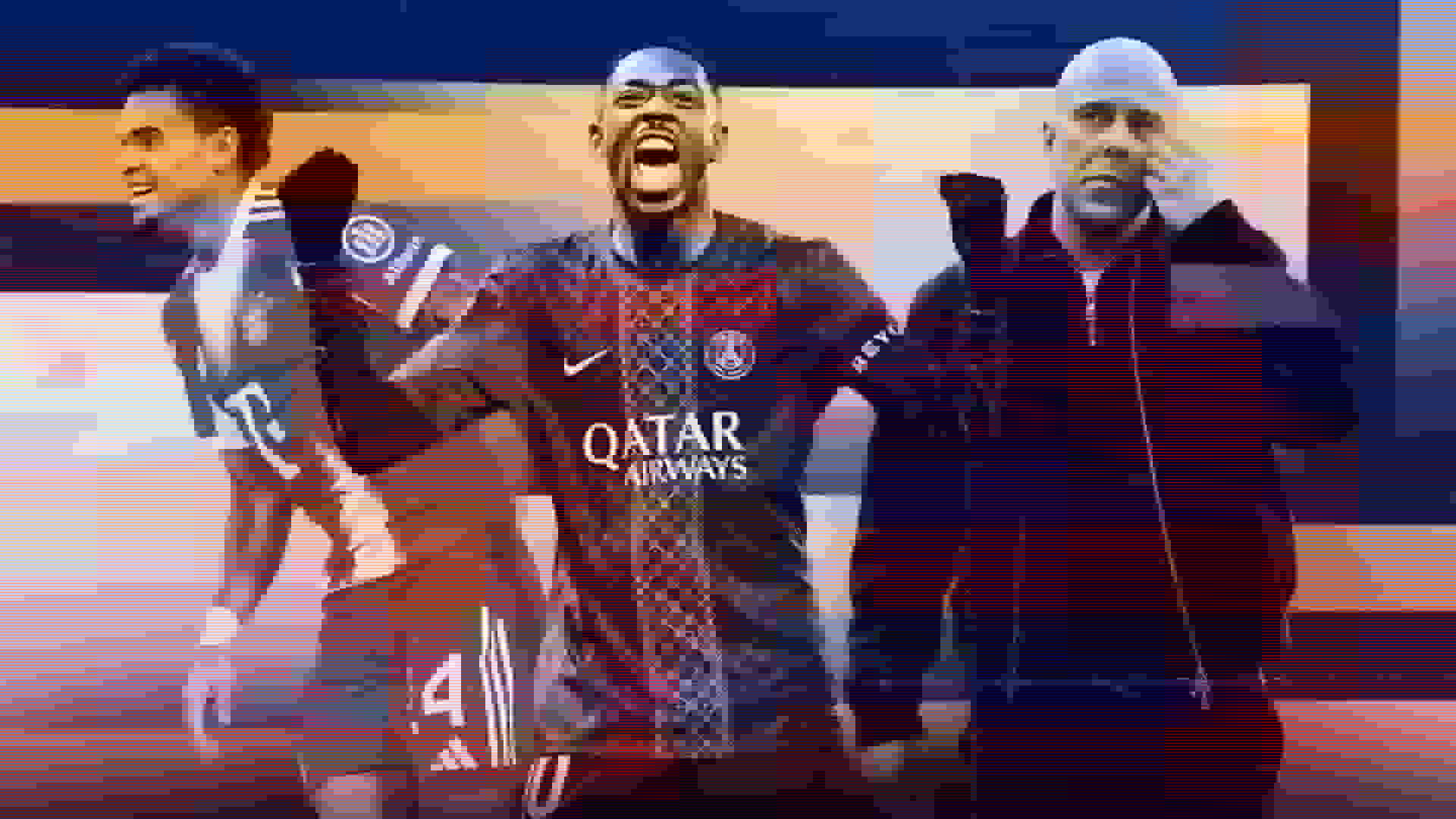

Everyone had been waiting for Klopp the "saviour" against the Netherlands, the coach known for his magical touch with Borussia Dortmund and Liverpool. The performance came out weak and unpromising, as has so often been the case in many of the German national team's matches over the past decade.
It is too early to pass judgment on the Klopp era after just one match. Yet the level shown by the Mannschaft confirmed what was already certain: German football faces a major crisis in producing top-calibre talent, one unprecedented in its history.
Read also
Huijsen on the derby: had the errors favoured Real Madrid there would have been a huge uproar
Because of his girlfriend: Icardi handed a ban until 2099!
Klopp did not simply lean on the same names used by previous coaches. He made changes and opened the door to new faces in a bid to find innovative solutions. Even so, the team kept struggling at both ends of the pitch.
Midfield told the same story. Kimmich returned there after a spell at right-back under previous coach Julian Nagelsmann, but alongside Nmecha and Amiri he failed to control the middle against the Netherlands. The hosts launched attack after attack until they secured an equaliser (1-1), and even came close to snatching the win, had it not been for Germany's good fortune.
Nothing illustrates the German team's fragility more than the fact that their goalkeeper, Marc-André ter Stegen, saved 9 shots from the hosts. The substitutes were no better than the starters. In fact, the experienced Serge Gnabry played the most prominent role in the Netherlands' goal, his errant pass intercepted by Ruben van Bommel before he set up the scorer Jakpo.
The academies dilemma
This frustrating start for Klopp's side once again shines a light on the crisis of talent shortage in German football. France, England and Spain keep producing stars generation after generation. The German academies, by contrast, appear barren in recent years.
Even Jamal Musiala and Florian Wirtz, once regarded as the future of the Mannschaft, have not yet delivered what was expected of them. Indeed, successive injuries now threaten the former's career. The figures show that German clubs have grown more inclined to buy the ready-made foreign player rather than give academy graduates regular first-team chances.
In the French league, players aged 21 or under receive around 17% of the total playing minutes, the highest proportion in Europe's major leagues.
Germany hit a similar figure in the 2017-2018 season, when the share of players under 22 reached 17.2% of the minutes. That proportion then fell to just 9.6% in the 2024-2025 season, the lowest in 17 seasons.
Marc Lenz, chief executive of the German league, offered his own testimony. He called the youth sector in Germany "good and with room for improvement", but pointed out that only 9 German clubs sit among the top 100 academies in Europe, and that the number of talents in the Bundesliga is "clearly lower" than abroad.
These facts make one thing clear. The crisis in German football does not come down to one coach or another. Unless the way talent is nurtured changes radically, the Mannschaft's lean years will drag on, and neither Klopp nor anyone else will be able to breathe life back into the corpse of the German national team.