Rongen Next Goal Wins 2023Getty

'Magneto's playing me?!' - The incredible story of Thomas Rongen, American Samoa and Next Goal Wins - featuring The Rock and 'Michael f'n Fassbender'

The movie is all wrapped up. It's been screened, promoted and reviewed. The man this is all about has seen it himself, too. The rest of the world will get to watch on Friday, when Next Goal Wins finally premieres to a worldwide audience.

Yet, despite all of the above, Thomas Rongen still talks like a man that cannot believe this is happening. He's played alongside and against legends like Pele and Johan Cruyff in the NASL, but they were always the stars, not him. He's coached at a pretty high level, too, in MLS and the U.S. youth national team system, but those aren't the type of people that usually end up on the big screen.

So, how did he get here, to a point where Michael Fassbender is portraying him in a Taika Waititi film? How did Waititi, of Thor and Jojo Rabbit fame, hear his story and decide it was worthy of Hollywood? Rongen himself is still stunned by it all.

Next Goal Wins offers a glimpse into such a brief period of his life, one that lasted only a matter of weeks. However, if there's anything he's learned from all of this, it's that it doesn't take long for someone to make a difference.

Next Goal Wins tells the story of Rongen's time as coach of American Samoa. At the time, American Samoa was the worst national team in the world. A few years prior, they'd lost 31-0 to Australia - an international record. At the time of Rongen's arrival, they hadn't won in years.

But, with Rongen at the helm, magic happened. They defeated Tonga on November 23, 2011 to win just their second ever match. The win was historic, but it's only one small part of what Rongen found during his time on that Island.

Ahead of the movie's release, GOAL sat down with Rongen to discuss seeing himself in a film, what he learned about himself and others during his time with American Samoa and what he hopes people take away from Next Goal Wins.
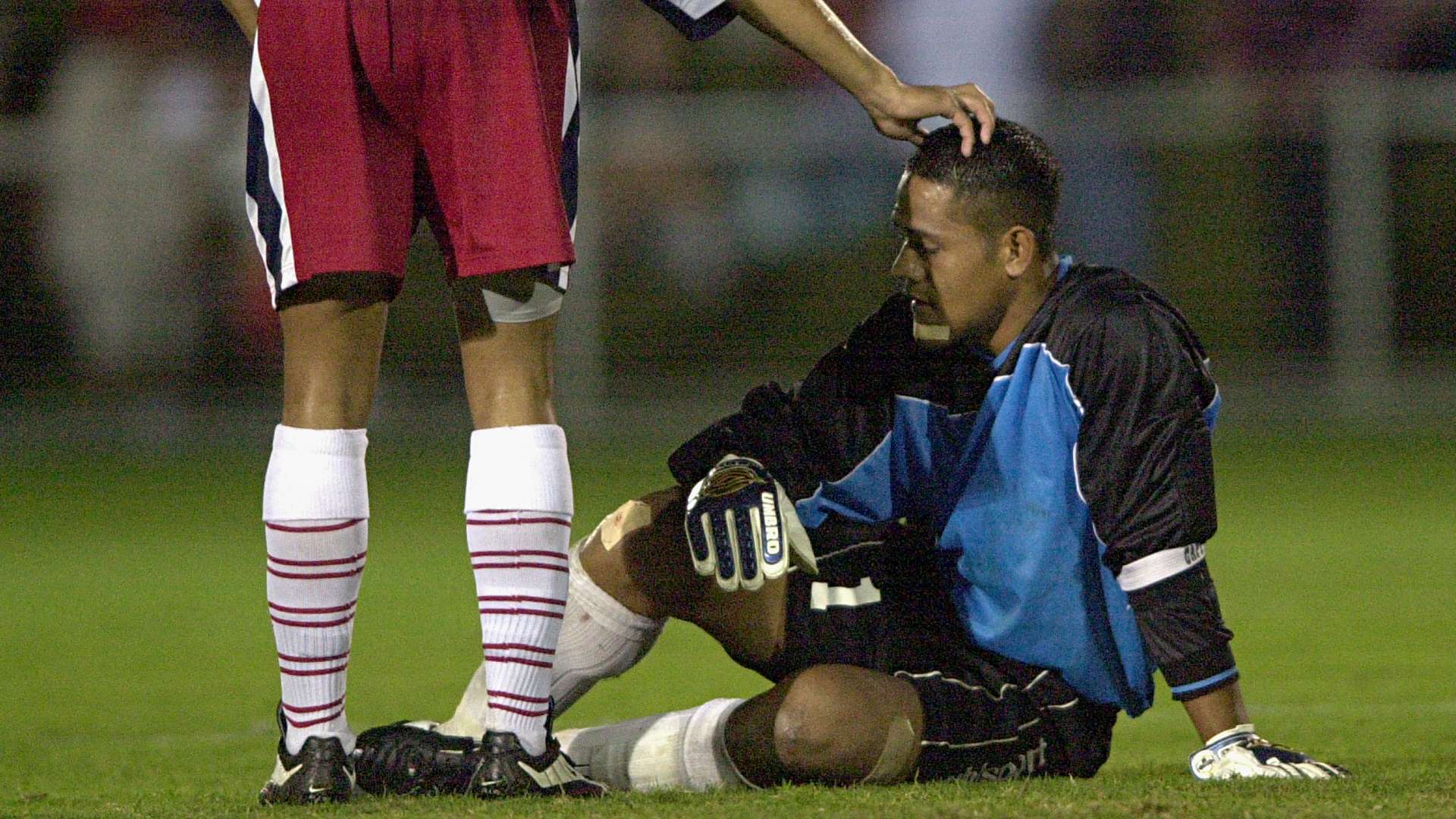
  • American Samoa 2011

    'Where's American Samoa?'

    Rongen remembers the moment well.

    After two separate stints with the U.S. U-20s, sandwiched between a brief spell in charge of Chivas USA, Rongen was out of work. Under his watch, the U.S. failed to qualify for the U-20 World Cup, leading to his firing in May 2011.

    Shortly after, he received the call from then-U.S. Soccer president Sunil Gulati that would, ultimately, change his life - not that he knew it at the time.

    "He told me that we have a territory called American Samoa and they need some help prior to their first qualifying games," Rongen recalls. "I go to a friend of mine, I was sitting in a bar somewhere, and I go, 'Where's American Samoa?' and I hear within like a few seconds, 'Oh, it's next to Fiji.' So, I go, 'Great!' That was the only part of the world I haven't been to! Then I go, 'Oh my god, they're the worst team in the world!'"

    Rongen wasn't wrong. At the time of his arrival in American Samoa, they were dead-last in FIFA's international rankings and hadn't won a game since 1983, when they defeated Wallis and Futuna.

    So, how does one even approach coaching the worst team in the world? Where could Rongen even begin with this team?

    "After I watched quite a few games of theirs, I knew this was not a team with a few tweaks," he says. "They had lost by 10, 18, 22 goals, but I knew I could close the gap. I looked at their opponents, which were Tonga, Solomon Islands and some more in that level, and it was pretty similar.

    "A few things that stood out was that they can't play 90 minutes, which needs work. I knew tactically I could rearrange certain things. I knew technically I could make them a little bit better, but where I made great strides was in the mental aspect."

    That, ultimately, led to the famous win that opened doors that Rongen never could have imagined.

  • Advertisement
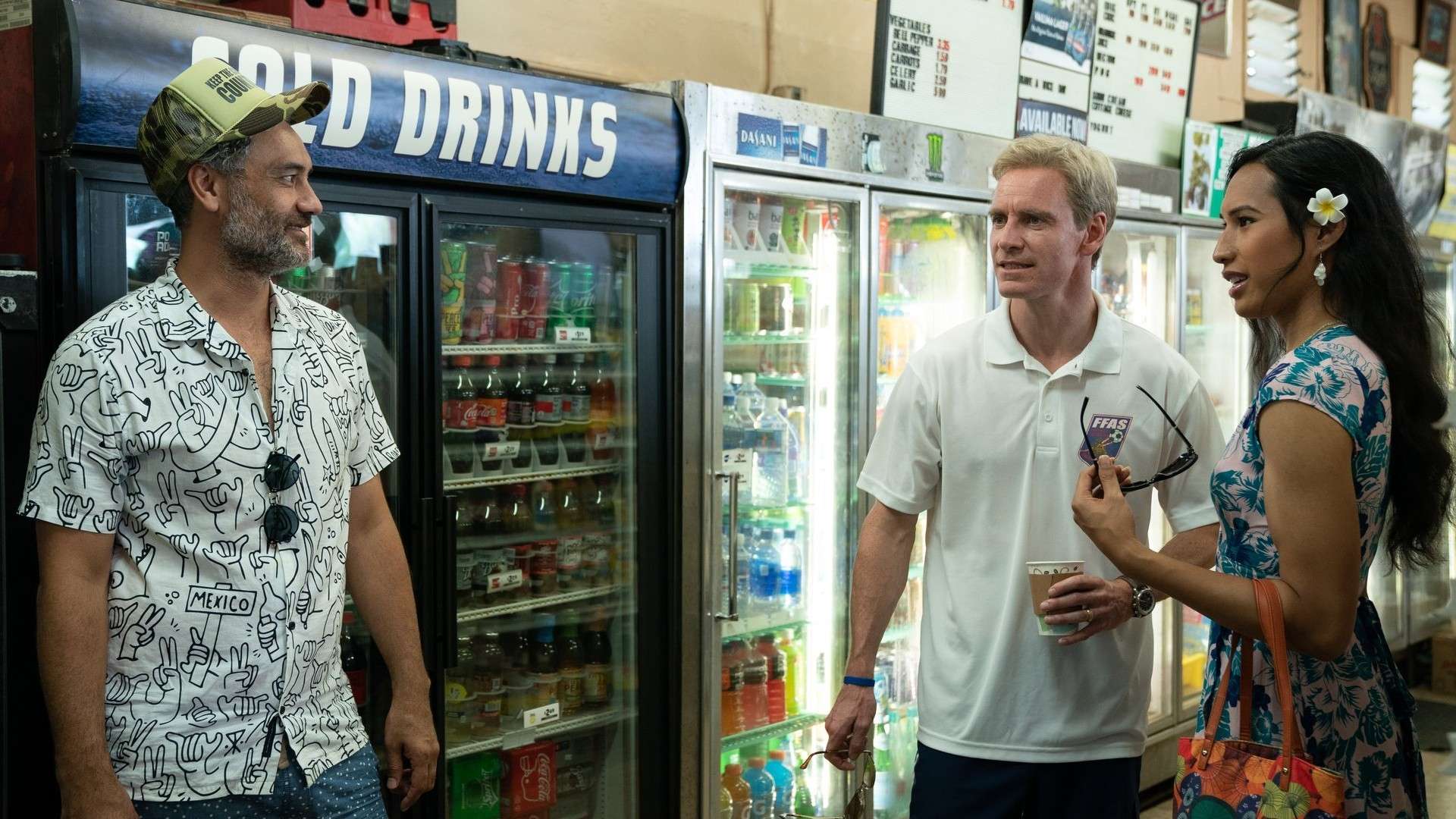
  • Fassbender Rongen WaititiSearchlight Pictures

    A little help from The Rock

    During Rongen's tenure, a film crew was embedded with the team filming a documentary. That documentary, also entitled Next Goal Wins, is what led Waititi to the project.

    "We had the a documentary that came out in 2014 at the Tribeca Film Festival," Rogen said. "I'm sitting next to The Rock, who is Samoan. He helped promote the movie and next to The Rock is a smaller gentleman, who says after the movie, after everybody goes nuts, 'I'm going to turn this documentary to a movie!' I was like, 'Yeah, okay, whatever.'

    "Fast forward to 2019, 'Hi, my name is Taika Waititi, I just won an Oscar for JoJo Rabbit, I did Thor, but now I want to go back to my Polynesian roots.' He's from New Zealand and is indigenous and he said, 'I'm going to turn this into a movie and Michael Fassbender is playing you!' I was like, 'Woah! Magneto's playing me?! The guy from Inglourious Basterds with Quentin Tarantino? Steve Jobs, which he was brilliant in? Yeah, it's Michael f'n Fassbender, so how's your day going?!

    "And the journey itself on the island was personally and professionally probably the most rewarding thing ever."

  • Rongen Jaiyah Waititi 2023Getty

    The story of Jaiyah

    While Next Goal Wins is very much the story of Rongen, it's also the story of Jaiyah Saelua, who is the emotional heart of the film.

    During Rongen's tenure, Saelua became the first non-binary and transgender woman to play in a World Cup qualifier. Saelua is a Faʻafafine, a third gender in Polynesian society, and, under Rongen, made her first start for the team in the famous win over Tonga. In that match, she provided an assist and made a last-gasp goal-line clearance and, afterwards, was sent a letter by then-FIFA President Sepp Blatter recognizing her achievement.

    Saelua's story was a key aspect in the documentary and remains a key part of the feature film's story, as she is played by actress Kaimana in the film.

    "I embraced Jaiyah," Rongen said. "Her passport says Johnny, and I heard, during the first day, that was how players referred to her. I walked up in the group and, not knowing that this will be an unbelievable icebreaker, I said to her, 'Do you want me to tell you Jaiyah or Johnny, because your passport says Johnny?' And she said, 'Coach, you can call me Jaiyah, please?' So I said, 'Okay, you're Jaiyah!'

    "The whole group just cheered and she says to me, 'You're the first Pālagi, which is white man, that has accepted me.' The prior coaches from New Zealand, Australia and Germany did not want to call her Jaiyah, shunned her a little bit, so that was huge.

    "The fact that I embraced, not only, Jaiyah, but the transgender community in the island, those were all little victories that eventually led to the fact that when I did my last speech when I revealed the starting XI, I looked in their eyes and I said to myself, 'They believe they can win for the first time.'"

    In addition to the casting of Saelua, Rongen also stressed how proud he was to see the casting of the rest of the team. With Waititi at the help, the film gave opportunities to many local actors to share a story that will resonate with plenty of others from American Samoa.

    "I want people to know now about American Samoans what I know now," Rongen said. "The film really rests on the shoulders of a cast that's probably more than 50 percent with Samoan ancestry, and that's just beautiful.

    "Although [Oscar] Knightley and Rachel House and others are doing some atomic lifting, the standout performers are, in my opinion, the Samoan actors that [Waititi] brought in because he said 'I want my people to be showcased to the world' and that's beautiful and something that I really respect and appreciate."

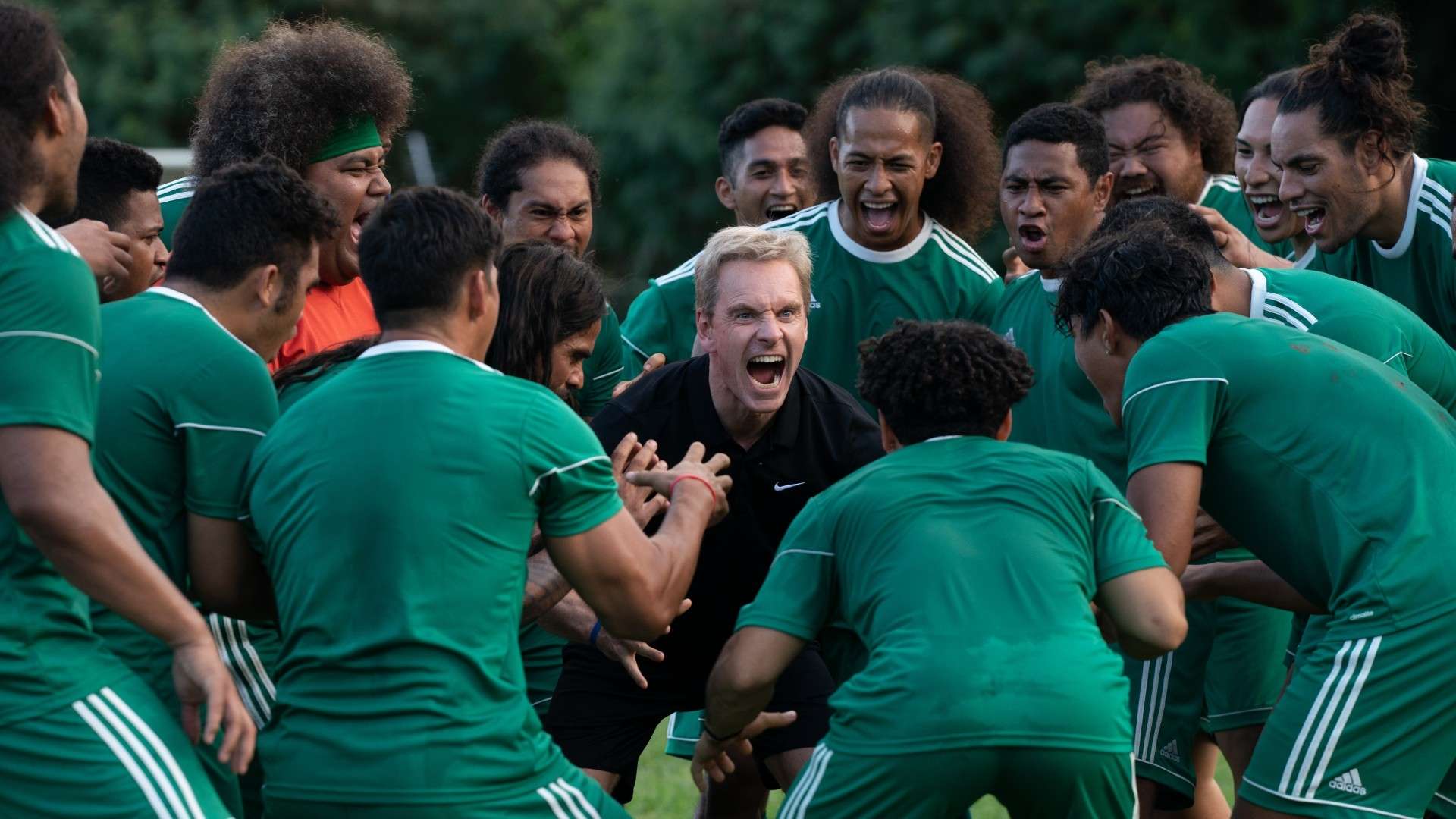
  • Fassbender Next Goal WinsSearchlight Pictures

    Some tweaks in Rongen's story

    In Next Goal Wins, Rongen is very much presented as a fish out of water, which leads to plenty of the film's comedy. Rongen is described in the trailer as "a little lost white kid", showing just how much he had to adapt to the culture on the island.

    That aspect, at least parts of it, was very, very real. Rongen realized almost immediately that his willingness to adapt to his team would be crucial to making them trust him and, ultimately, making them believe in themselves once again. Because of that, Rongen, an atheist, made sure to participate in the team's religious culture, showing his support to players in the off-field aspect of their life.

    In the movie, Rongen is depicted a bit differently. For much of the film, you could argue that he's the antagonist. He's shown to be dismissive, arrogant and sexist. His alcoholism is a key character trait. He does not immediately embrace Saelua in the film, leading to an early clash between the two.

    "The first time I saw it all by myself about a month ago," he begins, "and it's big theater, I was absolutely overwhelmed, because the first hour, it's totally the opposite of what the documentary was all about! I'm an alcoholic, I'm a sexist, because in the movie, I call her Johnny, not Jaiyah, which was the total opposite. I'm a guy that can't keep a job because I lose my temper all the time. I said to [Waititi], 'Dude, you're killing me!' and he said that everybody needs a villain in this movie and in the end, I become the hero and embrace everybody."

    Overall, though, Rongen felt that, while liberties were taken, the heart of the story remained. His character, like the real-life version, is shown struggling to cope with the passing of his daughter. Rongen famously wore his daughter's hat during American Samoa's win, and Fassbender dons the same cap in the movie.

    "I'll be real frank with you: The loss of my daughter haunted me for many years," Rongen said. "Finally, I was able to cry. I broke down on the island in a crazy way, and Taika knew that and there's a scene in the movie where I get baptized by these guys, and after I'd been baptized, I get out of the water. That becomes the real Tomas Rongen."

  • Fassbender Next Goal WinsSearchlight Pictures

    What to take away

    While the journey may be a bit different, Rongen says the destination, ultimately, remains the same. The film's lessons are the same he learned during his time with American Samoa over a decade ago: acceptance, family, inclusion and a little bit of self-belief.

    "It's about letting go," Rongen said. "It's about letting go of baggage, trusting your intuition. It's a bit of Ted Lasso, it's Einstein, it's Gaga. It's about throwing away constraints put upon yourself by society. We all know football is life. I mean, it was what really mattered, and a beautiful life is in Next Goal Wins.

    "Taika goes, 'My message simple', well, there's some some some cursing in there, so I'm not going to want to go there, but he came up to me and he said, 'Thomas, I twist the truth, but at the end of the day, it's all about slowing down and enjoying the moment', and I think he did a wonderful job in trying to tackle those issues and tackle the biggest game in the world, which he doesn't know much about it. He's a rugby guy! He plays a part in his movie as well. He's funny, charismatic.

    "At the end of the day, it's a wonderful Hollywood story: Ted Lasso meets Cool Runnings meets the Mighty Ducks. Let's put it that way."

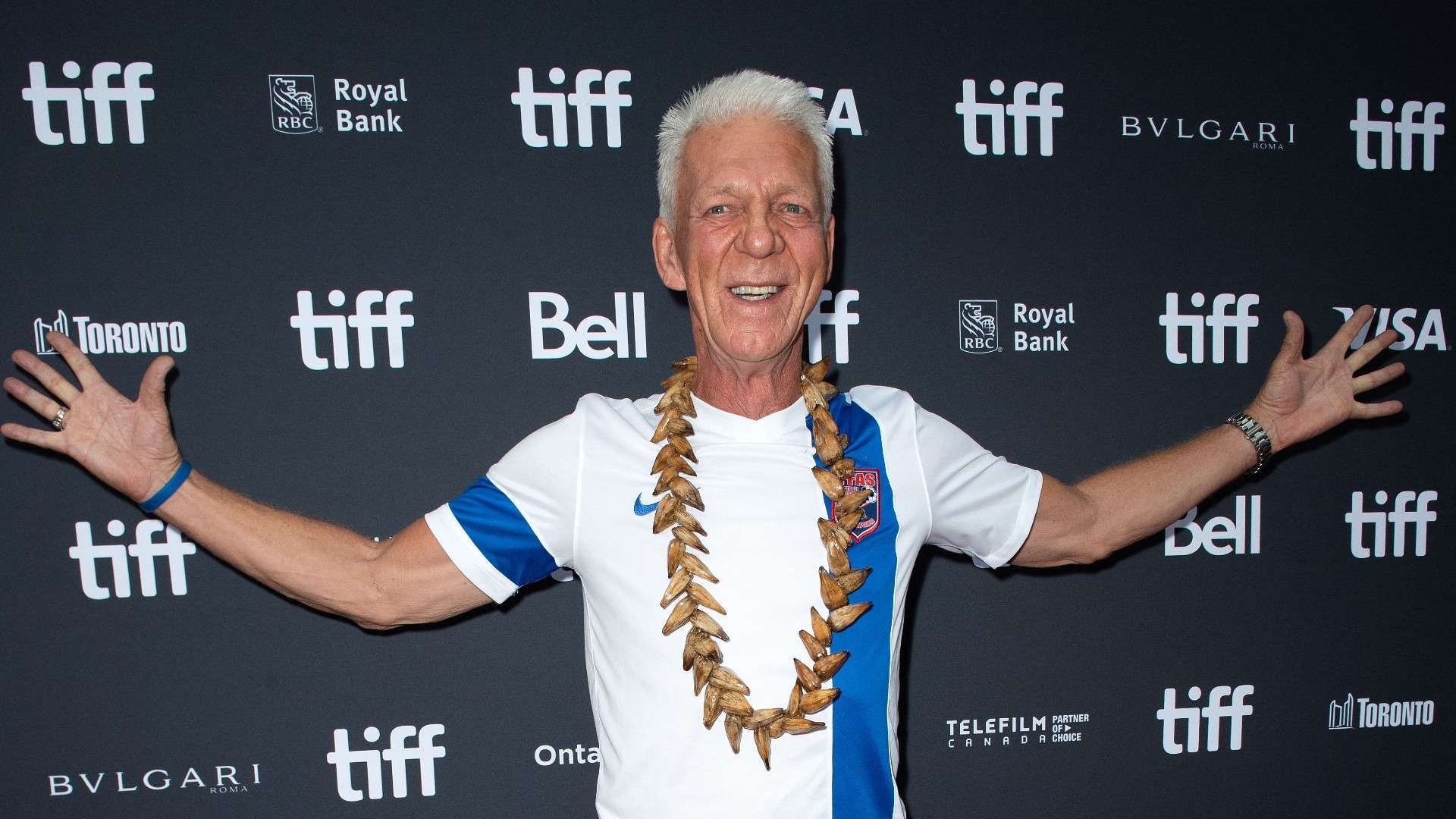
  • Rongen 2023Getty

    The future

    Rongen is enjoying his moment in the spotlight. With the strike now over, he's looking forward to finally getting to meet Michael Fassbender. The two have yet to actually cross paths, and now the two can finally discuss the separate Thomas Rongens of the film and field.

    At the moment, the 67-year-old is working with CBS, enjoying this phase of his career after playing for 20 years and coaching for 20 more. He knows his involvement with soccer is coming to an end but, even with Next Goal Wins telling his story to a whole new audience, he says there may just be a few more chapters to write.

    "I think the American soccer circle is almost done," he says, "and I think the 2026 World Cup, when I'm 70, I'm going to spend six months in Amsterdam and six months probably in South Florida. I came here when Pele played, which was significant and put soccer on the map. We all were here for the 1994 World Cup, which was an important moment. The start of MLS, the Beckham effect, and Michael Fassbender is playing me in a movie. Where am I? Miami, where I'm doing [LIonel Messi's] Noche d'Or. That circle is almost round.

    "The other one, I'm not saying it's unfinished business, but they've asked me to come back, actually, to see if we can qualify for the 2026 World Cup and I just don't know if that's something I have to do personally, because if it wasn't for the island, those three weeks, you and I probably would not have been talking to each other."

    He continued: "[The movie] is just a thoroughly engaging exploration of sport, the nature of achievement. You learn more about their community and culture. To me, it's steering and uplifting. Maybe. I've said I'm interested. Maybe that will be then the final chapter of Thomas Rongen, outside of the United States. Then, both circles will be filled."