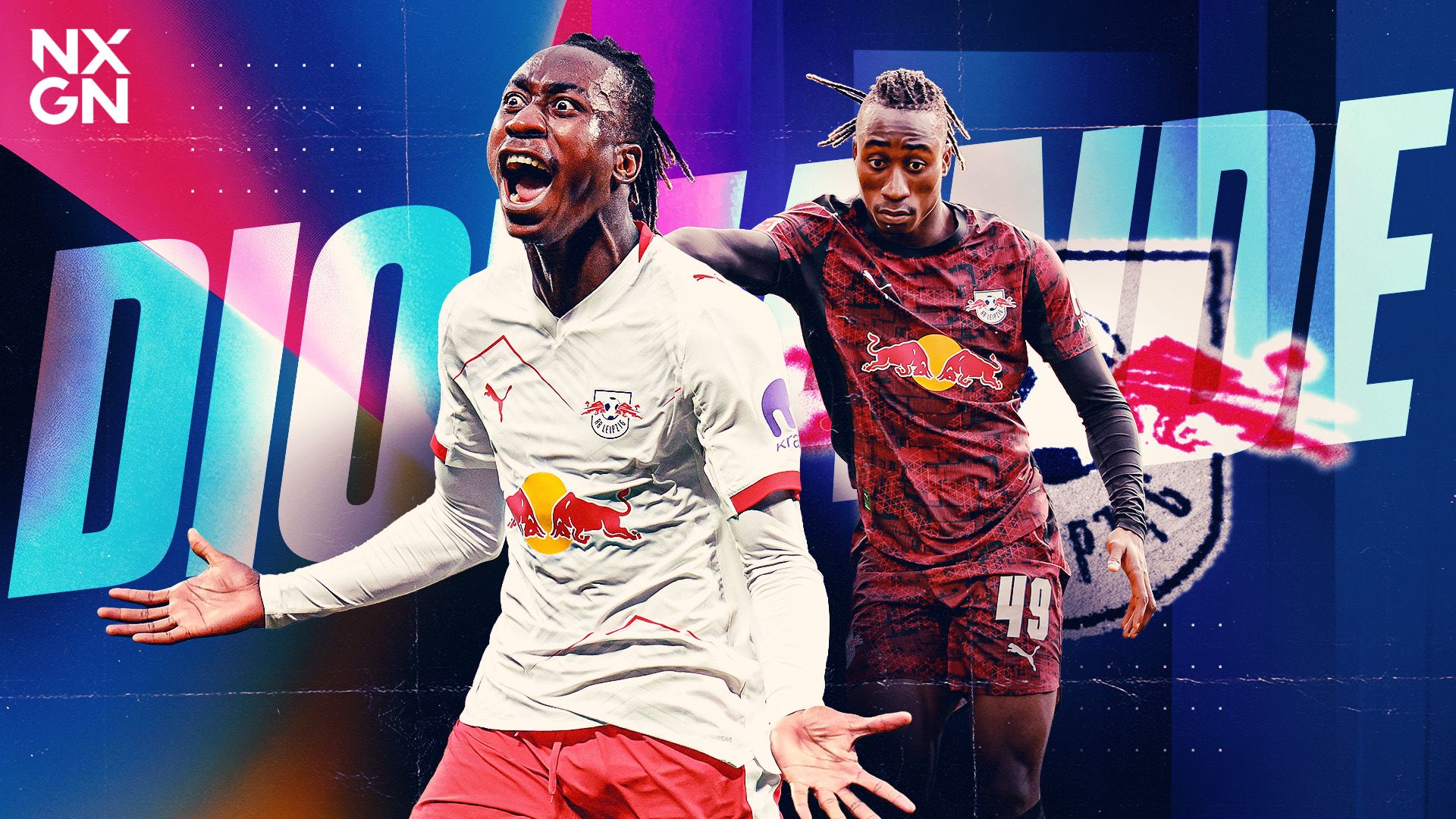
Yan Diomande NXGN GFXGOAL

Translated by

Right and left: Diomande, two wings in one player and a lethal weapon in Mourinho's tactics

Real Madrid have found their missing attacking trump card in Ivorian Yan Diomande. The former Leganes man joined Leipzig a year ago for 20 million euros, and he shares plenty of traits with Los Blancos star Vinicius Junior.

A move for the 19-year-old is now close, with Leipzig set to receive between 115 and 120 million euros.

Madrid are busy reshaping their squad ahead of the new season after two campaigns without a trophy. They appointed Jose Mourinho first, then landed four signings: Marc Cucurella, Denzel Dumfries, Ibrahima Konate and Bernardo Silva. Diomande becomes the awaited fifth.


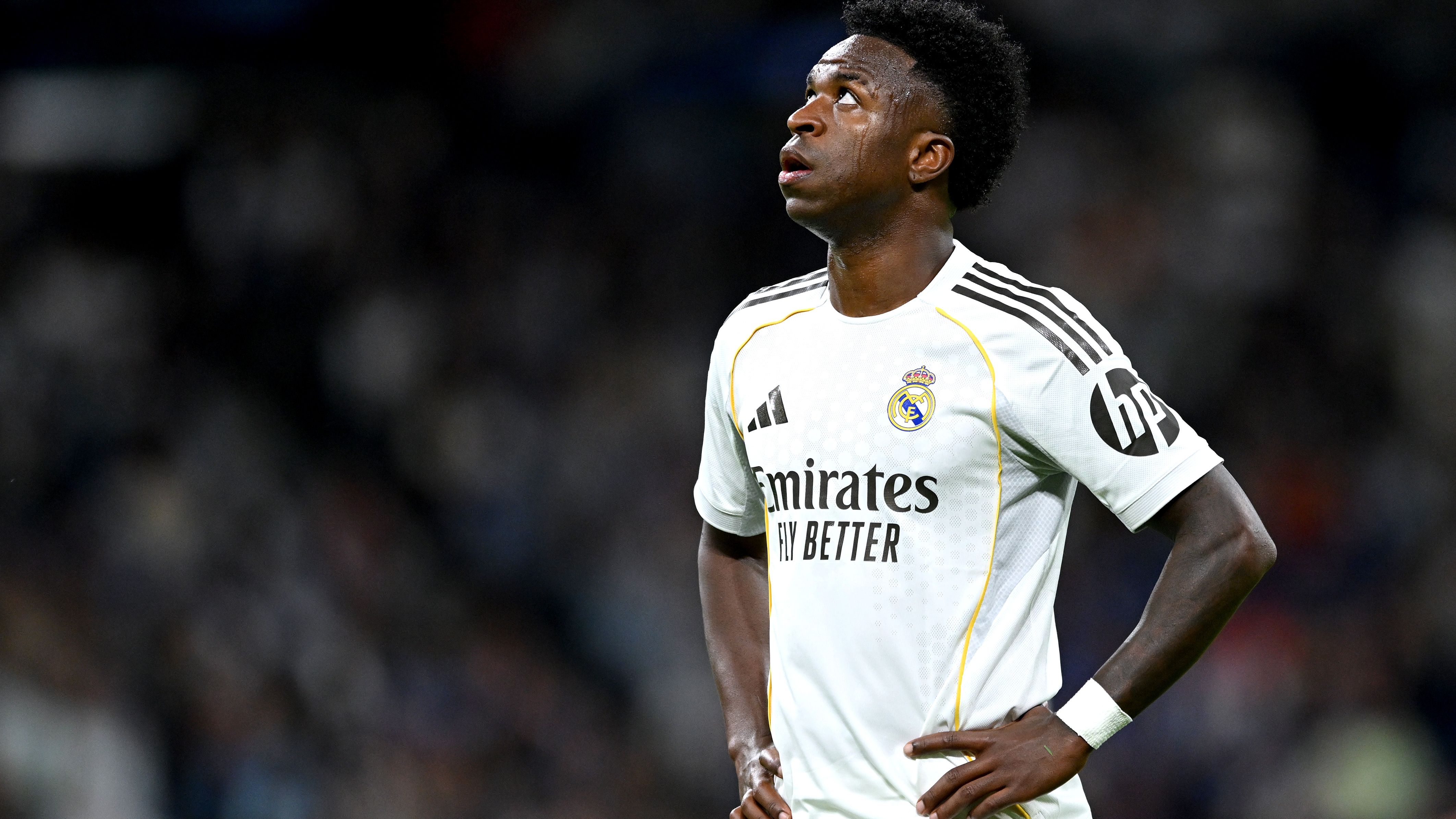
  • 비니시우스 주니오르 (Vinicius Junior)Getty Images

    The difference between Diomande and Vinicius

    The newspaper "Marca" analysed Diomande's strengths, noting that the Ivorian is not, like Vinicius, a winger known for his composure or his skill in linking the lines.

    What defines Diomande is his vertical impact. He's sharp, precise and blessed with lightning acceleration. At the last World Cup, his top speed hit 34.7 km/h, though that still trails Real Madrid's French striker Kylian Mbappe, who clocked 37.6 km/h.

    Dribbling is another weapon. Diomande completed almost double the number of successful dribbles (118 from 213) as the second-best dribbler in the Bundesliga last season, Michael Olise (65 from 149).

    But what sets Diomande apart from Vinicius is his versatility. A right-sided player, the Ivorian handles both wings comfortably, yet last season with Leipzig he racked up far more minutes on the right (1,591) than on the left (478).

  • Advertisement
  • Sport-Club Freiburg v RB Leipzig - BundesligaGetty Images Sport

    Diomande on the right

    The Spanish newspaper compared Diomande's performances on the right and the left to work out where he plays better.

    On the right, he usually receives the ball at his feet in a wide position, hugging the touchline, and takes a more cautious approach. He collects the ball, draws his marker, assesses the situation and, if he is unsure, tries again.

    Playing with his natural foot, he looks to find space on the wing, reach the byline and then pass the ball back. Standing still or on the move, he tends to beat his defenders through physical strength, power and a change of pace, rather than dribbling.

    His diagonal run towards the centre lacks the precision of a naturally left-footed player like Olise, and that is understandable. His left foot remains a tool more than a weapon, despite the several goals it produced last season when he shifted the ball onto it at the last moment on the edge of the box. Even so, he tends to use it in long, winding runs to beat opponents.

    Here lies the fearsome strength he generates. Even without mastering that move towards the centre, he has found an "escape route" against deep defences that block his path from the outside: dragging opponents across to attack the front or the weak side with a cross.

    The figures back it up. On the right wing, Diomande creates more chances per 90 minutes. He dribbles more (4.41 against 3.23), completes more crosses (0.91 against 0.67) and plays more passes into the box (2.21 against 1.48). His shot volume is higher (1.7 against 1.48), as are his expected goals (0.21 against 0.16). He also loses the ball more often, though (2.21 against 1.48).
  • Sport-Club Freiburg v RB Leipzig - BundesligaGetty Images Sport

    Diomande on the left

    But the former Leganés player looks bolder and more free-flowing on the left wing, where he relies on his weaker foot. He still receives the ball out wide, just not as often, and the numbers back it up: he records more touches inside the opponent's box, 7.8 against 6.51.

    Out on the left, he no longer bothers so much with attacking down the flank or beating his man through sheer strength. His right foot lets him cut inside to shoot or cross, and that hands him the confidence to play direct. You can see it in how readily he backs his dribbling.

    Two things stand out. On the left, his numbers climbed in both expected goals, 1.17 against 0.84, and expected assists, 0.43 against 0.21.

    Put another way, the right wing sees him manufacture more chances through beating defenders, crossing and repeated spontaneous surges. The left turns him into an influential player who wants to create chaos.

    Despite his limited minutes on the left, one pattern keeps surfacing: he exploits the empty spaces away from the ball. Diomande has turned a necessity into an advantage. He often finds a tight space to receive with his back to goal, or gets tripped, so he beats it by shifting the ball quickly to a teammate, a one-two, and bursting in behind. With his pace and the space ahead of him, he becomes impossible to stop.

  • ENJOYED THIS STORY?

    Add GOAL.com as a preferred source on Google to see more of our reporting

    Add as preferred source on Google
  • RB Leipzig v FC St. Pauli - BundesligaGetty Images Sport

    Defensive behaviour

    Whether he lines up on the right or the left, his defensive work barely changes. Energy sets him apart, along with the effectiveness of his pressing once the ball is lost.

    Little wonder, then, that he tops the Bundesliga for ball recoveries among forwards with at least 1,000 minutes played (148). He also ranks second for pass interceptions (16) and fourth for successful tackles (19).

    At set pieces he plays a more reactive role, happy to hold his position. The moment the ball is won back, though, he reacts in a flash.

    On the counter, he tends to take up a central position and turns lethal with his dribbling, particularly when he bursts into the space behind the defence off the ball.

    Counterattacks were a staple for Real Madrid under José Mourinho's first spell, and now Diomande may have the tools to charge into the gaps Cristiano Ronaldo and Di María once revelled in. The question now: will he do it on the left flank or the right?