Gianni Infantino is reportedly ready to back a further expansion of the World Cup to 64 teams as he battles to maintain his grip on power at FIFA. The Swiss executive faces unprecedented pressure from major football confederations following a series of controversial proposals that have left his long-term future in doubt.
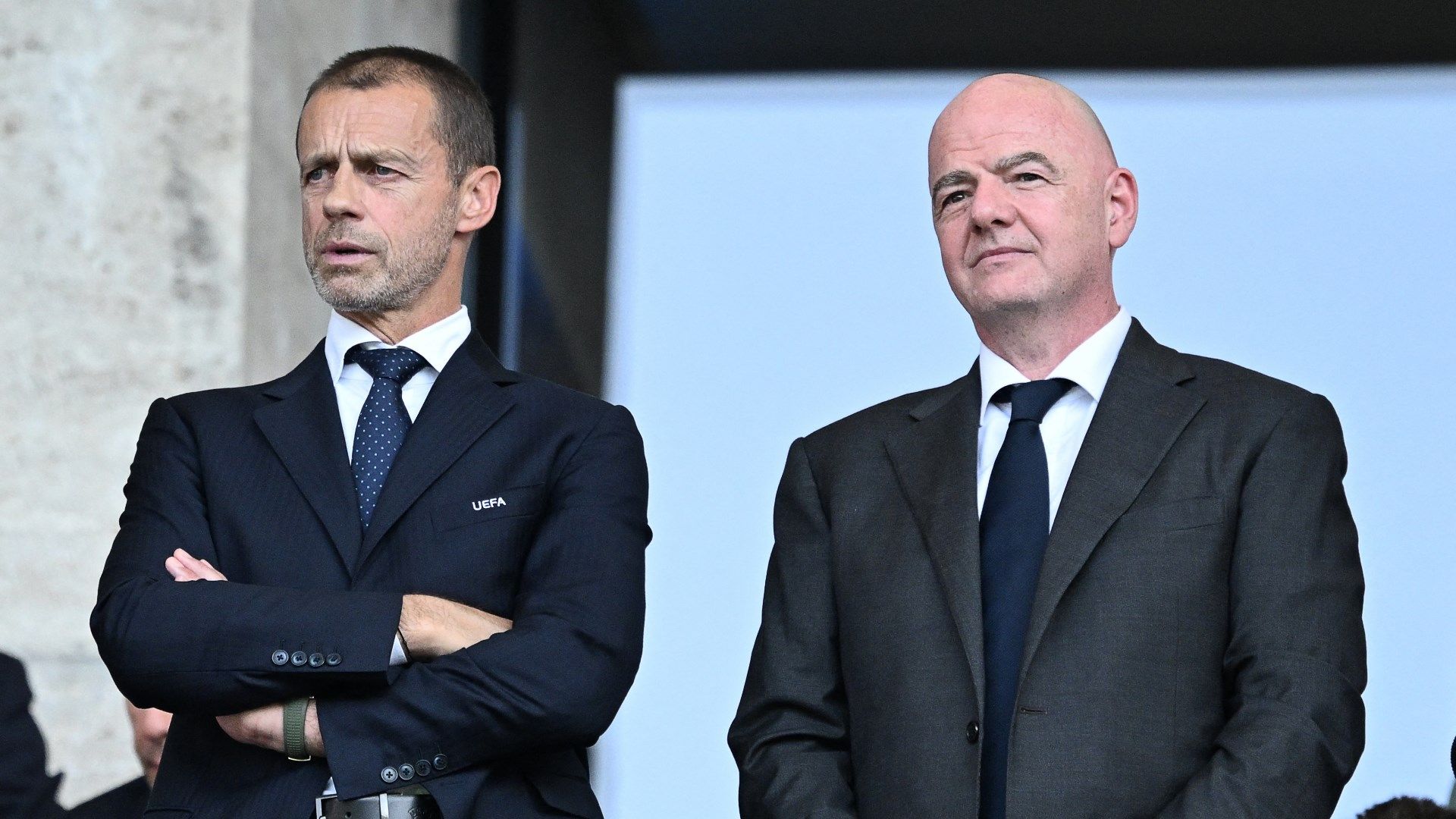
FIFA president Gianni Infantino is facing the most significant threat to his leadership yet after three of the world’s most powerful football confederations launched a scathing joint attack. In a move that has sent shockwaves through the global game, UEFA, CONCACAF, and the AFC have officially accused the governing body of "deception" following the fallout of a plan to sell off commercial rights to the World Cup.
UEFA has refused to back down in its explosive stand-off with FIFA, despite a public apology from Gianni Infantino. European football's governing body maintains that its member nations could still boycott the World Cup and other major tournaments following the controversial FIFA Forward Enterprises privatisation plot.
The civil war at the summit of global football shows no signs of abating as England and UEFA have reaffirmed their stance on a potential World Cup boycott. Despite a public apology from FIFA president Gianni Infantino regarding his controversial commercial plans, European nations remain steadfast in their opposition to his leadership.
Gianni Infantino has issued a rare public apology for the controversial proposal to sell off stakes in the World Cup to private investors. Despite the immense backlash that forced a total U-turn on the project, the embattled chief has managed to retain his position following crisis meetings in Morocco.
Gianni Infantino is set to remain in post as FIFA president despite facing unprecedented internal backlash and growing pressure to resign. Following marathon crisis talks with senior staff in Morocco on Wednesday, Infantino believes he retains sufficient political support across South America, Africa and Asia to weather the storm and resist mounting calls for his immediate departure from office.


.jpg?auto=webp&format=pjpg&width=3840&quality=60)


