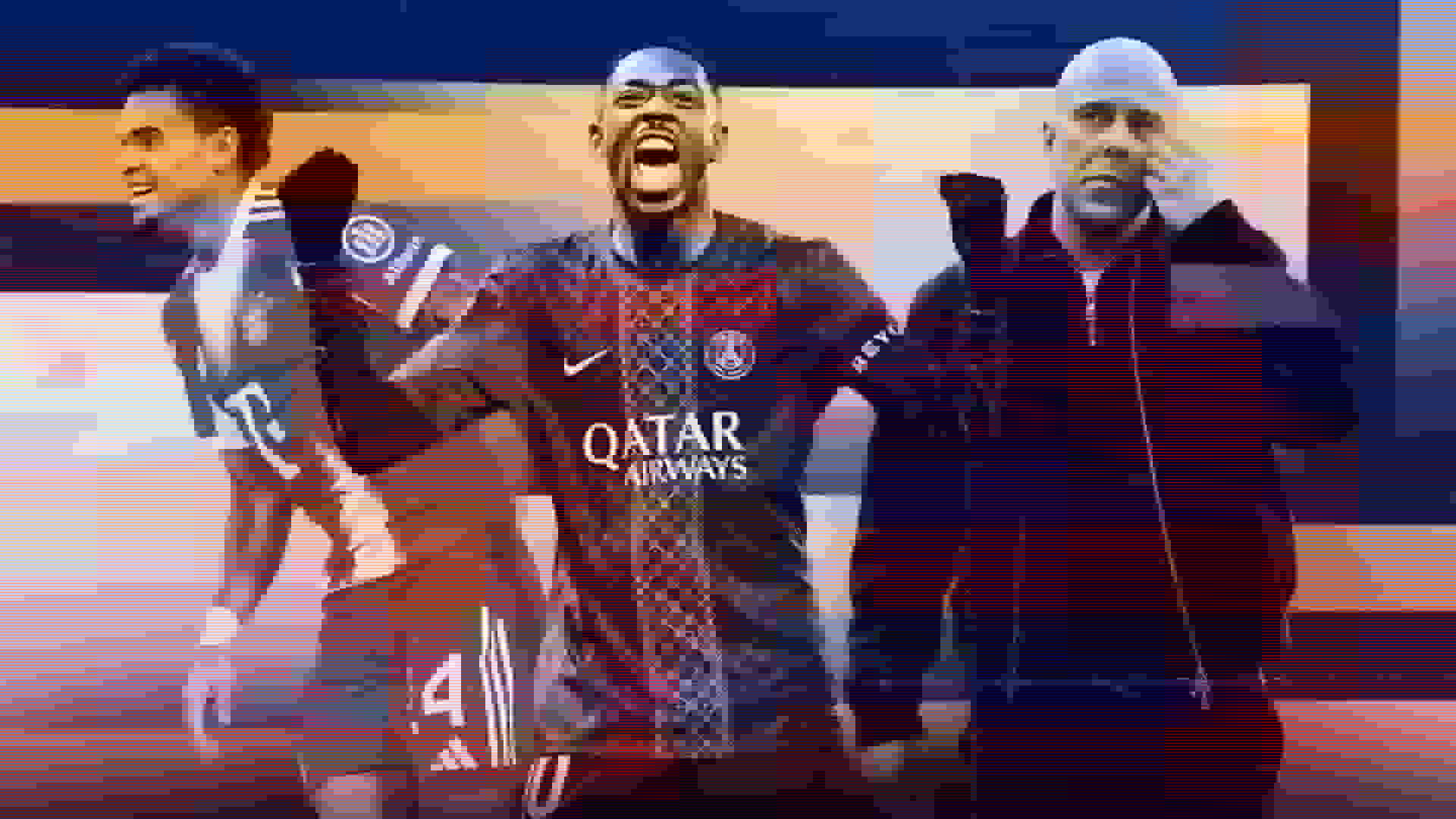
Italy captain Gianluigi Donnarumma has furiously denied reports that the national team squad demanded a lucrative financial bonus prior to their catastrophic World Cup qualifying play-off defeat to Bosnia-Herzegovina. The visibly emotional goalkeeper insists the players never prioritised money over the pride of wearing the Azzurri shirt during the devastating qualification campaign.
Gabriele Gravina may be on his way out as president of the Italian Football Federation (FIGC), but he is refusing to go quietly after Italy's latest World Cup qualification disaster. Following his resignation last week, the outgoing chief has published a scathing 11-page manifesto detailing the "structural deficiencies" that have left the Azzurri in the wilderness.
Former Italy winger Emanuele Giaccherini has endorsed Antonio Conte to take over the national team for a second time following Gennaro Gattuso’s resignation after a third consecutive World Cup qualification failure. The ex-Juventus man insists that the current Napoli boss possesses the unique leadership skills required to rebuild Italy’s shattered footballing reputation.
Having proven himself at numerous clubs… is it time for him to return to the Azzurri?
The question echoes through Italian football with renewed urgency. After guiding several clubs to silverware, the argument grows stronger that his experience and leadership could once again be vital for the national team. Supporters point to his tactical versatility, his ability to motivate players, and his deep understanding of the game as assets that could elevate the Azzurri at a critical juncture.
Critics, however, caution that past success does not automatically translate into instant results on the international stage. They argue that the national team environment demands a different kind of management style, one that balances the expectations of a football-mad nation with the realities of a crowded international calendar. Moreover, with younger coaches waiting in the wings, some wonder whether the time is right to hand the reins to a new generation.
Nonetheless, the case for his return remains
Napoli president Aurelio De Laurentiis has revealed he would allow Antonio Conte to leave the club and manage the Italian national team if requested. However, the outspoken owner doubts the move will happen, labelling the federation "completely disorganised". He believes the manager is too smart to accept the role without serious reform and a clear plan from the sport's governing body in Italy.
Manchester United, often simply referred to as "United," are one of the most iconic and successful football clubs in the world, based in Old Trafford, Greater Manchester, England. The club was founded as Newton Heath LYR Football Club in 1878 by the Lancashire and Yorkshire Railway depot at Newton Heath. The team changed its name to Manchester United in 1902 and moved to its current home, Old Trafford, in 1910.
Famous players
Manchester United have been home to some of the greatest footballers in history. Sir Bobby Charlton, a World Cup winner with England in 1966, is arguably the most iconic figure in the club's history. Other legendary players include George Best, known for his flair and skill, and Eric Cantona, who brought a winning mentality to the club during the 1990s. More recent stars like Cristiano Ronaldo, Wayne Rooney, and Paul Scholes have also contributed significantly to the club's success.
Honours
Manchester United are one of the most decorated clubs in English football, having won a record 20 Premier League titles (formerly the First Division). They have also lifted the FA Cup 12 times, the League Cup five times, and the UEFA Champions League three times. The club's dominance in English football was particularly evident during the 1990s and early 2000s under manager Sir Alex Ferguson.
Managers
Sir Alex Ferguson is undoubtedly the most successful manager in Manchester United's history. He spent 26 years at the club, leading them to an unprecedented era of success. Before Ferguson, managers like Matt Busby and Wilf McGuinness played crucial roles in shaping the club's identity. More recent managers, including David Moyes, Louis van Gaal, and José Mourinho, have faced the challenge of maintaining the club's high standards.
Stadium
Old Trafford, often referred to as the "Theatre of Dreams," is one of the most famous stadiums in the world. With a capacity of roughly 75,000, it is among the largest football stadiums in the United Kingdom. The stadium has hosted numerous major matches, including UEFA Champions League finals and FIFA World Cup matches.
Location
Manchester United are based in the city of Manchester, which is located in the northwest of England. The club's home ground, Old Trafford, is situated in the Trafford borough. Manchester is a major industrial city with a rich footballing heritage.
Owners
In February 2024, British billionaire Sir Jim Ratcliffe's company, INEOS, acquired a significant 25% stake in Manchester United. This acquisition granted Ratcliffe sporting control over the club, placing him in a position to influence key decisions related to its operations.
Ratcliffe has already made a substantial financial commitment to Manchester United. His large investments demonstrate his dedication to the club's success and his willingness to provide the necessary resources for its growth.
Frequently asked questions
Quando è nata l'Atalanta?
L'Atalanta è nata il 17 ottobre 1907, fondata da alcuni studenti liceali con il nome Società Bergamasca di Ginnastica e Sports Atletici Atalanta. Fino al 1914 la squadra giocherà però solo partite amichevoli.
Chi è il presidente dell'Atalanta?
Antonio Percassi è il presidente dell'Atalanta dal 2010. Ex calciatore della Dea e del Cesena, è a a capo della holding Odissea SRL, di cui fanno parte marchi come KIKO.
Come si chiama lo stadio dell'Atalanta?
L'Atalanta gioca le proprie gare interne a Bergamo, al Gewiss Stadium. L'impianto della Dea è chiamato anche Stadio Atleti Azzurri d'Italia ed ospita la squadra dal 1928, anno della sua inaugurazione.
Perché si chiama Atalanta?
L'Atalanta prende il nome da Atalanta, eroina della mitologia greca esperta nella caccia. Nonostante venga chiamata Dea, Atalanta non era una divinità, ma una principessa figlia di Iaso, re dell'Arcadia.
Qual'è la capienza del Gewiss Stadium?
Il Gewiss Stadium, impianto dell'Atalanta, può ospitare 24.950 spettatori. Per un periodo l'impianto di Bergamo ha ospitato anche l'Albinoleffe e l'Alzano Virescit.
L'Atalanta ha mai vinto lo Scudetto?
L'Atalanta non ha mai vinto lo Scudetto. Il più importante risultato in un singolo campionato di Serie A è il terzo posto ottenuto dal 2018 al 2020, per tre annate consecutive.
Quante coppe europee ha vinto l'Atalanta?
L'Atalanta ha vinto una coppa europea per la prima volta nella primavera del 2024, ovvero l'Europa League. La Dea è stata poi battuta nell'estate successiva in finale di Supercoppa Europea.
Quanti trofei ha vinto l'Atalanta?
L'Atalanta ha vinto due trofei nella sua storia. Prima dell'Europa League del 2024, infatti, la Dea aveva conquistato la Coppa Italia del 1963.
Perché l'Atalanta gioca in nerazzurro?
L'Atalanta gioca inizialmente in bianconero, ma dopo la fusione con la Bergamasca, squadra bianco azzurra, si scelse un colore per squadra: nero dall'Atalanta e azzurro dalla Bergamasca.
Chi ha segnato più goal nella storia dell'Atalanta?
Cristiano Doni è il giocatore con più goal nella storia dell'Atalanta. Nel corso del periodo 1998-2003 e 2006-2012 l'ex centrocampista ha segnato 112 reti con la Dea.
Chi ha giocato più partite con l'Atalanta?
Giampaolo Bellini ha giocato 435 partite con la maglia dell'Atalanta. Tra Serie A e Coppa Italia ha siglato anche 12 goal nel periodo 1998-2016.
Come è soprannominata l'Atalanta?
Oltre a squadra nerazzurra e Dea, in passato l'Atalanta è stata chiamata anche la 'Regina delle provinciali', visto che si tratta dell'unica tra le principali squadre di Serie A non aver mai vinto lo Scudetto.
Da quando l'Atalanta non gioca in Serie B?
L'Atalanta ha giocato l'ultima volta in Serie B nel 2010/2011. Nella storia la Dea ha militato nella seconda serie 34 volte, ma anche in Serie C nel 1981/1982.
Perché l'Atalanta si chiama Dea?
L'Atalanta viene chiamata Dea in virtù del suo nome, che provenie dalla mitologia greca. In realtà, però, Atalanta non era una divinità, ma 'solamente' una principessa.
Perché i giocatori e i tifosi dell'Atalanta sono orobici?
I giocatori e i tifosi dell'Atalanta vengono chiamati orobici in virtù degli orobi, antica popolazione preromana alla quale viene attribuita l'origine di Bergamo e di Como.