It has been argued that modern footballers - particularly those playing at the highest level - are more pampered and well-paid than at any previous point in the history of the game, and former Liverpool midfielder Graeme Souness was among several ex-pros to scoff at the idea of players taking strike action, not least because coaches at top teams these days have bigger squads and more substitutions to work with, making rotation far more common than it was even just 15 years ago.
"I think playing so much is the price of the ticket," the Scot told William's Hill's podcast Three Up Front. "I never felt tired when I was a player. If you’re winning all the time, that means that you’ll play more games. If you're Manchester City and, in a big club, you’ve got 40 people in your squad to use."
Former Bayern striker and CEO Karl Heinz-Rummenigge also essentially claimed that the game's elite players have essentially contributed to their own downfall.
"I understand this discussion [over the match calendar] but the players and their agents have manoeuvred themselves into this trap," the German told Kicker. "By demanding ever more and ever higher salaries, they are forcing the clubs to generate ever higher revenues. And where does this revenue come from? Through more games. That is why I'm saying that we should sit down with all those involved and discuss, without emotion, what mechanisms we need to put in place to bring back more rational times [in terms of fixtures and salaries]."
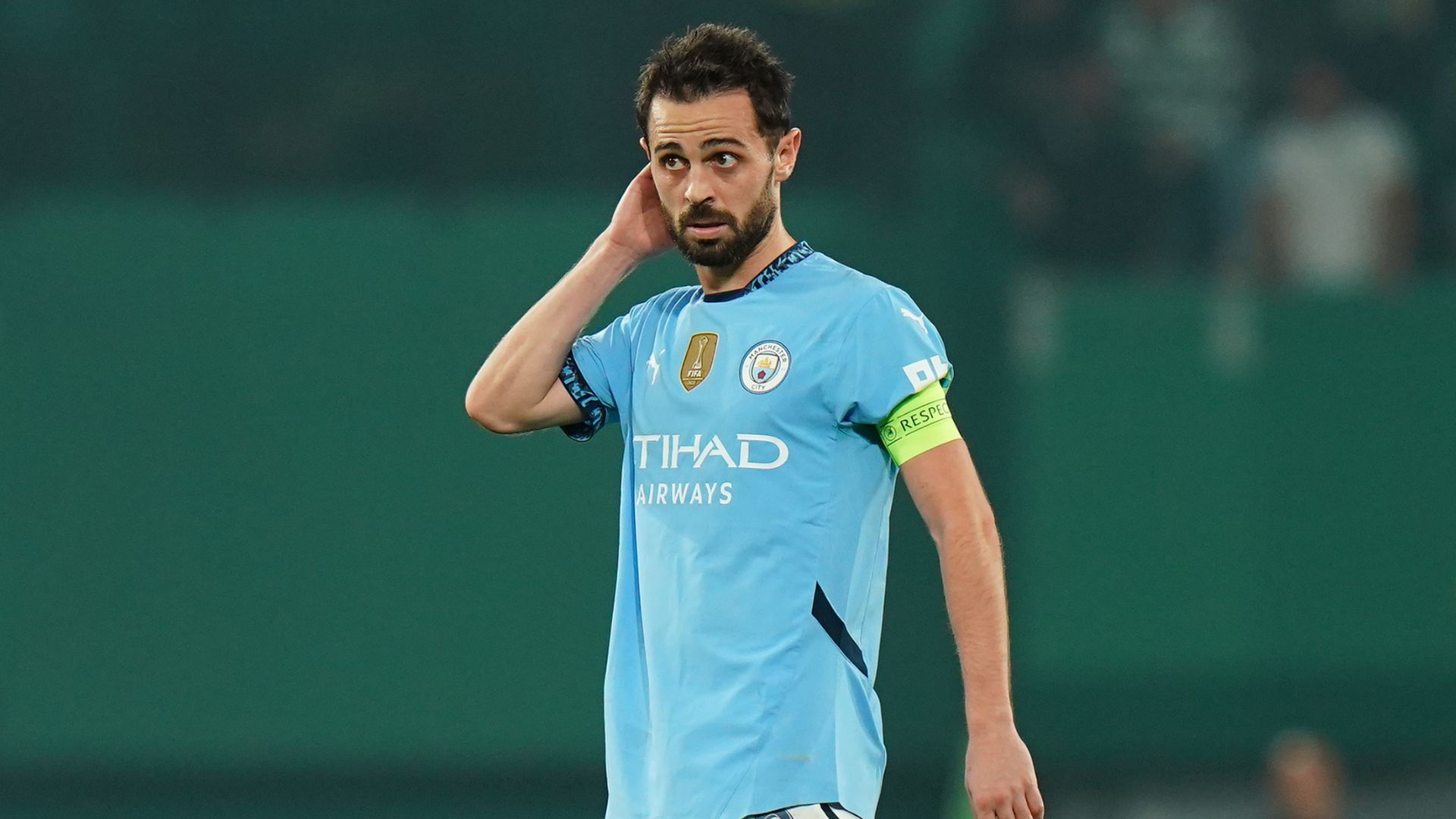
It is worth noting, though, that the likes of Bernardo Silva and others have openly admitted that they are very fortunate to be able to make an incredible living playing the game they love - while at the same time pointing out that players are under more pressure and public scrutiny than ever before yet afforded less and less free time to spend with family and friends, meaning they now feel just as overwhelmed mentally as they do physically.
"Some of the reports we're doing now are starting to take into consideration squad inclusions too," Molango tells GOAL. "Last year, Phil Foden played about 75 games - which is a lot - but he was also included in an additional six or seven squads, so that means you still travel with the team, you prepare as normal, you return home late, which disrupts sleep patterns. And I think there's sometimes a lack of understanding of how things are for footballers from day to day, and how much physical and mental pressure they're under.
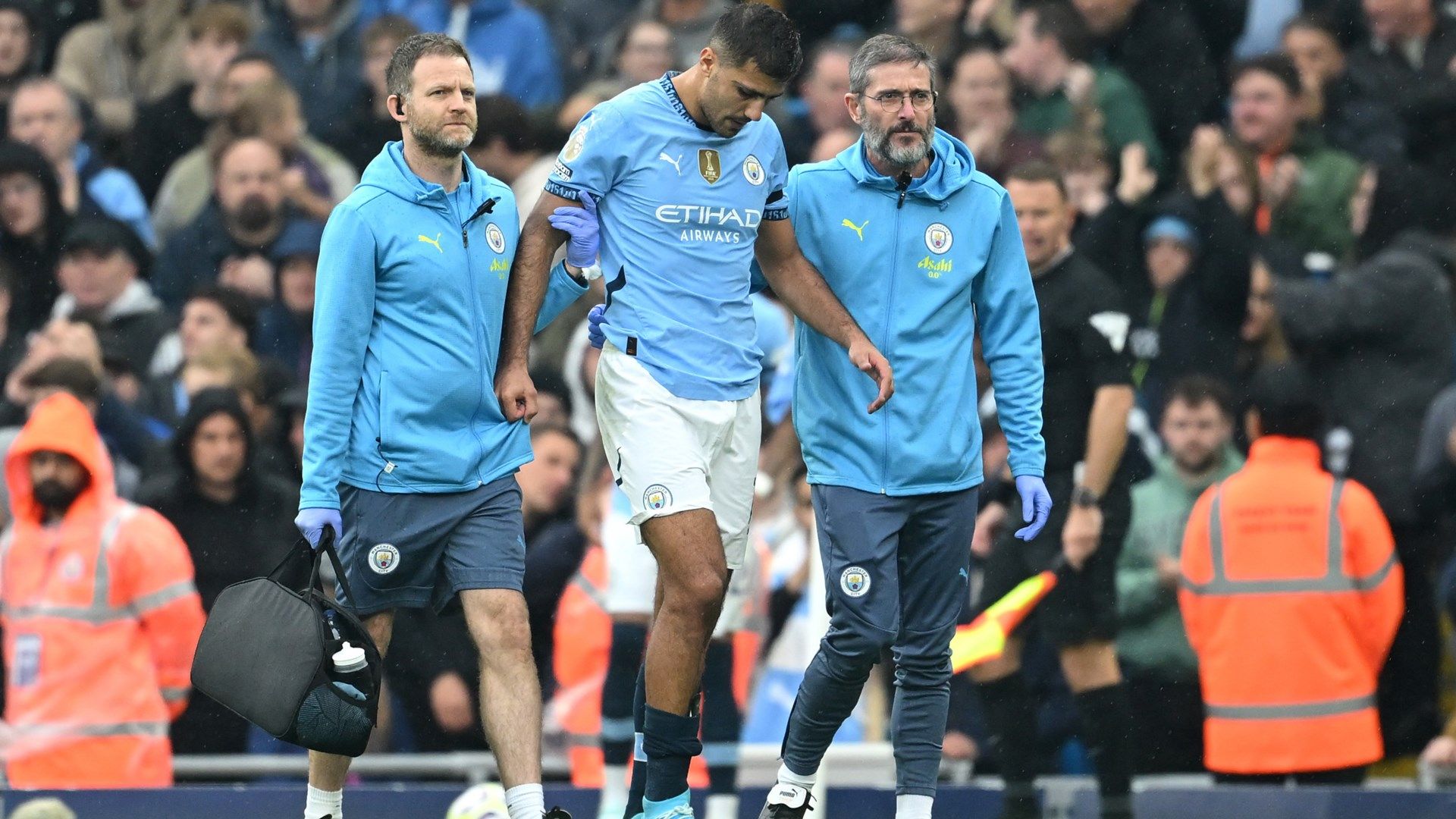
"The players at the top are the first to admit that they're in a very privileged position. They've been able to turn their passion into their profession. They love the game and they want to play every game. And many do. But sometimes they have to be protected from themselves because they're so competitive and we're very concerned about the long-term effects of this excessive workload because all the money in the world can't buy you an extra lung to deal with the demands of modern football!"
Bielefeld also claims that the elite medical teams employed by Europe's biggest clubs are being hindered in their work by an international match schedule that is "running players into the ground".
"There's just not enough time for them to properly play their part," he says, "and that's why we need to address this at the governance level. The entire industry has been extremely dismissive on the matter of player welfare because health and safety was interfering with their way of conducting business. Nobody wanted to be restricted in terms of how they schedule matches and how they sell commercial rights by promising the availability of star players.
"We've seen some governing bodies dismiss what the players are talking about and we've seen the comments about their privileged position, wealth and earnings. We've seen governing bodies and leagues pointing out what percentage of the games they're organising in an attempt to argue that they don't bear any great responsibility for the workload. It just comes across as a justification to not do anything about the schedule. But this is a responsibility that you just cannot get away from."
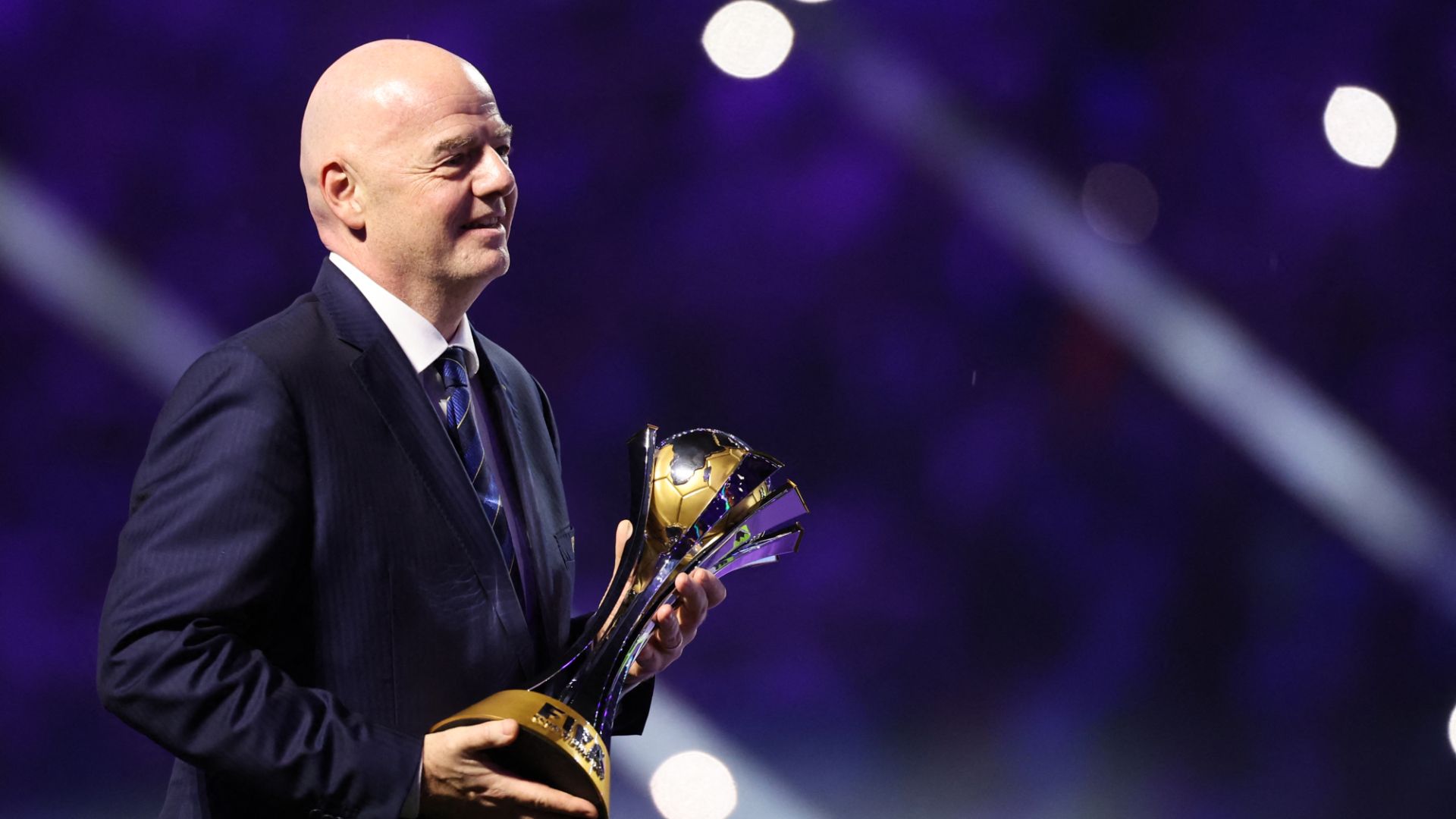
Indeed, FIFPRO believes that FIFA will have to make concessions sooner or later, and one way or another.


.jpg?auto=webp&format=pjpg&width=3840&quality=60)

.jpg?auto=webp&format=pjpg&width=3840&quality=60)

.jpg?auto=webp&format=pjpg&width=3840&quality=60)