
Sin bins split Getty Images

Should the Premier League introduce sin-bins? Why the 'disgraceful' proposal might help stamp out the 'cancer that kills football'

IFAB. An acronym that strikes fear into the heart of football fans like little else. Over the past few years the International Football Association Board have been cursed with an insatiable itch to fiddle with the laws of the game. And, in many cases, we've ended up in a more confusing situation than ever.

They aren't done yet, either. This week, after IFAB's latest meeting, they announced the intention to improve VAR, ban players other than the team captain from speaking from the referee, tweak the much-maligned handball law (again), as well as crack down on players not taking penalties on the spot and introduce semi-automated offside decisions.

By far and away the potential new rule that attracted the most attention, however, was the proposed adoption of 10-minute, rugby-style sin-bins for certain offences, including dissent and professional fouls. There was also some discussion about the punishment being used for 'orange card' offences that seem worse than a caution, but don't warrant a player being sent off.

These trials could start as early as next season, with the Premier League, Women's Super League and FA Cup among the competitions being considered as testing grounds.


  • Mark Bullingham Getty Images

    What are IFAB actually proposing?

    Mark Bullingham, Football Association chief executive and IFAB director, explained: "The areas we were looking at were dissent... We’ve also spoken about other areas, particularly tactical fouls. I think frustration for fans when they’re watching games when they see a promising counter-attack that’s ruined by that – and the question of whether a yellow card is sufficient for that – has led to us looking at whether that should be involved in the protocol as well."

    He added: “Some players do commit a foul – I know people call it a tactical foul, cynical foul, professional foul, but a foul that prevents a promising attack – and they do it consciously, knowing they’re going to get a yellow card, and we think that really breaks up the game. So, would they not do it if they felt there was going to be a sin-bin?

    "I think with all of these things, success of sin bins in grassroots game has been prevention, rather than cure. You get to a point where players know the threat of sin-bins and, therefore, don’t transgress. And we would hope that it would make the same change."

    Legendary official and now FIFA refereeing chief Pierluigi Collina, who was also at the IFAB meeting, echoed Bullingham's desire for a considered clampdown on dissent, warning that unruly players "might be the cancer that kills football". They were strong words - and the reaction in the game to the introduction of sin-bins has been similarly forthright.

  • Advertisement
  • Curtis Jones Liverpool 2023-24Getty Images

    Typically-measured reaction...

    "Pathetic," that was Paul Merson's one-word verdict on the proposed introduction of sin-bins. He later elaborated in his Sky Sports column: "In rugby union, you go down to 14 players, the other team's looking at scoring seven to 10 points. It's a massive advantage. You put someone in the sin-bin in football for 10 minutes, you're killing the game. You'd get 10 players sitting behind the ball the whole time, it'd be the most boring football ever. It's an absolute waste of time."

    Merson's concerns about sin-bins spoiling the Premier League's spectacle are shared by Chelsea icon John Terry. Earlier this week, he posted on X: "What will happen is the team that goes down to 10 men for three minutes will go into a low block and make it difficult to break down, which will become boring for every one watching!"

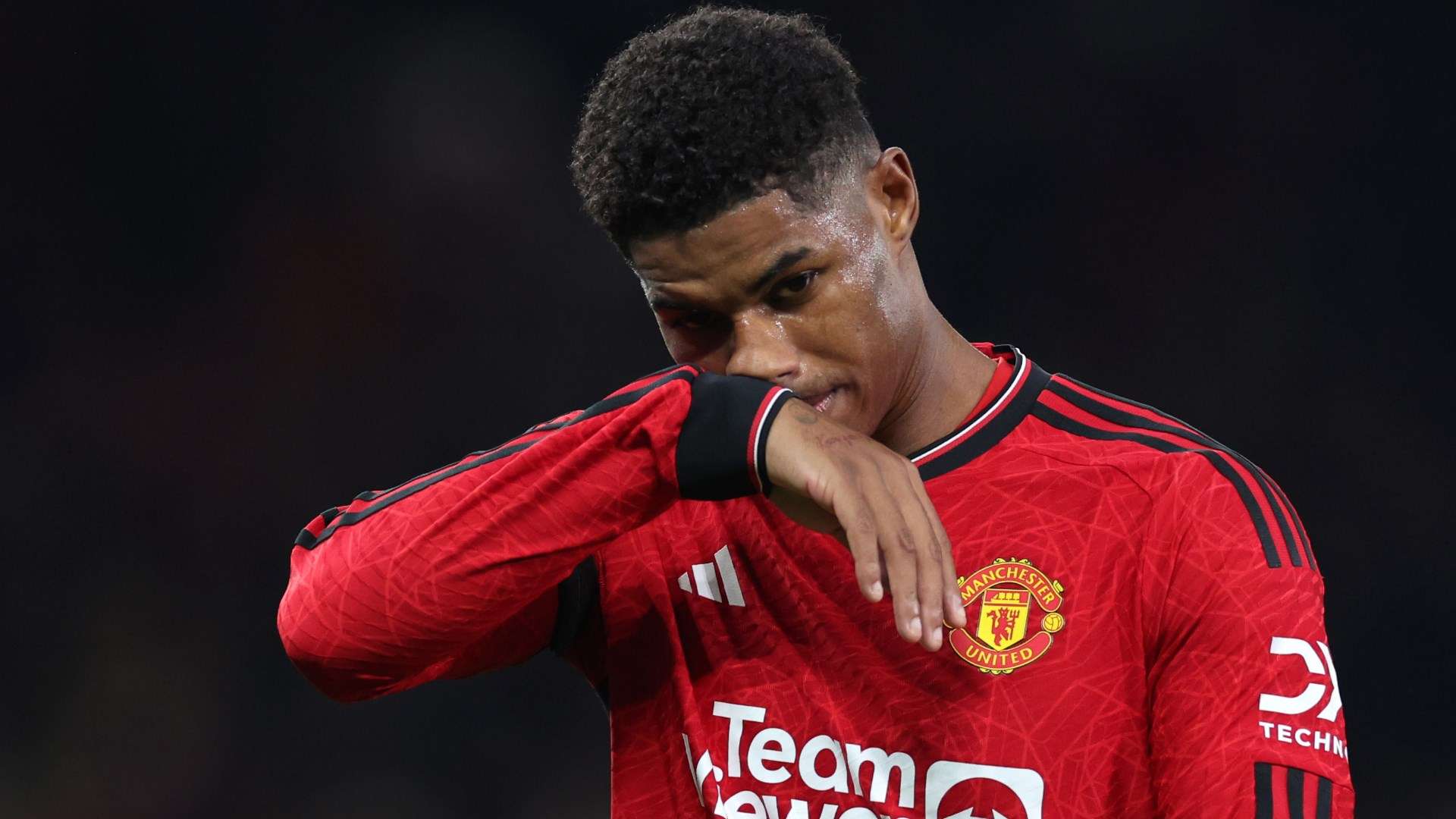
    Jamie Carragher did provide a dissenting voice, at least, coming out in favour of its introduction - and even citing some examples of when sin-bins might have been beneficial. "I’ve never been a fan of sin-bins before, but we are watching too many games that have red cards and for me it ruins the game," he wrote on X. "A couple of instances this season where something feels more than a yellow but a red feels harsh are Marcus Rashford and Curtis Jones. Also a lot of people were not happy with yellow for [Kai] Havertz/[Bruno] Guimaraes, but I wouldn’t want red for those so the orange card could be the sin-bin."

  • Rashford-Man-Utd-2023-24Getty

    Probably a place sin-bins in football

    The Rashford incident Carragher was referring to occured in Manchester United's recent Champions League defeat to Copenhagen. The forward's studs did rake down Elias Jelert's ankle, but the replays suggested that he did not see the defender approaching. It was dangerous and could have done some serious harm, but the lack of intent might make the foul a prime 'orange card' contender.

    Incidents similar to Havertz's out-of-control lunge and Guimaraes cynical off-the-ball barge, which both occurred in Arsenal's defeat to Newcastle earlier this month, might be punishable by a 10-minute sin-bin in the future too, as could those like Jones' October dismissal against Spurs.

    Professional fouls that thwart a promising attack are another offence that seem well-suited to the 'orange card'. Teams who play high up the pitch often use this cynical ploy when their press has been beaten, or their opponent has left them exposed in transition, with Pep Guardiola's Manchester City recognised as the masters of this dark art. Giorgio Chiellini's shameless shirt pull on Bukayo Saka in the Euro 2020 final is another prime example.

    The option of sending a player off temporarily would equip the referee with another means of controlling the game. Could it help stifle the seemingly-endless debate over marginal red cards? We live in hope, but it might just be another case of shifting the goalposts, as occurred following the introduction of VAR.

  • Grassroots football EnglandGetty Images

    Sin-bins are nothing new in the grassroots game

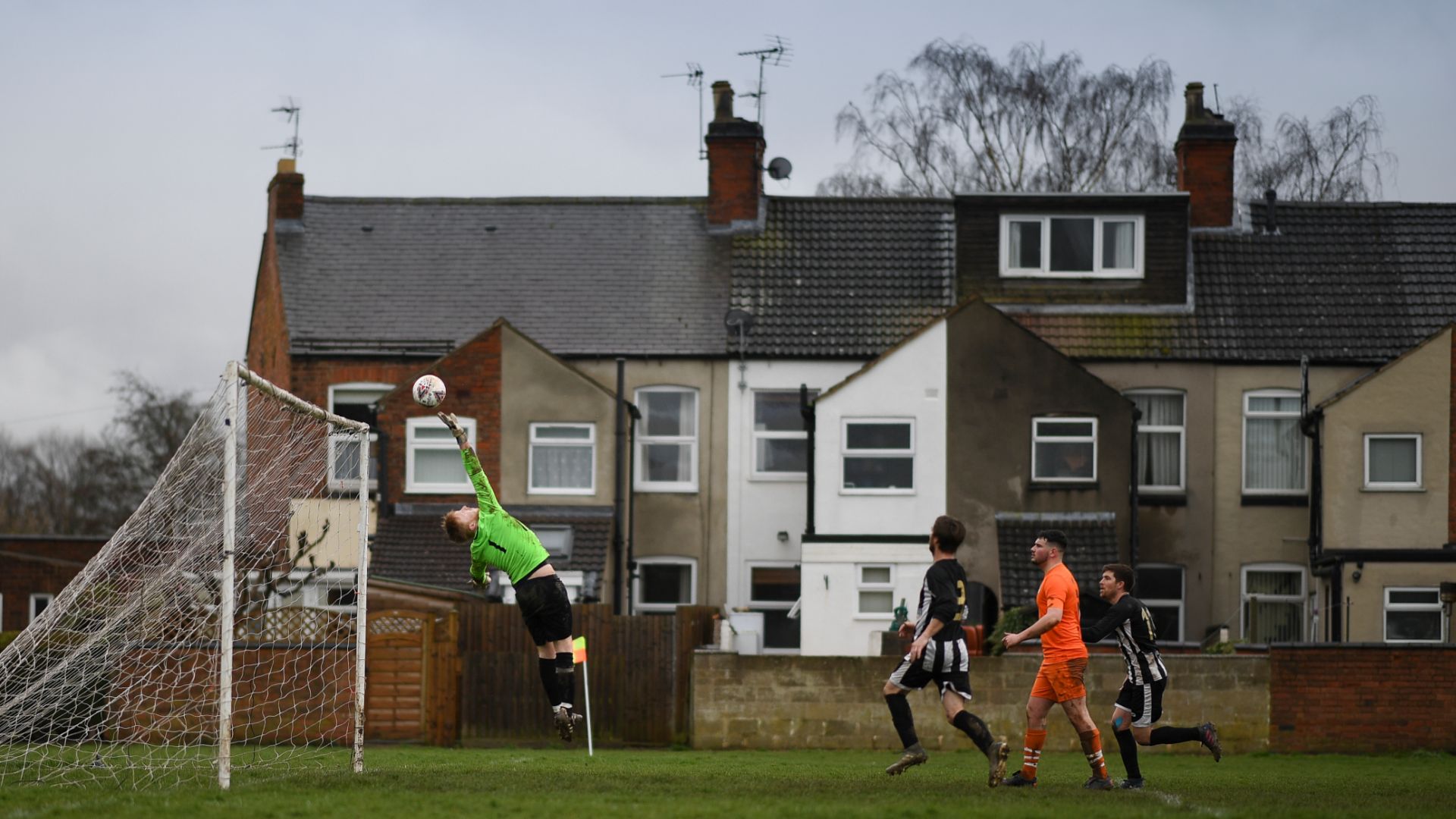
    The principle aim of sin-bins is not to clear up red card confusion, though. It's tackling dissent. The punishment was introduced to all leagues from the ninth level (Step Five) downwards in the English football pyramid for the 2019-20 season, and Bullingham recently claimed that the trial has been "very, very successful" in reducing levels of dissent.

    But not everyone has been impressed. Baffins Milton Rovers play in the Wessex Premier League, eight levels below the top-flight, and their assistant manager, Dan Binks, told GOAL: "Sin-bins don’t work at our level. There's zero consistency with it and I’ve seen many times a player get sin-binned, go off for 10 minutes on the side, only to get even more wound up and nail the first bloke in a tackle after coming back on. My personal discipline record with refs isn’t great so I try not to avoid them. But it’s just a system that’s not helping."

    He added: "Dissent is a problem and I’ll be the first to admit that. But sending someone off for 10 mins is pointless. If it’s that bad, show them a red and get on with the game."

    Pat Suraci, joint-head coach at high-flying seventh-tier side Gosport Borough, who was subject to the sin-bin rules during his time at Petersfield Town, has also raised concerns. "The laws on what’s a booking, red card or penalty seem so disjointed. So I think there will be inconsistency in what’s deemed worthy of a sin-bin. It's would also create extra focus on officials decisions, which already seems to be the main talking point around games now.

    "From my own experience, if officials were able to communicate in a more respectful manner with players and coaches instead of being arrogant a lot of the time, then it wouldn’t even be needed. On the other hand, I’ve seen a lot of managers being excessively aggressive and abusive towards officials."

  • Micky van de Ven injury Tottenham 2023-24Getty

    Player welfare issue?

    Suraci and his fellow head coach, Joe Lea, also highlighted another potential issue with players being forced to head to the sidelines for 10 minutes: injuries. "Also I’m sure there would be a question around injury risk for players that have to wait around. Will they be allowed to continue warming-up?" Suraci added.

    It's an interesting point, and something that Ange Postecoglou touched on following Tottenham's recent defeat to Chelsea. During that insane game, there was 21 minutes of additional time played, largely due to the deluge of VAR stoppages required. After the match Postecoglou hinted that the stop-start nature of the contest might have contributed to Micky van de Ven's hamstring injury - a knock which has significantly contributed to Spurs' season being derailed.

    Those at the top level are already being forced into playing far too much high-intensity football - and they are paying for it with a concerning spike in muscle injuries. Is adding another potentially-damaging ingredient into the mix really the way forward? It's something that needs to be looked at closely if any sort of trial goes ahead in the Premier League.

  • Howard WebbGETTY

    Something needs to change

    Clearly then, there are issues that need to be ironed out before the wholesale introduction of sin-bins. However, something does need to change - and fast.

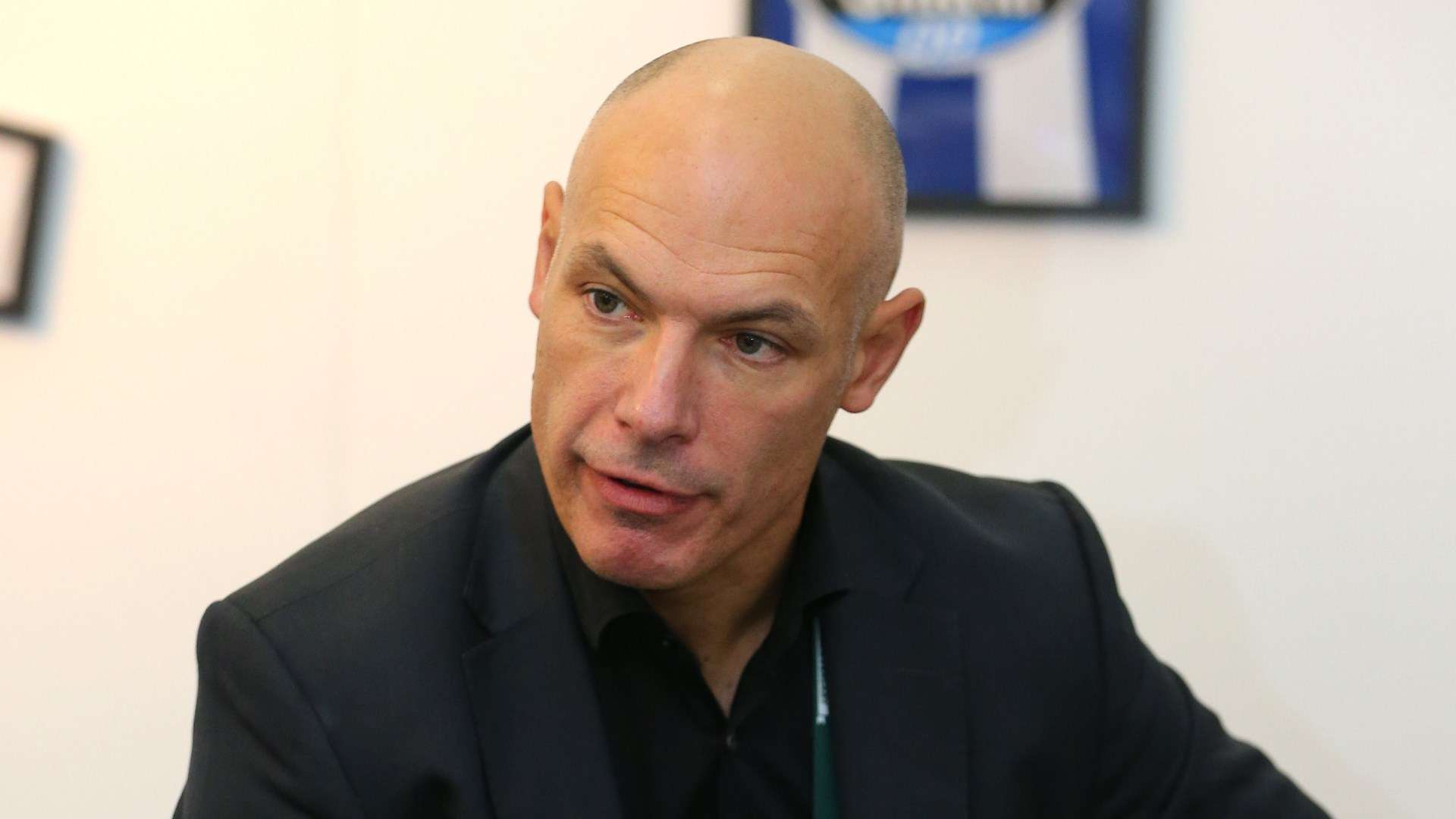
    Across the globe, the treatment of match officials at all levels is nowhere near good enough. Despite PGMOL chief Howard Webb boldly claiming at the beginning of the season that teams would be punished for surrounding the referee, it's a sight that continues to plague the game at the top level. Most recently, England international Lewis Dunk - whose club manager Roberto De Zerbi recently said he didn't like 80 percent of English officials - was sent off for "offensive, insulting or abusive language".

    And these poor standards are dripping down to the grassroots game, with horrifying consequences. England is currently dealing with a concerning refereeing shortage largely caused by the sickening abuse officials have to deal with.

    Speaking to the Daily Mailrecently, former ref Rhys Baldwin revealed: "The amount of abuse is insane. I have so many stories of abuse. I've had knives pulled on me, I've had people try and get me fired from my job, I've had my car keyed. I've been stopped on the street and screamed at for a good 15 minutes in front of all my friends. That was when I was 16, I had that happen."

    He sadly added: "I'd lost love of refereeing years before and I just kind of did it for the money for a little while, but the money isn't even worth it to be honest."

    If the introduction of sin-bins can help fester a better example of respect in the Premier League, it's surely worth trying out. It's an imperfect solution, but provided it's introduced with caution and monitored properly, it can end up being a positive thing for the game as a whole.