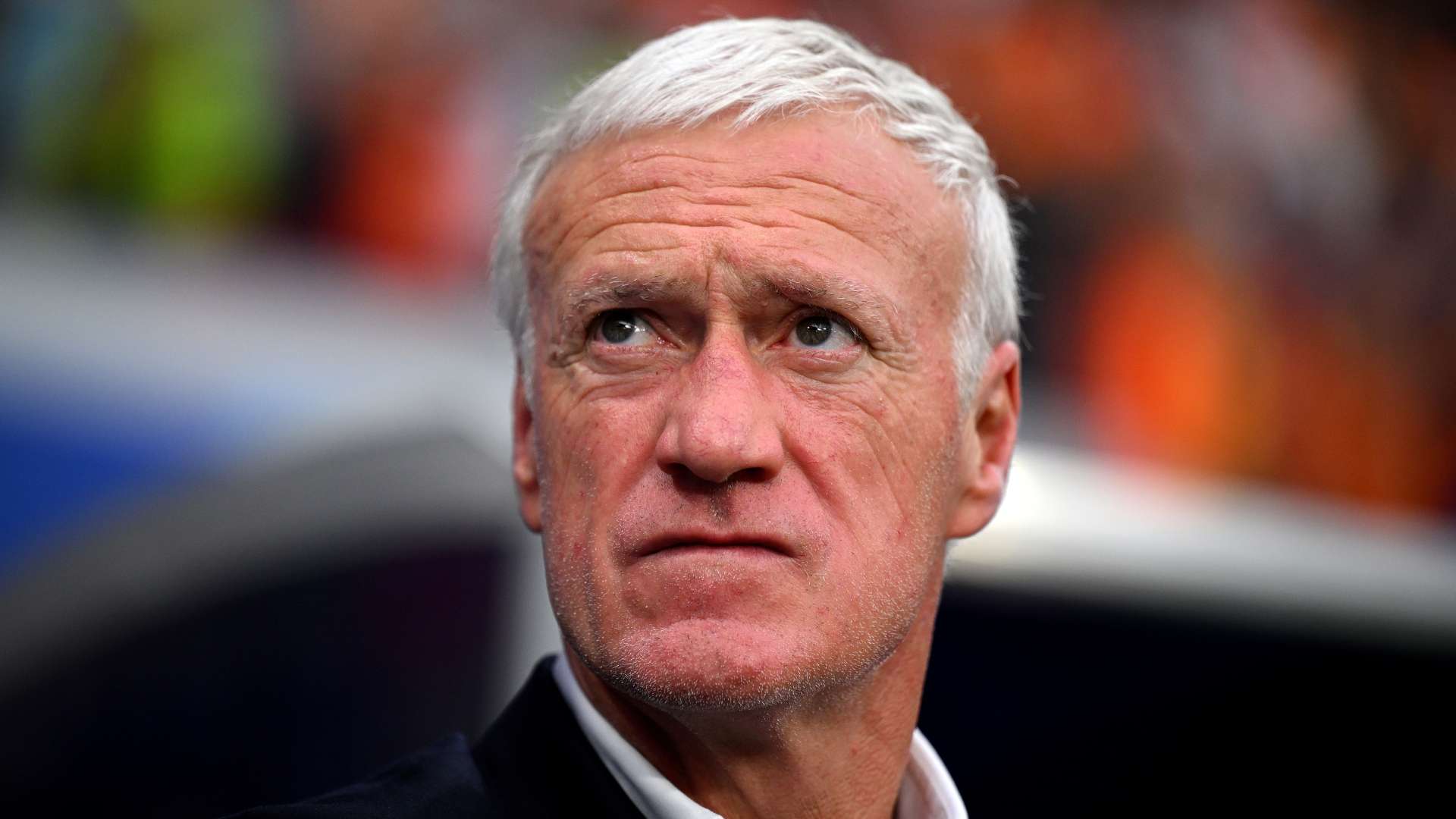
The bottom line, though, is that no matter what Deschamps decides, we can expect more of the same from France. The personnel might change, maybe even the formation too, but the safety-first philosophy will not.
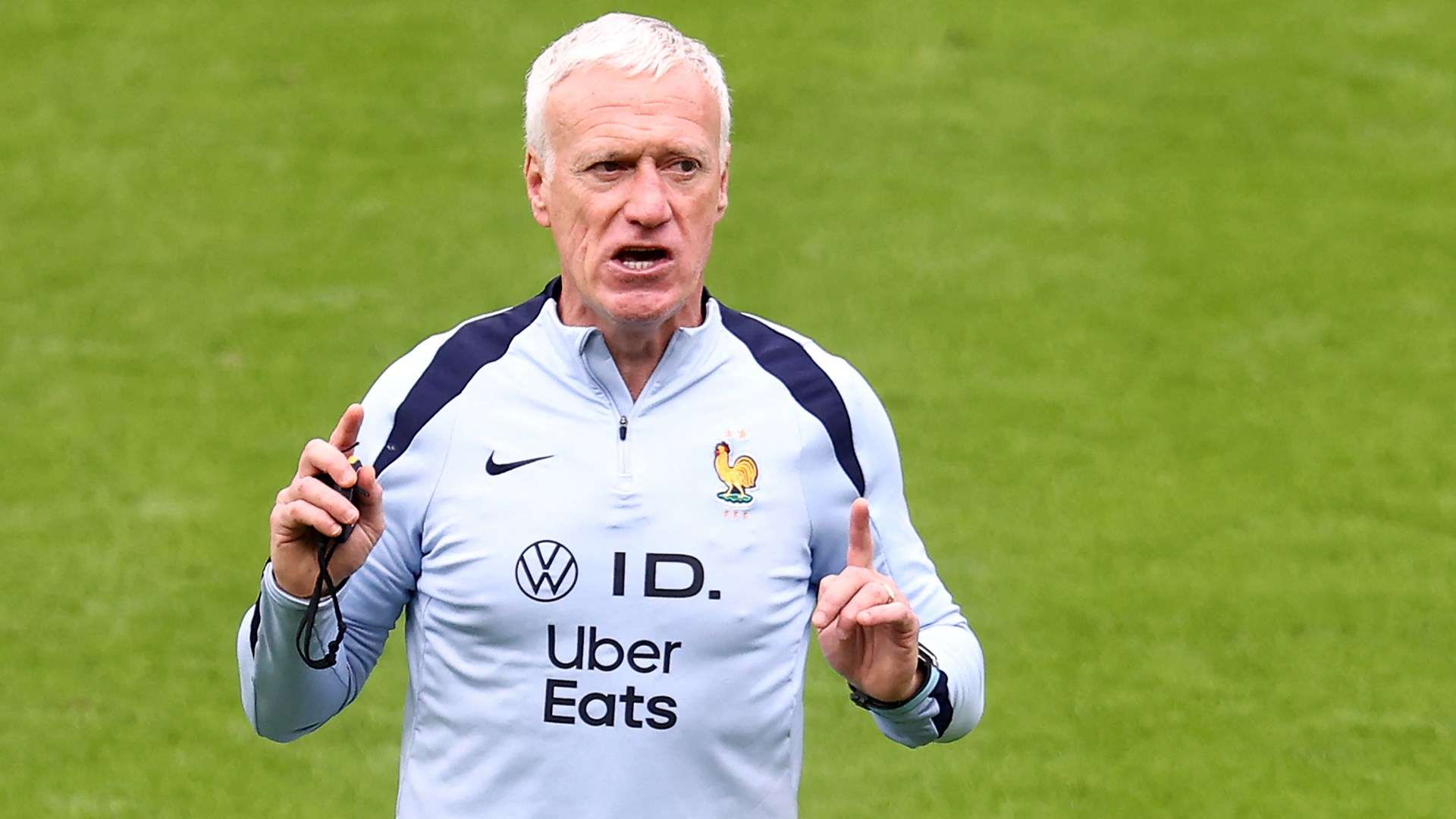
The calls for a more positive approach go back years now, but Deschamps has already remained defiant. "We could change it up," he said after the 2018 World Cup, "but it's risky." And Deschamps doesn't do "risky"; he does repetition, which is tough to watch but even harder to beat.
Part of that is down to the fact that the players remain fully committed to their coach and his methods. There have been no murmurings of dressing-room discontent, no evidence of frustration with the game-plan.
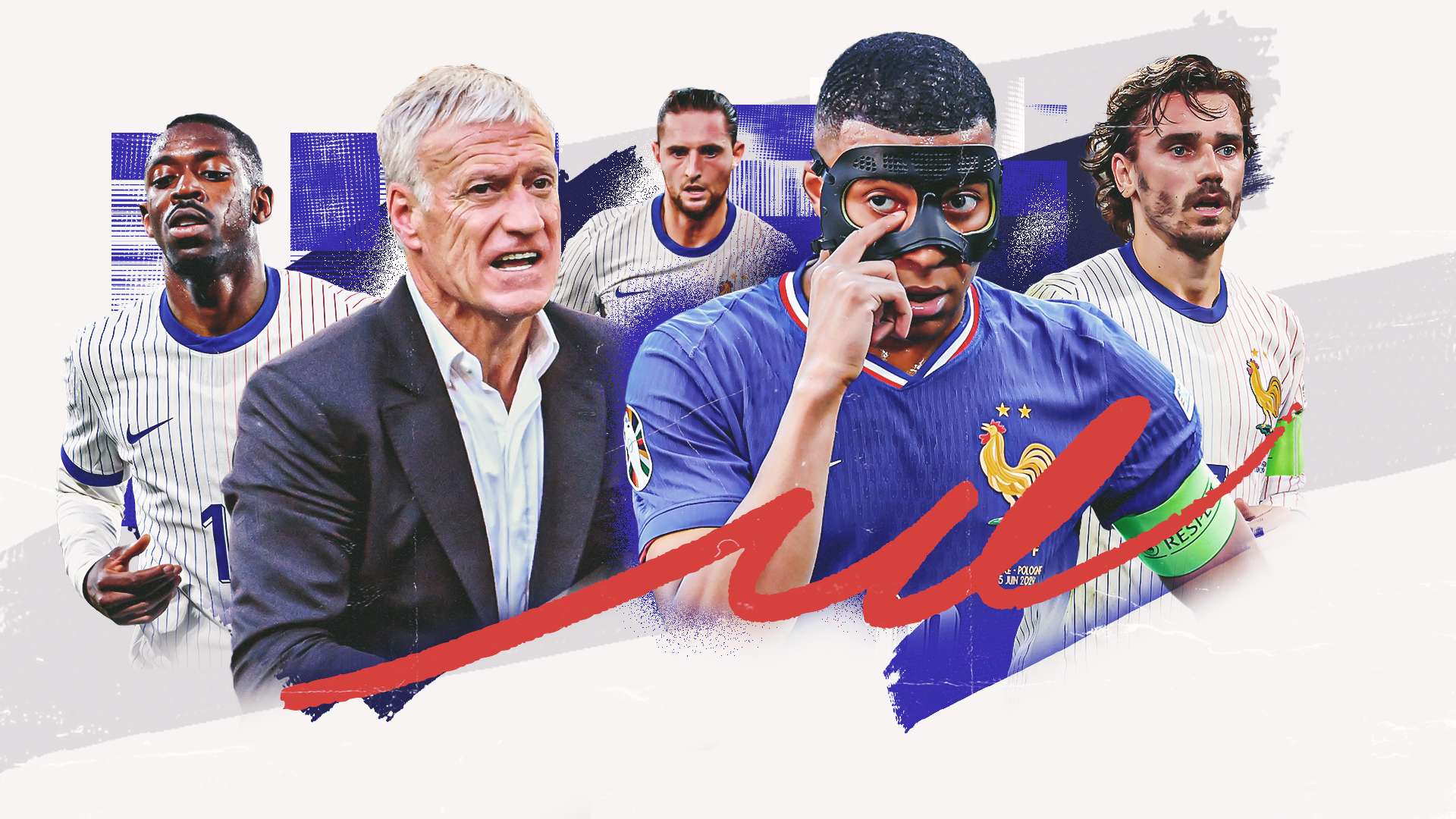
Griezmann, for example, says he has no issue being asked to perform a role to which he is utterly unsuited, and even did a passable Deschamps impression while justifying France's tactics against Belgium. "Without a great defence," the attacker told beIN Sports, "you can't go far." Rabiot, meanwhile, says the players would be "fine" with continuing to play as they are if it leads to them lifting the trophy in Berlin on Sunday week. "It only takes one goal to win," the midfielder told RMC Sport.
As for Saliba, he is clearly more frustrated with having to defend Deschamps, than follow his instructions. "We are such a strong team, a compact and solid block," he told ESPN. "People don't realise how difficult it is to play against us, how hard we make it for the opposition."
They're quite hard to watch too, though. That's the sad thing. France could be wonderful exponents of 'The Beautiful Game' but their coach is content to eke out ugly wins because, at the end of the day, Deschamps really doesn't care about credit; he just wants to win.
In his eyes, the end always justifies the means - even if that means leaving everyone else at their wit's end.



.jpg?auto=webp&format=pjpg&width=3840&quality=60)
.png?auto=webp&format=pjpg&width=3840&quality=60)