
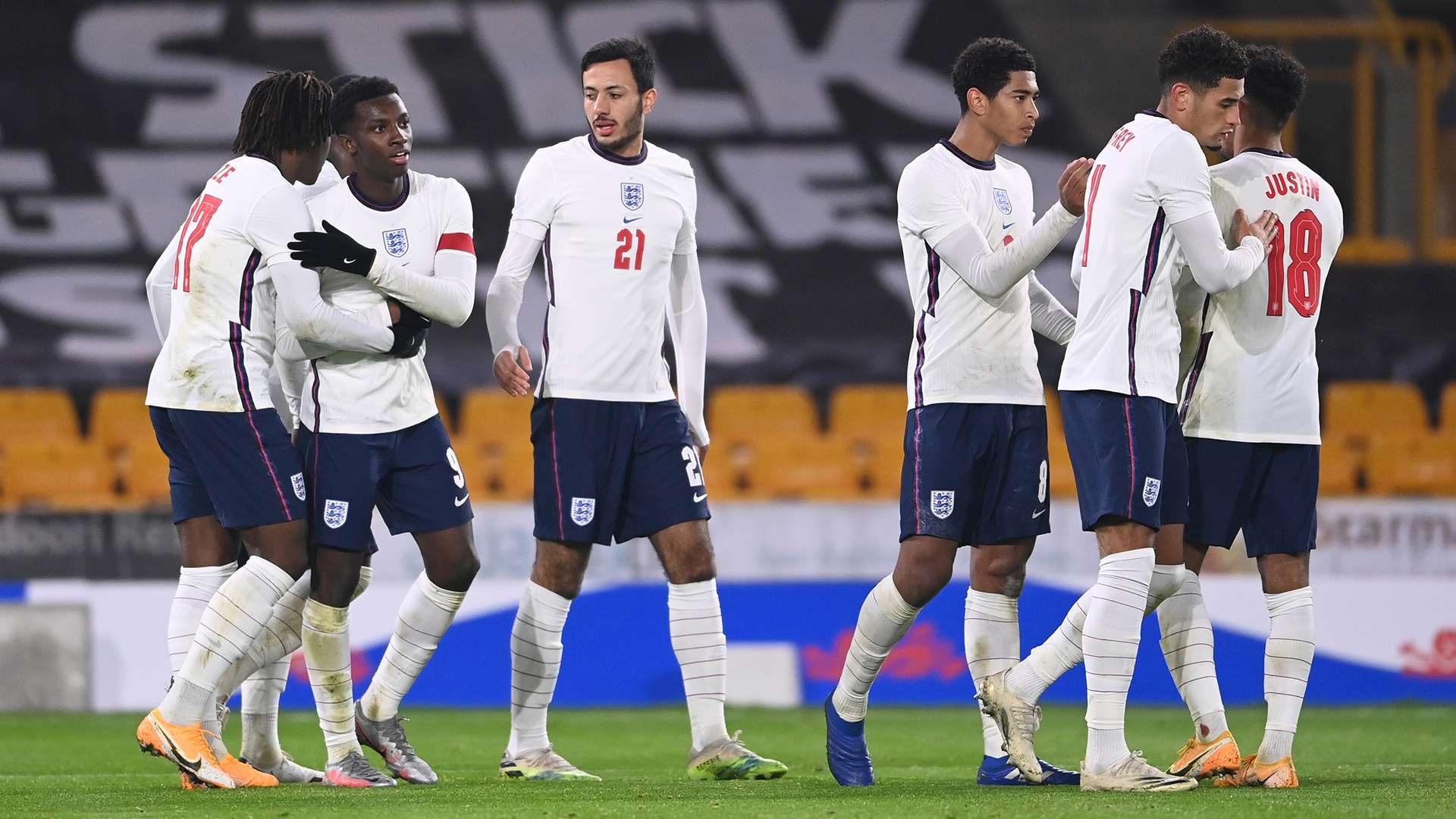
Former Birmingham City defender and current England U21 assistant Michael Johnson has discussed the need to challenge systemic racism in football, while admitting he doesn't see "a diverse England manager happening in the near future".
The Black Lives Matter movement has had a far-reaching impact on societies across the globe, with mass protests and demonstrations undertaken in a bid to affect significant change.
Football has offered its support to the cause, with players taking a knee in a display of solidarity becoming a pre-match occurrence since the resumption of the sport post-coronavirus lockdown.
Black History Month has given the movement even greater traction in October, and clubs across the Premier League have celebrated with a whole host of different events and activities to raise awareness.
Johnson, who is with England's U21s after previously managing Guyana and Notts County, is excited by the progress being made in the ongoing fight against racism in football, but says there is still much to be done in terms of bringing through talented black coaches at the highest level.
The England U21 assistant coach opened up to DAZN on his experiences as a Black coach in the modern game, before highlighting a lack of opportunities for those from ethnic and minority backgrounds.
“I was coaching at a club, looking after a very successful youth team. One day I was called into the management’s office informing me they were going to make a change with my position," he said.
“It wasn’t about the results because the team were doing well, and they were enjoying their football, but I was told they were relieving me of my duties. My replacement had no footballing experience and had the minimum licence as a coach.
“In football, there’s 33 per cent of BAME [Black, Asian, and minority ethnic] players across the leagues. However, when you transition to coaching and management, the disparity drops off – with only four Black managers out of 92.
"Once you go into senior leadership, it drops even lower to two per cent. You can see quite clearly that once you leave the game, the 33 per cent of players aren’t transitioning into coaching, management or leadership.
“The recruitment process needs to be open, fair and transparent. These jobs need to be advertised publicly so people who are qualified can apply, rather than via a network. The pipeline [of talent] is there. The pipeline is just frustrated because opportunities to be exposed to the top clubs and interviews are not forthcoming.
“[As a result] the clubs have missed out on talent. There’s talented managers and coaches who could have added to that industry, but you’ll never know, because the network didn’t allow people like me to access those opportunities. We believe football has missed out on a generation of talented coaches.”
Johnson went on to discuss common racial stereotypes in the modern game, using Inter striker Romelu Lukaku as an example of a player who doesn't get the recognition he deserves.
“When you look at someone like Lukaku, he’s often described as powerful and strong, but no-one mentions that he speaks six languages, or he’s got three Master’s degrees – he’s a very articulate man. But this is not associated with Black players because it’s always around their physicality," he said.
“When it comes to Black athletes, the terminology has not changed fast enough, which makes it difficult to translate into the boardroom. The language that we use to describe Black players in particular needs to be looked at and challenged.”
Johnson doesn't think a black manager will be taking charge of England's senior squad any time soon, but he is optimistic that diversity will become more widespread in the coming years.
“For the first time in 30 years, I’m excited to see what the next six weeks will bring in terms of football embracing real change," he said.
“I don’t see a diverse England manager happening in the near future. But ultimately, I think it will happen. Based on whoever’s coaching in the Premier League – if the results are doing well, and the style of football is doing well, then it shouldn’t matter about being Black, white, or a certain gender.”
Johnson added on the significance of his role with the Three Lions: "First of all I’m a coach and want to be known as a really great coach. Beyond those parameters, with such a diverse workforce in the England team, it’s great for the players to know that there is somebody like me in a prominent coaching position so they can aspire to be someone.”