Juventus v Lecce - Serie AGetty Images Sport

The ultimate guide to football positions: Understanding the roles on the pitch

Football, the beautiful game, is a symphony of movement, skill, and tactical nous. But behind the flowing attacks and last-ditch tackles lies a carefully constructed framework of positions, each with its own unique responsibilities.

Whether you're a seasoned supporter or a curious newcomer, understanding the roles within a football team is key to appreciating the tactical intricacies of the sport.

This comprehensive guide will break down each position, exploring their duties and how they contribute to the team's overall strategy.
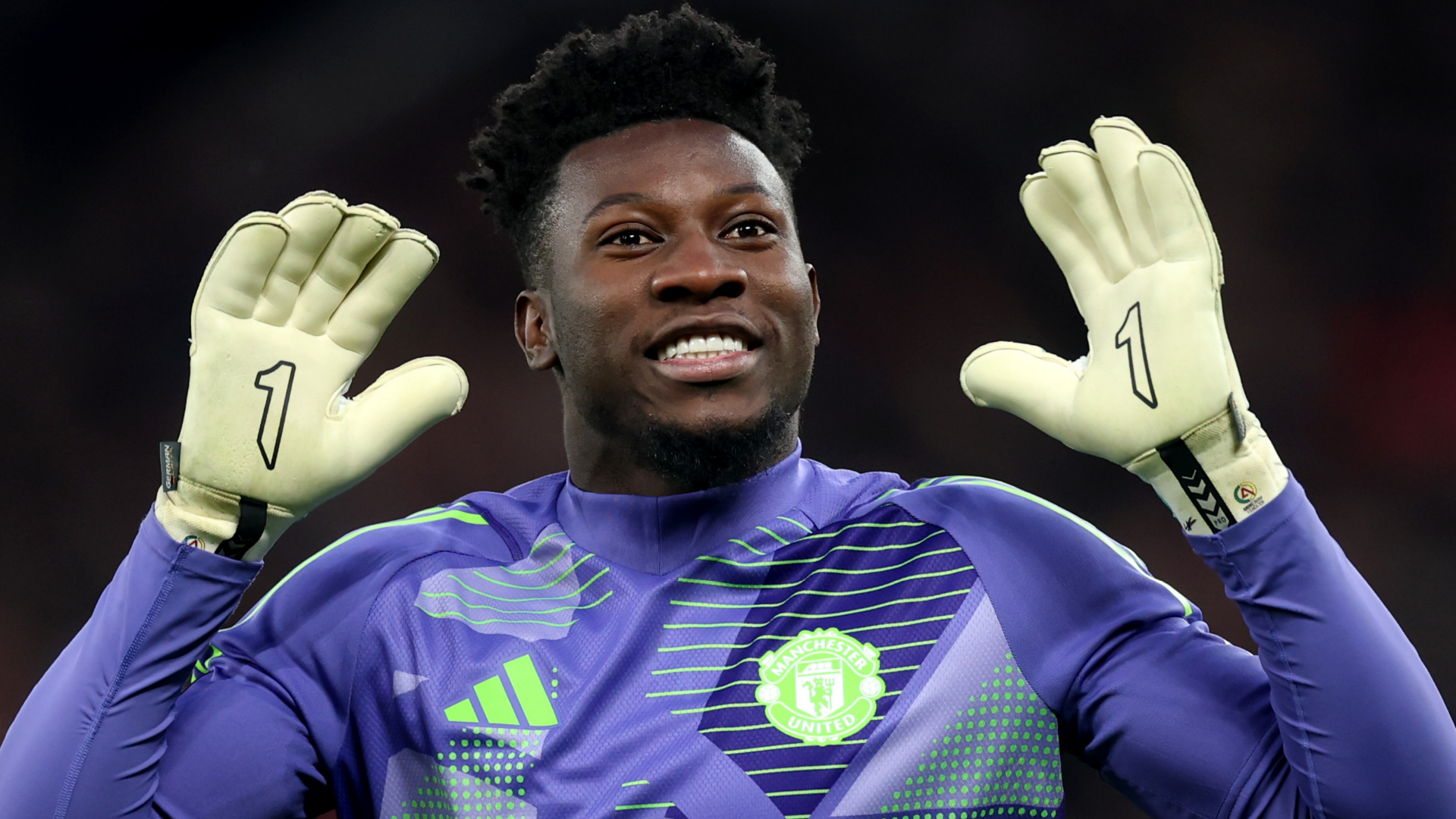
  • Andre Onana Manchester United 2024-25Getty

    Goalkeeper

    The goalkeeper is the last bastion between the opposition and the back of the net. Tasked with the singular objective of preventing the ball from crossing the goal line, the goalkeeper is a unique position, allowed to use their hands within their designated penalty area.

    Key responsibilities

    Shot-stopping: Reacting quickly and decisively to parry, catch, or punch shots away from danger.

    Commanding the area: Dominating the penalty box, claiming crosses, and organising the defence.

    Distribution: Launching attacks with accurate throws or kicks from hand.

    Penalty kick specialist: Often called upon to make crucial saves during penalty shootouts.

  • Advertisement
  • Leicester City FC v Liverpool FC - Premier LeagueGetty Images Sport

    Centre-back

    The heart of the defence, centre-backs are often physically imposing figures with a keen tactical mind.

    They are responsible for:

    Marking opposition attackers: Sticking tight to strikers, denying them space and time on the ball.

    Blocking shots and crosses: Putting their bodies on the line to intercept goal-bound efforts.

    Heading and clearing: Winning aerial battles and clearing dangerous balls from the penalty area.

  • Full-back (Left-back/Right-back)

    Operating on the flanks of the defence, full-backs require a blend of defensive solidity and attacking intent.

    Their duties include:

    Defensive Discipline: Tracking opposition wingers and preventing them from delivering crosses or cutting inside.

    Overlapping Runs: Supporting the attack by providing width and delivering crosses from advanced positions.

    Throw-ins: Often responsible for restarting play from throw-ins in their designated area.

  • Sweeper (Not always utilised)

    Positioned behind the main defensive line, the sweeper acts as a safety net, sweeping up any danger that bypasses the centre-backs.

    Reading the Game: Anticipating opposition passes and intercepting through balls.

    Covering for Defenders: Providing support and cover when other defenders are drawn out of position.

    Distribution from Deep: Initiating attacks with accurate long passes from deep positions.

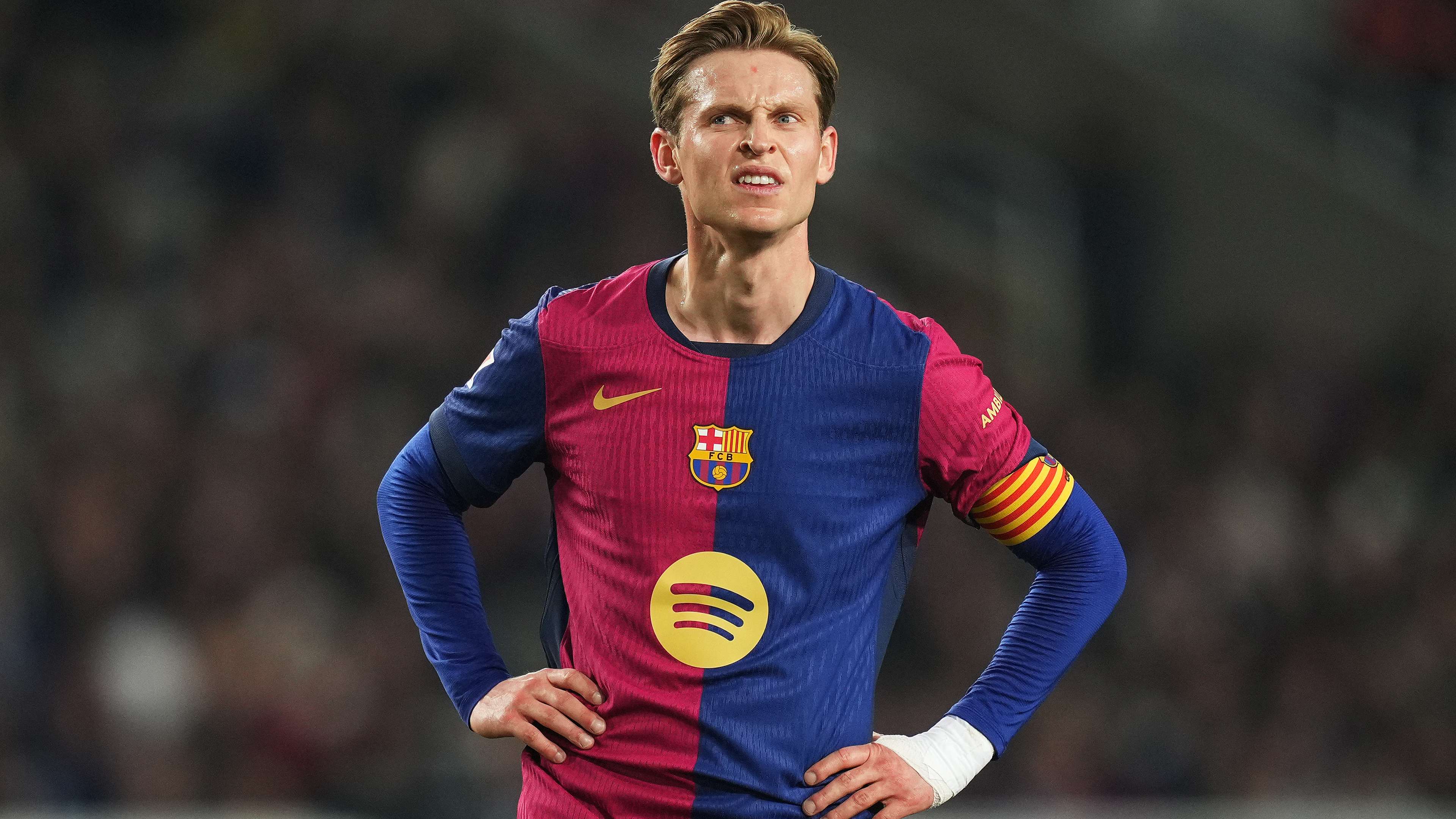
  • Frenkie de JongGetty

    Central midfield

    Occupying the central zones of the midfield, these players dictate the tempo and flow of the game.

    Controlling the Game: Receiving passes, retaining possession, and dictating the pace of play.

    Creating Chances: Playing incisive through balls, threading passes between defenders to unlock opposition defences.

    Breaking Up Play: Intercepting passes, making tackles, and regaining possession for their team.

  • Defensive midfield

    The shield in front of the defence, defensive midfielders provide an extra layer of protection.

    Screening the Defence: Protecting the back line by breaking up opposition attacks and tracking runs from midfield.

    Winning Back Possession: Making crucial tackles and interceptions to regain possession in key areas.

    Simple Distribution: Keeping possession ticking over with short, accurate passes to more creative teammates.

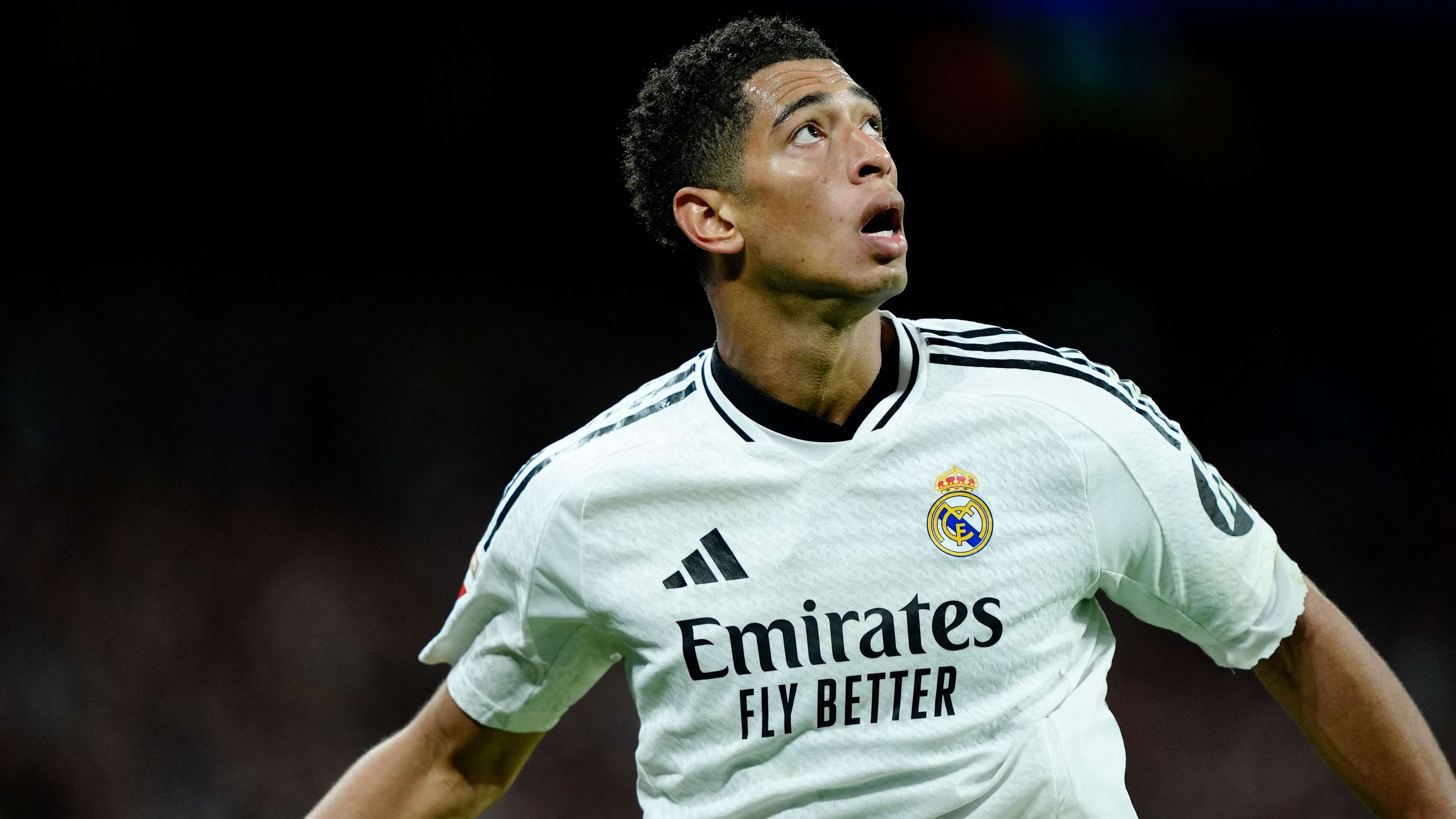
  • La-Liga-Real-Madrid-Athletic-ClubAFP

    Attacking midfield

    Positioned between the midfield and the forwards, attacking midfielders are the creative spark in the final third.

    Unlocking Defences: Playing killer passes, finding gaps in the opposition's back line to create scoring chances.

    Late Runs into the Box: Timing their runs to perfection to arrive in goalscoring positions.

    Long-Range Shooting: Possessing the ability to test the goalkeeper with powerful shots from distance.

  • Wide midfield (Left midfield/Right midfield)

    Operating on the flanks of the midfield, wide midfielders provide width and attacking threat down the sides.

    Hugging the Touchline: Stretching the opposition's defence by staying wide and providing an outlet.

    Delivering Crosses: Whipping in dangerous crosses into the box for attackers to attack.

    Cutting Inside: Dribbling inside from wide positions to create shooting opportunities or play passes to teammates.

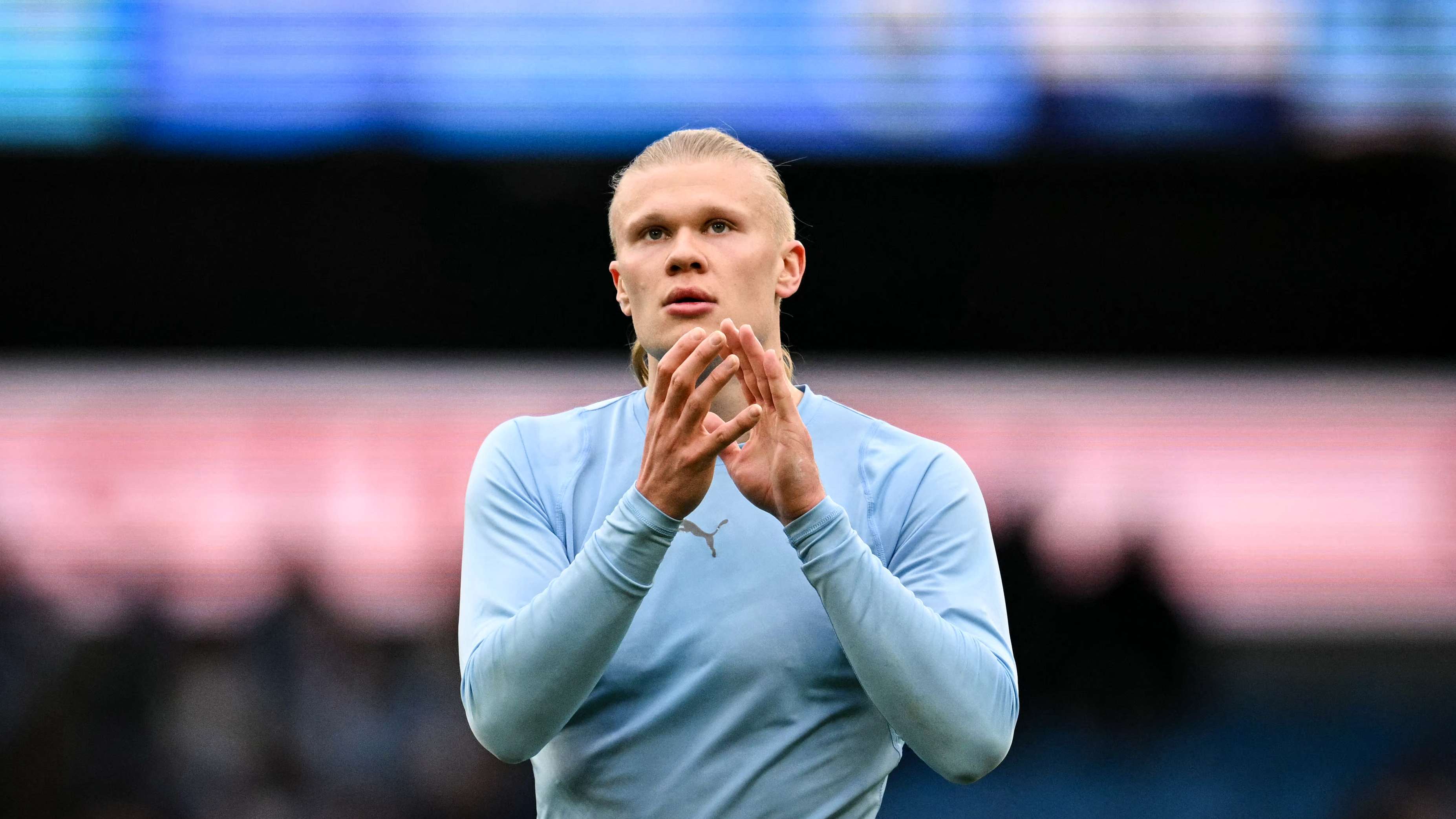
  • Erling Haaland Man CityGetty

    Centre-forward (Striker)

    The focal point of the attack, strikers are often clinical finishers with a natural instinct for goal.

    Leading the Line: Occupying the central attacking position, holding the ball up, and bringing teammates into play.

    Finding Space in the Box: Making intelligent runs to get on the end of crosses and through balls.

    Finishing with Precision: Remaining calm and composed in front of goal to convert chances into goals.

  • FBL-EUR-C1-REAL MADRID-ATLETICO MADRIDAFP

    Second striker (Support striker)

    Operating just behind the main striker, second strikers are often creative players with an eye for a pass.

    Linking Midfield and Attack: Dropping deep to collect the ball, linking play between midfielders and the striker.

    Creating Chances for the Striker: Playing through balls, laying off passes, and setting up scoring opportunities.

    Scoring Goals Themselves: Possessing the ability to exploit space and score goals from inside the penalty area.

  • Winger (Left winger/Right winger)

    Hugging the touchlines in advanced positions, wingers are lightning-fast attackers with the ability to beat defenders one-on-one.

    Taking on Defenders: Using pace and trickery to beat full-backs and get behind the opposition's defence.

    Delivering Crosses: Providing accurate crosses into the box for strikers and attacking midfielders to attack.

    Cutting Inside: Dribbling inside from wide positions to create shooting opportunities for themselves or teammates.

  • Understanding the different formations

    These positions are the building blocks of different formations that teams use. The most common formation is the 4-4-2, featuring four defenders, four midfielders, and two forwards. However, there are numerous other formations, such as the 4-3-3, each with its own strengths and weaknesses, and teams often switch formations during a game to adapt to different situations.

    From the goalkeeper's agility to the striker's clinical finishing, each position on a football pitch plays a vital role in a team's success. Understanding these roles and how they interact adds a new dimension to watching football, allowing fans to appreciate the tactical nuances and the unique contributions of each player on the field.