.png?auto=webp&format=pjpg&width=3840&quality=60)
They said he was "going to Hollywood to be half a film star". Those were the words, at least, of Real Madrid president Ramon Calderon, who explained David Beckham’s departure from the club in January 2007. The England captain’s future at the Bernabeu had been in jeopardy for months. Beckham wasn’t playing consistent football, having fallen out of favour under Fabio Capello, and his departure had been on the cards for months.
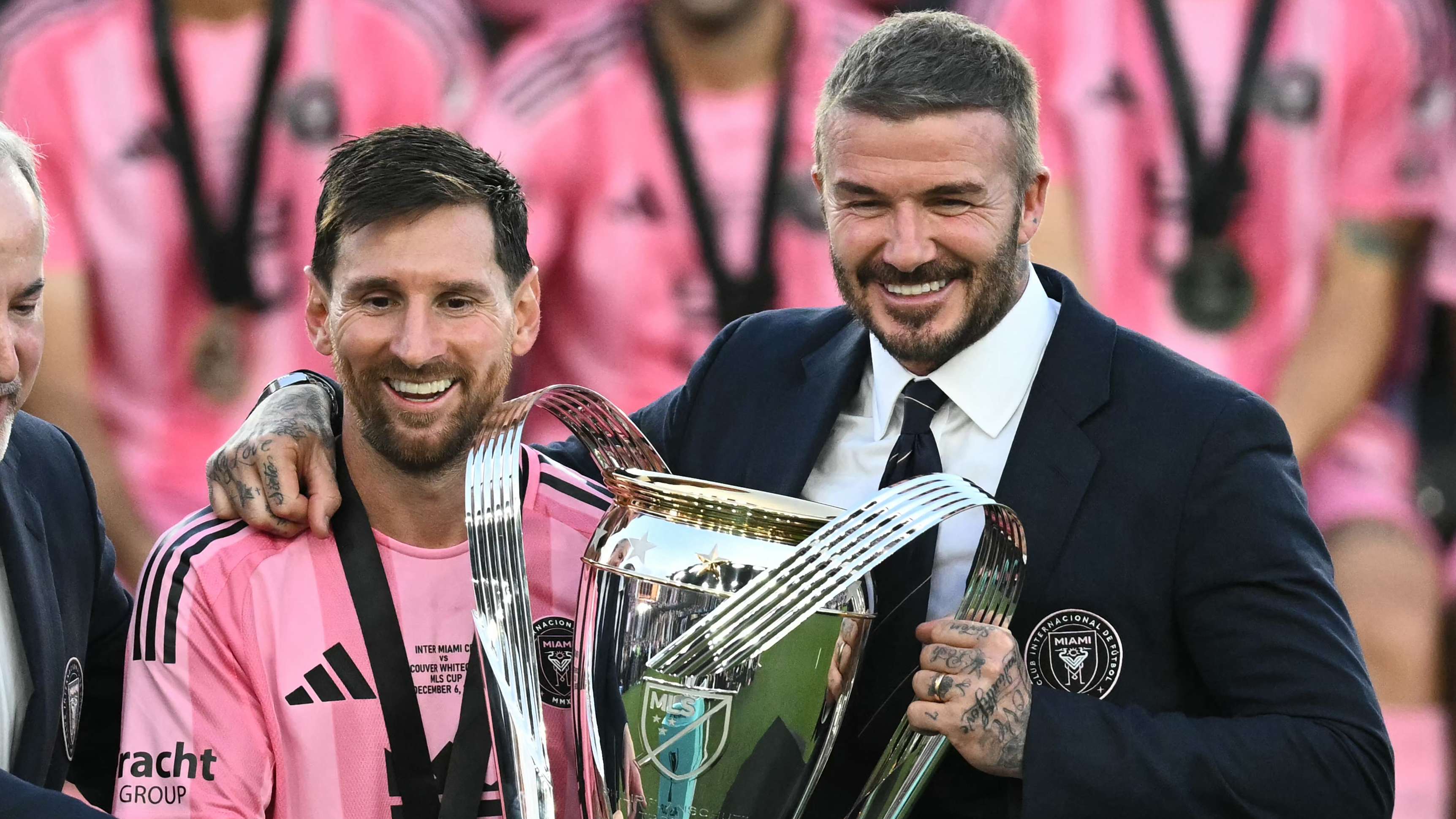
Calderon was right, too. Beckham’s arrival in Los Angeles to pen a five-year contract with the LA Galaxy was a glitzy affair. He had never been able to dodge the celebrity culture that had informed his footballing life for years, and in joining the Galaxy he simply embraced it. What detractors in Spain had long used as a stick to beat him with, Beckham now owned, with the right amount of soccer sprinkled in.
The European perspective was - and still remains - deeply cynical. To some, this seemed like a cop-out, a retirement move, an acceptance that he could no longer cut it. In hindsight, though, it looks much more like the move of a trailblazer. Beckham wanted something new, something different. There is a clear through line between the mohawk haircut, the fancy cars, the sunglasses and his arrival in Los Angeles. It wasn’t random; it was Beckham.
And for America, what a deal it was. Major League Soccer was still in its early phases. There was a semblance of stability by then, but not much in the way of quality. Beckham was not the starting point, but he was absolutely the catalyst MLS needed. His arrival changed how the league was perceived and forced the setup itself to evolve. MLS could no longer afford to be small; it had to think bigger, market itself better and begin the long, arduous path toward global legitimacy.