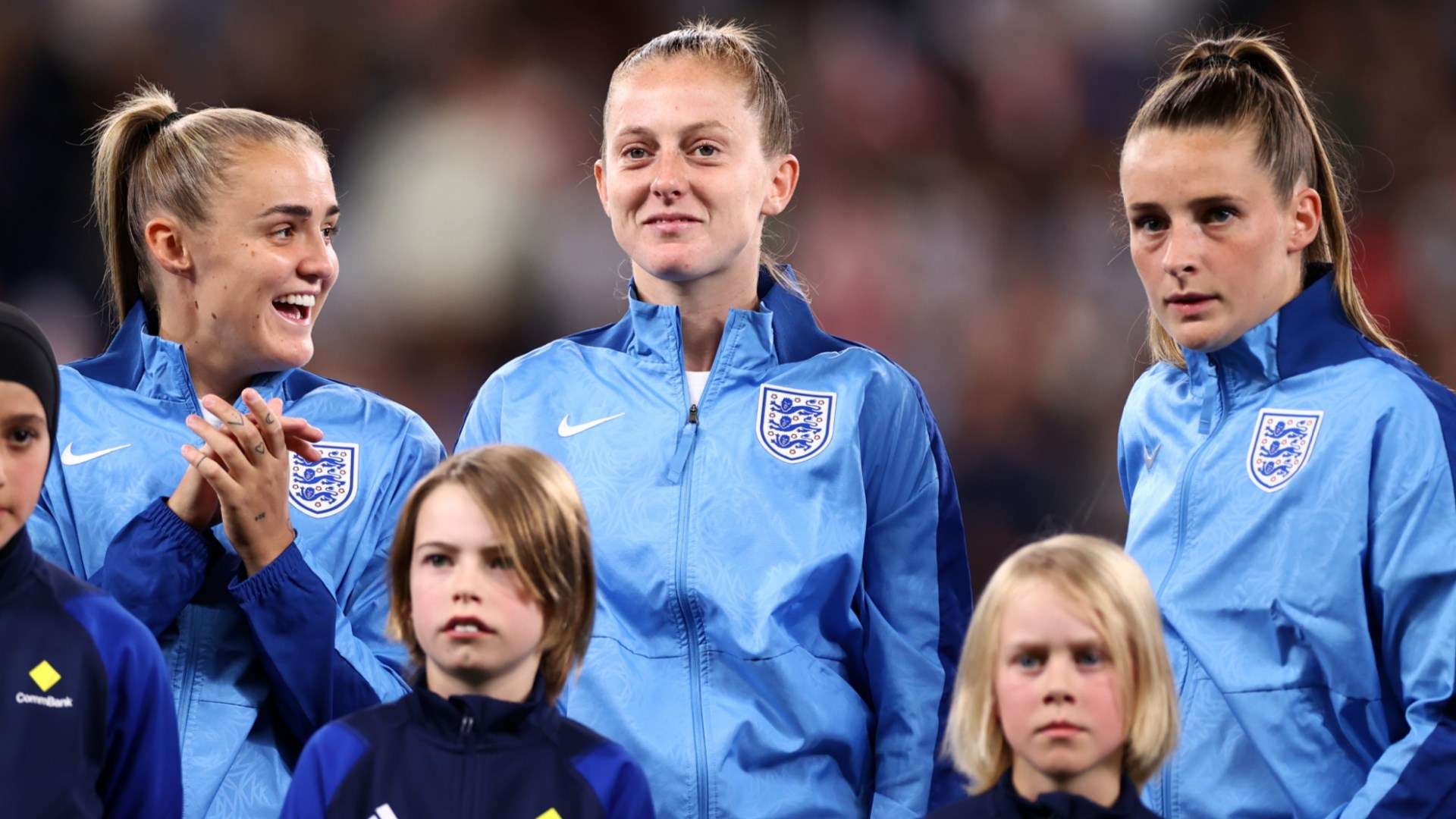
Stanway Walsh Toone England 2023Getty Images

Inside the Blackburn Rovers talent factory that helped Keira Walsh, Georgia Stanway and Ella Toone become Lionesses

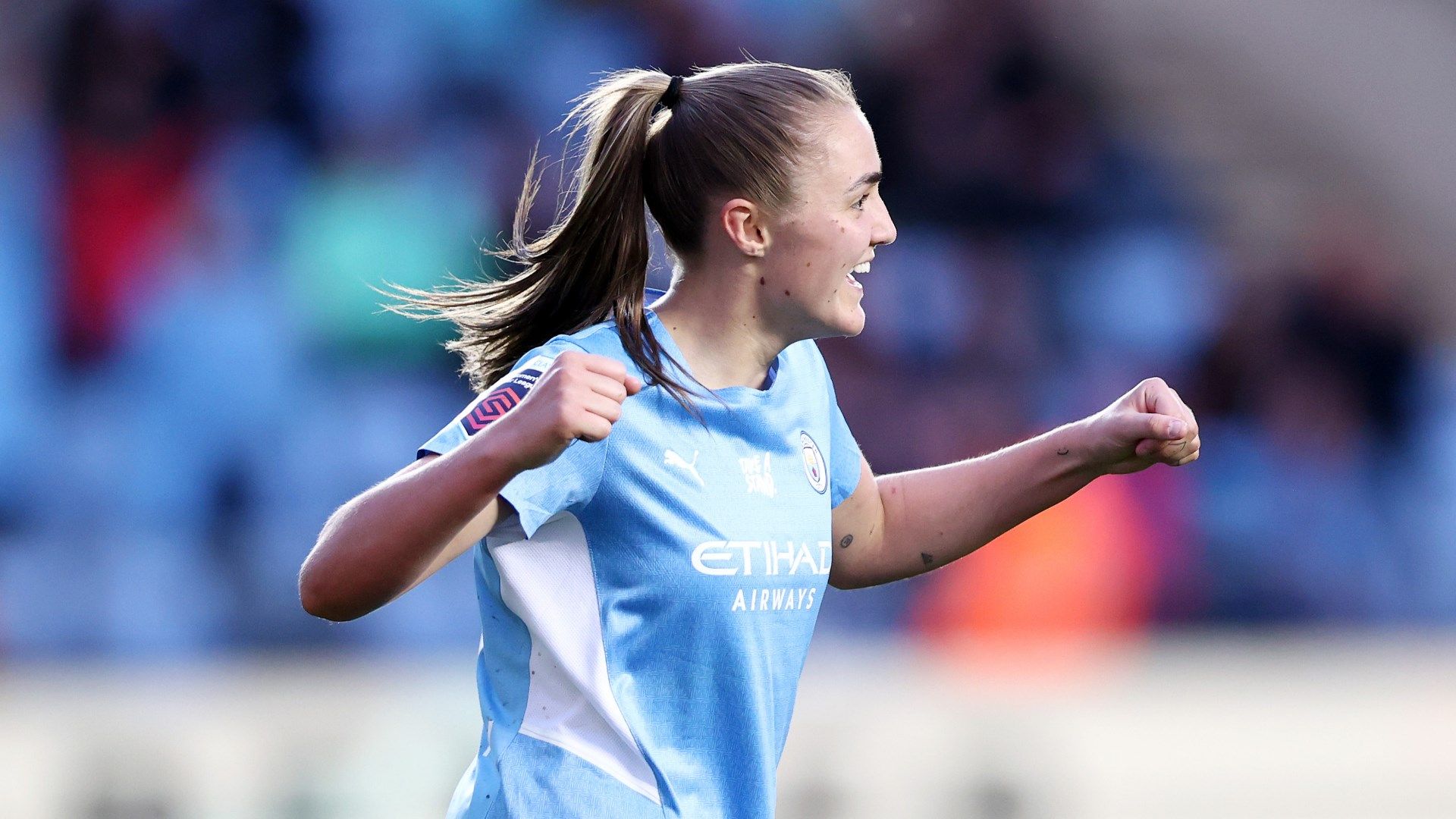
When England’s Lionesses lined up in the 2023 Women’s World Cup final, they did so with a midfield trio that had all come through at the same club. Keira Walsh, Georgia Stanway and Ella Toone had all been team-mates at Manchester City, yes, but before moving to one of the country’s powerhouses, all three spent a significant period of their youth with Blackburn Rovers.

Despite playing in the third tier of women’s football throughout the 2010s, Blackburn produced a number of players that caught the eye of England’s youth set-up, with Walsh, Stanway and Toone winning their first caps for the Young Lionesses while at the club.

“It was amazing. I made some best friends for life there. It's where I really enjoyed playing football and probably where I found my love for it,” Walsh said of Rovers earlier this summer, speaking on Lionesses Live during that historic World Cup.

“[Blackburn] instilled the right way for me to play football, getting the ball down, passing and I think it's kind of got me to where I am now, learning that from such a young age, so I appreciate it. I wouldn't be sat here playing for Barcelona and England if it wasn't for you lot at the academy.”

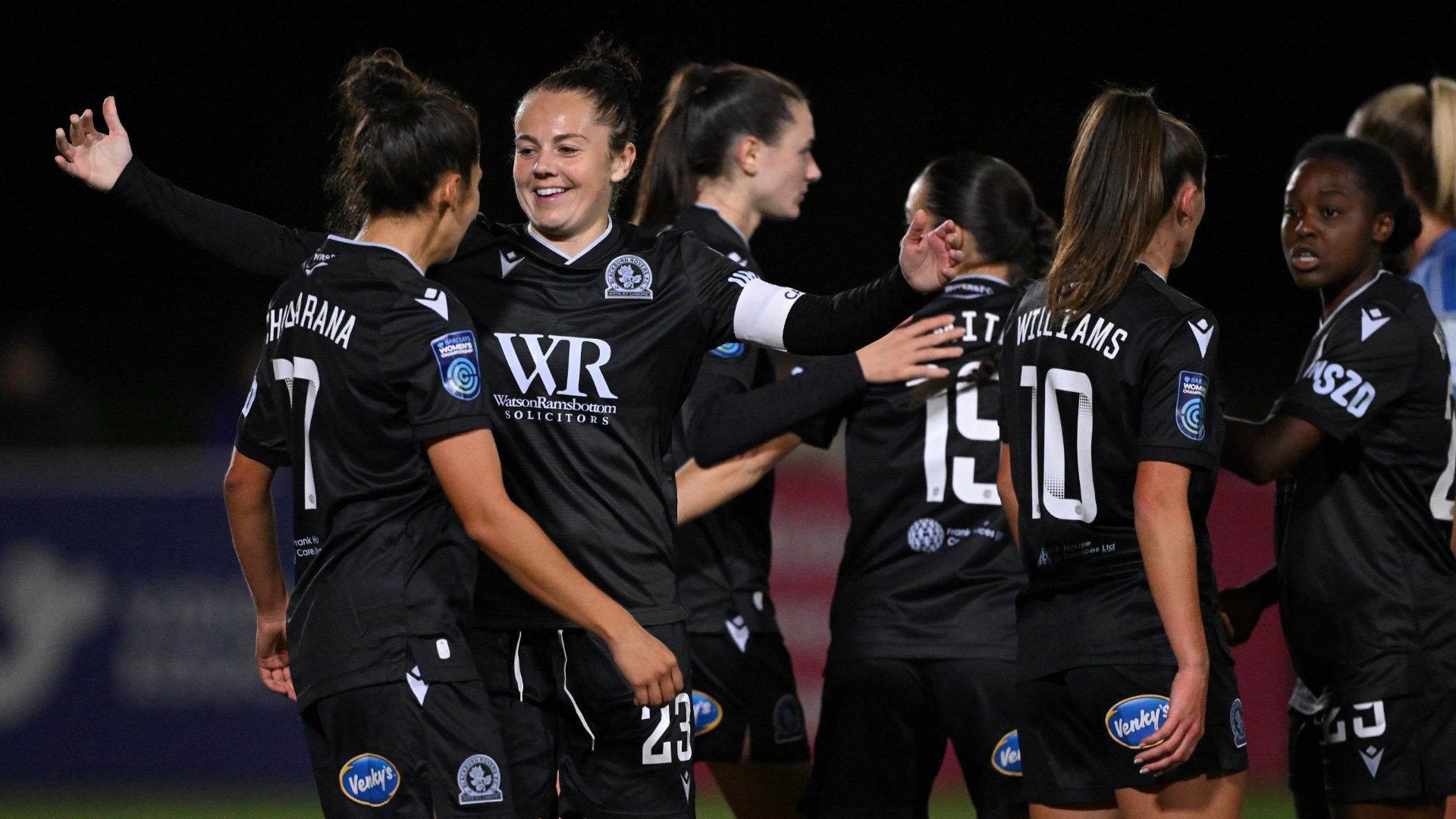
That emphasis on developing young talent hasn’t gone away in the years since those big names moved on, either. Five players in Blackburn’s current first-team squad have come through the club’s youth system and they’ve all played their part in a fast start to the new Women’s Championship season, Rovers moving up to the second tier back in 2019.

After winning four of their opening five games of the season, Blackburn’s productive youth system is not only at the heart of England’s recent successes, it’s also a big reason why the club has entered the conversation for promotion to the Women’s Super League. So how do they continue to produce talent after talent?
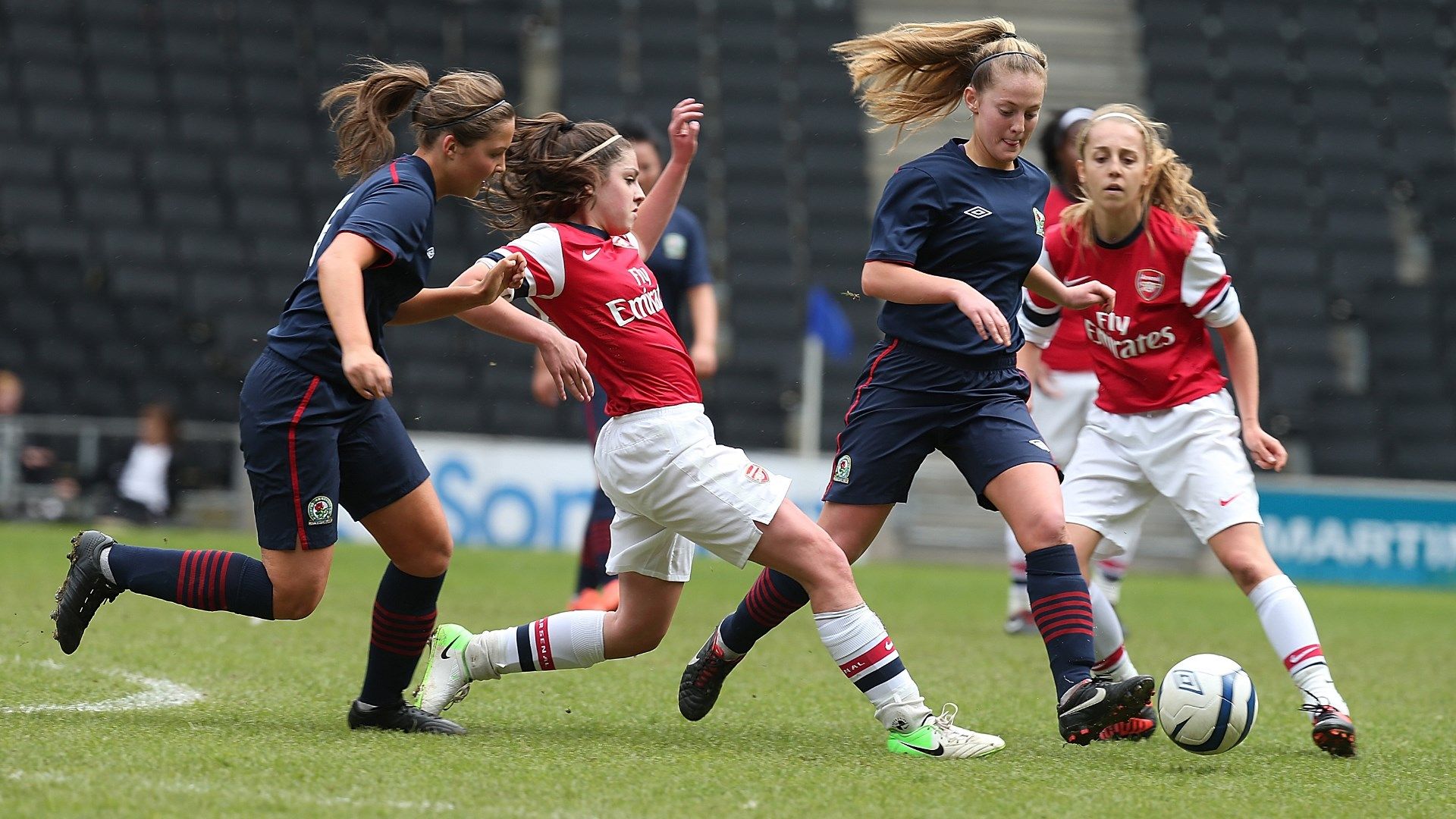
  • Keira Walsh Blackburn Women 2013Getty

    Getting a head start

    When Walsh joined Blackburn back in 2008, the club was unrivalled in the area. At the time, Man City’s first team were yet to assert themselves at the top of the women’s game and while Manchester United had an excellent academy set-up, the Red Devils had disbanded their senior team in 2005. Blackburn was the place to be.

    “We set up a centre of excellence early doors,” Nick Jackson-Cooney, who coached Walsh during her junior years, explained on Lionesses Live. “We were one of the early ones within Lancashire and the north-west. We were very professional in what we did and players started to see that. We started to get a nucleus of players coming in and I think we just built up a reputation early on.

    “We did attract a lot of good players - Georgia coming from Barrow, Keira coming from Rochdale - but they were coming from all over to come to Blackburn, which helped me because I had an outstanding team! In the five years that I was with Keira, I think we only lost one or maybe two games, which was unbelievable. We were always the team to beat, so it was really good.”

    “Back in the day when I was younger, it was either the Manchester FA or Blackburn, and that was it really,” Millie Chandarana, who progressed into Blackburn’s first team around the same time as Walsh, tells GOAL. “I know there were teams like Cumbria, and Liverpool and Everton were too far, but they were the only teams. There wasn't any United, there wasn't City. I think Blackburn was the only real club back then for girls to get through the elite pathway.”

    Nick Birchall spent nine years working for the Lancashire FA, which Blackburn falls under, before joining the club last September as academy manager. Leading club development for the county for almost a decade, he was well-placed to see the excellent job Blackburn were doing.

    “In Lancashire, they were the top women's club affiliated to the County FA. They were kind of the pinnacle that we were trying to feed girls into, from the grassroots side of it,” he recalls, speaking to GOAL.

    But with girls and women coming from across the country to join the club, Blackburn were not just a top club because of a lack of intense competition in the area, as the fantastic things that Rovers were doing and their head start on others in the north-west would allow them to build up a seriously good reputation.

  • Advertisement
  • Building a reputation

    That unique selling point of having a productive youth set-up that also had a clear route through to a top-level senior team caught the eye in the area. Chandarana, for example, swapped United for Blackburn as a young girl, and she says that pathway was on her mind when she did so.

    “A big thing was that they had a women's team at that point, whereas United didn't, so with United, you didn't really know where you were going,” she explains. “But with Blackburn, they at least had that women's team that had been established for a long time.

    “It was easier to see [that pathway] back then through Blackburn than it was United, definitely. Even teams like City, it was easier to see a pathway with Blackburn. Blackburn was the best option back then.”

    It’s a reputation that the club would only develop over time. Emma Taylor, seven years Chandarana’s junior, arrived at the age of nine, and all of Walsh, Stanway and Toone would progress from the youth set-up to the first team during her first six-year stint in blue and white.

    “Having someone to look up to when you're that young, because they were a few years above me, looking at them and where they can get to just shows that with hard work and being at a good club, you can get to wherever you want to be at,” Taylor tells GOAL.

    “Blackburn is one of the best clubs to do it, really. As you've seen with the other people coming through the academy, it's a really good place to be development-wise and you could see the pathway. Even at under-nines, you could see it going up through each age group.”

    Blackburn dropped out of the top-flight in 2011 and spent eight years playing in the third tier, but that youth set-up remained first class. Now in the Women’s Championship, a promotion achieved four years ago has only enhanced the attractiveness of joining this club as a young player.

    “We've seen a big influx of overseas players into the WSL. It's been big. Here, I think we can very clearly show a clear pathway from beginning in an emerging talent centre at a very young age, all the way through up to the first team. It's a very clear progression,” Ellis Clark, Rovers’ general manager, explains when GOAL asks what sets this club apart in a development sense.

    “We've had a few of our U21s make appearances for the first team this season. The men's team do that unbelievably well. The men's academy path into the first team and the talent that is produced is unreal, so we want to follow suit in that and it's more than possible. I think having that pathway and that clear progression allows people to see, 'Yes, I can do that, I can be that and I can do it at Blackburn because people have done it before me'.”

  • Blackburn Rovers Women 2023-24Getty

    Secrets to success

    So, why are Blackburn so good at producing young players? Their reputation certainly helps get players through the door. The route through to the first team does, too. Toone, for example, spent six years with Manchester United’s youth sides before making her senior breakthrough at Blackburn in a four-year spell. But when the players get to this club, what is it that allows them to flourish?

    “I think it is always a good environment,” Taylor, who returned to Blackburn in the summer after time in the youth set-ups of Liverpool and United, says. “That's something I've had from when I was younger and this year it's really good as well. It's always quite close, the staff are really close to the players and if you have a good relationship with everyone, it's just easy to work together on the pitch.”

    Birchall agrees. A year into his role as academy manager, he believes “good communication”, especially between the staff and the players, is a big reason for the success.

    “That's one thing I've tried to build on since I've come in. It's to communicate more with the parents and players and give them the longer-term vision of where we see them as a player and how they're doing,” he explains. “Academy football does get quite a bad reputation in general, in terms of players getting released and being very cut-throat. But what we're trying to do is make sure that there are opportunities for players and that they can see where they fit within our plans longer-term, not just from one year to the next.

    “I think that's the biggest challenge in girls’ academy football at the moment, that you can only offer them a one-year registration, whereas in the boys’ game, you can give them three or four years of stability. It would be great to do that and then you can have an individual plan for that player over a longer period of time.”

    Despite the challenges, Birchall and his staff have been thorough and detailed with their visions for the players and had “really positive feedback” in doing so. “It feels like everything is more switched on, it feels like everything is more organised and I think they feel more part of the club,” he says, asked about the response to this approach.

    It’s no wonder that over 600 girls applied for trials at Blackburn this past summer, then. This is a club that has had a top reputation for a long time – but it is not standing still. It’s constantly looking to build on that.

  • Empathic environment

    When GOAL asks Chandarana what the environment was like when she progressed into Blackburn’s senior team as a 17-year-old, she pauses. “I feel like it was intimidating back then,” she admits. “I think that now, it's not an intimidating environment as such. It's more of that high-performance environment. Everybody's got a job to do to get them to where we're going to end up. You know what I mean?

    “Even the young players coming through, they've all got a job to do and if they're not doing it, people are going to tell them. And if others are not, no matter how old you are, if you're not doing something, you're going to get told that you're not doing it.”

    Something that makes it easier for Blackburn to have this type of environment, one that is welcoming but holds everyone accountable, comes from the make-up of the squad. Rovers have one of the youngest groups in the league and, with that, they have a lot of players who have experience of progressing into a first team and what it feels like to do that as a teenager. “When people are coming up, you know exactly where they're at and kind of what they're looking to achieve in the year,” Taylor explains.

    “You see a lot of people passing [their experience] on,” Clark, who became general manager back in February, adds. “It’s been really interesting to see all the players that step up to that as well.”

    Clark picks out Tyler Toland, the 22-year-old Ireland international who joined the club in the summer, as a good example. Toland signed for Man City four years ago after excelling in her homeland and has had experiences in Scotland and Spain, as well as being capped at senior level. Despite her age, she can really help the younger players, and Clark says she’s been great for Jemima Dahou, the 18-year-old dual-registered from Man City.

    Blackburn have tapped into the experiences of this group, too. During the summer, the club did sessions with the first team on how they felt as a youngster coming into a senior environment and they’ve used that feedback to try and improve Rovers’ pathway. The U21s making that step up have benefitted massively from this attention to detail.

    “They've felt like they've been welcome and they've felt like they've been part of the group,” Birchall says. “We know it can be daunting if you're only 16 or 17 going into a women's environment when you're used to playing in your own age group. I think it's good that we've got a group that understands that and is really supportive when the players move up.”

  • Alex Brooks Blackburn Women 2022-23Getty

    Advantages and disadvantages

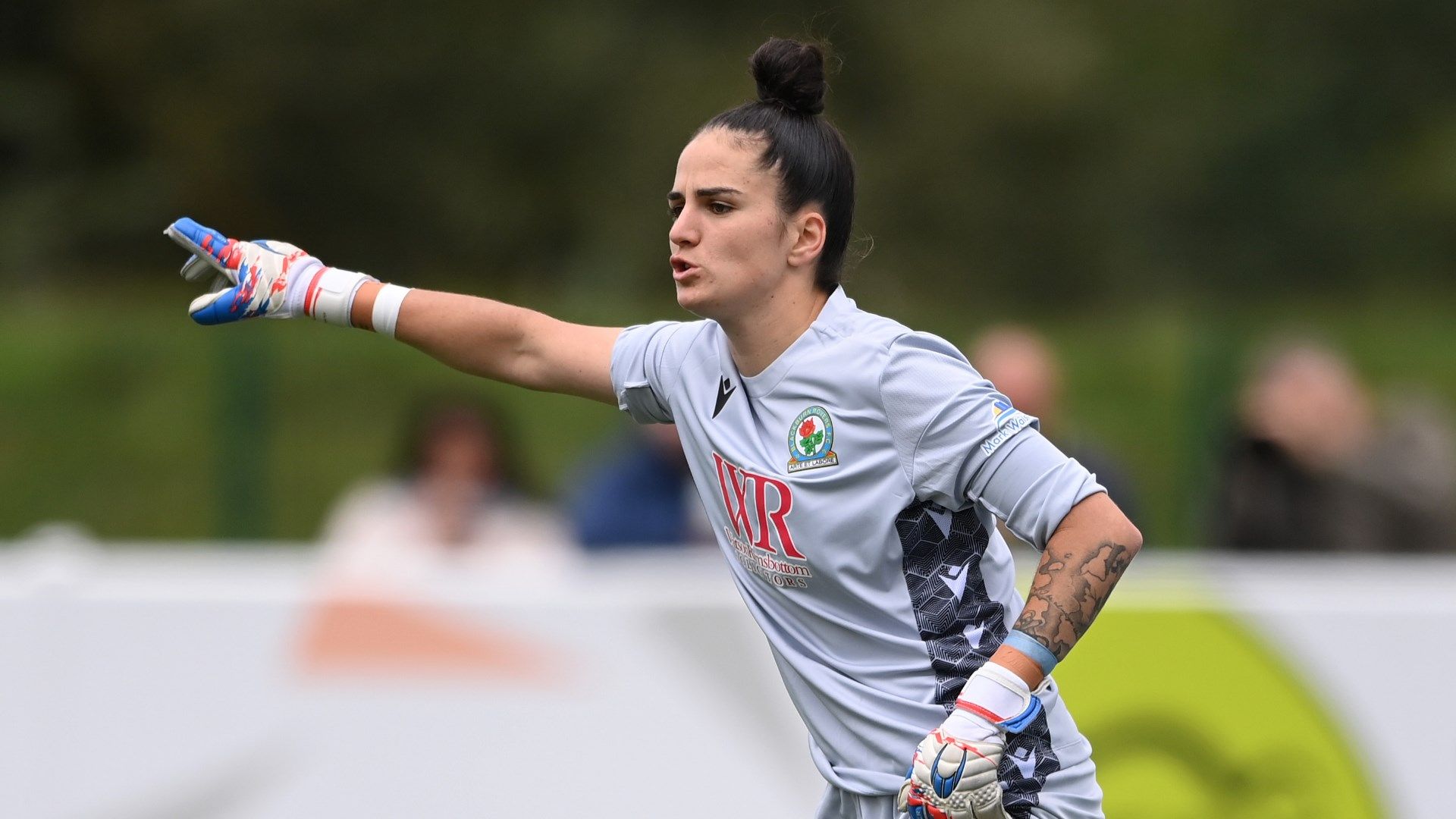
    Toland and Dahou are not the only players in Blackburn’s squad with that Man City connection. Annie Hutchings is back for a second spell dual-registered at Rovers having enjoyed her time at the club last season, while goalkeeper Alex Brooks came through the Manchester side’s system.

    The red side of the city also has plenty of alumni at Blackburn. As well as Chandarana and Taylor, Chloe Williams, Megan Hornby and Niamh Murphy are among those to have joined the club after spending time at Manchester United.

    With Liverpool loanee Hannah Silcock impressing at the heart of defence this season as well, the benefits Rovers have of being in this part of England are evident for all to see. When the four WSL clubs in the area want to send their young prospects out to gain valuable experience, Blackburn is an obvious temporary destination. Furthermore, when players are released or decide to leave those teams, then the Championship side is an attractive permanent option, too.

    That said, it works both ways. Walsh, Stanway and Toone all eventually left to pursue an opportunity at a higher level with Man City, and there are several players in the academy, between the ages of 14 and 17, that have been picked up by one of that WSL quartet.

    “In the last 12 months, we've had five or six that have moved to those clubs in the north-west,” Birchall says. “But at the same time, we've also probably signed the same number, around the age of 17 and 18, that have come into our U21s and players that have come on loan in the first team as well.

    “It has its advantages and disadvantages, obviously, but I think we have quite a unique selling point, being a Championship club and having a first team that is probably closer to the U21s format than the WSL clubs in the north-west have. I like to think we've probably got the strongest pathway in the north-west in terms of being able to give girls that opportunity to go and train with the first team and potentially play with them, because we are a Championship club.”

    Blackburn’s reputation is spreading, too. This season, Brighton sent Chelsea Ferguson, one of their most promising prospects, some 300 miles north to join Rovers on loan. It’s a huge nod to how well respected this club is when it comes to helping young players progress.

    “It’s really important that we keep really strong relationships with people at those clubs and that they can trust us, trust that we're going to develop their players, give them the right experiences,” Clark says.

    “We have a clear development plan for every youth player that we bring in, whether that be on loan or from our U21s, both off pitch and on pitch. On pitch, it's pretty obvious what that looks like. Off pitch, it's about taking people out of their comfort zone a little bit and giving people responsibility. For example, dropping a loanee player into one of our captains' group meetings and saying, 'See this, be a part of it, give your opinion as well'. That's something that they wouldn't get at their parent club.

    “We've got to offer something different and we've got to offer the right things so that from when they come to us in August to when they maybe leave - maybe stay, but if it is to move on - then we want to be like, 'They're a different person. We've just seen someone grow up before our eyes'. That's the key part that we all play.”

  • Georgia Stanway Man City Women 2021-22Getty

    Retaining talent

    However, the dream, of course, is to keep those top players at Blackburn, especially those developed by the club. It’s something Clark describes as Rovers’ “next challenge”. The addition of an U21s side has made bridging the gap from the academy to the first team much easier, as has the new approach to speaking in-depth with players and their parents about their future at Blackburn. But as a Championship side, especially one surrounded by teams in the WSL, it’s not particularly easy.

    “I think having that clear pathway [helps],” Clark says. “People like Natasha Dale and Taylor Howarth, who are playing week in, week out for the U21s but are getting an opportunity [with the first team], coming into training, being a part of this environment, learning, taking themselves up to the next level, that's important, getting them familiar with the environment, because then come the time when they are ready, they slot in well. It's not just being thrown into something and expected to perform. They've already got the experience of it. They can visualise it, they can see it and they fit in at a much quicker pace.”

    “Obviously, we don't want to lose players that we think have got the potential to be professionals. We want them to stay,” Birchall adds. “The backing that we've got from the club, in terms of the investment we've got in the academy, has really helped - and the support from the FA as well.

    “But now, it's just about how we make sure that pathway is as strong as possible and that we structure it in a way that players feel like they're valued and they're part of the bigger picture, and then how we support them through that process over the next however many years it is to get them into the first-team environment.”

  • WSL aspirations

    The big thing that would help Blackburn retain talent would, of course, be promotion to the WSL. It’s simple and obvious to state but extremely tricky to achieve, as only the winners of the Women’s Championship get to progress into the top-flight each season.

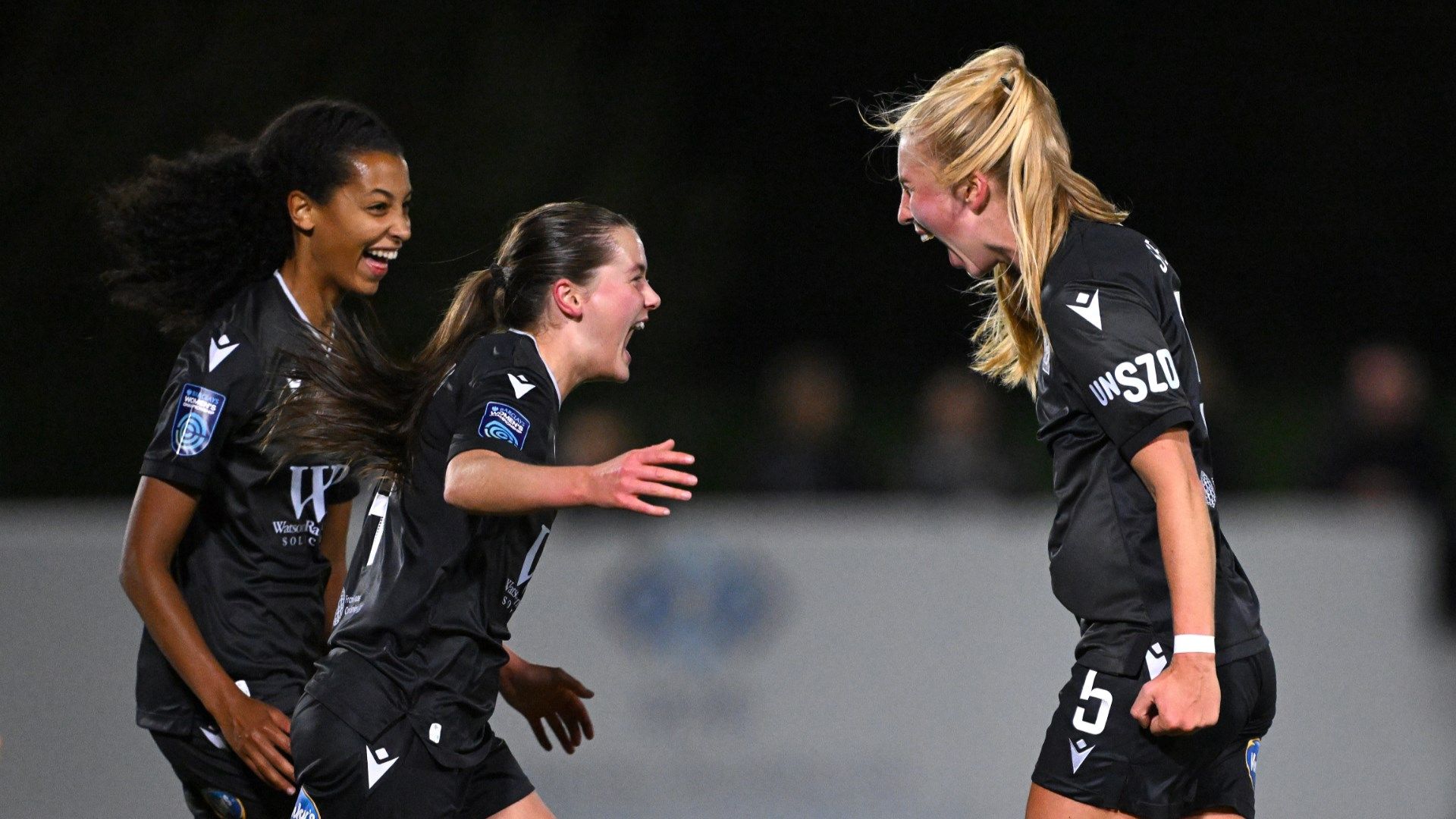
    Since coming into the Championship in 2019, Blackburn have finished seventh, ninth, 10th and 10th again. But this year, things started a little differently. Clark and Birchall, both recruited within the past year or so, are not the only new additions to the club staff. In the summer, Simon Parker was recruited as Rovers’ new head coach and the results under him were immediately impressive, with Blackburn winning four of their first five games of the 2023-24 season.

    “Through pre-season, you could tell with the girls there was a good connection,” Taylor, in her first season in Blackburn’s first team, says. “Everyone's driving each other to do better in training and then off the pitch, everyone's close as well. In pre-season, you could see straight away the season everyone wanted to have and the aspirations of the club.

    “We do touch on [those ambitions] but I think taking it day by day is most important because there are obviously going to be ups and downs in any team. I think sticking together is probably the most important and taking each day as it comes.”

    Those downs have crept in during the last few weeks, with back-to-back defeats by one-goal margins showing how tight and competitive the second tier can be. But it’s clear from speaking to several players that this is a level-headed group and, with so many of them still so young, it’s one with an eye on the future as well as the present.

    “When I left England when I was 22, the Championship was a good level but then when I came back two years later, it was a great level,” Chandarana, in her third season back at Blackburn after a spell in Italy, says. “That's what made me want to come back, because you've got teams who are full of WSL players who are looking to be full-time professionals in the Championship, who can easily compete to be in the Super League. Over the last three years, we've kind of transitioned from a fighting club to wanting to be one of those teams pushing for Super League. It's a good incentive.”

  • Blackburn Women 2023-24Getty

    Plenty of positives

    This season may not end in promotion for Blackburn – and that would be fine. What is positive, though, is that this team appears to be taking real steps forward after back-to-back 10th-place finishes.

    “You don't want to get too carried away after five or six games of the season, but if parents and players and even players from other teams can see that the first team is doing well, it makes people sit up and take notice of where the club is at,” Birchall says. “I've had players contacting me in the last month, saying they've signed for another club and they're probably having regrets already about the opportunities that they're not getting, opportunities that they've heard they could have had if they'd come to Blackburn.

    “That's probably the biggest word for me, opportunity. That's what we're trying to provide for people. We've created a pathway where there is more opportunity for the players, and also for the staff as well, because we've had staff working across different age groups and it's important to develop staff and to invest in them. I think that's probably my keyword, that we're providing an opportunity that wasn't there.”

    Opportunity might be the keyword to associate with all that Blackburn have done in the women’s game over the last 15 years or so, too. From helping to develop some of England’s best players to now offering a fantastic environment for many of the country’s most promising teenagers, Rovers are a club that provide opportunities.

    How long will it take until Blackburn get their own chance at the top table again? The future is impossible to predict. But with new recruits across the board making a real impact on and off the pitch, it’s clear this is a club moving in the right direction as it looks to take that next step on from being a genuine talent factory.