
Are you 24 or older?

Help us verify your age by providing an honest response. This site contains gambling advertising for 24+.

Age-restricted content

You’re not old enough to view betting content. You’ll be redirected to the homepage.

alt
Michael Carrick - مايكل كاريك - Kooora OnlyKooora.com
Translated by

The curse of the caretaker manager: why does this strange scenario keep repeating at Manchester United?

Something strange keeps happening at Manchester United. It's as if the team becomes a different beast under a caretaker manager, only to slip back into its old habits the moment that manager is confirmed and handed the full project.

Here's the paradox. The caretaker usually inherits a mess: chaos, fan pressure, results in freefall. Yet within a short spell he breathes life back into the players and delivers better results. Then comes the next step. They make him permanent, and that's when everything starts to unravel.

Ole Gunnar Solskjaer lived through this exact scenario, and Michael Carrick is going through it now. That raises a question far bigger than coincidence: is the problem the manager once he goes permanent, or the very nature of Manchester United?

You can discuss topics and news in greater depth in the "Kooora" forums
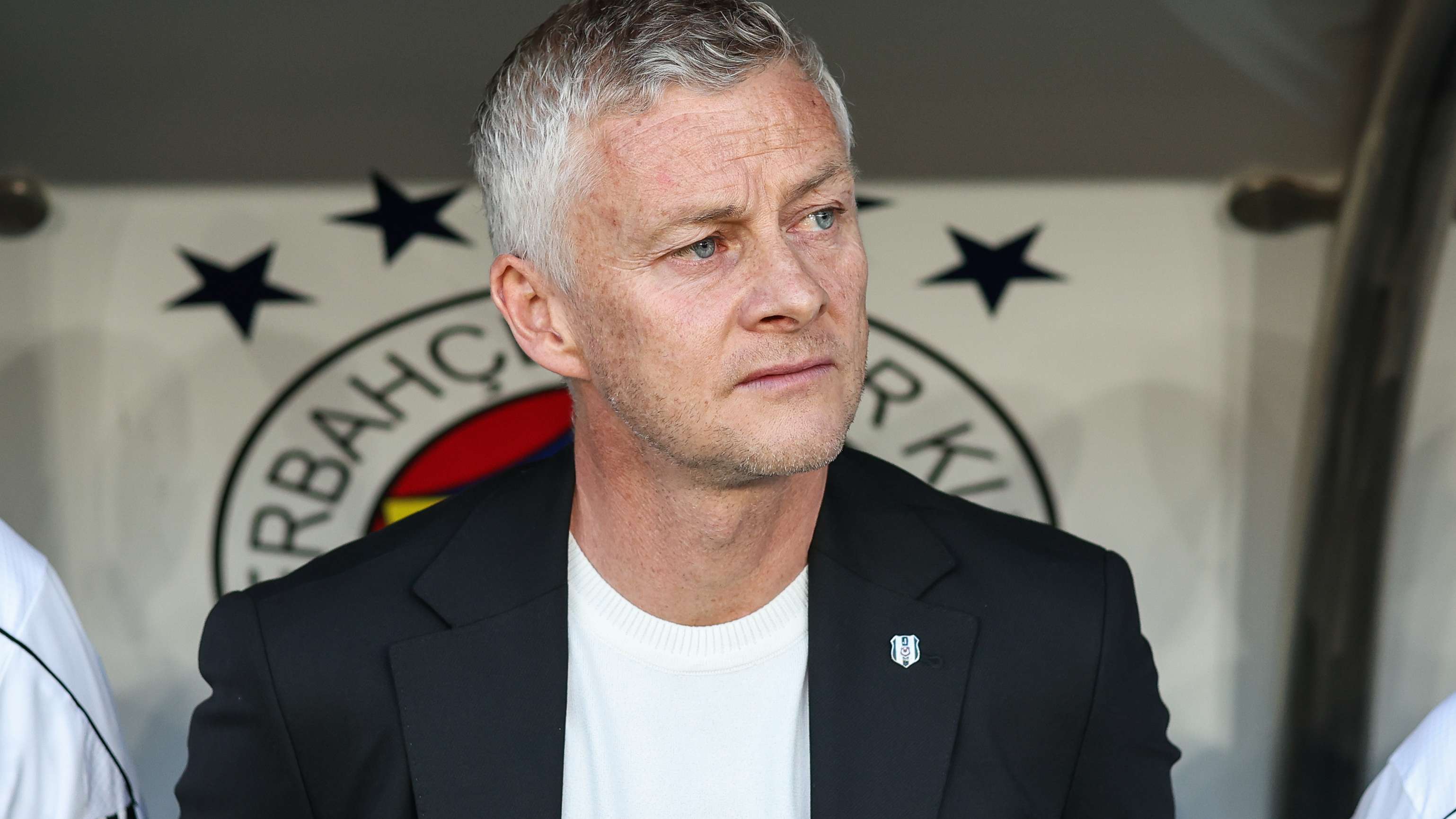
  • Fenerbahce v Besiktas - Turkish Super LeagueGetty Images Sport

    Solskjaer: the beginning that fooled everyone

    Solskjær took charge of Manchester United on a temporary basis in December 2018, with the team stuck in a rut under José Mourinho. The Norwegian turned things around fast. A run of positive results made United look as though they had rediscovered their identity.

    Players looked freer, the attack sharpened, and the results improved so noticeably that Solskjær earned a permanent contract in March 2019 after a hugely successful caretaker spell.

    Then came the twist. Once confirmed, United no longer hit the same heights, and the old problems crept back in, whether in results or performance. The experiment ended with his dismissal in November 2021.

    Here's the irony: the best version of Solskjær arrived when all he had to do was rescue the team, not build a long-term project. That makes his story one of the most striking examples of this phenomenon.

  • Advertisement
  • Fulham v Manchester United - Premier League 2026/27Getty Images Sport

    Carrick: will history repeat itself?

    Enter Michael Carrick, amid different circumstances, but with a beginning that carries many similarities. The English coach took on the task during a transitional period, inheriting a team that had lost much of its confidence and stability.

    His arrival changed things almost instantly. Results improved, and the players looked liberated, as if shedding the pressure of the long-term project had restored their ability to play in a simpler way.

    Here lies the paradox. The interim coach does not carry the burden of building a team over years, nor does he fight transfer battles or impose a complete philosophy on the group. His task is a narrow one: calm the situation, restore confidence, get results.

    Make that same coach the permanent man, though, and the job changes entirely. Now he must build an identity, choose the signings, deal with injuries, manage the dressing room and shoulder the pressure of the fans and the board. That is where weaknesses hidden during the interim period can suddenly surface.

  • The problem is not with the coach alone

    The mistake, perhaps, lies in treating this as proof that the interim manager is better than the permanent one. The truth is more complicated than that.

    Manchester United have lived in a pressure cooker for years. Managers, executives and players come and go at a dizzying rate, and that churn can make any strong start look more dazzling than it really is.

    An interim manager also enjoys a crucial psychological edge. Players treat the new phase as a clean slate. A permanent manager, by contrast, quickly pushes the squad towards his own ideas and starts tinkering with the details, which can breed resistance or a temporary dip in form.

    So the story isn't simply that "the interim manager succeeds and the permanent one fails". Manchester United have shown more than once that they can respond quickly to change. Turning that change into a stable, sustainable project is the part they keep getting wrong.

    Read also: Messi drives Waleed Al-Farraj to attack the stars of the Saudi Arabia national team

  • ENJOYED THIS STORY?

    Add GOAL.com as a preferred source on Google to see more of our reporting

    Add as preferred source on Google
  • Fulham v Manchester United - Premier League 2026/27Getty Images Sport

    Coincidence or a real curse?

    A familiar pattern keeps repeating at Manchester United. A new manager gets an immediate boost from the group. The real test comes later, when that boost fades and he has to build a team capable of lasting.

    This is the question that will define Carrick's story. Can he turn a good start into a lasting system? Or will United fall back into the old scenario, where the interim manager appears to have found the solution, then everything starts to decline the moment that solution becomes official?

    Should it happen again, the problem won't lie in the result of a single match or a run of matches. It will point to something bigger about the whole club: why does Manchester United look better when it doesn't have a long-term project?